Moving a Deer Carcass Out of a CWD Zone
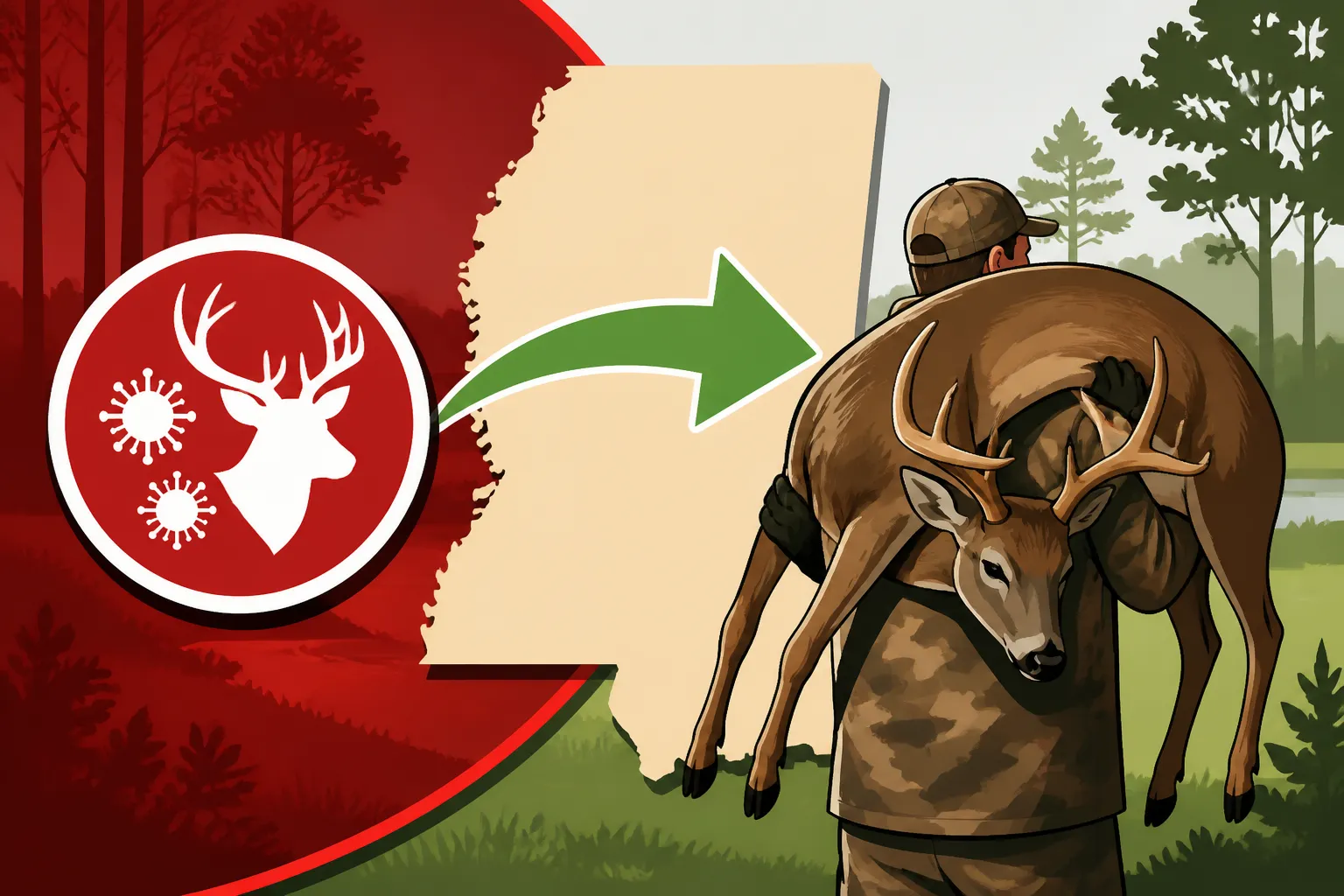
There's nothing quite like the thrill of a successful deer hunt in Mississippi, whether you're bringing down a magnificent Delta buck or a solid Hills Unit deer. But for folks hunting in certain areas of our beloved state, the joy of a harvested deer can quickly be overshadowed by a cloud of confusion when it comes to Chronic Wasting Disease (CWD) and what you can—and can't—do with your hard-earned venison. Moving a deer carcass out of a CWD zone isn't just a suggestion; it’s a strict regulation, and getting it wrong can lead to serious headaches or even penalties. This guide is here to cut through the noise, validate your frustrations with complex rules, and provide a clear, empathetic path to ensuring your harvest is handled correctly and legally.
Understanding Chronic Wasting Disease and Its Presence in Mississippi
Let’s start with the basics. Chronic Wasting Disease, or CWD, is a neurological disease that affects cervids – that’s deer, elk, and moose. It’s caused by abnormal proteins called prions, and unfortunately, it's always fatal. Imagine a disease that slowly and relentlessly destroys an animal's brain, leading to emaciation, abnormal behavior, and eventually death. That's CWD. The scariest part? It's highly contagious among deer populations and can persist in the environment for years, making it incredibly difficult to manage once it takes hold.
Mississippi, like many states, has been battling the spread of CWD. The first case was detected in Mississippi in 2018 in Benton County, a discovery that truly shook the hunting community. Since then, the Mississippi Department of Wildlife, Fisheries, and Parks (MDWFP) has been diligently monitoring and establishing CWD Management Zones to contain the disease and protect our state's cherished deer herd. These zones are fluid and can change as new cases are detected, which is why staying informed is crucial. You can always find the most current information, including which counties sit in the North CWD Zone or the Warren-Claiborne CWD Zone, directly through the MDWFP.
The reason these zones exist, and why regulations around them are so strict, is to prevent further geographical spread of CWD. The prions are concentrated in the brain, spinal cord, lymph nodes, and spleen of an infected animal. If an infected carcass is moved out of a CWD zone and improperly disposed of, those prions can contaminate new soil and water, potentially infecting healthy deer herds in new areas. This isn't just about one deer; it's about the health and future of Mississippi's entire deer population, and frankly, our hunting heritage.
Navigating Carcass Movement Rules from CWD Zones
Alright, let's get down to the brass tacks: what parts of your deer can actually leave a CWD Management Zone in Mississippi? This is where many hunters get understandably confused, and it’s critical to understand these rules to avoid any issues. The MDWFP has very specific guidelines designed to minimize the risk of spreading CWD.
Permitted Deer Parts for Transport
The good news is, you can still take home the valuable parts of your harvest, but they need to be processed or handled in a specific way before they leave the CWD zone. Here’s what’s generally allowed:
- Deboned Meat: This is your safest bet and the most common method. All meat that has been completely separated from the bone, spinal cord, and brain tissue is permitted. This means taking the time to butcher your deer in the field or at a local processing facility within the CWD zone is paramount.
- Clean Skull Plate: If you're hoping to hang antlers on the wall, you can transport antlers attached to a skull plate, but it must be completely clean. Every bit of soft tissue—brain matter, muscle, connective tissue—has to be removed. This usually involves a good bit of scraping and even boiling, depending on your preferred method.
- Clean Skull: For those wanting a European mount, a skull can be transported, but again, it must be completely free of brain tissue. This is a non-negotiable step to ensure no prions are inadvertently moved.
- Hides (No Head Attached): Your deer hide is fine to transport, as long as the head has been removed.
- Upper Canine Teeth: Sometimes called "buglers" or "ivories" from elk (though less common in Mississippi whitetails), these teeth are also permitted.
- Finished Taxidermy Products: If you have a shoulder mount or full-body mount completed by a taxidermist located within the CWD zone, that finished product can, of course, be moved. This is why many hunters choose to use local taxidermists when hunting in a CWD-affected area. You can find out which taxidermists take CWD samples by checking with MDWFP.
Prohibited Parts and Why They're Restricted
Conversely, there are certain parts that absolutely cannot leave a CWD zone. These are the parts considered "high-risk" due to their higher concentration of CWD prions.
- Whole Carcasses: You cannot transport an entire deer carcass out of a CWD zone. It must be processed first.
- Heads: Unless it’s a cleaned skull plate or skull, a full deer head with brain tissue intact is prohibited.
- Spinal Columns: The backbone and associated spinal cord are high-risk parts and cannot be moved out of the zone.
- Lymph Nodes and Spleen: These organs are also known to harbor CWD prions and must be left within the zone.
These restrictions are in place for a very good reason. They are directly targeting the parts of the animal most likely to contain and transmit CWD prions. It might feel like a hassle, but it's a critical measure to protect our overall deer herd. Think about it: if every hunter moved whole carcasses, the chance of accidental spread across county lines would skyrocket.
Practical Steps for Hunters in CWD Zones
Hunting in a CWD zone doesn't have to be overly complicated, but it does require some extra planning and diligence. As a veteran hunter, I've seen firsthand how these regulations, while sometimes frustrating, are absolutely essential.
Field Dressing and Initial Processing Considerations
Your first step, after a successful harvest, is to consider where you are. If you’re in a CWD zone, the field dressing process takes on added importance.
- Field Dress on Site: Always field dress your deer where it falls or very close to it. This leaves internal organs, which can contain prions, within the zone. Make sure to properly dispose of these remains by burying them or leaving them in an inconspicuous spot in the woods, away from water sources.
- Carry Necessary Tools: Beyond your usual field dressing kit, consider what you might need for initial breakdown if you plan to de-bone in the field. A sharp knife, game bags, and perhaps a small saw for the skull plate are essential. Companies like GoHunt often have excellent checklists and gear recommendations for hunters operating in various conditions, and their resources could be invaluable for ensuring you have everything you need for proper field processing.
- Hygiene is Key: Always practice good hygiene. Wear gloves during field dressing and wash your hands and tools thoroughly afterward. While CWD is not known to transmit to humans through consumption, preventing any cross-contamination is always wise.
If you’re wondering about the timing, especially with warm Mississippi weather, knowing how to conduct efficient Field Dressing a Deer in Warm Weather is a skill every hunter should master. Quick, clean work helps preserve the meat and gets you ready for the next steps sooner.
Preparing Your Harvest for Legal Transport
Once field dressed, your deer needs to be prepared specifically for transport out of the CWD zone.
- Deboning the Carcass: The most foolproof method is to de-bone all the meat from the carcass within the CWD zone. This means removing all muscle tissue from the bone. Once deboned, the meat can be bagged and cooled for transport. The remaining bones, spinal column, and head must stay within the CWD zone.
- Skull Plate Preparation: If you want the antlers, carefully remove the skull plate, making sure to scrape all brain and soft tissue away. I mean all of it. A little extra time here prevents a lot of potential headaches later. You can use a power washer or even boil it if you have the means on site.
- Using Local Processors: Many hunters opt to take their deer to a licensed processor located within the CWD zone. These professionals are well-versed in the regulations and can ensure your meat is deboned and packaged correctly, and your skull plate or skull is cleaned to meet transport requirements. This takes the guesswork out of it for you.
- Taxidermy: Similarly, if you plan a shoulder mount, it's often easiest to cape the deer and take the cape and cleaned skull plate to a taxidermist within the zone. They will handle the skull properly and give you a finished product that is legal to transport later.
Remember, the MDWFP wants you to be successful, but also to be responsible. Using resources like the GoHunt app can help you pinpoint CWD zones on your map, track your movements, and even mark potential processing locations, making your planning much smoother.
CWD Testing and Reporting Requirements
Mississippi also has specific requirements for CWD testing and harvest reporting, especially within the CWD zones.
- Mandatory Testing: During specific periods, typically the opening weeks of gun season, all deer harvested within a CWD zone may be subject to mandatory testing. This isn't just a suggestion; it's a requirement to help MDWFP track the disease.
- Sampling Stations: The MDWFP provides designated CWD sampling locations throughout and near CWD zones. These might be staffed stations, drop-off coolers, or partnering taxidermists and processors. You’re responsible for ensuring your deer is tested if harvested during a mandatory period. Finding a Mississippi CWD sampling location is made easy through the MDWFP website or their mobile app.
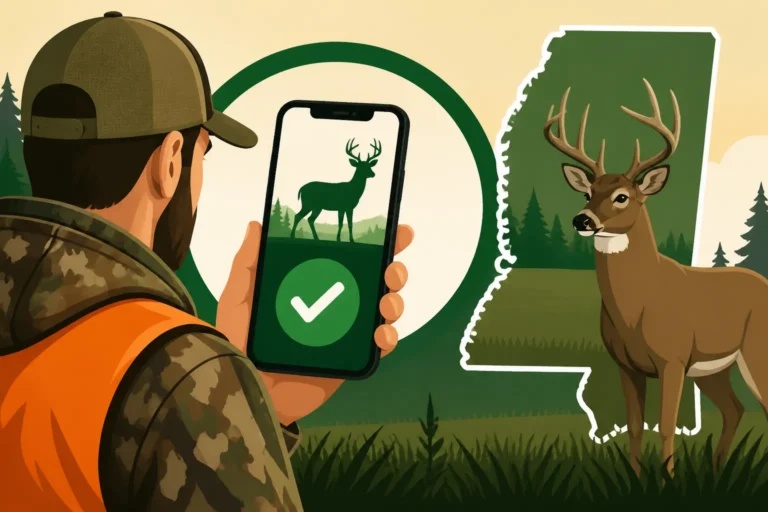
- Reporting Your Harvest: Regardless of CWD status, all deer harvested in Mississippi must be reported to the MDWFP. This can usually be done through their mobile app or online portal. This helps the state track harvest numbers and overall deer health. Make sure you understand the Mississippi Deer Reporting Requirements for your unit.
- Staying Informed: CWD rules can change, so it's vital to stay current. Before heading out, especially if you’re traveling to a new area, always check the latest MDWFP regulations. Services like GoHunt often integrate state regulations into their platforms, providing an additional layer of convenience for hunters.
Here’s a quick summary of carcass handling to illustrate the difference:
| Carcass Part | Transport from CWD Zone? | Notes |
|---|---|---|
| Deboned Meat | Yes | All meat must be off the bone. |
| Antlers/Skull Plate | Yes | Skull plate must be completely clean (no soft tissue). |
| Clean Skull (European) | Yes | No brain tissue present. |
| Hides | Yes | Head must be removed. |
| Upper Canine Teeth | Yes | Sometimes called "ivories" or "buglers." |
| Finished Taxidermy | Yes | Product must be completed by a taxidermist. |
| Whole Carcass | No | Must be processed within the CWD zone. |
| Full Head | No | Unless cleaned as specified above. |
| Spinal Column | No | High-risk part, must be left in zone. |
| Organs (Spleen, Lymph) | No | High-risk parts, must be left in zone. |
This table simplifies the rules, but remember, "clean" means absolutely no tissue. It's better to be overly thorough than to risk a fine or contribute to CWD spread.
The Consequences of Non-Compliance
It's easy to dismiss these rules as bureaucratic red tape, but violating CWD carcass movement regulations can have significant repercussions, both legally and for the future of our hunting opportunities in Mississippi.
Legal Penalties and Enforcement
MDWFP conservation officers are on patrol, and they take CWD regulations very seriously. If you're caught transporting prohibited deer parts out of a CWD zone, you could face:
- Fines: These can range from a few hundred dollars to substantial amounts, depending on the severity of the violation and state law.
- Confiscation of Harvest: Your deer carcass, and potentially even your hunting equipment, could be confiscated. Imagine losing that trophy buck or the freezer full of venison you worked so hard for.
- Loss of Hunting Privileges: Repeated or serious violations could lead to the suspension or revocation of your hunting license, meaning you could lose the ability to hunt in Mississippi for a period of time.
- Criminal Charges: In some extreme cases, violations could escalate to criminal charges, particularly if there's evidence of intentional disregard for the law.
These aren't empty threats. Officers are trained to identify violations, and they patrol known egress points from CWD zones. They're not trying to ruin your hunt, but they are trying to protect the state's natural resources. It’s a harsh reality, but ignorance of the law is rarely an acceptable excuse.
Broader Impact on Mississippi's Deer Herd and Hunting Future
Beyond personal penalties, failing to adhere to CWD regulations has a far wider, more detrimental impact.
- Accelerated CWD Spread: The primary concern is that improper carcass movement will directly contribute to the spread of CWD into new, unaffected areas. If a CWD-positive carcass is moved and then its parts are discarded in a new county, those prions can establish themselves, leading to new infection clusters. This makes the job of MDWFP, and all of us dedicated to conservation, exponentially harder.
- Reduced Deer Populations: An uncontrolled spread of CWD will inevitably lead to declining deer populations in affected areas. This isn't just an abstract concern; it means fewer deer for future generations to hunt, a diminished resource, and a less vibrant ecosystem.
- Increased Restrictions: If CWD continues to spread, it's highly likely that MDWFP will implement even more stringent regulations. This could mean larger CWD zones, longer mandatory testing periods, more restrictive bag limits, or even shorter seasons in affected areas. Nobody wants more restrictions, but they become necessary tools when the disease isn't contained.
- Economic Impact: Hunting is a huge economic driver in Mississippi, supporting local businesses, outfitters, and communities. A decline in deer populations or expanded CWD zones could hit these communities hard, affecting everything from hunting license sales to local diners and gas stations.
It truly is a collective effort. Every hunter, by understanding and following the rules, plays a vital role in preventing the spread of CWD. It’s not just about one hunt; it's about preserving our rich hunting tradition and the incredible natural heritage of Mississippi for years to come.
Planning Ahead for a Successful and Compliant Hunt
To avoid any issues, thorough planning is your best friend when hunting in or near a CWD zone. Just like you'd study the Mississippi Deer Season Structure Explained or look up specific unit dates like the Mississippi Delta Unit Archery Dates, you need to know your CWD rules.
Before you even step foot in the woods, especially if you're traveling, educate yourself on the current CWD zone boundaries. The MDWFP website and app are invaluable tools for this. Many mapping programs, including those offered by GoHunt, also include layers that show CWD management zones, allowing you to easily identify if your hunting area falls within one. This foresight is key.
Consider where you'll process your deer. Do you have access to a facility within the CWD zone? Or are you prepared to de-bone your entire animal in the field? Packing game bags, an extra sharp knife, and a cooler with plenty of ice should be part of your standard kit for CWD-affected areas. If you're thinking about Hunting the Rut in the Delta Unit where some CWD zones exist, knowing these regulations beforehand can save a lot of last-minute stress.
Finally, communicate with anyone you're hunting with. Make sure everyone understands the rules. This isn't just about your compliance; it's about ensuring the entire hunting party is operating responsibly. By staying informed and prepared, we can all contribute to protecting Mississippi's deer herd and ensuring our hunting traditions continue for generations.
Disclaimer
The information provided in this article is for general guidance and informational purposes only and does not constitute legal advice. Hunting regulations, including those pertaining to Chronic Wasting Disease (CWD) and carcass movement, can change frequently. Always consult the most current regulations published by the Mississippi Department of Wildlife, Fisheries, and Parks (MDWFP) or other relevant state agencies before engaging in any hunting activities. Failure to comply with regulations can result in penalties.