Mississippi’s Recovering Bobcat Population
It's easy to assume that the wild, untamed corners of Mississippi are shrinking, or that our more elusive wildlife might be struggling to hold on. For years, bobcats were often perceived as rare, almost ghost-like creatures, glimpsed only by the most dedicated woodsmen. But the truth is far more encouraging: Mississippi's bobcat population is not just holding its own, it's actually rebounding in many areas. This guide will take a deep dive into the fascinating world of these native wild cats, exploring their habitat, behavior, and what's contributing to their quiet but undeniable comeback.
Understanding Mississippi's Bobcats
These beautiful, secretive felines are a vital part of our state's natural heritage, playing an essential role in the ecosystem. Far from being exotic, bobcats are truly an integral part of the Mississippi landscape, even if many folks rarely get to see one in person.
Historical Presence and Past Perceptions
For generations, bobcats, or Lynx rufus, have roamed the forests, swamps, and fields of Mississippi. Historically, like many predators, they faced pressures from unregulated hunting and trapping, particularly during the fur trade boom of the last century. There was often a perception, fueled by misinformation and old wives' tales, that bobcats were purely varmints, a threat to livestock or game animals. This led to active eradication efforts in some areas, significantly impacting their numbers.
However, even through those tougher times, bobcats displayed incredible resilience. Their secretive nature and ability to adapt to fragmented habitats allowed pockets of populations to persist. They were rarely seen, leading many to believe they were even rarer than they actually were, contributing to their enigmatic status. It's a testament to their wild spirit that they managed to hang on while perceptions slowly began to shift.
Preferred Habitats Across the State
Bobcats are incredibly adaptable, making their home in a surprising variety of environments across Mississippi. While they thrive in dense forests, they're not solely deep-woods creatures. You’ll find them in hardwood forests, pine plantations, swampy bottomlands, and even in the scrub-brush fringes of agricultural fields. Their ideal habitat provides a combination of dense cover for stalking and resting, access to water, and a good supply of small prey.
In the southern parts of the state, they often favor the extensive piney woods, with their undergrowth offering excellent ambush cover. Up in the Delta, despite the vast agricultural landscape, they utilize the remaining river bottoms, sloughs, and thickets along ditch banks. These areas provide corridors for movement and pockets of cover that are essential for their survival. If you're Hunting the Piney Woods Region, you're very likely in prime bobcat territory, even if you don't realize it at the time.
Key Characteristics and Behavior
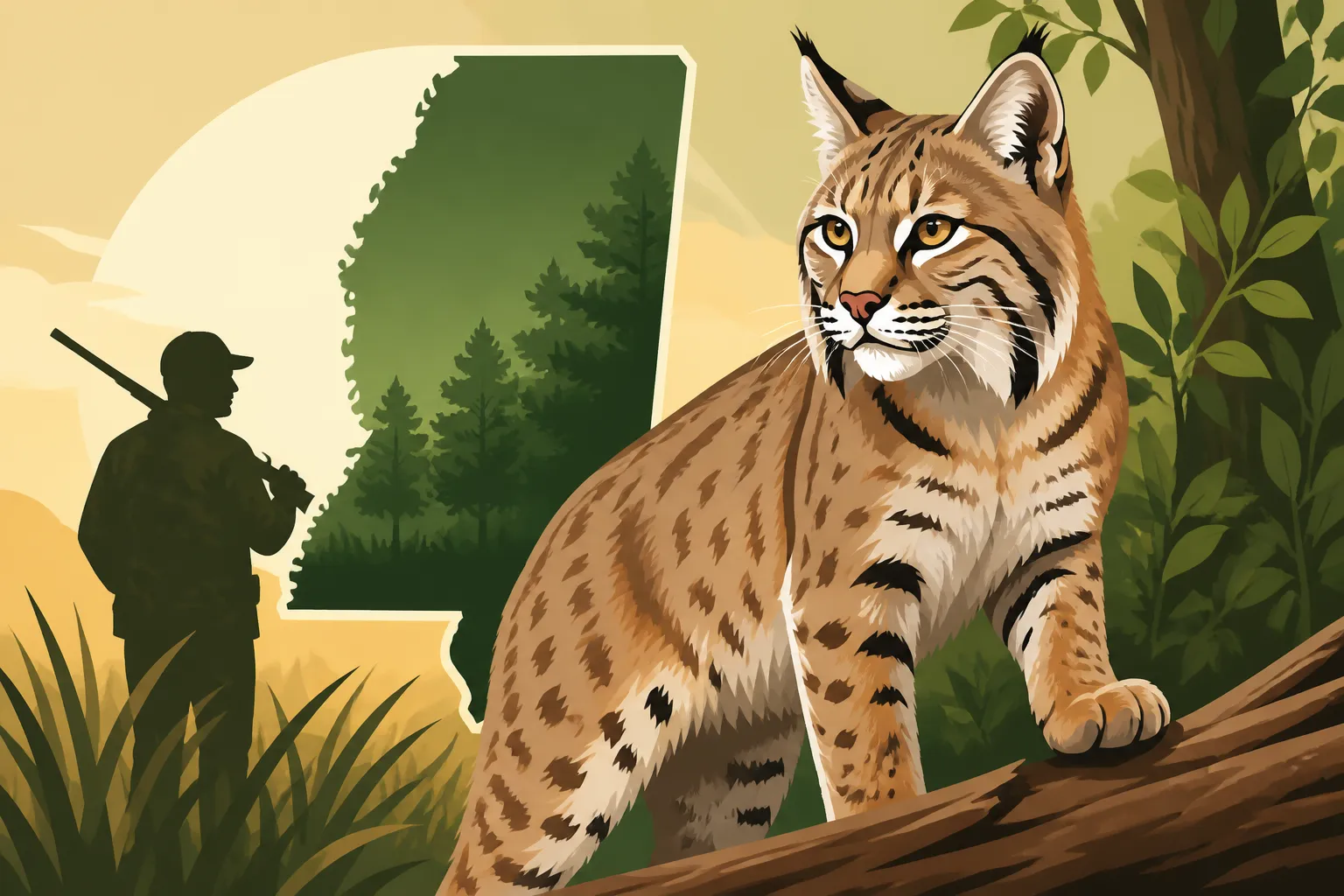
Bobcats are aptly named for their short, "bobbed" tail, usually only 4-7 inches long, tipped with black on top and white underneath. Their fur ranges from tawny brown to reddish-brown, often with distinctive black spots and streaks, providing excellent camouflage in dappled sunlight. They're smaller than a lynx, typically weighing between 15-30 pounds, with males generally larger than females. Their ears often feature small tufts, though not as prominent as their northern lynx cousins.
These cats are primarily nocturnal or crepuscular, meaning they are most active at dawn and dusk, which is another reason they're so rarely seen. They are solitary hunters, relying on their keen eyesight and hearing to stalk a wide array of prey. They are incredibly agile and stealthy, capable of sudden bursts of speed and impressive leaps when closing in on a meal.
The Journey of Recovery: What's Driving Their Comeback
The resurgence of Mississippi's bobcat population isn't accidental. It's a fascinating story intertwined with shifting land management practices, changes in human behavior, and the inherent resilience of the bobcat itself.
Habitat Restoration and Forest Management
One of the biggest factors in the bobcat's recovery has been the evolving approach to forestry and land management in Mississippi. In many areas, timber companies and private landowners are adopting more wildlife-friendly practices, such as selective logging, retaining more mast-producing trees, and creating diverse age classes of timber. This results in a mosaic of dense young growth (excellent cover) and mature forest (good denning sites and larger prey).
The establishment and improved management of many Mississippi Wildlife Management Areas (WMAs) and national forests have also provided critical protected habitats. These managed lands ensure that large tracts remain undeveloped, offering stable environments where bobcats can breed and thrive without constant disturbance. This focus on healthy forest ecosystems ultimately benefits a wide range of species, including our secretive bobcats.
Declining Fur Trade Impact
While the fur trade still exists on a smaller scale, the intense demand and prices that drove extensive bobcat trapping in decades past have significantly declined. This reduction in trapping pressure has allowed populations to stabilize and grow, particularly in areas where they were historically heavily pursued. State wildlife agencies, including the Mississippi Department of Wildlife, Fisheries, and Parks (MDWFP), have also implemented more conservative trapping regulations, including specific seasons and bag limits, to ensure sustainable harvesting practices.
This isn't to say that bobcats are entirely free from human-related mortality, but the systemic pressure from a large-scale commercial fur market is largely a thing of the past. This shift has given these wild cats the breathing room they needed to re-establish themselves in their ancestral ranges across the state.
Adaptability to Changing Landscapes
Bobcats are remarkably adaptable predators, a trait that has served them well in Mississippi's dynamic landscape. While they prefer wilder areas, they're not strictly wilderness-dependent. They've learned to thrive in fragmented habitats, utilizing small woodlots, creek bottoms, and even the edges of suburban developments as long as there's sufficient cover and prey.
They are opportunistic hunters, capable of adjusting their diet based on what's available. This flexibility means they can survive even when typical prey sources fluctuate. This adaptability allows them to colonize new areas or re-establish themselves quickly in places where conditions improve, leading to the rebound we're seeing today. When you're Scouting Mississippi Public Land Before Season, you might be surprised to find bobcat tracks even in areas that seem quite close to human activity.
Where Bobcats Roam Today in Mississippi
While present statewide, bobcat populations aren't uniformly distributed. Certain regions offer ideal conditions that lead to higher concentrations, while others provide less abundant but still viable habitats.
Concentration in Piney Woods and Hills Regions
The rolling hills of north and central Mississippi, along with the extensive pine forests of the state's southern half, represent some of the strongest bobcat strongholds. Areas like the Homochitto and Bienville National Forests, characterized by mixed pine and hardwood stands, offer abundant cover and a diverse prey base. The broken topography of the Hills Unit provides excellent ambush points and rugged terrain where bobcats can remain largely undisturbed.
These regions boast good populations of small mammals, rabbits, and ground-dwelling birds, which are staple prey for bobcats. The dense undergrowth, coupled with the varied terrain, creates a perfect environment for these agile predators to stalk and thrive. If you're hunting deer in the Hills Unit and using tools like GoHunt to scout aerial photos, pay close attention to thick creek bottoms and brushy areas; those are prime bobcat hideouts.
Delta Farmland and River Bottoms
While the Mississippi Delta is largely an agricultural landscape, it still supports a healthy bobcat population. These cats don't disappear just because there are corn and soybean fields; instead, they adapt. They primarily inhabit the remaining large tracts of bottomland hardwoods, river batture lands, and the dense fencerows and ditches that crisscross the farmland. These linear features act as travel corridors and provide crucial cover in an otherwise open environment.
Bobcats in the Delta often prey on rabbits, rodents, and even muskrats and nutria found in the wetlands. They utilize the same thickets and timber blocks that deer and wild turkeys use, making them an important part of the ecosystem even in this heavily altered landscape. Hunters exploring the Delta for Hunting Delta Unit Bottomland Deer should also be aware of the presence of these fascinating cats.
Signs of Bobcat Presence
Seeing a bobcat itself is a rare treat due to their secretive nature. However, signs of their presence are more common if you know what to look for. Tracks are a giveaway: they are typically round, lacking claw marks (as their claws are retractable), and slightly asymmetrical, usually about 1.5 to 2.5 inches across. Their scat often looks segmented, about 0.5 to 1 inch thick, and can contain fur, bone fragments, or feathers.
Other indicators include territorial scratch marks on trees, often on fallen logs or upright stumps, much like a house cat uses a scratching post, though much larger. You might also hear their distinctive calls, especially during breeding season, which can range from soft chirps to a more guttural scream. Using mapping software, like GoHunt, can help you identify ideal habitat features that are likely to hold bobcats, even if you never spot one directly.
Interactions with Other Wildlife and Hunters
Bobcats are an undeniable force in Mississippi's wildlife tapestry, playing a critical role as a medium-sized predator. Their presence influences other species and offers unique opportunities for observant hunters.
Role as a Predator in the Ecosystem
As efficient predators, bobcats help maintain the balance of the ecosystem. Their primary diet consists of small prey like rabbits, squirrels, mice, and voles. However, they are opportunistic and will also take larger game like fawns, young wild turkeys, and even adult deer if conditions are right or the deer are sick/injured. By preying on weaker or diseased animals, they contribute to the overall health and vigor of prey populations.
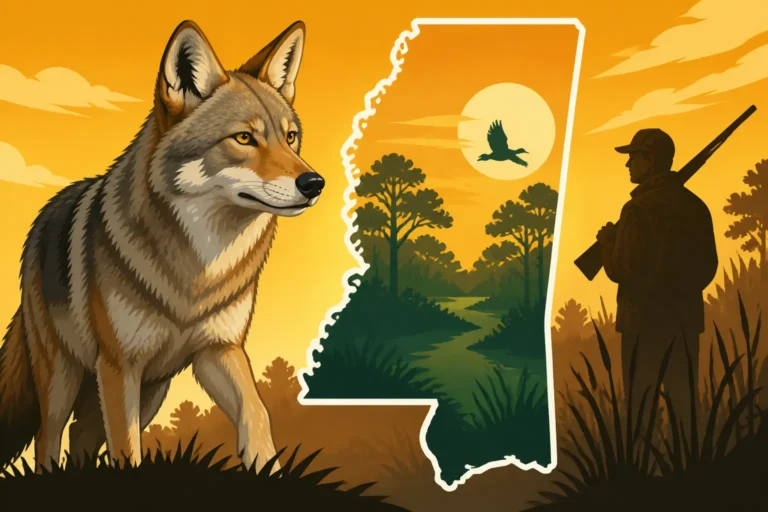
Their predatory role also extends to controlling populations of rodents and other small mammals that can cause agricultural damage or carry diseases. In a landscape where Coyotes and Predators in Mississippi are also abundant, bobcats carve out their niche, often preferring denser cover and sometimes even avoiding direct confrontation with larger coyotes.
Coexistence with Deer and Turkey
Many hunters worry that predators like bobcats significantly impact deer and turkey numbers. While bobcats certainly prey on fawns and turkey poults, particularly in the spring, their overall impact on a healthy, robust deer herd or turkey population is generally localized and not a major limiting factor statewide. Mississippi's Mississippi Deer Population Estimate remains strong, and wild turkey numbers are carefully monitored by MDWFP.
Bobcats are part of a natural predator-prey dynamic that has existed for millennia. A healthy habitat with good cover and diverse food sources supports both predator and prey. For example, a doe might choose a particularly thick bedding area to hide her fawns, instinctively knowing it offers better protection against various predators, including bobcats.
Hunting Regulations and Opportunities
In Mississippi, bobcats are classified as furbearers, and regulated hunting and trapping seasons are in place. Hunters and trappers play a role in wildlife management by helping to manage populations and by providing valuable data to MDWFP through harvest reporting. The season typically runs from early fall through late winter, coinciding with prime fur conditions.
For hunters, pursuing bobcats is a challenging and rewarding endeavor, often requiring specialized calling techniques. Some hunters combine bobcat hunting with other pursuits, especially during deer or Squirrel and Small Game Hunting in Mississippi seasons, as bobcats frequent similar habitats. Checking current MDWFP regulations for bag limits, season dates, and specific requirements is crucial before heading afield. A valid hunting license is always required, and sometimes additional permits or stamps are necessary depending on the species and method.
| Feature | Bobcat (Lynx rufus) | Coyote (Canis latrans) |
|---|---|---|
| Average Weight | 15-30 lbs | 20-50 lbs |
| Tail | Short, "bobbed" (4-7 inches), black tip on top | Bushy, long (12-16 inches), black tip |
| Coloration | Tawny brown to reddish-brown, spots/streaks | Grayish-brown, sometimes reddish-tinged |
| Track Shape | Round, no claw marks visible | Oval, claw marks usually visible |
| Activity | Primarily nocturnal/crepuscular | Nocturnal, crepuscular, occasionally diurnal |
| Social Structure | Solitary | Social, often hunt in pairs or packs |
| Primary Diet | Rabbits, rodents, small birds | Rodents, rabbits, deer, carrion |
| Preferred Habitat | Dense cover, mixed forests, swamps | Highly adaptable, open fields, forests, suburban |
Challenges and Future Outlook
While Mississippi's bobcat population is indeed in a good place, they still face challenges. Understanding these issues helps us appreciate the ongoing efforts needed to ensure their continued presence in our wild spaces.
Road Mortality and Human Encounters
As human development expands and traffic volume increases across the state, road mortality remains a significant challenge for bobcats. These animals often cross roads as they move between hunting grounds, den sites, or to seek mates. Their nocturnal habits can make them particularly vulnerable to vehicle collisions.
Moreover, as bobcats become more numerous and sometimes venture into areas closer to human habitation, occasional conflicts can arise. While bobcats are generally shy and avoid people, they might prey on outdoor cats or chickens if easy opportunities arise. Educating the public about coexisting with wildlife and encouraging responsible pet ownership (keeping pets indoors at night) are important steps to minimize these negative interactions.
Disease and Competition with Coyotes
Like all wildlife populations, bobcats are susceptible to diseases such as rabies, distemper, and feline leukemia. Outbreaks of these diseases can sometimes cause localized population declines, although widespread, devastating epidemics are rare. MDWFP constantly monitors wildlife health to identify and respond to potential threats.
Another factor is competition with other predators, particularly coyotes. While bobcats and coyotes often coexist, coyotes are larger and more aggressive, and can outcompete bobcats for food resources or even kill them, especially young bobcats. As Mississippi Coyote Range and Density has expanded, bobcats have learned to adapt, often utilizing denser cover where coyotes are less effective hunters.
Ongoing Monitoring and Conservation Efforts
The MDWFP, along with various conservation organizations and academic institutions, continuously monitors bobcat populations through various methods. This includes track surveys, trail camera studies, and analyzing harvest data from hunting and trapping seasons. This data is crucial for understanding population trends, health, and distribution, allowing wildlife managers to make informed decisions about seasons and regulations.
Continued habitat conservation, especially protecting and restoring bottomland hardwoods, diverse forest ecosystems, and critical wetland areas, is vital for bobcats and the entire wildlife community. Education efforts also play a key role in fostering appreciation for these native predators and dispelling old myths. By staying informed and supporting sound wildlife management, we can all contribute to the long-term health of Mississippi's recovering bobcat population.
Disclaimer
The information provided in this guide is for general informational purposes only and is not intended as legal advice or a substitute for official regulations. Hunting and trapping laws and regulations in Mississippi are subject to change. Always consult the most current Mississippi Department of Wildlife, Fisheries, and Parks (MDWFP) official regulations and publications before participating in any hunting or trapping activities. It is your responsibility to know and abide by all applicable laws.