Mississippi Mallard and Wood Duck Numbers
Anyone who spends time in a blind or wade-fishing in the flooded timber of Mississippi has probably wondered about the sheer numbers of ducks that make their way through our state each year. It's a natural curiosity, especially when you have a slow morning or, conversely, one of those incredible days when the sky is thick with wings. This guide dives deep into the populations of two of Mississippi's most cherished waterfowl: the mallard and the wood duck, exploring what drives their numbers and how it impacts our hunting heritage.
Understanding Mallard Populations in Mississippi
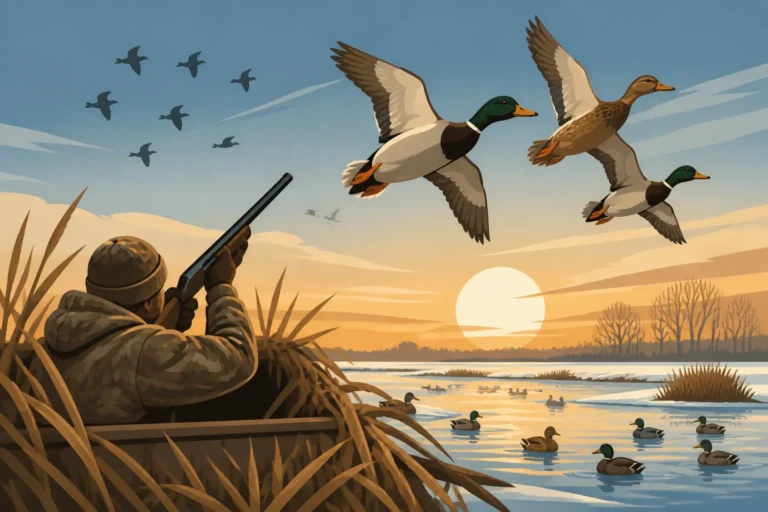
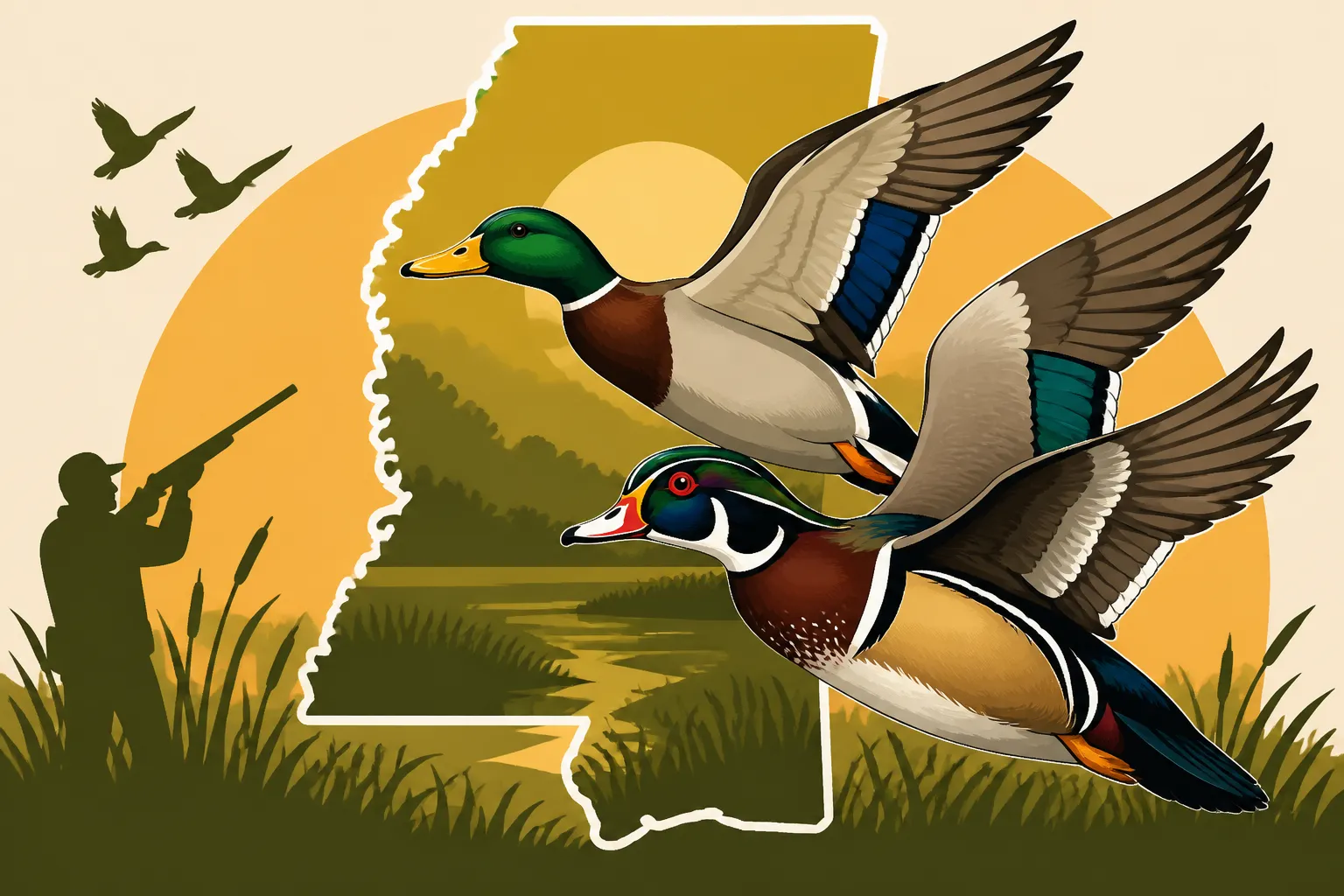
Mallards, with their iconic green heads and unmistakable quack, are arguably the most sought-after duck in Mississippi, and indeed, across North America. Our state plays a crucial role in their annual migration, especially for birds using the mighty Mississippi Flyway. The sheer volume of mallards that can descend upon our flooded fields and timber is something to behold, but their numbers are a complex dance influenced by distant breeding grounds and local conditions alike.
The Delta's Role as a Wintering Haven
The Mississippi Delta is practically synonymous with wintering mallards. It’s a landscape tailor-made for these birds, offering vast expanses of agricultural fields—especially rice and corn stubble—interspersed with bottomland hardwood forests that become Flooded Timber Guide Services when winter rains arrive. This unique combination provides an incredible smorgasbord of high-energy food sources and protected roosting and loafing areas. Mallards arriving from the prairies and Great Lakes regions are drawn here by the promise of abundant food and relatively mild winter temperatures, making the Delta a critical stopover and wintering ground. It's a place where you can witness thousands of ducks trading between feeding areas and sanctuaries, a truly humbling spectacle for any hunter. The quality and extent of this habitat directly correlate with how many ducks we see throughout the season.
Factors Influencing Mallard Abundance
The number of mallards we see in Mississippi isn't just about what's happening here; it's heavily influenced by conditions far to the north. Successful breeding seasons in the prairie pothole region of the Dakotas, Canada, and the upper Midwest are the primary drivers of the overall mallard population. When those areas receive ample rainfall and have good nesting cover, we tend to see strong hatches and, consequently, more birds flying south to us. Conversely, drought years up north can significantly depress their numbers. Beyond that, the timing and severity of cold fronts play a huge role in Duck Migration Timing Through Mississippi. A series of early, hard freezes up north can push a significant percentage of the flyway's mallards down to us relatively quickly, while a mild winter can mean birds linger further north, resulting in fewer ducks in our typical hotspots for longer periods.
Of course, human activity and landscape changes also weigh in. The continued drainage of wetlands, conversion of habitat, and changes in agricultural practices can all shift where and how many mallards choose to winter. Conservation efforts, like those supported by the purchase of a Mississippi Federal Duck Stamp Requirement, directly fund habitat protection and restoration, which are absolutely vital for maintaining these populations. Tools like GoHunt can help hunters analyze historical harvest data or waterfowl survey reports to get a better sense of population trends, though it’s always important to remember that local conditions on any given day can paint a very different picture.
Mallard Harvest Trends and Conservation
Looking at the harvest reports year over year for Mississippi Duck Harvest Numbers provides a snapshot of mallard numbers and hunter success. While these numbers can fluctuate, they also reflect management strategies aimed at sustaining the population. Bag limits, like the Mississippi Duck Daily Bag Limit, are set based on population estimates from breeding ground surveys to ensure that hunting pressure remains sustainable. It’s a balancing act: providing hunting opportunities while safeguarding the future of the resource.
Conservation organizations, state agencies, and dedicated hunters contribute immensely through habitat work, data collection, and financial support. Programs that encourage farmers to leave standing grain or flood fields after harvest, for instance, create crucial feeding opportunities for mallards during their grueling migration. Without these concerted efforts, and the constant vigilance over breeding and wintering habitat, the mallard numbers we cherish would undoubtedly face much greater challenges. Every hunter who buys a license or a duck stamp is contributing directly to these vital programs, ensuring the future of what many consider the ultimate waterfowl prize.
Delving into Mississippi's Wood Duck Numbers
While mallards often steal the show with their big flocks and boisterous calls, the wood duck is undeniably Mississippi's jewel. These stunningly beautiful birds are unique in their preferences and contribute a distinct charm to our state's wetlands and bottomlands. Unlike the predominantly migratory mallard, wood ducks have a strong resident population here, making them a consistent presence in many areas, even before the big push of winter birds arrives.
Resident Breeders and Migratory Additions
One of the most fascinating aspects of wood duck populations in Mississippi is their robust resident breeding segment. Long after the mallards have moved north, "woodies" are nesting in tree cavities and artificial nest boxes throughout our wooded swamps, creek bottoms, and beaver ponds. This strong local population means that even in years with weaker migrations, Mississippi hunters often still have opportunities to pursue wood ducks. We get to watch their broods grow from fuzzy ducklings into flight-ready birds right in our backyards, so to speak.
As fall progresses, our resident population is augmented by migratory wood ducks pushing down the Mississippi Flyway. These birds add to the existing numbers, often congregating in favorable spots, offering some incredible hunting as the season progresses. The blend of local and migratory birds makes wood duck hunting in Mississippi a unique experience, less reliant on a strong northern cold front than mallard hunting, but still benefiting from those pushes of new birds.
Preferred Habitats and Local Dynamics
Wood ducks are creatures of the timber and dense cover. They thrive in flooded forests, cypress and tupelo brakes, winding creek bottoms, and brushy beaver ponds – essentially any wetland with mature trees offering nesting cavities. They're often found in much smaller, more secluded pockets of water than mallards, making Hunting Flooded Timber for Wood Ducks a very different affair than hunting a wide-open field. These birds are masters of navigating dense woods, flying with incredible agility through the canopy.
Local conditions, such as water levels and the availability of mast crops like acorns, greatly influence where wood ducks concentrate. In a year with abundant acorns, they might be found deeper in the woods, foraging among the oaks. In other years, they might stick closer to permanent water sources. Their numbers are generally strong, a testament to effective conservation and their adaptability to varied wooded wetland habitats. Tools like GoHunt can assist hunters in researching historical patterns of duck distribution on certain WMAs or public lands, offering insights into where woodies might concentrate based on habitat types.
Wood Duck Management and Success Stories
The comeback of the wood duck is truly one of North America's greatest conservation success stories. Once thought to be on the brink, intelligent management, protection of their unique habitats, and widespread efforts to provide artificial nesting sites have helped their numbers rebound dramatically. In Mississippi, this success is evident in the healthy populations we enjoy today. The state's consistent habitat management, particularly in public lands and private conservation easements, ensures that these cavity-nesting birds have the resources they need to thrive.
Hunters play a crucial role, not just through license and stamp purchases, but also through participating in banding programs and respecting bag limits. Understanding the life cycle and habitat needs of wood ducks helps all of us appreciate their contribution to Mississippi's waterfowl diversity. Seeing a flock of woodies pitch through the timber, their colors flashing in the morning sun, is a memory that sticks with you long after the season ends.
The Interplay of Habitat, Weather, and Hunter Impact
The health and abundance of both mallards and wood ducks in Mississippi are deeply intertwined with a complex web of environmental factors. It's never as simple as "more water equals more ducks" or "cold weather equals more ducks," though those certainly play significant roles. Understanding these dynamics helps hunters make more informed decisions and appreciate the broader ecological picture.
Water Levels and Food Availability
For any waterfowl, water is life, but where and how much water is available is critical. For mallards, expansive sheet water over agricultural fields or in Greentree Reservoirs for Mallards is ideal for foraging on waste grain and invertebrates. If water levels are too low, these prime feeding grounds remain dry, pushing birds elsewhere or further south. Conversely, excessively high water can disperse ducks too widely, making them harder to concentrate.
Wood ducks, while also needing water, often prefer specific depths and cover. Shallow, timbered sloughs, and dense vegetation along creek banks provide both food (aquatic insects, seeds, acorns) and cover. Fluctuations in river levels, especially in the Delta's bottomlands, can dramatically alter their accessibility to preferred foraging areas. A long, dry fall followed by sudden, heavy winter rains can create entirely new habitat overnight, shifting duck patterns. Understanding these micro-habitat changes, sometimes with the help of mapping tools like GoHunt, is key to finding consistent success.
Migration Patterns and Cold Fronts
Mississippi sits squarely in the heart of the Mississippi Flyway, a superhighway for migratory birds. The timing and intensity of cold fronts significantly dictate when and how many ducks arrive. Early, severe cold snaps up north can trigger mass movements, sending waves of mallards, gadwall, teal, and other species flooding into our state. A mild autumn, however, might mean birds linger in northern states, only trickling into Mississippi slowly, creating frustratingly inconsistent hunting, especially in the earlier splits of the season.
The duration of these cold spells is also important. A quick freeze that melts quickly won't hold birds as long as persistent, bitter cold that locks up water bodies further north. This natural rhythm of freeze-ups and thaws creates the dynamic, ever-changing nature of Waterfowl Hunting the Mississippi Delta. Hunters often pay close attention to weather forecasts hundreds of miles away, knowing that a blizzard in Iowa could mean an influx of new birds in Mississippi a few days later.
Hunter Pressure and Conservation Efforts
The sheer popularity of duck hunting in Mississippi means that hunter pressure is a significant factor, particularly on easily accessible public lands and popular private leases. Ducks are smart; they quickly learn where they are safe and where they are not. Heavily pressured birds become wary, flying higher, landing less, and often retreating to large, unhunted refuges during the day. This is why tactics such as Layout Blind Hunting Delta Farm Fields or Hunting Flooded Timber for Wood Ducks often involve careful concealment and well-placed decoys.
Conservation efforts are vital to offset these pressures and ensure sustainable populations. This includes habitat restoration, establishing rest areas, managing water levels on public lands like Wildlife Management Areas (WMAs), and enforcing sensible bag limits. Every hunter who respects these regulations and participates in conservation initiatives, whether directly through volunteering or indirectly through license purchases, contributes to the health of the resource. Without these efforts, the numbers we see today could quickly dwindle, impacting not only hunting opportunities but the entire ecosystem.
Implications for Mississippi Duck Hunters
Understanding the population dynamics of mallards and wood ducks isn't just academic; it has direct, practical implications for how and where we hunt in Mississippi. The ebb and flow of these birds challenge hunters to adapt, scout smarter, and appreciate the larger picture of waterfowl conservation.
Adapting to Fluctuating Numbers
One year, the Delta might be absolutely crawling with mallards; the next, a mild winter up north or drought in the breeding grounds could mean fewer birds making it to our state, or they arrive later than usual. A successful duck hunter in Mississippi learns quickly that flexibility is key. This might mean adjusting your expectations, being prepared to move to different hunting spots, or even changing your primary target species. If mallard numbers are down, for instance, you might focus more on the ever-present wood ducks in tighter timber or explore new areas for gadwall or teal.
Adapting also means recognizing that even in a "down" year statewide, local pockets of ducks can still exist. A good cold front might push birds into a specific refuge, or unique water conditions on a particular WMA could hold more birds than the surrounding areas. The hunter who can read the conditions, rather than sticking to one tried-and-true spot regardless of the circumstances, often finds more consistent success.
The Importance of Scouting and Information
In a state like Mississippi, especially with its diverse waterfowl habitats, effective scouting is paramount. You can't just show up on opening day and expect birds to be everywhere. For mallards, this means driving rural roads to observe field usage, checking water levels in flooded timber, and listening for roosting birds at dawn and dusk. For wood ducks, it involves walking creek bottoms, paddling through beaver ponds, and looking for fresh sign around wooded swamps.
Modern tools, including satellite imagery from apps, can give you a powerful leg up in identifying potential hotspots even before you step foot on the ground. Beyond that, staying informed through state wildlife reports, local hunting forums, and even just talking to fellow hunters (take everything with a grain of salt, of course!) can provide valuable real-time intelligence. Knowing Where Delta National Forest Bucks Bed might not directly help with ducks, but understanding the terrain with a good scouting tool is universally beneficial. The more information you gather, the better your chances of being in the right place at the right time when the birds decide to move.
Contributing to Conservation Through Hunter Dollars
Every time you buy a Mississippi hunting license, a federal duck stamp, or obtain your Mississippi HIP Certification for Bird Hunters, you are directly contributing financially to waterfowl conservation. These funds are critical for habitat acquisition, restoration projects, research, and enforcement that benefit not only mallards and wood ducks but a host of other wildlife species. It's a system where hunters' passion directly fuels the health and future of the game they pursue.
Beyond the financial contribution, ethical hunting practices are a form of conservation. This includes accurate shooting to minimize crippling losses, retrieving every bird, respecting bag limits, and abiding by all regulations. By being responsible stewards of the resource, hunters help maintain healthy populations and ensure that future generations can experience the thrill of a mallard decoying into a flooded hole or a wood duck whistling through the cypress trees. It’s a legacy worth preserving.
| Characteristic | Mallard | Wood Duck |
|---|---|---|
| Primary Habitat | Flooded agricultural fields, large open water, wide flooded timber | Wooded swamps, beaver ponds, creek bottoms, smaller flooded timber |
| Nesting | Ground nesters, often in dense grasses in prairies/farm fields | Cavity nesters, tree hollows, artificial boxes |
| Migration | Strong migratory, primarily from northern breeding grounds | Strong resident population, augmented by northern migrants |
| Diet | Waste grain, seeds, aquatic vegetation, invertebrates | Acorns, seeds, aquatic insects, berries |
| Typical Flight | Often high and open, especially when migrating | Agile, weaves through dense timber, often low over water |
| Size | Larger puddle duck | Medium-sized puddle duck |
Disclaimer
This article is for general informational purposes only and does not constitute professional advice. Laws, prices and regulations vary by location and change over time. Consult a qualified professional for guidance on your specific situation.