Which Mississippi Counties Have the Most Hogs
It's no secret that feral hogs are a massive problem across Mississippi, causing millions in agricultural damage and wreaking havoc on natural habitats. If you're a hunter looking to contribute to population control or simply want to find a challenging hunt, knowing which areas are most heavily impacted by these destructive animals is key. This guide will dive deep into identifying the Mississippi counties with the most hogs, helping you pinpoint the best locations to focus your efforts.
The Relentless March: Understanding Mississippi's Feral Hog Epidemic
Before we can pinpoint the counties teeming with hogs, it’s crucial to understand why these animals are such a widespread issue in our state. They're not just a nuisance; they're an ecological and agricultural menace that seems to be everywhere you turn, especially in certain hotspots.
Why Hogs are Such a Challenge in Mississippi
Feral hogs are a true force of nature, and unfortunately, not in a good way. Their prolific breeding is legendary; sows can breed at six months old and have multiple litters of four to twelve piglets a year. This means populations can explode in a very short amount of time, making it incredibly difficult to keep their numbers in check. Once they establish themselves, they are extremely adaptable, thriving in a variety of habitats from dense river bottomlands to pine plantations and agricultural fields. They’ll eat almost anything, too, from acorns and roots to crops and even small animals, further enabling their rapid expansion.
The damage they cause is staggering. Their constant rooting behavior, where they plow up the soil with their snouts in search of food, destroys vast tracts of agricultural land, timber stands, and sensitive wetland ecosystems. This rooting not only devastates crops but also degrades soil quality, damages tree roots, and can even compromise infrastructure like levees and roads. Beyond rooting, they carry diseases that can affect livestock, wildlife, and even humans, adding another layer of concern for landowners and wildlife managers. We've often discussed the devastating impact these animals have; it's a constant struggle for those living and working the land. For a deeper dive into their reproductive capabilities, check out our post on Why Delta Hogs Reproduce So Fast.
How Hog Populations Are Tracked And Estimated
Counting feral hogs is a bit like trying to count raindrops in a thunderstorm – it's incredibly difficult to get a precise, real-time figure. Unlike deer or turkey populations, which are estimated through various survey methods, bag limits, and hunter reporting, hogs aren't subject to the same regulatory framework because they are classified as a nuisance species. This means there's no official "season" or bag limit for them on private land, making traditional harvest data less useful for population estimates.
Instead, wildlife agencies and researchers rely on a combination of indirect indicators. Landowner damage reports are a huge factor; when farmers consistently report crop destruction or damage to fields, it's a strong sign of a local hog problem. Aerial surveys, though expensive and often challenging in dense cover, can sometimes provide visual estimates of larger sounders. Furthermore, the sheer volume of hunter effort and anecdotal reports from trappers and hunters give a strong sense of where the concentrations are highest. While there aren't exact census numbers for each county, the consistent reports of high activity and significant damage point to undeniable hotspots across the state. We often talk about How Many Feral Hogs Mississippi Has as a state-wide challenge.
The Top Counties: Where Mississippi's Hogs Reign Supreme
While you can find feral hogs in all 82 counties of Mississippi, certain regions and specific counties consistently stand out as having the most concentrated populations and the most significant problems. These areas often share common characteristics that make them ideal hog habitat.
The Mississippi Delta: A Feral Hog Stronghold
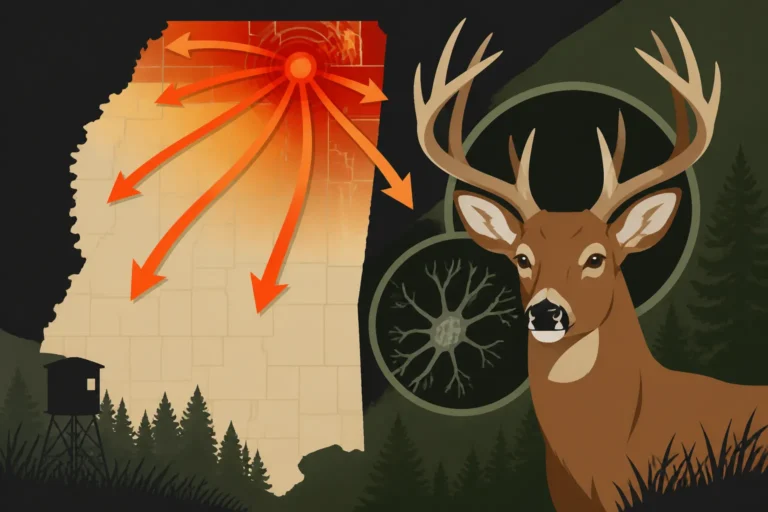
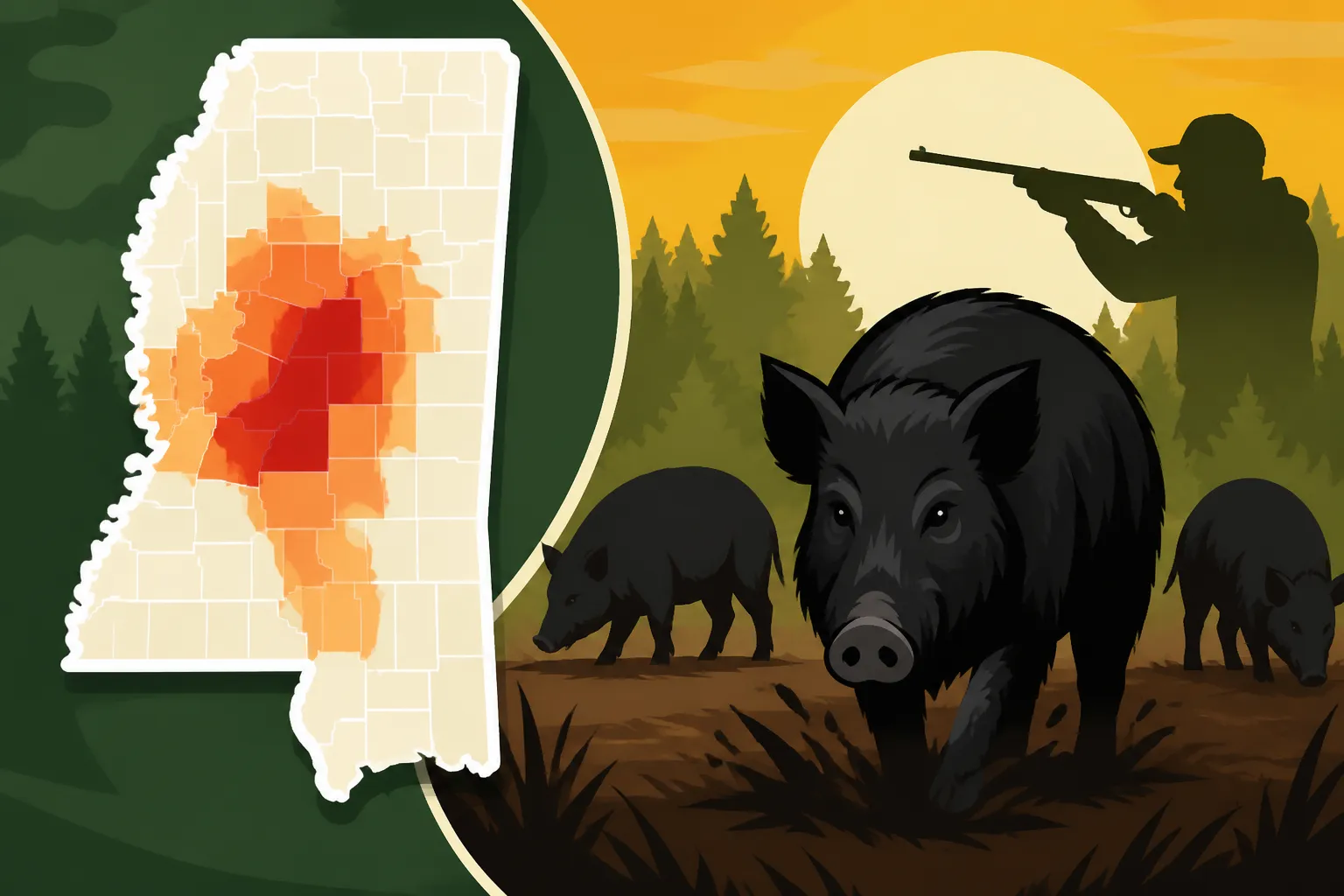
Without a doubt, the Mississippi Delta stands as the undisputed champion of feral hog populations in our state. This region, characterized by its incredibly rich agricultural land, dense bottomland hardwoods, and an abundance of water sources, creates the perfect storm for hogs to thrive. The vast expanses of corn, soybeans, and rice offer an endless buffet, providing both food and cover. The numerous sloughs, bayous, and oxbow lakes provide water for drinking and wallowing, especially during hot Mississippi summers.
Counties like Yazoo, Humphreys, Sunflower, Washington, Bolivar, Sharkey, and Issaquena are frequently cited by farmers and hunters alike as experiencing extreme hog pressure. These counties are predominantly agricultural with significant remnants of wild, untamed bottomland habitat, creating a perfect blend of food and refuge. You'll drive through fields here and see entire sections rooted up overnight, evidence of the sheer numbers and destructive capabilities of these animals. In these areas, hog hunting isn't just a sport; it's often a necessary form of pest control, and sometimes the only thing standing between a farmer and a ruined harvest. When scouting public lands in these counties, using mapping tools like GoHunt can be invaluable for identifying the dense cover and water sources that attract hogs. For an idea of the economic toll, our article on Crop Damage Costs From Mississippi Hogs outlines the severity of this issue.
Piney Woods and River Bottoms: Expanding Territories
While the Delta may hold the title for the densest populations, the Piney Woods region and the extensive river bottom systems throughout the state also support significant and growing numbers of feral hogs. Hogs are excellent travelers, often using river corridors as natural highways to expand their territories. The floodplains along major rivers like the Pearl River, Big Black River, and Pascagoula River provide dense cover, consistent water, and nutrient-rich soils that support various food sources.
Counties such as Pearl River, Marion, Lamar, Forrest, Greene, and George in the southern and southeastern parts of the state have seen a substantial increase in hog activity. Here, the landscape transitions from vast agricultural fields to a mix of managed pine plantations, hardwood drains, and swampy bottoms. Hogs find ample cover in the thick undergrowth of piney woods, especially in areas with recent clear-cuts or dense replanting. The agricultural fields scattered within these regions, though perhaps smaller than those in the Delta, still provide attractive food sources, drawing hogs out of the deeper woods. Similarly, counties like Copiah and Lawrence in the central part of the state, particularly those adjacent to larger river systems, also report high hog numbers. These areas demonstrate that hogs aren't limited to one type of habitat, but rather thrive wherever food, water, and cover are readily available.
Spotting the Signs: Beyond County Lines
Knowing which counties are hotspots is a great starting point, but hogs are mobile, and their presence isn't confined by invisible lines on a map. What matters most is learning to read the landscape for the undeniable signs of hog activity, no matter where you are in Mississippi. If you can identify these clues, you'll be one step closer to finding them.
The most obvious sign of feral hogs is rooting. This is where they use their powerful snouts to dig up the ground, turning over soil, turf, and forest litter in search of roots, tubers, grubs, and other edibles. The rooted areas can range from small disturbed patches to acres of churned-up earth, making it look like a tiller has gone through the woods or field. You'll also often find wallows, which are muddy depressions where hogs roll around to cool off and rid themselves of parasites. These wallows are typically found near water sources or in low-lying, damp areas. Look for hair rubbed off on nearby trees or stumps, especially around chest height for a hog.
Another key indicator is tracks. Hog tracks are distinctive, featuring two prominent hooves with often visible dewclaws behind them, especially in soft mud. They tend to be more rounded and blunt than deer tracks. You'll also find droppings, which vary widely depending on their diet but are typically dark, pellet-like, and often found in piles. Beyond these physical signs, pay attention to damaged crops, chewed-on tree bark, and disturbed game trails. Often, you'll notice well-used "hog trails" that are wider and more heavily impacted than typical deer trails, especially leading to and from food sources or water. Even when using a sophisticated app like GoHunt to scout aerial maps, always be on the lookout for these ground-level indicators once you're in the field.
Hunting Strategies for High-Population Counties
Hunting feral hogs in Mississippi's high-population counties isn't just about fun; it's often a crucial conservation effort. With their destructive nature, every hog removed from the landscape helps protect our native wildlife and agricultural resources. So, if you're venturing into these hog-heavy areas, having a solid strategy is essential.
Best Practices for Hunting Hogs in These Areas
The good news is that Mississippi has very liberal regulations for feral hog hunting; they can be hunted year-round on private land, often without limit. This year-round opportunity means you don't have to wait for deer or turkey season to get out there. The key is to be adaptable and persistent.
One of the most effective methods, particularly in areas with dense cover and predictable food sources, is still-hunting or spot-and-stalk. This involves moving slowly and quietly through the woods, paying close attention to fresh sign and wind direction. Hogs have an incredible sense of smell, so playing the wind is paramount. Stand hunting over bait is another incredibly popular and effective method. Setting up a feeder or simply scattering corn or other attractants can draw hogs into a specific area, making them more predictable. Remember to check local regulations for baiting on public land, as rules vary. In many areas, especially on private land, night hunting with lights is permitted and highly effective, particularly when hogs are nocturnal to avoid pressure. This often requires specialized equipment like thermal scopes or night vision, combined with powerful spotlights. Finally, for those who enjoy the thrill and have the proper equipment, running dogs on Mississippi feral hogs is a traditional and highly efficient way to locate and dispatch sounders in thick cover. Each of these methods requires specific gear and tactics, and understanding the local terrain, perhaps with the aid of a tool like GoHunt, will greatly increase your success. Our comprehensive guide on Hunting Mississippi's Year-Round Feral Hogs delves into these tactics in much greater detail.
Leveraging Technology and Local Knowledge
In the modern hunting landscape, technology can be your best friend, especially when tackling a pervasive problem like feral hogs. Tools like GoHunt are absolute game-changers for identifying potential hog hotspots. You can use its satellite imagery to pick out dense cover, creek bottoms, drainages, and field edges that hogs frequent. The property line layers are invaluable for ensuring you're hunting legally and for understanding access points, especially around large agricultural tracts. You can also mark areas of fresh sign, potential bait sites, or travel corridors as waypoints, helping you build a detailed picture of hog movement patterns over time.
Beyond technology, never underestimate the power of local knowledge. Talk to farmers, landowners, and other hunters in the area. They are often the first to know where hogs are causing trouble and can provide invaluable insights into their movement patterns and preferred bedding or feeding areas. Many farmers are desperate for help with hog control and might be willing to grant access to diligent, respectful hunters. Additionally, deploying trail cameras is an excellent way to monitor activity. Place them on trails leading to food sources, water, or wallows. This will tell you not only if hogs are present but also when they are most active, allowing you to tailor your hunting times for maximum effectiveness.
Responsible Hog Management and Hunter Ethics
Hunting feral hogs isn't just about bagging an animal; it's a critical component of wildlife management and agricultural protection in Mississippi. As hunters, we play a vital role in controlling these destructive invasive species, and doing so responsibly is paramount.
When hunting hogs, always prioritize safety – both for yourself and others. Be absolutely certain of your target and what lies beyond it. Ethical shooting is also crucial; aim for a quick, humane kill. While hogs can be tough, proper shot placement is key to minimizing suffering and ensuring recovery. After the shot, responsible carcass disposal is incredibly important. Hogs can carry diseases like brucellosis and pseudorabies, which can infect other wildlife, livestock, and even humans. Do not leave carcasses in waterways or in areas where scavengers might spread disease. Bury them deeply or take them to an approved disposal site where available. Always refer to Mississippi Feral Hog Regulations for the most up-to-date information on legal methods and disposal requirements, especially regarding moving carcasses if you’re in a CWD zone. By adhering to these ethical guidelines, we not only represent the hunting community in a positive light but also actively contribute to the health and sustainability of Mississippi's ecosystems.
Table: Key Indicators of High Feral Hog Activity by Habitat Type
| Habitat Type | Primary Hog Attractors | Key Signs to Look For | Recommended Scouting Tools |
|---|---|---|---|
| Mississippi Delta Agriculture | Vast crop fields (corn, soybeans, rice), irrigation canals, dense sloughs, bottomland timber | Extensive rooting in fields, wallows near water, clear trails to and from fields, damaged crops | GoHunt, aerial maps, landowner reports, trail cameras |
| River Bottoms & Floodplains | Abundant water, dense cover, diverse mast crops (acorns), proximity to agriculture | Wallows, fresh tracks in mud, rubbed trees, concentrated rooting, well-used trails along waterways | GoHunt, topographical maps, local intel, thermal imaging |
| Piney Woods/Mixed Forests | Thick pine plantations, hardwood drains, clear-cuts, scattered food plots, natural springs | Rooting in soft soil, scattered droppings, damage to young trees, distinct trails through dense thickets | GoHunt, timber harvest maps, observation from high points |
| Swamp & Marsh Areas | Consistent water, dense impenetrable cover, aquatic vegetation, less human disturbance | Wallows, muddy trails, tracks along edges, disturbed reeds/vegetation, rubs on cypress trees | GoHunt (for access points), boat/kayak, night vision, local knowledge |
While hogs are undeniably a problem across our beautiful state, understanding which counties bear the brunt of their presence and how to effectively hunt them is a powerful step. Whether you're targeting the Delta's agricultural giants or the river bottoms of the Piney Woods, armed with knowledge and the right tools, you can make a real difference. Get out there, be safe, and help us manage these challenging animals!
Disclaimer
This article is for general informational purposes only and does not constitute professional advice. Laws, prices and regulations vary by location and change over time. Consult a qualified professional for guidance on your specific situation.