Crop Damage Costs From Mississippi Hogs
If you're a farmer or landowner in Mississippi, you know the crushing frustration of walking your fields, only to find vast swathes of crops torn up, rooted through, or flattened. Feral hogs are more than just a nuisance; they are an economic wrecking ball, directly impacting your livelihood and the profitability of your land. This guide dives deep into the true crop damage costs these invasive animals inflict across Mississippi and explores why this problem feels so relentless.
The Unseen Harvest: How Feral Hogs Devastate Mississippi Crops
Feral hogs aren't just nibbling around the edges; they're capable of wiping out entire sections of a crop in a single night. It's a devastating sight to witness your hard work literally uprooted, and for many, it feels like fighting an invisible enemy that multiplies faster than you can manage. These animals are incredibly destructive, and their impact goes far beyond simply eating a few kernels of corn.
Rooting, Trampling, and Consumption: The Triple Threat
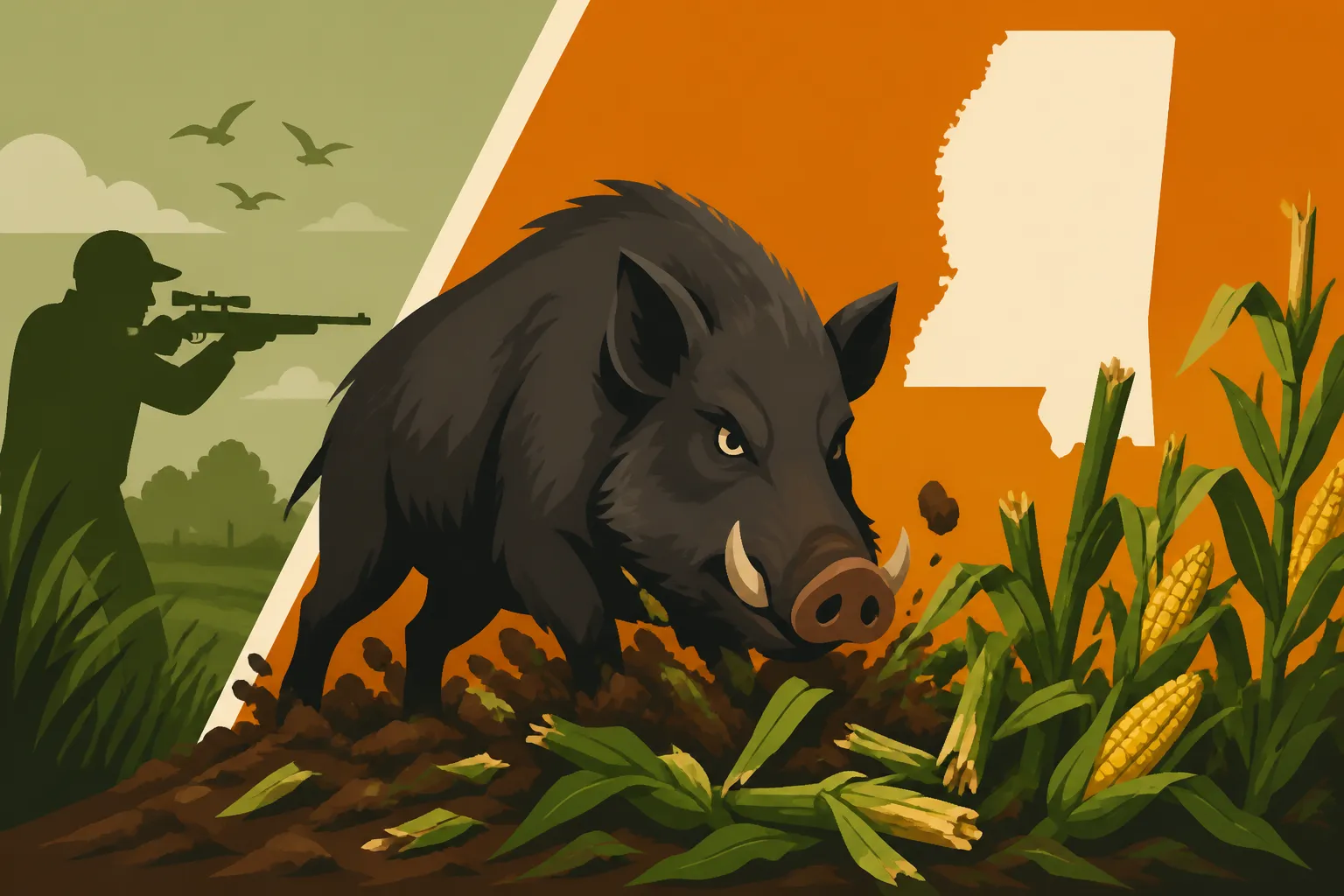
When we talk about crop damage from feral hogs, it’s not just about what they eat. While they certainly consume a fair share, their primary methods of destruction are rooting and trampling. Hogs use their tough snouts, perfectly adapted for digging, to root up fields in search of tubers, roots, grubs, and even newly sprouted seeds. This rooting turns meticulously prepared soil into a churned-up mess, making it impossible for plants to grow. Imagine a plow went through your field, but instead of straight lines, it's a random, chaotic pattern of destruction.
Then there's the trampling. A sounder of hogs, sometimes numbering dozens, moving through a field can flatten vast sections of standing crops. Whether it's a field of tall corn or tender young soybeans, their sheer weight and numbers leave a path of destruction. This is particularly problematic for crops like corn, where the stalks are easily broken, or sweet potatoes, where the underground crop is vulnerable to direct damage. Finally, of course, they do eat. They'll gorge themselves on ripening ears of corn, juicy watermelons, tender shoots of wheat, or whatever else they can find, often leaving behind partially eaten remnants that are unsellable. The sight of a half-eaten pumpkin or a flattened patch of peanuts after months of careful cultivation is enough to make any farmer's blood boil.
Favorite Targets: A Diverse Menu of Destruction
While hogs are opportunistic eaters and will damage nearly any crop, some are particularly vulnerable or attractive to them. Cornfields are a huge draw, especially when the ears are milky and sweet. A sounder can quickly move through a cornfield, tearing down stalks and devouring ears, leaving a trail of broken plants and waste. Soybean fields also suffer significant damage, with young plants being rooted up and mature plants trampled.
Peanuts and sweet potatoes, which grow largely underground, are prime targets for rooting. Hogs will systematically tear up large areas to get to these calorie-rich crops. Even hayfields and pastures aren't safe, as hogs will root for grubs and worms, creating uneven terrain that can damage farm equipment or injure livestock. Specialty crops like watermelons, cantaloupes, and various vegetables are often completely destroyed. This widespread impact means that nearly any agricultural operation in Mississippi with a hog problem is facing potential losses. Understanding Mississippi's Year-Round Hog Rule on Private Land is crucial for landowners looking to actively manage these destructive pests.
Beyond the Bite: Unpacking the Financial Burden of Hog Damage
The direct loss of crops is often just the tip of the iceberg when it comes to the financial burden feral hogs impose. Farmers and landowners are often left footing the bill for a cascade of hidden costs that cut into their bottom line, making it incredibly difficult to turn a profit.
Direct Crop Loss: The Obvious Drain
The most immediate and obvious cost is the value of the destroyed or consumed crops. If a hog sounder destroys five acres of corn, that's five acres worth of planting costs (seed, fertilizer, fuel, labor) and potential revenue that is simply gone. For high-value crops, this can translate into thousands of dollars lost per incident. And it's rarely a one-time event; hogs are persistent, and if they find a food source, they'll return again and again.
Consider a small farmer relying on a particular cash crop like sweet potatoes. If a significant portion of their harvest is rooted up, it can jeopardize their entire season, affecting their ability to cover operating expenses, pay loans, or even provide for their family. This isn't just a business problem; it's a deeply personal one for many Mississippi agriculturalists. The sheer number of hogs, especially considering Why Delta Hogs Reproduce So Fast, means this problem is only intensifying for many areas.
Replanting and Repair: The Hidden Expenses
Beyond the initial loss, farmers often face the cost of replanting damaged areas. This means purchasing more seed, spending additional fuel and labor, and dedicating precious time to an already demanding schedule. If the damage occurs late in the growing season, replanting might not even be an option, leading to a total loss for that section of the field.
Moreover, the extensive rooting can damage irrigation lines, drainage tiles, and even farm equipment like planters or cultivators if they hit a deeply rooted area or a particularly uneven patch of ground. Repairs to machinery can be costly, causing further delays and impacting efficiency during critical times. The labor involved in simply surveying damage, let alone attempting to mitigate it, takes away from other essential farm tasks.
Soil Erosion and Water Quality Impacts
The rooting behavior of feral hogs isn't just about disturbing crops; it's about disturbing the very soil structure. When hogs churn up the earth, they break down soil aggregates, making the soil more susceptible to erosion from wind and rain. This means valuable topsoil, along with the nutrients it holds, can be washed away into streams and rivers.
This erosion doesn't just reduce the fertility of the land; it also contributes to water quality issues. Sediment and agricultural chemicals carried by runoff from hog-damaged fields can pollute waterways, impacting aquatic life and potentially affecting drinking water sources downstream. The long-term ecological consequences, while harder to quantify financially in the immediate term, represent a significant cost to the broader environment and future agricultural productivity. This unseen toll adds another layer to the argument for effective Mississippi Feral Hog Regulations.
Fighting Back: Strategies to Mitigate Crop Loss from Feral Hogs
Dealing with feral hog damage is an ongoing battle, and there's no silver bullet. However, a combination of persistent strategies, adapted to your specific situation and property, can help reduce the devastating impacts these animals have on your crops and land.
Trapping: The Most Effective Control Method
For sustained reduction of hog populations and mitigation of crop damage, trapping is hands down the most effective strategy. Modern traps, often large and capable of catching an entire sounder at once, are crucial. It's not about catching one hog here and there; it's about removing as many as possible to make a real dent in their rapidly expanding numbers. Pre-baiting for several days or even weeks before setting the trap can be incredibly effective, getting hogs comfortable entering the trap enclosure. When considering a trapping program, learning about Building and Freshening a Hog Bait Site can greatly increase your success.
Many landowners employ cellular-enabled trap gates, allowing them to monitor the trap remotely and drop the gate when an entire sounder is inside, maximizing their efforts and minimizing disturbance. This takes time, patience, and often a significant initial investment in equipment, but the long-term benefits in terms of crop protection are substantial. The MDWFP website and local extension offices offer guidance on best practices for trapping. For understanding how effective this method can be, looking into Mississippi Hog Trapping Success Rates can give you an idea of what's possible with a dedicated effort.
Hunting: A Necessary Supplement to Trapping
While trapping is the most efficient for population reduction, hunting can play an important supplementary role, especially for individual problem hogs or smaller sounders. Night hunting, often with thermal or night vision equipment, is a popular and effective method for targeting hogs when they are most active. Many states, including Mississippi, allow Night Hunting Hogs With Lights on Private Land to aid in this control.
Using dogs to pursue and bay hogs, known as Running Dogs on Mississippi Feral Hogs, is another traditional and effective method, particularly in thick cover where visual hunting is difficult. The key with hunting, however, is not to disperse the sounder but to eliminate as many as possible to prevent them from simply moving to another field. For scouting and understanding hog movement patterns around your fields, tools like the GoHunt app can be invaluable. Its detailed mapping features allow you to mark areas of recent damage, identify historical travel corridors, and even locate potential bedding areas where hogs might be hiding during the day. This intelligence helps you deploy your trapping and hunting efforts more strategically.
Exclusion Fencing: A Costly But Effective Barrier
For high-value crops or smaller, intensely managed areas, exclusion fencing can be an effective, albeit costly, solution. A well-constructed fence, typically using heavy-gauge woven wire or multiple strands of high-tensile electric wire, needs to be robust enough to withstand the incredible power of these animals. Hogs will test fences, so regular maintenance is essential. They are known to root under fences, so burying the bottom wire or creating a "hot wire" at ground level can deter them.
The upfront cost of materials and installation for hog-proof fencing can be substantial, making it impractical for large-acreage row crops. However, for smaller plots of specialty crops, orchards, or vegetable gardens that are consistently hit, it might be the only way to ensure a harvest. Before investing, it's wise to consider the long-term value of the protected crop versus the cost of the fence. GoHunt's property line tools can also assist in planning fence lines around specific fields if you're trying to contain your efforts.
A Ripple Effect: The Broader Environmental Costs of Feral Hog Crop Damage
The immediate economic impact of crop damage is staggering for farmers, but the true cost of feral hogs extends far beyond lost revenue and replanting efforts. Their destructive behavior creates a ripple effect, undermining natural ecosystems, endangering native wildlife, and altering the very landscape of Mississippi.
Habitat Degradation and Biodiversity Loss
Feral hogs are ecological engineers of destruction. Their incessant rooting turns pristine forest floors, delicate wetlands, and managed wildlife openings into barren, disturbed landscapes. This rooting destroys native vegetation, uproots tree seedlings, and alters soil composition. In critical habitats, this can mean the loss of unique plant species that cannot tolerate such disturbance.
This habitat degradation directly impacts native wildlife. Ground-nesting birds, like bobwhite quail and wild turkeys, find their nests destroyed and their food sources (insects, seeds) depleted by hogs. Small mammals, reptiles, and amphibians lose vital cover and foraging areas. The severe decline of important mast-producing trees can affect deer and squirrel populations in the long run. When we discuss Mississippi Songbird Nest Predation by Hogs, we are touching on just one facet of this larger environmental catastrophe. The displacement and reduction of native species due to hog activity represent a significant loss of biodiversity that can take decades, if not centuries, to recover.
Disease Transmission: A Silent Threat to Wildlife and Livestock
Beyond physical damage, feral hogs are notorious carriers of diseases and parasites that can threaten both domestic livestock and native wildlife populations. They are known to carry diseases like brucellosis, pseudorabies, leptospirosis, and toxoplasmosis. While some of these diseases may not directly impact humans, they can be devastating for cattle, swine, and other farm animals, leading to costly outbreaks, quarantines, and economic losses for producers.
The risk of disease transmission isn't confined to farms. Hogs can spread these pathogens to native deer, bears, and other wildlife, potentially causing widespread illness and mortality in wild populations. This silent threat adds another layer of complexity and cost to the feral hog problem, requiring vigilance from landowners and wildlife managers alike. Understanding the full scope of how Mississippi Feral Swine Genetics and Origin contributes to their hardiness and disease resistance helps contextualize this ongoing challenge. Regularly checking resources like the MDWFP app or GoHunt's information overlays can help hunters stay informed about any disease outbreaks or management zones, such as those related to Chronic Wasting Disease, where hog interactions with deer could exacerbate issues.
Competition with Native Wildlife for Food Sources
As omnivores with an incredibly diverse diet, feral hogs directly compete with native wildlife for essential food resources. They will consume acorns, pecans, other nuts, and fruits that are critical for deer, squirrels, turkeys, and bears, especially during lean times of the year. When hogs move through an area, they often consume or destroy these food sources, leaving little behind for the species that naturally rely on them.
This competition for food can force native animals to expand their foraging range, increasing their exposure to predators or human disturbance, and can ultimately impact their reproductive success and overall health. The presence of a high density of hogs can fundamentally alter the carrying capacity of an ecosystem, making it harder for native species to thrive. The relentless nature of their foraging, combined with their rapid reproductive rates, makes them a formidable competitor that consistently puts pressure on Mississippi's cherished wildlife resources. For hunters trying to find game, GoHunt's detailed maps showing crop fields and natural food sources can help identify areas of hog activity and plan strategies to manage them, as well as to locate healthier areas for native game.
Disclaimer
This article is for general informational purposes only and does not constitute professional advice. Laws, prices and regulations vary by location and change over time. Consult a qualified professional for guidance on your specific situation.