Getting Private Land Permission in Mississippi
It's a common story, isn't it? You spend hours poring over maps, dreaming of that perfect deer stand or turkey roost, only to find that the prime ground is all private, posted with "No Trespassing" signs. The frustration is real, especially when public lands feel crowded or just don't offer the kind of quality hunting experience you're after. But here in Mississippi, securing private land permission isn't an impossible dream; it's an art, a negotiation, and often the key to truly fulfilling seasons. This guide will walk you through everything you need to know, from understanding the law to the subtle tactics of building trust and gaining access to those coveted private acres.
Why Private Land is Often the Holy Grail for Mississippi Hunters
Let's be honest: while Mississippi boasts some fantastic public hunting opportunities, there's a certain allure to private land that's hard to beat. It often feels like you've unlocked a secret level in the hunting game, and for good reason.
Less Pressure, More Quality
One of the biggest headaches on public land, especially during popular seasons, is the sheer volume of other hunters. You scout, you set up, you wait, and then you hear ATVs or see another hunter walking through your spot. It's disheartening. On private land, however, that pressure is dramatically reduced, if not eliminated entirely. This lack of constant intrusion means game animals are often more relaxed, sticking to their natural patterns. Deer move more freely, turkeys gobble more readily, and the overall experience is far more peaceful. You won't be competing for that prime ridge during Mississippi Gun Season Opening Day or worrying about someone bumping a gobbler you've been working. Less pressure almost always translates to less stressed animals, which can mean better opportunities for you, the hunter.
Tailored Habitat and Management Potential
Many private landowners, whether they're serious about wildlife management or simply allow nature to take its course, end up creating superior habitat. Farmers might leave standing crops for cover or food, timber companies might manage cuts in a way that creates ideal browse, and dedicated landowners often plant food plots, establish bedding areas, or manage timber specifically for deer and other game. This intentional or incidental habitat work concentrates animals and can lead to healthier, more robust populations. Contrast this with some public lands where management objectives are broader, or where heavy pressure can negate even the best habitat efforts. On private land, you might find a landowner who is thrilled for you to help them improve habitat, creating a symbiotic relationship that benefits everyone, especially the wildlife.
Flexible Access and Season Lengths
While all hunting in Mississippi must adhere to state regulations, private land often offers a level of flexibility that public land simply cannot. On public wildlife management areas (WMAs), you're often tied to specific hunting dates, limited weapon types, and even sign-in/sign-out procedures. On private ground, once you have permission, you and the landowner can establish your own understanding within the legal framework. This might mean extended hunting hours (within legal limits), specific blinds you can use, or simply the freedom to scout and hunt when it best suits you, without worrying about other hunters. For instance, while certain units have longer seasons, like Hunting the Southeast Unit's Longer Archery Run, private land access gives you greater freedom to maximize those opportunities without additional public land restrictions. It's about having more control over your hunting schedule and methods, allowing for a truly personalized experience.
Understanding Mississippi's Trespass and Permission Laws
Before you even think about knocking on a door, it's absolutely crucial to understand the legal framework surrounding private land hunting in Mississippi. Ignorance of the law is never an excuse, and a simple misunderstanding can quickly turn a hopeful hunting trip into a legal nightmare.
The Letter of the Law: What Constitutes Trespass
In Mississippi, the law is pretty clear: any entry upon private land without permission is considered trespass. It doesn't matter if the land is fenced, unfenced, or unposted; if you don't have explicit permission from the landowner or their agent, you're trespassing. This can be a hard pill to swallow for some folks accustomed to "open range" mentalities found elsewhere, but here in the Magnolia State, respect for private property is paramount. The Mississippi Code is quite specific, and hunting on someone else's property without consent can lead to fines, confiscation of equipment, and even the loss of your hunting privileges. It's not just about getting caught; it's about respecting property rights and avoiding a situation that could permanently damage your reputation as a responsible hunter. Remember, just because you don't see a "No Trespassing" sign doesn't mean you're welcome. Always assume private land requires permission. Mississippi Trespass and Permission Law is something every hunter should be intimately familiar with.
Express vs. Implied Permission
This is where things can get a little fuzzy if you're not careful. "Express permission" means exactly what it sounds like: the landowner (or someone legally authorized to grant it) has explicitly told you, either verbally or in writing, that you may hunt on their land. This is always the safest and most recommended route. "Implied permission," on the other hand, is a much riskier and less reliable concept. It might arise from a past relationship, a vague nod, or a general community understanding, but it's rarely legally defensible if challenged. If a game warden asks, "Do you have permission to be here?" and your answer isn't a firm "Yes, from [Landowner's Name]," backed up by clear communication, you could be in trouble.
For your peace of mind and the landowner's, always aim for express permission. And even better than verbal? Get it in writing. This doesn't need to be a complex legal document; a simple note with dates, names, and a signature can suffice. Many landowners appreciate the formality and clarity of a written agreement, as it protects both parties. It spells out exactly what's allowed, for how long, and any specific conditions. When it comes to Do You Need Written Permission in Mississippi?, while not always legally required, it is highly advisable for both your protection and for clarity with the landowner. It removes all ambiguity.
Retrieving Game From Private Land
Imagine this scenario: you've made a perfect shot on a magnificent buck, but in its final moments, it bolts across the property line onto adjacent land you don't have permission to hunt. Your heart sinks. Legally, you cannot simply walk onto that property to retrieve your game without explicit permission from that landowner. This can be one of the most agonizing situations a hunter faces, balancing the ethical obligation to recover game with legal trespass laws.
Attempting to recover game without permission can lead to the same trespass charges as hunting without permission. This is why building good relationships with neighboring landowners is so crucial, even if you don't have permission to hunt their property directly. A friendly, respectful phone call explaining the situation and asking for permission to track and retrieve can often be successful. Showing up unannounced, especially with a firearm, is almost guaranteed to be met with hostility and refusal. If you plan to hunt near property lines, consider identifying the adjacent landowners beforehand using mapping tools (which we'll discuss next) and making a preemptive contact, explaining the possibility and asking for a courtesy call if it happens. Being prepared for this situation is far better than reacting in a panic after the fact.
Mapping Tools and Research: Knowing Who to Ask
Gone are the days when getting private land permission meant blindly knocking on doors and hoping for the best. Technology has revolutionized the way we can identify landowners and approach them with an informed, respectful request.
Digital Scouting with Mapping Applications
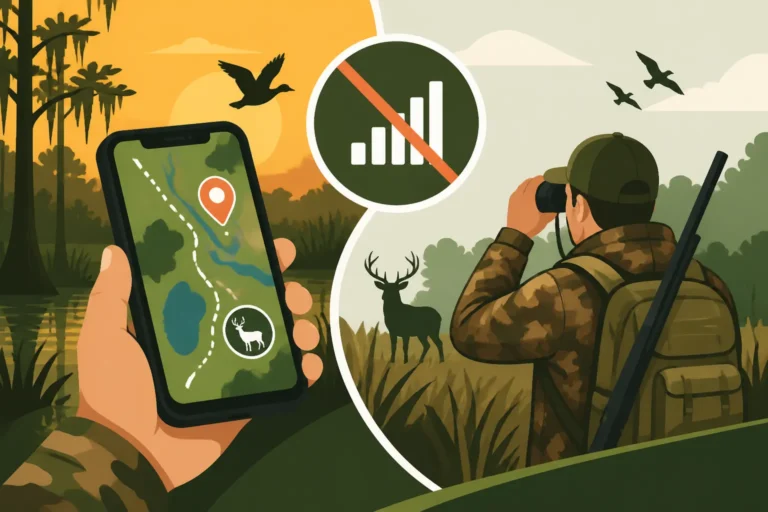
This is where modern hunting truly shines. Applications like onX Hunt and GoHunt are absolute game-changers for identifying property lines and landowner information. Instead of driving around aimlessly or relying on outdated plat books, you can conduct in-depth scouting from your living room.
These apps overlay property boundaries onto satellite imagery, clearly showing you which parcels are public and which are private. Even better, they often provide landowner names and sometimes even contact information right there on your phone or computer. You can zoom in on a promising piece of habitat, see who owns it, and immediately have a starting point for your research. Think of it: you've found a beautiful hardwood bottom along a creek that looks like prime deer territory. With onX Hunt, you can instantly see the property owner's name, their parcel number, and even estimate the acreage. This level of detail allows you to be incredibly targeted in your approach. You can visualize entry and exit routes, identify pinch points, and understand the lay of the land before you ever set foot on it. Understanding Finding Mississippi Property Lines accurately is the first step to a respectful request.
Public Records and County Resources
While digital apps are fantastic, sometimes you need to dig a little deeper. This is where county resources come into play. Your local county tax assessor's office is a treasure trove of information. They maintain records of all property ownership for tax purposes, often available to the public. You can typically find large plat maps that show parcel boundaries and corresponding owner names. Many counties now have online GIS (Geographic Information System) portals where you can search by address, owner name, or even draw a box on a map to find property details.
The process usually involves:
- Identifying the parcel number or address of the land you're interested in (which you might have gotten from onX Hunt or GoHunt).
- Visiting the county tax assessor's website or office.
- Searching for the property to find the legal owner's name and mailing address.
This research ensures you're contacting the correct person – the actual landowner – and not just a tenant or relative. Having accurate information shows you've done your homework and are serious and respectful about your request. It's a small detail that can make a big difference in how a landowner perceives you.
Local Knowledge and Community Engagement
Even with all the digital tools at our disposal, there's still immense power in old-fashioned local knowledge and community connections. Sometimes, the best way to find out who owns a piece of land, or who might be amenable to hunters, is to simply ask around.
Think about the local hubs in rural Mississippi: the general store, the feed and seed shop, the gas station that doubles as a bait shop, even community events like church potlucks or local festivals. Farmers and long-time residents often know everyone and everything about the land around them. Strike up a friendly conversation, introduce yourself, and respectfully ask if they know who owns a particular parcel, or if they know any landowners who might be open to granting hunting access.
It's about building relationships within the community. When you stop for gas, take a moment to chat with the proprietor. If you're buying feed, ask the store owner. You'd be surprised how many leads can come from these casual interactions. People are often more willing to help a friendly, respectful face they've seen around than a complete stranger who just pops up on their doorstep. This grassroots approach complements your digital research and can open doors that technology alone cannot.
The Art of the Ask: Approaching Landowners Effectively
Once you've done your homework and identified a promising piece of land and its owner, the next critical step is the actual approach. This is where many hopeful hunters falter, either by making contact at the wrong time or by presenting themselves poorly.
Timing and Approach: When and How to Make Contact
Timing is everything when you're asking for permission. Showing up during planting season, harvest, or when a landowner is clearly busy with chores is almost guaranteed to result in a polite (or not-so-polite) dismissal. Farmers, especially, have incredibly demanding schedules tied to weather and crop cycles. A good rule of thumb is to make contact well in advance of the season you want to hunt. Late spring or early summer, after spring planting is done and before the intensity of fall harvest, can be ideal. The landowner might be more relaxed and have more time to talk.
When it comes to how to make contact, consider these options:
- Knock on the Door (Respectfully): If you're local, a face-to-face meeting is often best for building rapport. Dress neatly, leave your hunting gear in the truck, and approach with a friendly, non-intimidating demeanor. If no one answers, don't linger or snoop.
- A Well-Written Letter: If you're an out-of-towner or if a direct knock isn't feasible, a polite, concise, handwritten letter can be very effective. Introduce yourself, explain your interest, mention your research (e.g., "I noticed your property at X location on onX Hunt and was impressed by the timber stand"), and provide your contact information.
- Phone Call (After Research): If you've managed to find a phone number, a call can work, but be prepared for a quick conversation. Introduce yourself immediately, state your purpose, and be ready to listen.
Never show up unannounced with firearms or camouflage. Your first impression should convey respect, responsibility, and a genuine interest in their land, not just the game on it.
What to Say and How to Present Yourself
When you get that precious moment to speak with a landowner, how you present yourself and what you say can make all the difference.
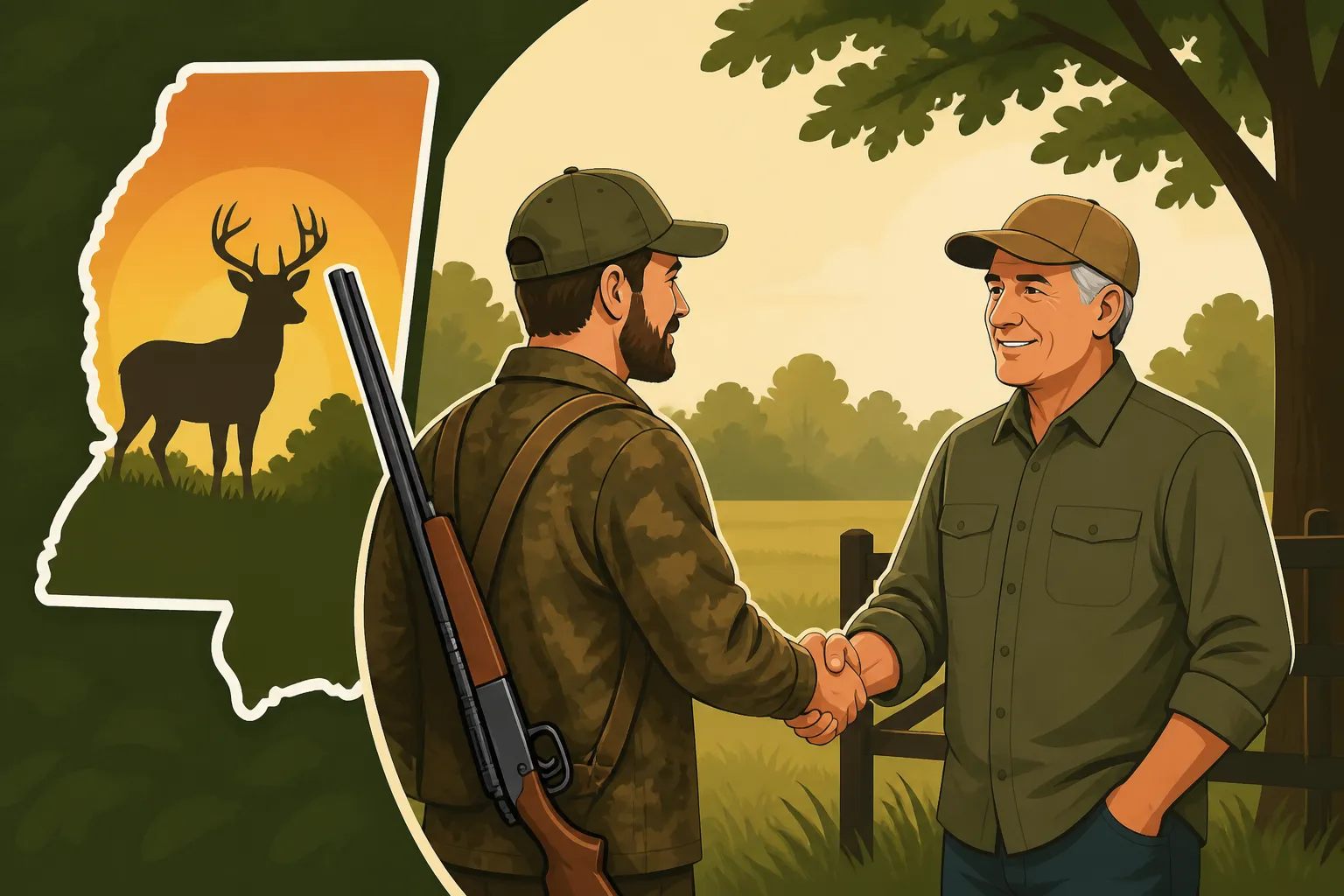
First and foremost, be presentable and polite. You don't need a suit, but clean clothes and a tidy appearance convey respect. Make eye contact, offer a firm handshake (if appropriate), and speak clearly and concisely.
Here's a potential script framework:
"Hello, my name is [Your Name], and I'm from [Your Town]. I noticed your property here on [Road Name] and was hoping to speak with you for a few minutes about the possibility of hunting. I'm a responsible hunter, and I'm very respectful of private property. I'm particularly interested in [deer/turkey/small game] hunting, and I was wondering if you might consider allowing access."
Be prepared to briefly explain your hunting experience and methods. For example, "I primarily bowhunt, so noise is minimal," or "I'm looking for a place to take my son for his first squirrel hunt." The key is to be honest and direct, but also humble. Emphasize that you're asking for a favor and that you understand their right to say no.
Crucially, be ready to offer something in return. Many landowners, especially farmers, deal with issues like feral hogs. Offering to help with hog control can be a massive benefit for them. Mention that you're aware of the damage hogs can cause to crops and land. This is where being a responsible hunter can directly help a landowner; the state even offers Deer Damage Permits for Farmers in certain situations, highlighting the potential for hunters to manage populations. Other offers could include helping with general chores, checking fences, or just being an extra set of eyes on the property.
Building Trust and Offering Value
Trust is the foundation of any successful private land hunting permission. Landowners are often wary because of past negative experiences with irresponsible hunters. Your goal is to differentiate yourself immediately.
Offer to provide references: Have a list of people who can vouch for your character and responsible behavior, such as past hunting mentors, employers, or even local law enforcement.
Show proof of responsibility: Offer to show your current Mississippi Resident Sportsman's License and explain that you've completed hunter education. If you carry personal liability insurance, offer to share that information (though this is less common for casual permission, it speaks volumes).
Highlight your value proposition: Beyond just hog control, think about other ways you can be an asset. Are you handy? Can you help with light maintenance around their property? Could you help clear a fallen tree? Even just offering to keep an eye on the property when you're there can be valuable. Many rural landowners appreciate having someone trustworthy around, especially if they live elsewhere or are elderly.
Consider creating a simple, one-page "Hunter Profile" with your contact info, a brief bio, references, and your offer of assistance. Leave it with them so they can consider your request. This proactive approach demonstrates your seriousness and professionalism. Remember, you're not just asking to hunt; you're seeking to build a mutually beneficial relationship.
Maintaining Good Relations and Responsible Hunting Practices
Getting permission is just the first step. The real test is keeping it, and that comes down to consistent good behavior and fostering a strong, respectful relationship with the landowner. This isn't just about one season; it's about potentially securing access for years to come.
Respecting Property and Following Rules
This should go without saying, but it's astonishing how many hunters lose access because they fail to uphold basic respect. Once you're granted permission, consider that property sacred.
- Leave no trace: Pack out everything you pack in, and then some. If you see trash that isn't yours, pick it up. Leave the land cleaner than you found it.
- Stick to boundaries: Understand and respect the precise property lines. Use your onX Hunt app to verify your location constantly. Accidentally (or intentionally) crossing onto adjacent property without permission is a surefire way to lose your access.
- Use designated access points: If the landowner specifies a certain entry road or parking spot, use it. Don't drive across fields or through areas they prefer you avoid.
- Adhere to all landowner rules: The landowner's rules supersede general regulations, provided they are more restrictive, not less. If they say no hunting past dark, even if legal, you stop. If they specify certain weapon types or areas that are off-limits (like near their house or livestock pens), respect those directives without question. Pay particular attention to rules like Mississippi Firearms Discharge Setback Rules and ensure you are always in compliance with both state law and their personal preferences. Their property, their rules.
Every time you step onto their land, you're representing yourself and all hunters. Your behavior directly impacts whether they'll ever grant permission again, not just to you, but to anyone else.
Communication and Updates
A key to any good relationship is open and honest communication. Don't just disappear after you get permission and only surface when you want to hunt.
- Notify before you go: Always let the landowner know when you plan to be on their property and when you've left. A quick text or phone call is usually sufficient. This shows courtesy and allows them to know who is on their land.
- Report observations: If you see anything unusual – broken fences, downed trees, suspicious vehicles, or signs of trespassing by others – report it to the landowner. You're now their eyes and ears when you're there.
- Share your success: If you harvest an animal, share the news! A photo of your deer, a turkey fan, or even offering a portion of the meat (if they're interested) is a wonderful gesture of gratitude. It validates their decision to let you hunt and shows them the positive outcome of their generosity. Don't forget to perform your mandatory Checking a Mississippi Deer Harvest Online and share that you've done so, demonstrating your compliance with state regulations.
- Be reachable: Make sure they have your phone number and that you respond promptly if they try to contact you.
This regular, respectful communication reinforces your trustworthiness and keeps the relationship strong. It shows you value their land and their trust, not just the opportunity to hunt.
Beyond the Hunt: Ongoing Stewardship
To truly secure long-term access, think beyond the immediate hunting season. Your relationship with the landowner should extend throughout the year.
- Offer off-season help: Don't wait for them to ask. Proactively offer to help with tasks like clearing shooting lanes, checking trail cameras (if permitted), mending fences, or even just helping with general farm work when you have spare time. Even a few hours of labor can mean a lot to a busy landowner.
- Small gestures of gratitude: A card around the holidays, a gift basket, or simply stopping by to chat and bring a pie can go a long way. These small acts of kindness show that you appreciate them as people, not just as gatekeepers to hunting land.
- Respect their privacy: While communication is key, don't overstay your welcome or become a nuisance. Understand that they have their own lives and responsibilities.
By consistently acting as a responsible, respectful, and helpful steward of their land, you transform yourself from a temporary hunter into a valued partner. This stewardship creates loyalty and ensures that your permission isn't just for one season, but for many memorable hunts to come.
Alternative Private Land Access Options
While knocking on doors and building personal relationships is often the most rewarding way to gain private land access, it's not the only route. Sometimes, joining forces with others or leveraging professional services can also open up opportunities.
Joining a Hunting Club or Lease
For many hunters, especially those without existing connections to landowners, joining a hunting club or leasing private land is a practical solution. This option provides guaranteed access to managed land, often with established amenities and a community of like-minded hunters.
- Hunting Clubs: These are typically groups of hunters who collectively lease a tract of private land. Dues are paid annually, covering the lease cost, insurance, and sometimes habitat improvements or lodge maintenance. The benefits include shared workload, camaraderie, and often access to well-managed properties with good game populations. However, they come with rules, responsibilities, and sometimes waiting lists. You'll need to research what Mississippi Hunting Club Dues and Costs entail and what's expected of members.
- Private Land Leases: This involves an individual or a small group directly leasing a piece of land from a landowner. This offers more control over the property's management and fewer club rules to contend with. Leases can range from small tracts to thousands of acres. The cost varies widely based on location, acreage, and game potential. Understanding Mississippi Hunting Lease Costs is vital, as they can represent a significant investment, but they offer unparalleled freedom and dedication to your own hunting goals.
Both options provide a dedicated space to hunt without the constant pressure of public land, but they require a financial commitment and often a commitment to land management and club rules.
The Role of Outfitting Services
If your budget allows and you're looking for a curated experience without the long-term commitment of a lease or club, a guided hunt through an outfitter is another way to access private land. Many outfitters operate on large tracts of privately owned or leased land specifically managed for hunting.
Outfitters in Mississippi specialize in various game, from trophy whitetails in the Delta to spring turkeys or flooded timber duck hunts. When you book with an outfitter, you're essentially paying for access to their prime private hunting grounds, expert guidance, and often lodging and meals. For example, if you've dreamed of a classic flooded timber duck hunt, Booking a Delta Duck Lodge will almost certainly put you on private, managed land with experienced guides and well-maintained blinds.
This option is perfect for nonresident hunters, those with limited time, or individuals seeking a specific type of hunting experience. It removes the stress of scouting, getting permission, and setting up, allowing you to focus solely on the hunt itself. While it's typically the most expensive option, it offers a high success rate and a memorable, hassle-free experience on quality private ground.
Bartering for Access
Finally, don't overlook the power of good old-fashioned bartering. Not every landowner needs cash; some might value services or specific skills more. If you have a trade or a skill set that could be useful to a landowner, consider offering it in exchange for hunting access.
Examples of bartering arrangements:
- Mechanical Skills: Offering to help with vehicle repairs, farm equipment maintenance, or even small engine work.
- Construction/Repair: Assisting with fence mending, barn repairs, clearing brush, or general property upkeep.
- IT/Administrative: Helping an older landowner with computer issues, setting up online accounts, or managing paperwork.
- Agricultural Assistance: Offering to help with planting, harvesting, or tending to livestock, especially during busy seasons.
This requires open communication and a clear understanding of expectations from both sides. A simple written agreement outlining the services provided and the hunting access granted can prevent misunderstandings. Bartering builds a unique, personal relationship, often stronger than a purely transactional one, as it demonstrates genuine effort and mutual benefit. It's a creative way to gain access that costs you time and skill rather than just money, and it can be incredibly rewarding for both parties.
Landowner Contact Checklist
When preparing to approach a landowner for permission, a structured approach can make you more confident and increase your chances of success. Use this checklist to ensure you're ready.
| Item | Description | Status (Check When Done) |
|---|---|---|
| Research Phase | ||
| Identify Property Boundaries | Use onX Hunt, GoHunt, or county GIS to pinpoint the exact parcel. | [ ] |
| Determine Landowner Name & Address | Confirm owner via digital tools or county tax records. | [ ] |
| Understand Property Usage | Note if it's farmland, timber, residential, etc., to tailor your request. | [ ] |
| Research Local Laws | Review Mississippi Trespass and Permission Law and relevant hunting regulations. | [ ] |
| Preparation Phase | ||
| Plan Your Approach Time | Choose an off-peak time of day/season; avoid busy work hours for the landowner. | [ ] |
| Prepare Your Introduction | What's your name, where are you from, why are you interested? | [ ] |
| Clarify Your Hunting Intentions | Which species (deer, turkey, hogs), preferred method (archery, gun), and duration? | [ ] |
| Identify Value Proposition | What can you offer in return (hog control, chores, property watch)? | [ ] |
| Assemble References | Have 1-2 reputable contacts who can vouch for you. | [ ] |
| Gather Proof of Responsibility | Your Mississippi Resident Sportsman's License number, hunter education card. | [ ] |
| Consider a Written Proposal | A brief, polite letter or "Hunter Profile" can be left behind if no contact is made. | [ ] |
| Contact Phase | ||
| Dress Respectfully | Clean, casual clothes; no camo or firearms. | [ ] |
| Be Polite and Humble | Start with a pleasant greeting, listen more than you speak. | [ ] |
| Be Concise and Direct | Clearly state your purpose without rambling. | [ ] |
| Respect a "No" Graciously | Thank them for their time regardless of the answer. | [ ] |
| Post-Permission (If Granted) | ||
| Confirm Rules & Boundaries | Reiterate specific landowner rules, access points, and off-limit areas. | [ ] |
| Provide Your Contact Info | Ensure they can reach you at all times. | [ ] |
| Agree on Communication Protocol | How will you notify them before/after hunts? | [ ] |
| Follow Through on Offers | Deliver on any promises of help or assistance. | [ ] |
| Practice Ongoing Stewardship | Maintain communication, offer help, and show consistent respect. | [ ] |
Disclaimer
This article is for general informational purposes only and does not constitute professional advice. Laws, prices and regulations vary by location and change over time. Consult a qualified professional for guidance on your specific situation.