Mississippi WMA Quota Hunt Sign-In Process
Navigating the world of public land hunting in Mississippi can feel like a labyrinth, especially when it comes to the highly sought-after WMA quota hunts. Many hunters get incredibly frustrated trying to understand the application timelines, draw odds, and then, after all that, the specific sign-in procedures once they've actually drawn a coveted tag. This guide is here to untangle that complexity, walking you step-by-step through the entire Mississippi Wildlife Management Area quota hunt sign-in process, from initial application to your boots on the ground.
Understanding Mississippi's Quota Hunt System
Before we dive into the nitty-gritty of signing in, it's crucial to grasp why Mississippi has quota hunts in the first place. These aren't just arbitrary hoops to jump through; they're a vital tool for managing wildlife populations and hunter pressure on our most prized public lands. Imagine if every hunter who wanted to hunt a prime WMA during the peak of the rut could just show up — it would be a chaotic, overcrowded, and ultimately less enjoyable experience for everyone, not to mention detrimental to the deer herd.
The Purpose of Quota Hunts
Quota hunts are essentially a lottery system designed to limit the number of hunters on a specific Wildlife Management Area or even a particular section of a WMA during a defined period. This controlled access achieves several important goals. First, it ensures a higher quality hunting experience by reducing crowding. Nobody wants to be tripping over other hunters, and deer certainly don't appreciate constant pressure. Second, and perhaps most critically for the health of our deer, turkey, and waterfowl populations, it allows wildlife biologists to manage harvest levels much more precisely. They can set specific quotas for antlered bucks, antlerless deer, or even turkey gobblers, ensuring that the population remains healthy and sustainable. Without this control, certain areas could be overhunted, impacting future generations of game animals. It’s about balance, and sometimes that balance means fewer hunters in the woods at a given time.
How Quotas Impact Your Hunting Opportunities
For us hunters, quota hunts mean that access isn't guaranteed. You can't just decide one morning to hunt your favorite WMA if it's a quota area during a specific season. Instead, you have to apply, hope your name gets drawn, and then follow strict guidelines. This can feel restrictive, especially when you're itching to get into the woods. However, the payoff for those who draw a tag is often an exceptional hunting experience on land that receives less pressure and is often managed intensely for prime wildlife habitat. It's a trade-off: more effort on the front end for a potentially higher-quality hunt. These hunts often occur during prime times, like the peak of the deer rut or the early days of turkey season, making them even more desirable. Understanding How Mississippi WMAs Are Managed helps shed light on the dedication behind these systems.
Eligibility and Prerequisites for Quota Hunts
Before you even think about applying for a quota hunt, let alone signing in, you need to make sure all your ducks are in a row regarding licenses and other fundamental requirements. This is where a lot of frustration can boil over if you’re caught off guard, so it’s essential to be prepared well in advance. Don't wait until the last minute to discover you're missing a critical piece of paperwork.
Essential Licenses and Permits
First and foremost, you'll need the appropriate Mississippi hunting license. For most residents, this will be a Mississippi Resident Sportsman's License or an All-Game License, which covers a broad spectrum of hunting activities. Non-residents will need to check into Mississippi Nonresident License Options, often requiring a specific non-resident hunting license and potentially a deer permit if that's what you're after. Beyond the general license, almost all WMAs, especially those with quota hunts, require an additional WMA user permit. This permit helps fund the management and maintenance of these valuable public lands. Make sure you purchase this alongside your regular hunting license; it's a small fee that goes a long way towards ensuring these areas remain viable for hunting. Without this WMA specific permit, even if you draw a quota hunt, you won't be allowed to hunt. It's an easy step to overlook, but a crucial one. You can typically purchase these directly through the MDWFP website or authorized vendors.
Hunter Education and Other Requirements
Mississippi also has hunter education requirements that must be met by most hunters, particularly those born after a certain date. Generally, if you were born on or after January 1, 1972, you must complete a hunter education course. There are exceptions, of course, such as hunting under the supervision of a licensed mentor through an apprentice hunter license, but for solo quota hunts, you’ll need that certification. Always double-check the current Mississippi Hunter Education Requirements to ensure you're compliant. Beyond hunter education, some specific quota hunts might have age restrictions, particularly for youth hunts, or other specialized requirements for certain equipment or species. Always read the specific regulations for the WMA and hunt type you're applying for. Don't assume; verify everything to avoid disappointment down the line.
The Application Phase: Getting Your Name in the Hat
This is often the most anxiety-inducing part of the entire quota hunt process. It’s where you submit your application, cross your fingers, and hope the lottery gods are smiling on you. Mississippi's MDWFP has streamlined much of this process online, but there are still critical dates and details you absolutely cannot miss.
Navigating the Online Application System
The MDWFP website is your primary portal for quota hunt applications. You'll need an active customer ID and password to log in. Once you're in, you'll find a section dedicated to WMA quota hunts. The system is fairly intuitive, allowing you to select the specific WMA, hunt dates, and species you're interested in. You'll likely need to rank your choices, so it's wise to have a clear idea of your top picks and backup options before you start. The state often offers different hunt types within the same WMA, such as archery-only, primitive weapon, or even specific youth hunts, so pay close attention to the details. This is also where you'll typically indicate if you're applying as part of a group, which is a common strategy for friends or family wanting to hunt together. If successful, everyone in the group draws. The process generally involves filling out your personal information, confirming your license status, and then selecting your hunt choices.
Application Deadlines and Point Systems
Missing a deadline is perhaps the biggest pitfall of the quota hunt system. These dates are set well in advance, often in the late spring or early summer for the upcoming fall and winter seasons. Mark them on every calendar you own! The MDWFP website usually publishes a full calendar of important dates. Many quota systems also incorporate a "preference point" or "priority point" system. This means that for every year you apply for a quota hunt and are unsuccessful, you might accrue a point. These points then increase your odds of drawing a tag in subsequent years. It’s a way to reward persistence and give long-time applicants a better chance. For example, if you've been putting in for a tough-to-draw Delta WMA deer hunt for five years without success, your chances might be significantly better this year than someone applying for the first time. It’s a good idea to understand Mississippi Quota Hunt Draw Odds for your target WMAs, as some are far more competitive than others. Even if you don't draw your first choice, accruing points can pay off in the long run.
The Drawing and Notification Process
After the nerve-wracking application period, the waiting game begins. This phase, while passive for you, is where the MDWFP system works its magic, randomly selecting hunters and then getting the good (or sometimes not-so-good) news out.
How Winners Are Chosen
The MDWFP employs a randomized drawing system to select successful applicants. While a preference point system can improve your odds, the core mechanism remains a lottery. It’s fair, but it certainly doesn't prevent that knot of anticipation in your stomach! The computer system takes into account all the applications, any accumulated preference points, and the specific quotas set for each hunt. For group applications, if one member of the group is drawn, the entire group is typically awarded a tag, provided everyone meets the eligibility criteria. This process is designed to be transparent and impartial, giving everyone a fair shot based on their points and the random draw.
Checking Results and Accepting Your Permit
Once the draw is complete, usually a few weeks or months after the application deadline, the MDWFP will notify successful applicants. This notification often comes via email, so make sure your contact information is up to date in your MDWFP profile. You can also log into your online account to check your application status. If you've been drawn, congratulations! There's usually a short window during which you need to "accept" your permit, often by confirming your intent to participate and sometimes paying a small additional fee if applicable. Failing to accept your permit by the deadline can result in forfeiture, and your spot might be offered to an alternate. It's a painful mistake to make after waiting so long! If you weren't drawn, don't despair. Remember those preference points – they're building up for next year, and in the meantime, there's still plenty of excellent public land to explore. Remember, Mississippi has over 2 million acres of public land, including various national forests like Delta National Forest and Homochitto National Forest, which offer different hunting opportunities.
The Sign-In and Check-In Procedures on WMA Land
You've applied, you've drawn a tag, and you've accepted your permit! Now comes the critical, on-the-ground step: the actual sign-in and check-in process at the WMA itself. This is where the rubber meets the road, and failing to follow the correct procedure could lead to fines or even losing your hunting privileges.
Physical Check Stations and Kiosks
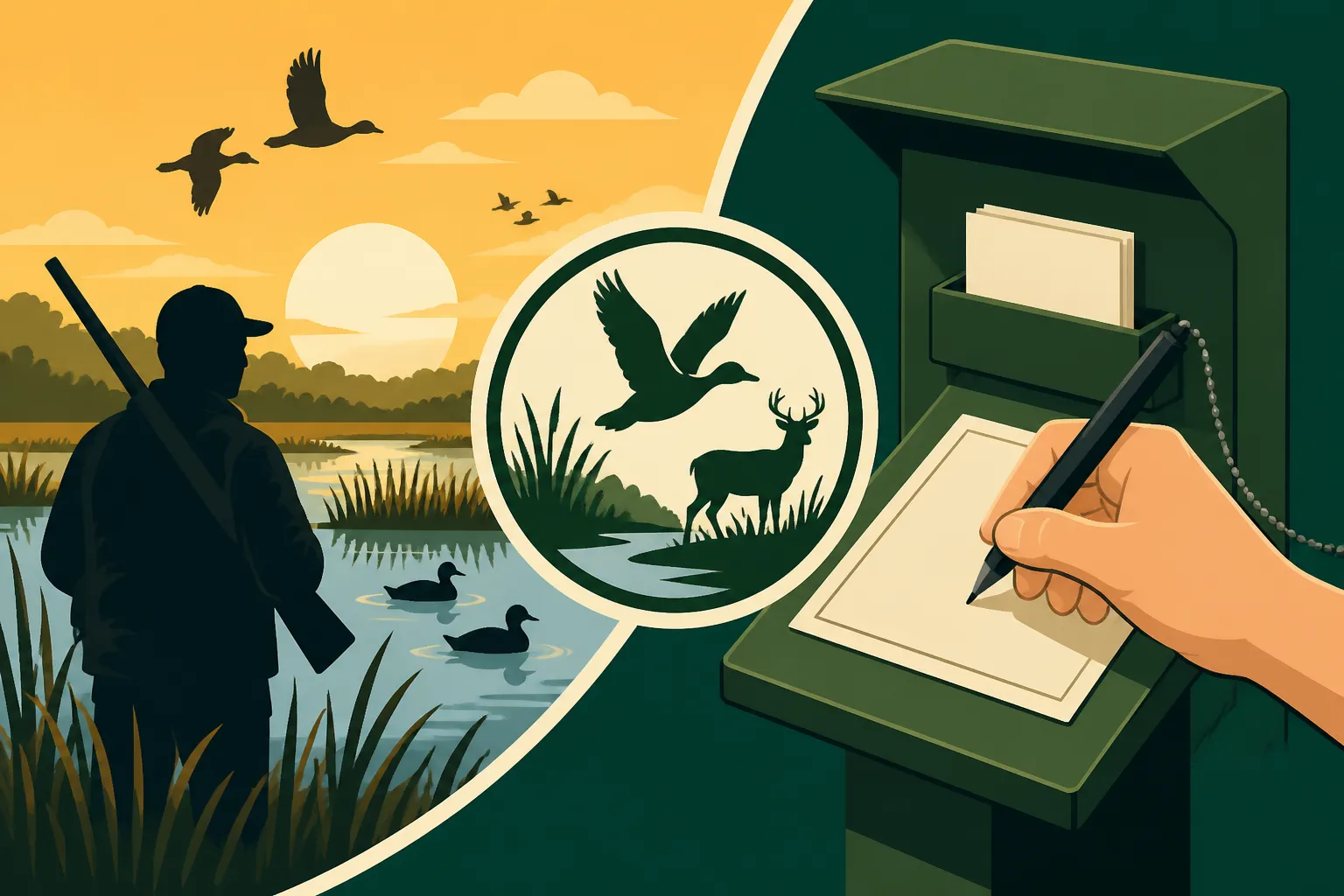
Most WMAs with quota hunts operate specific check stations or kiosks where hunters must sign in and out daily. These aren't always manned by staff, especially on smaller WMAs or during off-peak hours. Many are self-service stations with paper sign-in sheets or digital kiosks. You'll typically need to provide your name, customer ID, vehicle tag number, the specific hunt you're on, and your entry and exit times. It's a way for WMA staff to track hunter numbers, pressure, and success. Some WMAs might also require you to pick up a specific WMA-issued map or special instructions at this point. It's absolutely crucial to follow these procedures every single time you enter and exit the WMA. Think of it like punching a time clock for your hunt; it’s not optional. Be prepared to fill out information carefully and legibly.
Using the MDWFP App for Digital Sign-In
In recent years, the MDWFP has rolled out a fantastic convenience: a dedicated mobile app that often allows for digital sign-in and out for many WMAs. This can be a huge time-saver and eliminates the worry of forgetting a pen or dealing with soggy paper forms. You simply open the app, navigate to the WMA you're hunting, and follow the prompts to sign in electronically. This app is also invaluable for things like Mississippi Deer Reporting Requirements, allowing you to report your harvest directly from the field. I personally find it incredibly handy for tracking my time in and out of the woods, especially when I’m on a more remote WMA with a digital signal.
Here's a quick comparison of traditional vs. digital sign-in:
| Feature | Traditional Paper Sign-In / Kiosk | MDWFP Mobile App Digital Sign-In |
|---|---|---|
| Location | Designated physical check station at WMA | Anywhere with cell service (or offline capability) |
| Medium | Paper form, often in a box | Smartphone / tablet application |
| Required Info | Hunter ID, name, vehicle, date/time in/out | Same, pre-populated from user profile |
| Benefits | Universally available, no tech needed | Convenient, quick, reduces errors, instant data upload |
| Drawbacks | Legibility issues, weather damage, manual data entry for MDWFP | Requires smartphone, network signal (or offline mode), battery life |
| Common Issues | No pen, form missing, full form | App crashes, no signal, dead battery |
Even with the app, it's always a good idea to know where the physical check station is as a backup. There might be times when cell service is spotty on public lands, and you definitely don't want to get caught without a way to properly sign in or out. Using tools like onX Hunt to mark these check station locations on your map before your hunt can save a lot of headaches.
What to Expect During Your Quota Hunt
Congratulations, you've successfully navigated the application, draw, and sign-in process! Now comes the fun part: the hunt itself. However, even once you're in the woods, there are specific protocols and expectations tied to a WMA quota hunt that you need to be aware of.
WMA-Specific Rules and Regulations
It's critical to understand that WMAs often have rules and regulations that are more restrictive than general statewide hunting laws. This is by design, as these areas are intensely managed. These can include:
- Weapon restrictions: A WMA might be archery-only for a certain period, or primitive weapons might be restricted to specific dates. Make sure your chosen firearm or bow is legal for that specific hunt. You can usually find information on Mississippi Legal Firearms for Deer Hunting and then compare it to the specific WMA rules.
- Antler restrictions: Beyond the general statewide antler point restrictions (APRs), many WMAs have their own, often more stringent, rules for what constitutes a legal buck. For example, some WMAs in the Delta Unit might have a "12-inch spread" rule, while a Hills Unit WMA might have a "10-inch spread" rule.
- Bag limits: While there are statewide bag limits for deer and turkeys, a WMA quota hunt might have even stricter limits, sometimes only allowing one buck or one gobbler per hunter per season on that specific area, even if your statewide tag allows more.
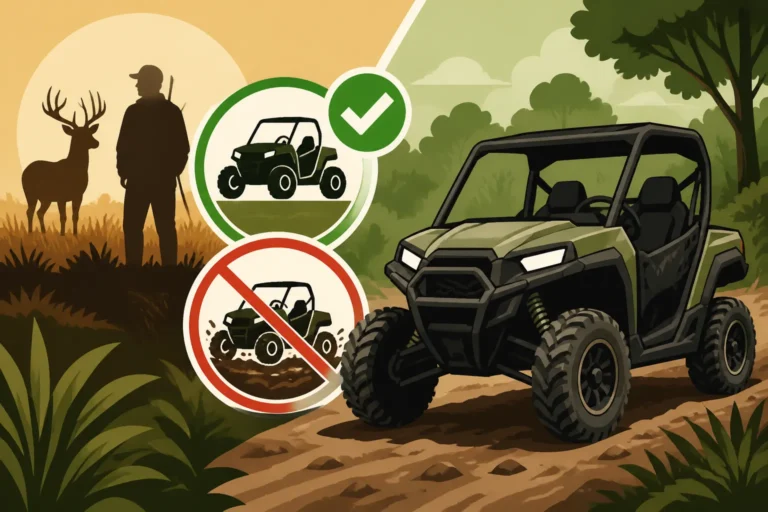
- Vehicle access: Many WMAs restrict vehicle access to designated roads or parking areas, requiring hunters to walk or use ATVs only on specific trails.
- Scouting and stand placement: There might be rules about when you can scout, when you can place stands (and what kind of stands are allowed), and how long they can remain up.
- Camping: Specific rules will apply to camping within the WMA, including designated areas and duration.
Always, always download and thoroughly read the specific WMA regulations for the area you've drawn a hunt for. These documents are usually available on the MDWFP website. Don't rely on general knowledge; WMA rules can change year to year. Utilizing a mapping app like onX Hunt can be incredibly helpful for understanding WMA boundaries and any marked zones within the area.
Harvest Reporting and Post-Hunt Procedures
The hunt isn't truly over until you've properly reported any harvest. This is another non-negotiable step for quota hunts and is crucial for wildlife management. Whether you bag a deer, turkey, or even a hog on a WMA, you'll need to report it.
- Immediate reporting: In Mississippi, all harvested deer and turkeys (and sometimes other game) must be reported to the MDWFP, often within 24 or 72 hours of harvest, or before the animal leaves the state. For WMA quota hunts, there might be even tighter timelines or specific WMA check-out procedures for harvested game.
- Reporting methods: You can typically report your harvest through the MDWFP mobile app (my preferred method!), the MDWFP website, or sometimes at physical check stations if they are manned. You'll need details like the species, sex, date of harvest, and the WMA where it was taken.
- Biological samples: In some WMAs, particularly those within or near Mississippi's Chronic Wasting Disease Zones, you might be required to submit biological samples (like lymph nodes) from harvested deer for CWD testing. Pay close attention to these requirements, as they are mandatory to help monitor and manage the spread of this disease. There might be designated drop-off points or instructions on how to collect and submit samples.
Failure to properly report a harvest is a serious violation and can lead to penalties. These reporting requirements are not just bureaucratic hurdles; they provide critical data to wildlife biologists who use it to make informed decisions about future seasons, bag limits, and management strategies. It’s a vital part of being a responsible hunter and contributing to the conservation efforts that make these hunts possible. When planning your hunt, consider scouting out potential harvest drop-off points or CWD sampling stations beforehand using mapping tools.
Making the Most of Your Quota Hunt Opportunity
Drawing a quota hunt is often a once-a-year (or less frequent) opportunity, so it's only natural to want to maximize your chances of success. It's not just about showing up; it's about intelligent preparation and execution.
Pre-Season Scouting and Planning
Even if you've never stepped foot on the specific WMA before, pre-season scouting is paramount. With modern technology, you can do a surprising amount of "e-scouting" from your home. Use satellite imagery on mapping apps like onX Hunt or GoHunt to identify potential food sources, bedding areas, water features (like sloughs or creeks), and natural funnels or travel corridors. Look for mature timber, thickets, and remote areas that might hold less pressure. Pay attention to topography. Many WMAs, especially those in the Delta, might be flat, but subtle elevation changes can still create key travel routes. Once you've identified promising areas, try to visit the WMA on foot before the season if possible. Look for fresh tracks, rubs, scrapes, and other signs of game. Find good trees for stands or locations for ground blinds. Understanding entry and exit routes that minimize disturbance is also key. The more you know about the terrain and game movement before opening day, the better your chances. This kind of preparation ties directly into overall hunt planning, much like what you'd find in Scouting Mississippi Public Land Before Season.
Mindset and Adaptability
Even with the best planning, hunting is hunting, and things rarely go exactly as expected. Weather changes, game patterns shift, and other hunters (even in a controlled quota hunt) can influence animal movement. A successful quota hunt often hinges on your ability to adapt. Don't get fixated on one spot if the sign isn't there or if conditions change. Be prepared to move. If your morning spot isn't producing, have a backup plan for the afternoon. Think about how deer or turkeys might react to cold fronts, rain, or even human pressure. Quota hunts can still be challenging, but the reduced hunter numbers mean that educated deer and turkeys are less likely to be completely driven off the property. Stay positive, be patient, and enjoy the unique opportunity you've earned. Hunting on a WMA, especially one you've drawn a tag for, is an experience in itself, regardless of whether you punch your tag. Remember that you're hunting in a managed area designed for sustainable populations, so appreciate the health of the habitat and the wildlife you encounter.
Disclaimer
This article is for general informational purposes only and does not constitute professional advice. Laws, prices and regulations vary by location and change over time. Consult a qualified professional for guidance on your specific situation.