Hunting North Central Unit Hardwood Draws
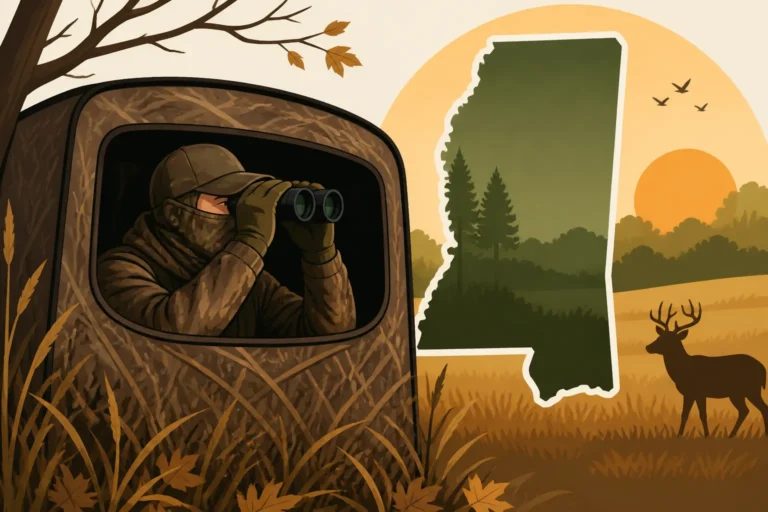
Hunting the hardwood draws of Mississippi's North Central Unit can feel like trying to find a needle in a haystack if you're not careful. These areas, while absolutely prime for deer, often challenge hunters with their dense cover, tricky terrain, and the seemingly unpredictable nature of whitetail movement. This guide is here to cut through that frustration, offering proven strategies to scout, set up, and effectively hunt those elusive North Central Unit bucks.
Understanding the North Central Unit's Hardwood Draws
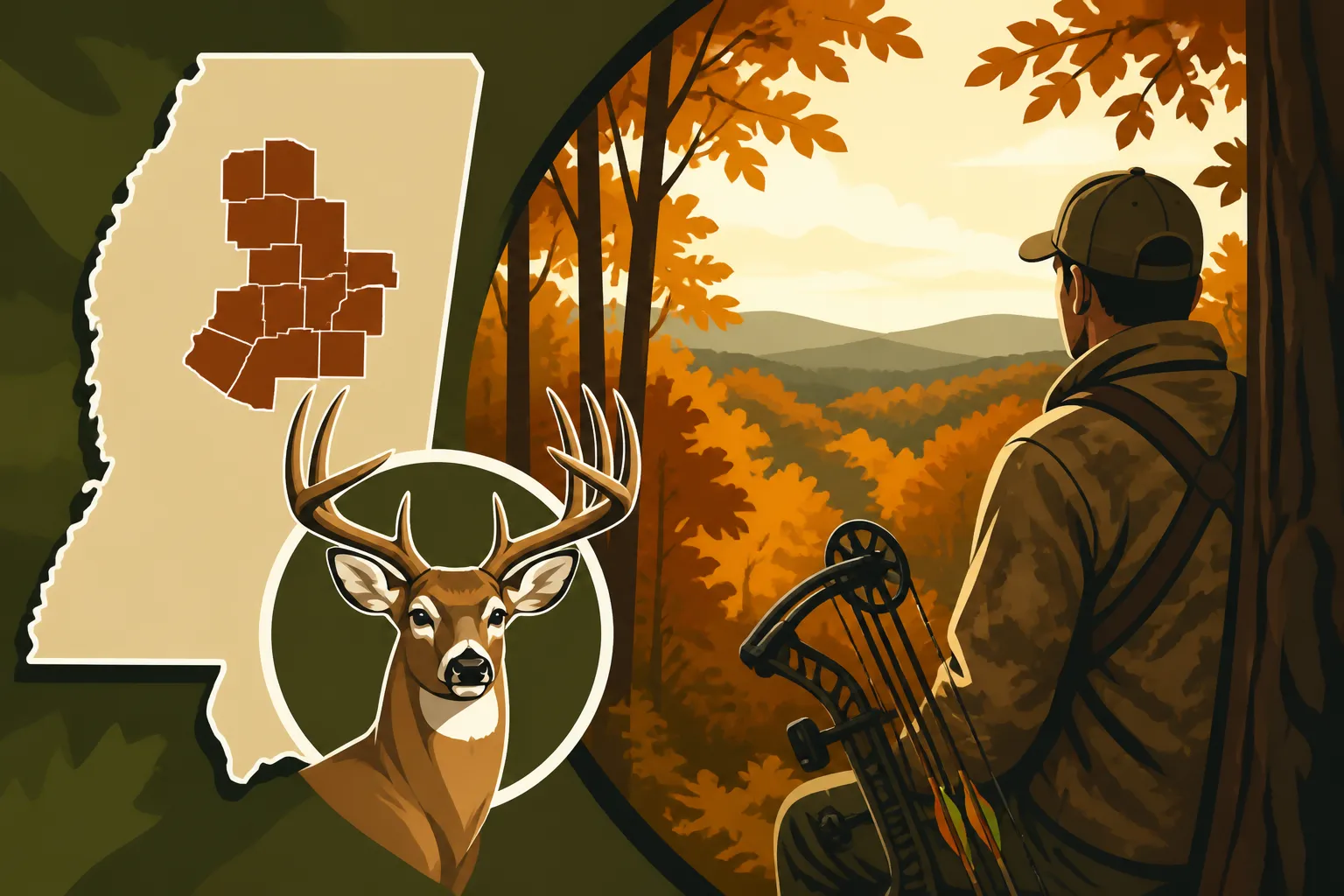
The North Central Unit, unlike the sprawling Delta or the rugged Hills, presents a unique blend of agricultural fields, mixed pine-hardwood forests, and those classic, deep hardwood draws. These draws, carved by ancient water flow, act as natural highways and sanctuaries for deer. They're often overlooked by less experienced hunters who stick to field edges, but they hold the key to consistent success, especially as the season progresses and pressure mounts. Knowing what makes these draws special and how deer utilize them is your first step to filling a tag.
Identifying Prime Draw Locations
Not all hardwood draws are created equal, and figuring out which ones hold the most promise is critical. The best draws usually connect larger blocks of timber, serve as travel corridors between bedding areas and food sources, or provide thermal cover during cold snaps. Look for draws that have diverse tree species, especially those that produce consistent mast crops like oaks, hickories, and beeches. These areas will draw deer in for food, and the topography itself offers security. You'll often find these draws running off larger ridges, dropping into creek bottoms, or acting as drainage routes through otherwise flat or gently rolling terrain. A quick glance at a topographic map, or a detailed app like GoHunt, can reveal these natural funnels and hidden pockets before you even step foot in the woods. Pay attention to how the draws interact with open fields or pine plantations, as these intersections become high-traffic zones.
Seasonal Deer Movement in Hardwood Draws
Deer use these hardwood draws differently throughout the hunting season, and understanding these shifts is paramount. Early in the archery season, deer might be focused on specific hard mast crops dropping within the draws, especially if acorns are plentiful. As the rut approaches in the North Central Unit, often peaking in late December through mid-January, these draws become prime cruising grounds for bucks searching for does. The thick cover offers concealment, making bucks feel safe moving through them even during daylight. Later in the season, during cooler weather or after heavy hunting pressure, deer will often seek the thermal cover and protection these draws provide. They become bedding areas where deer feel secure. For detailed information on specific season dates, check out the official Mississippi Deer Season Structure Explained.
Scouting Strategies for Success
You wouldn't head to a new fishing hole without knowing what bait to use, right? The same goes for hunting these hardwood draws. Effective scouting, both before and during the season, will save you countless hours of unproductive sitting and dramatically increase your chances of success. It’s about being a detective, reading the landscape, and understanding the deer that call these draws home.
Pre-Season Aerial Map and Topo Scouting
Before you even step into the woods, spend some serious time with aerial maps and topographic data. Tools like GoHunt are invaluable for this. Look for the deepest, most intricate draw systems. Identify where they connect larger timber blocks, agricultural fields, or water sources. Trace potential travel corridors where multiple draws converge or where a draw bottlenecks between a ridge and a field. Pay attention to changes in elevation that might create natural funnels or pinch points. These are the highways deer prefer. Also, identify potential access routes that minimize disturbance, keeping in mind how wind might affect your entry and exit. You’re looking for those hidden gems that might not be obvious from the road, places where the topography itself guides deer movement. This kind of diligent digital scouting is a crucial first step in any successful hunting plan.
Boots-on-the-Ground Sign Reading
Once you've identified promising areas on your maps, it’s time to hit the ground. When you're scouting hardwood draws, you're looking for undeniable evidence of deer activity. Fresh rubs on saplings and small trees indicate bucks are in the area, often marking their territory. Scrapes—patches of disturbed earth where bucks urinate and paw the ground—are like bulletin boards, telling you deer are actively communicating. Look for tracks, especially larger ones, indicating mature bucks. Pay attention to the direction of travel. Are deer coming from a bedding area in the thickest part of the draw and heading towards a known food source? Are they following the contours of the draw itself? Finding multiple fresh signs confirms consistent deer use. Don’t just look at the bottom of the draw; scout the slopes and edges, too. Sometimes the most heavily used trails run just below the crest of a ridge, offering deer an escape route to either side. Remember, fresh sign is king; old sign can be deceiving.
Using Trail Cameras Effectively
Trail cameras are your eyes in the woods when you can’t be there, and they are incredibly effective in hardwood draws. Place your cameras on well-used trails within the draw, near fresh rubs or scrapes, or where a draw opens up to a food source. Position them to capture deer moving along the travel corridor, rather than just crossing it. Using cellular cameras can provide real-time intelligence, letting you know exactly when and what caliber of deer are moving. However, even traditional SD card cameras provide invaluable insight into movement patterns, time of day, and deer density. If you're seeing consistent daytime movement of mature bucks in a particular draw, you know you’ve found a hot spot. Conversely, if you're only seeing deer after dark, you might need to adjust your setup or push deeper into the draw to find their daytime hiding spots. Consider factors like light angles to avoid silhouetted photos and potential game spooking flashes.
Optimal Stand and Blind Placement
Once you've done your homework and found a promising hardwood draw, the next challenge is positioning yourself for a shot. This isn't just about finding a tree; it's about understanding how deer use the terrain, playing the wind, and ensuring you can get in and out undetected. A poorly placed stand can educate deer and ruin a spot for the entire season.
Exploiting Funnels and Pinch Points
Hardwood draws, by their very nature, create funnels and pinch points that concentrate deer movement. A funnel might be where a wide draw narrows down, forcing deer into a smaller corridor. A pinch point could be where the draw is squeezed between a steep bank and an open field, or where two draws merge, creating a natural crossroads. These are the absolute best places to hang a stand or set a ground blind. Deer will almost invariably follow the path of least resistance or the path that offers the most security, and these natural constrictions dictate those paths. Think about where a buck would have to walk to get from one section of timber to another, or from a bedding area to a feeding area, especially during the rut when they're actively cruising. Setting up here puts the odds heavily in your favor. For more in-depth knowledge on optimizing your setup, you might find some useful tips by exploring articles like Treestand Setups in Delta National Forest for general concepts, even though the terrain differs.
Playing the Wind and Thermals
The wind, and often neglected thermals, are your most critical allies or worst enemies when hunting hardwood draws. Wind direction is paramount; you must position yourself so your scent isn't blowing into the expected travel path of deer. This often means setting up on the downwind side of a funnel or a known travel route. However, draws also introduce thermals—air currents that rise as the air warms in the morning and fall as it cools in the evening. In a deep draw, morning thermals will generally rise, carrying your scent uphill, while evening thermals will fall, carrying your scent downhill. You need to account for both the prevailing wind and these thermal currents. A common strategy is to hunt the upper third of a draw in the morning, letting your scent rise, and the lower third in the evening, letting it fall. Constantly check the wind with a powder bottle or milkweed seeds, and be prepared to move if conditions change. Using a mapping app like GoHunt that shows wind direction and allows you to plan approach routes is a game-changer.
Stealthy Entry and Exit Routes
Getting to and from your stand without alerting deer is just as important as the stand itself. If deer smell or see you entering or exiting, they’ll quickly pattern your movements and avoid the area. Plan your entry and exit routes meticulously. Use terrain features like ridge lines, deep ditches, or thick cover to conceal your movement. Walk with the wind in your face or across your body if possible. Avoid walking directly through known bedding areas or feeding zones. Your goal is to be a ghost. Sometimes, this means taking a longer, more circuitous route. If you’re hunting a morning sit, try to get into your stand well before daylight, approaching from an angle that keeps your scent out of the draw until thermals start to rise. For an evening hunt, wait until just before legal shooting light to exit, and again, use a route that minimizes disturbance. Consider articles like Finding Ground Others Walk Past for creative ways to access overlooked areas.
Hunting Tactics for Hardwood Draws
You've scouted, you've set up, now it's time to hunt. The tactics you employ within these draws can make all the difference, transitioning you from simply being present to actively engaging with deer movement. Remember, patience is a virtue, but so is understanding when to be aggressive.
Still-Hunting and Post-Rut Cruising
Still-hunting is an incredibly effective tactic in the dense cover of a hardwood draw, especially when conditions are right. This involves moving incredibly slowly, taking a few steps, then stopping for several minutes to scan for deer. Use your binoculars to pick apart the cover, looking for horizontal lines in a vertical world—a deer's back, a leg, the glint of an antler. Move into the wind, or with a favorable crosswind, using the terrain to your advantage. This method is particularly deadly during the late season and post-rut, when bucks might be less active but still using the draws for bedding or moving between food sources. During the rut, still-hunting can also be effective as bucks might be actively cruising the draws, but they will be more alert. The key is to be fluid, adaptable, and silent. Think about the articles covering Still-Hunting Hills Unit Ridges for inspiration, applying similar principles to the draw contours.
Decoy and Calling Considerations
While less common than in open fields, decoys and calling can still play a role in hardwood draws, especially during the peak rut. A single doe decoy, positioned strategically where a buck might scent-check, can draw an inquisitive deer into range. However, given the often-dense cover, visibility for a decoy can be limited, so pick your spot carefully. Calling, however, can be incredibly effective. Grunt calls, doe bleats, and even rattling can pique the curiosity of a buck moving through a draw. During the rut, a series of aggressive grunts or a rattling sequence can challenge a buck, drawing him in to investigate the supposed fight. Use these calls judiciously and realistically. A few soft grunts or bleats can sometimes be more effective than an over-the-top sequence. Always be ready for a quick shot when calling, as deer can respond rapidly and appear silently. For guidance on volume and timing, check out specific advice in articles like Grunt Calls in Mature Mississippi Timber.
Here’s a quick overview of how deer sign can guide your hunting decisions in hardwood draws:
| Deer Sign | What it Indicates | Best Hunting Tactic | Ideal Time to Hunt |
|---|---|---|---|
| Fresh Rubs | Bucks actively marking territory, usually recently shed velvet | Still-hunting, stand over rub line | Early Archery, Peak Rut |
| Fresh Scrapes | Active communication, bucks checking for does | Stand near active scrape | Pre-rut, Peak Rut |
| Heavy Tracks | Frequent deer movement, potential for larger deer | Stand over travel corridor | Anytime, especially mornings |
| Browsing/Feeding | Deer utilizing food source in draw | Stand overlooking specific food source | Early Archery, Late Season |
| Bedding Areas | Deer seeking security and rest | Still-hunting on edges, ambush travel routes | Mid-day, after cold front |
| Crossing Trails | Major travel routes between areas | Stand on funnel/pinch point | Dawn & Dusk |
Disclaimer
Hunting is an activity with inherent risks. Always prioritize safety, follow all local and state regulations, and obtain proper licensing before heading into the field. Regulations, seasons, and licensing requirements can change, so always verify the latest information with the Mississippi Department of Wildlife, Fisheries, and Parks (MDWFP) before your hunt. This guide is for informational purposes only and should not replace sound judgment and respect for wildlife.