Hunting Flooded Timber for Wood Ducks
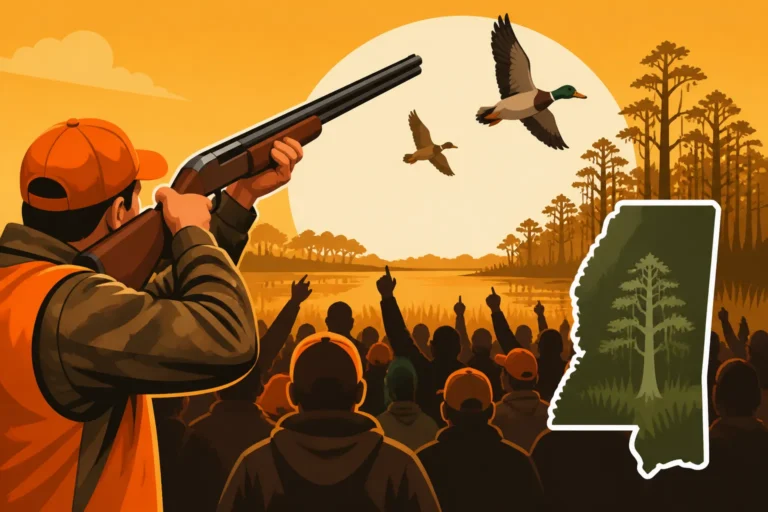
There’s nothing quite like the crisp, cold air of a Mississippi winter morning, the scent of damp earth mingling with cypress, and the hopeful anticipation of wood ducks whistling through the flooded timber. If you've ever tried to hunt these beautiful, agile birds in their natural flooded woodland habitat, you know the frustration of trying to pinpoint their preferred roosts and feeding grounds, or the challenge of setting up quietly without spooking them. This guide aims to demystify the art and science of hunting flooded timber for wood ducks in Mississippi, offering practical strategies and insights to help you put more birds in the bag.
Understanding Mississippi's Flooded Timber Habitat
Hunting wood ducks in Mississippi's flooded timber isn't just a pursuit; it's an immersion into a unique ecosystem. These birds thrive in bottomland hardwood forests, especially when those forests are intentionally or naturally inundated. The Delta region, with its vast tracts of low-lying land, is particularly renowned for offering prime habitat.
The Unique Appeal of Green-Tree Reservoirs (GTRs)
Green-tree reservoirs, or GTRs, are specifically managed bottomland hardwood forests that are flooded during the winter months to attract waterfowl. These are game-changers for wood duck hunting. The Mississippi Department of Wildlife, Fisheries, and Parks (MDWFP) manages several such areas, providing critical habitat and hunting opportunities. For instance, the Delta National Forest, which is home to the Sunflower WMA, maintains several prominent GTRs that consistently draw in large numbers of ducks, including wood ducks. These managed areas offer an almost perfect blend of food and shelter, making them irresistible to migratory birds.
What makes GTRs so effective is their ability to control water levels. Forest managers flood these areas when acorns and other mast crops are abundant, making these crucial food sources accessible to ducks. Once the ducks have depleted the readily available food, or once the hunting pressure becomes too high, the water can be drawn down, allowing the forest floor to dry out and promoting healthy tree growth. This cyclical management creates a sustainable environment that keeps birds returning year after year. Hunters benefit from these efforts by having consistent access to prime wood duck habitat, even if it requires a bit more effort to reach. You might even find yourself hunting a Sunflower WMA Greentree Reservoir within one of these areas.
Identifying Productive Timber Stands
Not all flooded timber is created equal for wood ducks. Identifying productive stands is key to consistent success. Wood ducks prefer areas with a good mix of mature hardwoods, particularly oaks that produce abundant acorns. Look for areas with a dense canopy but still enough space for birds to maneuver through the trees. Cypress and tupelo brakes also hold wood ducks, especially if they are interspersed with oaks. The edges of sloughs, small creeks, and natural drainages within the timber often act as travel corridors and loafing areas.
When scouting, pay close attention to the types of trees. Pin oaks, willow oaks, Nuttall oaks, and water oaks are major food sources. If you can find flooded stands with heavy acorn production, you’re in a honey hole. Beyond food, consider escape cover. Wood ducks are fast fliers and prefer timber that offers them cover from predators while still allowing them to navigate quickly. Areas with tangled brush or thick undergrowth can be good for hiding your presence, but if it's too thick for the birds to fly, they'll often avoid it. Look for those "sweet spots" where overhead cover meets relatively open understory.
Water Levels and Their Impact
Water levels are arguably the single most critical factor in flooded timber wood duck hunting. Too little water, and ducks can't access the acorns or find sufficient cover. Too much water, and they disperse across vast areas, making them harder to find and concentrate. The ideal scenario is typically when the water is just deep enough to cover the forest floor, usually between one and three feet, allowing ducks to dabble for acorns and giving hunters plenty of room to wade and set up decoys.
Fluctuations in water levels, whether from heavy rains or managed drawdowns, can drastically change the hunting conditions overnight. A sudden drop might leave the timber too shallow, pushing birds to deeper sloughs or nearby fields. Conversely, a rapid rise can open up new areas, dispersing the birds. It's crucial to stay informed about local rainfall and river levels, especially for public lands where water management schedules can influence hunting access and success. Sites like GoHunt can be invaluable for checking public land conditions, including water levels, before you even leave home. This constant monitoring helps you anticipate bird movements and adjust your strategy accordingly, preventing a wasted trip when the ducks have moved on.
Essential Gear and Setup for Timber Hunting
Flooded timber hunting presents its own unique challenges, demanding specific gear to keep you comfortable, safe, and effective. You can't just show up with your field gear and expect to stay dry and hidden.
Waders, Boats, and Decoy Spreads
First and foremost, a good pair of waders is non-negotiable. Chest waders are typically preferred, providing maximum protection against cold water and unexpected dips. Look for insulated models if you plan to hunt through the colder parts of the season. Neoprene is a popular choice for warmth, while breathable materials are great for strenuous walks to your spot. Beyond waders, consider a reliable way to transport your gear. Many hunters opt for small jon boats or canoes if access points are available, allowing them to carry decoys, calls, and other essentials without straining themselves. These can be paddled or even pushed through shallow water. For areas with limited boat access, a sturdy duck sled can be a lifesaver for hauling gear through tough terrain.
Decoy spreads for wood ducks in flooded timber tend to be much smaller and more natural than those used in open water. Wood ducks are often found in tight groups, so a spread of six to twelve decoys is usually more than sufficient. Focus on realistic wood duck decoys, but don't hesitate to mix in a few mallard or teal decoys for added visibility. Place them in pockets within the timber where light can hit them, making them more noticeable to passing birds. A common strategy is to create a small opening or "landing zone" in front of your blind, with decoys positioned around the edges to guide birds into your shooting lane. Consider adding a few motion decoys, like jerk strings or spinning-wing models, to create movement on the water, mimicking active birds.
Camouflage and Concealment Strategies
Concealment is paramount when hunting wood ducks in flooded timber. These birds have incredible eyesight and are masters of flying through dense cover. Your camouflage needs to blend seamlessly with the specific environment you're in. Opt for patterns that mimic tree bark, leaves, and shadows, such as Mossy Oak Bottomland or patterns with a lot of dark, vertical elements. Don't forget to cover your face and hands with gloves and a face mask; a bright face or exposed hands are often the first thing a wary wood duck will spot.
Beyond personal camouflage, creating an effective blind is critical. Many timber hunters use natural cover, brushing themselves into a cluster of trees or behind a downed log. If you use a portable blind, make sure it’s heavily brushed in with natural vegetation from the immediate area. Cut limbs, cypress branches, or palmetto fronds work wonders. The goal is to break up your outline completely, making you blend into the background. Remember to set up with the sun at your back if possible, both to keep your face in shadow and to illuminate the incoming birds for better shooting visibility. The key is to disappear into the forest, becoming just another part of the flooded woods.
Shotgun and Ammunition Choices
When it comes to shotguns for wood ducks, versatility and reliability are key. A 12-gauge shotgun is the most popular choice, offering a good balance of power and pellet count, but a 20-gauge is also highly effective and often preferred by hunters who appreciate its lighter weight and reduced recoil, especially during long hunts in dense cover. Semi-automatic shotguns are great for quick follow-up shots, which can be crucial when multiple wood ducks zip through the timber. Pump-action shotguns are also dependable workhorses for this type of hunting. The main thing is that you're comfortable with your firearm and can swing it quickly and smoothly.
Ammunition choice is equally important. Given federal regulations, you must use non-toxic shot for all waterfowl hunting, including wood ducks. Steel shot is the most common and affordable option, but choose smaller shot sizes like #3 or #4 to maximize pellet count, which is vital for hitting fast-flying wood ducks through dense timber. Higher-density non-toxic alternatives like bismuth, tungsten-iron, or Hevi-Shot offer superior performance, especially for longer shots, as they retain more energy and penetrate better than steel. However, these can be significantly more expensive. For typical timber hunting distances, standard steel loads in a #3 or #4 shot will get the job done if you can place your shots effectively. Always pattern your shotgun with your chosen ammunition before the season to understand its performance.
Mastering Wood Duck Behavior and Calling
Wood ducks are unique in their habits and require a specialized approach compared to mallards or other puddle ducks. Understanding their tendencies and how to mimic their vocalizations will drastically improve your success.
Deciphering Wood Duck Flight Patterns
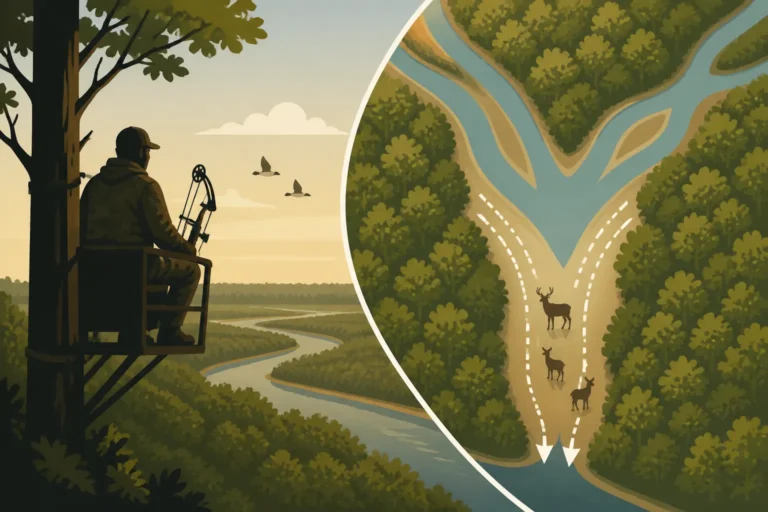
Wood ducks are creatures of habit, often flying specific routes between their roosting areas, feeding grounds, and loafing spots. They are early risers and late flyers, meaning the best action in the timber often occurs at dawn and dusk. During these times, they'll fly low through the timber, hugging the treeline and navigating the maze of trunks and branches with surprising agility. Observing these flight paths during scouting is crucial. Look for openings in the canopy, bends in sloughs, or natural funnels created by dense stands of trees – these are often their preferred highways.
Mid-day activity can be spotty, but wood ducks will occasionally move between feeding sites or simply adjust their loafing areas. They prefer quiet, secluded spots to rest, often in dense cover that provides security. If you find a consistently active flight path, set up along it. Unlike field hunting where ducks might circle high, wood ducks in timber will often come in fast and low, giving you only a few seconds for a shot. Be ready, anticipate their direction, and don't hesitate. This is where quick reflexes pay off.
The Art of Wood Duck Calling
The wood duck call is distinct and essential for attracting these birds. Unlike the varied quacks and hails of a mallard, the wood duck's primary call is a high-pitched, almost squealing "woo-eek!" or "jeeeeee." Mastering this whistle is vital. Most wood duck calls are simple, single-reed whistles that are relatively easy to learn. The key is to make the sounds crisp and clear, mimicking the excitement of a feeding or contented wood duck.
Beyond the main whistle, learn the "squeal" and the "kik-kik-kik" alarm call, though the latter is primarily used to signal danger and rarely to attract. The "woo-eek" is primarily used to attract distant birds or to reassure circling birds that the area is safe. Don't overcall; a few well-placed calls are often more effective than constant calling. Listen to how natural wood ducks sound and try to emulate their cadence and volume. Sometimes, a subtle, contented murmur of a feeding chuckle, using a mallard call quietly, can also entice them to drop in, especially if they’re already nearby. The ability to call effectively when Rattling and Grunting in Mississippi for deer hunters is a skill, and it's no different for waterfowl.
Ethical Considerations and Species Identification
Ethical hunting practices are paramount, especially when targeting specific species. One critical aspect is positive species identification before you shoot. Wood ducks are fairly distinctive with their iridescent plumage and crested heads, but in low light, they can be mistaken for other ducks. Always be certain of your target before you pull the trigger. If you have any doubt, don't shoot. This not only ensures you stay within legal bag limits for wood ducks but also protects non-target species.
Another ethical consideration is shot placement and retrieval. Wood ducks are tough birds, and hitting them cleanly is important for a quick, humane kill. Due to the dense timber, retrieving downed birds can be incredibly challenging. Always watch where your bird falls and make a mental note of landmarks. A good retriever dog is an invaluable asset in flooded timber, but if you're hunting without one, mark the spot meticulously. It's unethical and wasteful to leave a downed bird simply because retrieval is difficult. Make every effort to recover your game.
Strategic Approach and In-the-Field Tactics
Success in flooded timber for wood ducks hinges on meticulous planning and adaptable in-the-field execution. From pre-hunt scouting to the actual moment of truth, every step counts.
Scouting Before the Hunt
Effective scouting is the bedrock of successful wood duck hunting in flooded timber. You can't just stumble into a promising-looking patch of woods and expect birds to be there. Start by identifying potential public land access points or private land opportunities. The MDWFP website offers excellent resources, including maps of WMAs and national forests that highlight flooded timber areas. Look for low-lying areas, especially in counties known for strong waterfowl populations in the Mississippi Delta.
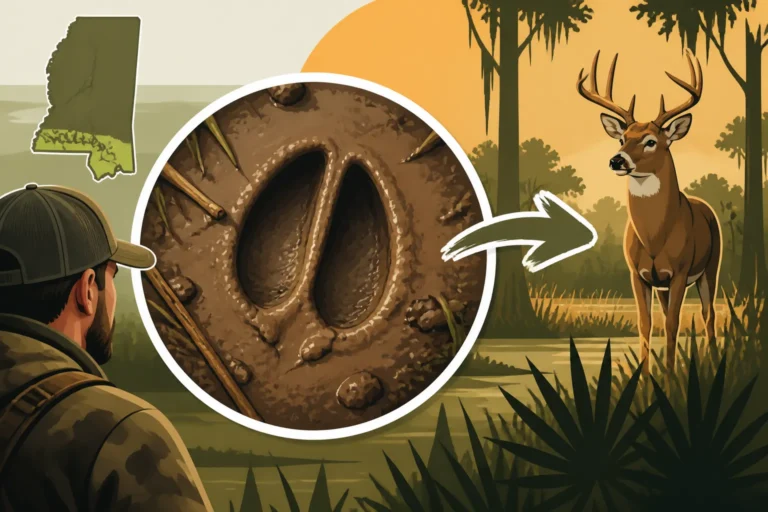
Once you've identified potential areas, it's time for boots-on-the-ground scouting. Visit the timber before the season or even a few days before your planned hunt. Look for fresh sign: wood duck droppings on logs, feathers on the water's edge, or distinctive "splashdowns" where birds have been landing. Listen for their calls, especially at dawn or dusk, to pinpoint roosting or feeding areas. Pay close attention to water levels and identify travel corridors. A GPS with satellite imagery, like the kind available through GoHunt, can be a game-changer here, allowing you to mark prime spots, potential blind locations, and safe travel routes through the timber, even when you're without cell service. Don't be afraid to walk a little farther, as Finding Ground Others Walk Past is often where you'll find undisturbed birds.
Setting Up Your Blind and Spread in the Timber
Your setup in flooded timber should prioritize concealment and a clear shooting lane. Once you've chosen your spot based on scouting, take your time to build or brush in your blind. Use natural materials whenever possible to blend seamlessly with your surroundings. Think about what trees or thickets offer the best cover. Ideally, you want a position that offers a clear view of where you expect the birds to come from, without compromising your concealment. Remember, wood ducks typically fly low through the canopy, so consider overhead cover too.
Decoy placement is about creating an inviting and visible landing zone. A small, open pocket in the timber, free of dense brush, makes an ideal landing strip. Place your wood duck decoys in realistic groups around the edges of this opening, facing into the wind. If there's a strong current, anchor them well. Some hunters find success by creating a "gap" in the decoys, leading directly to their intended shooting lane. This directs the ducks' attention and flight path. Consider a few mallard decoys to add visibility from a distance, as other ducks may also be present, but keep the wood duck decoys as the primary focus. Remember to set up with the wind mostly at your back or quartering, as ducks almost always land into the wind.
Working the Birds and Making the Shot
When the birds start flying, patience and quick reactions are paramount. Unlike field hunting where you might see birds circling for minutes, wood ducks in timber are often in and out in seconds. As soon as you spot birds, make eye contact with your hunting partners and get ready. Your call should be subtle at first, just enough to get their attention if they're still distant. As they get closer, a more excited "woo-eek" can help pull them into your spread. Don't overcall; let the decoys and natural setting do most of the work once they're locked in.
When they commit, let them come. Many hunters make the mistake of shooting too soon. Wait until they are fully committed, cupped up, and ideally within your shooting lane. When you make the decision to shoot, rise smoothly but quickly, pick a single bird, and swing through it. Lead will vary based on their speed and angle, but generally, a good lead is necessary for these fast-flying birds. Don't forget follow-up shots; wood ducks rarely fly alone, and a second or third bird might be right behind the first. Keep your head down after the shot to watch where the bird falls, making retrieval much easier in the dense cover.
Common Challenges and Troubleshooting
Flooded timber hunting, while rewarding, definitely throws its fair share of curveballs. You've got to be prepared to adapt, or you'll find yourself frustrated more often than not.
Dealing with Changing Water Levels and Weather
Mother Nature has a way of dictating the success of a timber hunt, especially when it comes to water levels and weather. A beautiful, stable water level one day can be completely transformed by a heavy rain event overnight, making your previously scouted honey hole either too deep or too shallow. When water levels drop significantly, wood ducks will often abandon the shallow timber for deeper sloughs, creeks, or even open water areas like flooded fields. You might need to quickly scout new areas or switch your focus to places with more consistent water. Conversely, a sudden rise can open up vast new feeding areas, spreading the birds out and making them harder to concentrate.
Weather patterns also play a huge role. Cold fronts typically bring new birds into the Mississippi Flyway, making for exciting hunting, but they also bring colder temperatures. Be prepared with extra layers of clothing, insulated waders, and even hand warmers. Warm, sunny days can make birds less active during mid-day, focusing their movement on early mornings and late evenings. Fog can completely shut down flights, creating dangerous conditions. Always check the forecast and have a backup plan. Sometimes, a change of scenery, perhaps to a different type of habitat if the timber isn't producing, is your best bet for continued success.
Handling Hunting Pressure
One of the biggest frustrations, especially on public land, is dealing with hunting pressure. When a spot is hot, everyone wants to be there. This increased pressure can quickly make wood ducks wary, changing their flight patterns and making them harder to decoy. Birds that were flying confidently just yesterday might now skirt around your setup, flying high or wide. On popular WMAs, like those within the Delta National Forest, Why Mississippi's Gun Opener Draws the Biggest Crowds and similar high-traffic periods mean you might need to adjust your approach for waterfowl too.
To combat pressure, try to find less accessible areas. This might mean wading farther, pushing through tougher cover, or utilizing a small boat to reach spots others overlook. The farther you get from easy access points, the better your chances of finding undisturbed birds. Being the first one in the timber in the morning can also make a big difference, allowing you to set up before other hunters arrive. If birds are consistently avoiding your area, it might be time to move. Sometimes, simply relocating a few hundred yards to a different pocket of timber can make all the difference, especially if you can get between the birds and a perceived threat.
Retrieving Birds in Thick Cover
Retrieving downed wood ducks in flooded timber can be a nightmare if you're not prepared. The dense stands of trees, tangled undergrowth, and varying water depths can make finding a fallen bird incredibly difficult, leading to lost birds and a lot of frustration. This is where a well-trained retriever dog truly shines. A good retriever is often considered an essential partner for flooded timber hunting, capable of navigating the water and obstacles to bring back your game.
If you don't have a dog, precise marking of where the bird fell is absolutely critical. Fix your eyes on the spot where the bird disappeared and pick out specific trees or branches as landmarks. Don't immediately jump up and run to the spot; take a moment to absorb the location. Once you start retrieving, move slowly and methodically. Use a long pole or stick to probe the water and push through vegetation. Sometimes, circling the area from different angles can help you spot the bird. It's a testament to the challenge that many hunters will tell you that a successful retrieve in heavy timber can be as satisfying as the shot itself.
Legal Aspects and Conservation Efforts
Hunting wood ducks, like all waterfowl, comes with a set of specific regulations designed to ensure sustainable populations and ethical hunting. Understanding these rules is not just about compliance; it's about being a responsible conservationist.
Mississippi Regulations for Waterfowl
Mississippi has specific regulations for waterfowl hunting that all hunters must adhere to. These include specific hunting seasons, shooting hours (typically one-half hour before sunrise to sunset), and legal methods of take. You must possess a valid Mississippi hunting license, a federal duck stamp, and a Mississippi Migratory Bird Stamp. Additionally, all migratory bird hunters are required to be HIP (Harvest Information Program) certified annually. These requirements apply whether you're hunting on private land or public areas like the Mahannah Wildlife Management Area. The Mississippi Department of Wildlife, Fisheries, and Parks (MDWFP) website is your go-to source for the most up-to-date regulations, as they can change annually.
It's crucial to understand the rules regarding baiting, motorized vehicles, and specific restrictions on WMAs. For instance, some WMAs might have different shooting hours or may restrict certain types of boats or motors. Always check the specific WMA regulations before you hunt. Being caught violating baiting rules or hunting out of season can result in hefty fines and loss of hunting privileges. Ignorance of the law is not an excuse, so take the time to read through the current Mississippi Waterfowl Zones and Seasons and specific rules for the area you plan to hunt.
Understanding Wood Duck Bag Limits
Bag limits are a fundamental tool in waterfowl management, ensuring that harvest levels remain sustainable. For wood ducks, Mississippi's daily bag limit is typically set to allow hunters a reasonable opportunity while protecting the overall population. It's important to differentiate between the overall daily duck bag limit and species-specific limits. For example, while the general Mississippi Duck Daily Bag Limit might be six ducks, there's usually a sub-limit on species like wood ducks, often two or three per day.
These limits are carefully determined by wildlife biologists based on population surveys, breeding success, and harvest data. Over-harvesting any particular species can have long-term negative impacts on the population. Always count your birds and know your limits before you head out. It's a good practice to designate a "duck counter" in your hunting party to ensure everyone stays compliant. Ethical hunters respect these limits not just because it's the law, but because it ensures future generations will also have the opportunity to hunt these incredible birds.
Supporting Conservation for Future Generations
Every hunter has a role to play in conservation. The fees from your hunting license, the federal duck stamp, and the Mississippi Migratory Bird Stamp directly fund waterfowl habitat conservation and research efforts. These funds go towards wetland restoration, habitat management on public lands, and scientific studies that inform management decisions. Without these contributions, the abundant waterfowl populations we enjoy today would likely not exist.
Beyond financial contributions, active participation in conservation can take many forms. Supporting organizations like Ducks Unlimited or Delta Waterfowl, volunteering for habitat projects, or simply educating others about the importance of conservation are all valuable contributions. Being a responsible hunter, adhering to regulations, practicing ethical harvesting, and ensuring proper identification are all forms of conservation in action. We are stewards of these natural resources, and it's our responsibility to leave them better than we found them for the generations of hunters and wildlife enthusiasts to come.
Disclaimer
The information provided in this guide is for general informational purposes only and does not constitute legal advice. Hunting regulations, seasons, and licensing requirements are subject to change. Always consult the official Mississippi Department of Wildlife, Fisheries, and Parks (MDWFP) website or printed regulations for the most current and accurate information before engaging in any hunting activities. Adherence to all local, state, and federal laws is the responsibility of the individual hunter.