Mississippi Youth Turkey Bag Limit
Hunting with young folks is one of the most rewarding experiences we can have in the Mississippi outdoors, but let's be honest, trying to keep up with all the specific regulations for youth seasons can feel like trying to hit a fast-flying gobbler with a slingshot. It's confusing! This comprehensive guide will walk you through everything you need to know about the Mississippi youth turkey bag limit, breaking down the rules, permits, and best practices so you can focus on making lasting memories with the next generation of hunters.
Understanding the Mississippi Youth Turkey Bag Limit
When it comes to introducing kids to turkey hunting in Mississippi, the Mississippi Department of Wildlife, Fisheries, and Parks (MDWFP) has some fantastic opportunities, including a dedicated youth season. This is designed to give younger hunters a chance to experience the thrill of the spring woods before the general season opens and the pressure intensifies. However, understanding the exact bag limits for these special hunts is crucial to ensure everyone is hunting legally and ethically. It's not just about getting a bird; it's about teaching responsible hunting from the start.
The Specific Youth Bag Limit
For the Mississippi youth turkey season, which typically precedes the statewide general season, the bag limit is usually set at one gobbler per day, with a season limit of two gobblers. This is consistent across all four of Mississippi's deer management units – the Delta, Hills, Northeast, and Southeast – during the designated youth weekend. It’s important to note that these birds must be gobblers, meaning male turkeys, and they must have a visible beard. This is pretty standard across the board for spring turkey hunting, but it’s always good to reiterate, especially for new hunters. The idea is to allow young hunters a fair chance to fill their tags while still protecting the overall turkey population.
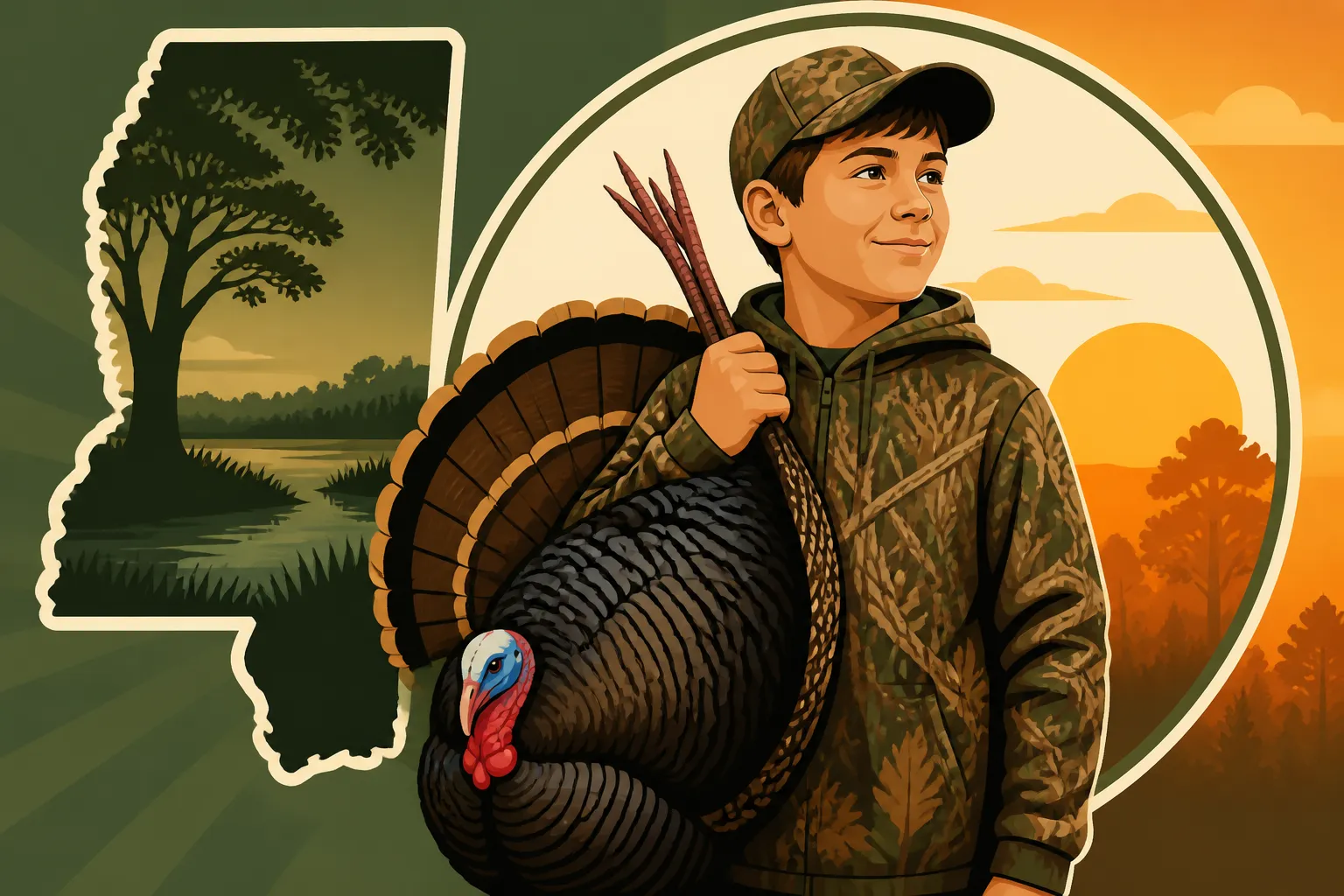
Consider a scenario: you're out with your grandson, John, during the youth weekend in the Hills Unit. After a chilly morning of setting up decoys and calling, a longbeard finally commits, strutting into range. John makes a great shot, and you recover his first turkey. That's one gobbler down for his season. Later that day, or even the next day if the youth season spans multiple days, he's allowed to harvest a second gobbler. However, once that second bird is tagged, his spring turkey hunting for the youth season is complete, even if the adult season hasn't even started yet. It's a clear cut limit designed to give a positive hunting experience without overharvesting.
Comparing Youth and Adult Limits
It's easy to get the youth limits mixed up with the adult or general season limits, especially since the youth season often runs directly into the adult opener. For adult hunters, the statewide limit is also typically two gobblers per spring season. So, in terms of the total number of birds, the youth and adult limits often align. The critical difference, though, lies in when those birds can be harvested and under what specific conditions.
Think about it like this: an adult hunter starts their season on the statewide opener, and they have the entire season to take their two gobblers. A youth hunter, on the other hand, gets a head start. If they harvest their two gobblers during the special youth season, they are done for the spring, even when the adult season kicks off. They cannot continue to hunt during the general season unless they somehow qualify as an adult hunter by age and licensing, which would defeat the purpose of the youth hunt. This differentiation creates less competition for younger hunters and allows them to gain valuable experience. It’s a wonderful way to foster independence in the field while still providing necessary guidance.
Here's a quick comparison of the typical limits:
| Category | Mississippi Youth Turkey Season (Gobblers) | Mississippi Adult Turkey Season (Gobblers) |
|---|---|---|
| Daily Bag Limit | 1 | 1 |
| Season Bag Limit | 2 | 2 |
| Beard Requirement | Yes (visible beard) | Yes (visible beard) |
| Season Timing | Special early period | Statewide general season |
| Supervision Required | Yes (licensed adult 21+, not hunting) | No (unless apprentice hunter) |
This table highlights that while the number of turkeys is often the same, the framework of the hunt is entirely different, prioritizing the youth experience. For more on the general season, check out our guide on Mississippi Spring Turkey Season Rules.
Rules and Regulations for Youth Turkey Hunting
Beyond just the bag limit, there are several other critical rules and regulations that parents, guardians, and mentors need to be intimately familiar with before taking a young hunter into the Mississippi turkey woods. These aren't just suggestions; they are legal requirements designed to ensure safety, promote ethical hunting, and comply with state wildlife management goals. It's our responsibility as experienced hunters to instill these principles in the younger generation from day one.
Age Requirements and Licensing
In Mississippi, youth hunters are generally defined as individuals under the age of 16. However, the exact licensing requirements can vary slightly depending on their age and hunter education status. For instance, any hunter 15 years old and younger is typically exempt from hunter education requirements if they are hunting under the direct supervision of a licensed adult 21 years of age or older. This is where the Mississippi Apprentice Hunter License Rules might come into play if you're an adult mentoring a youth who is old enough to technically need a license but hasn't completed hunter education yet.
It’s crucial to purchase the correct licenses for both the youth and the supervising adult. While some very young hunters might not need a specific turkey stamp, it's always best to consult the current MDWFP regulations or use an app like GoHunt to verify the specific requirements for your child's age group. For example, if your child is 10 years old, they would generally not need to purchase a license, but you, as the supervising adult, absolutely would need a valid All-Game or Sportsman's License. Don't let a simple oversight ruin a great hunt and potentially lead to a citation. Every year, I hear stories of folks forgetting a small detail like this, and it’s always heartbreaking to see a hunting trip cut short because of it.
Supervision Requirements
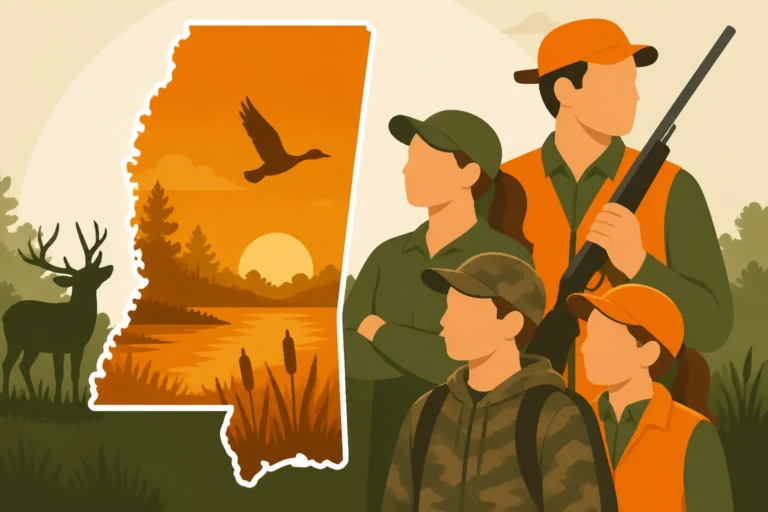
The supervision rule is perhaps one of the most important aspects of youth turkey hunting in Mississippi. During the designated youth turkey season, any youth hunter under the age of 16 must be accompanied by an adult, 21 years of age or older, who possesses a valid Mississippi hunting license. Here’s the kicker: this supervising adult cannot hunt during the youth season. Their role is strictly to guide, instruct, and ensure the safety of the youth hunter. This means no carrying a loaded firearm for the purpose of hunting, no calling birds to themselves, and no attempting to harvest a turkey.
This rule is a fantastic opportunity for mentors to truly immerse themselves in teaching. Instead of focusing on getting their own bird, they can dedicate 100% of their attention to the youth. They can teach calling techniques, emphasize patience, explain why certain setups work better than others, and reinforce crucial safety rules. I've had some of my best turkey hunting experiences simply watching a young hunter learn and succeed, even if I wasn't carrying a gun myself. It's about passing on the tradition, not filling your own tag. If you're wondering about the rules for older youth and unsupervised hunting, you might find our article on Minimum Age for Unsupervised Mississippi Hunting helpful.
Legal Firearms and Equipment
When hunting turkeys, shotguns are the most common and effective firearm choice. For youth hunters, it's particularly important to ensure they are using a shotgun that fits them properly and that they can handle safely and accurately. A properly fitted 20-gauge shotgun is often a much better choice for a smaller youth than a full-sized 12-gauge, reducing recoil and making the overall experience more enjoyable and less intimidating. The focus should always be on control and comfort, not brute power.
In addition to the shotgun, appropriate ammunition, calls, and camouflage are essential. Pattern your shotgun with the chosen turkey loads beforehand to ensure it throws a dense enough pattern at various ranges. Teaching a youth how to use different turkey calls – from slate calls to mouth diaphragms – can be a huge part of the fun. And good camouflage isn't just for hiding; it also teaches the importance of blending into the environment and respecting the keen eyesight of a wild turkey. Using a modern mapping app like GoHunt can help you scout and identify potential roosting areas or travel corridors, making the setup much more efficient for a youth hunter.
Benefits of Youth Turkey Hunting
Beyond the immediate thrill of a successful hunt, introducing young people to turkey hunting offers a wealth of benefits that extend far beyond the woods. It's an investment in their character, their connection to nature, and the future of our hunting traditions. These hunts are about building memories and instilling values that will serve them throughout their lives.
Fostering a Love for the Outdoors and Conservation
Getting kids into the woods for turkey season isn't just about bagging a bird; it's about igniting a lifelong passion for the outdoors. The early morning chill, the symphony of birds waking up, the sound of a distant gobble echoing through the timber—these are experiences that stay with a child forever. It teaches them patience, observation skills, and a deep appreciation for the natural world. When they see firsthand the intricate ecosystems, the challenges wildlife face, and the role hunting plays in conservation, they develop a profound respect for it.
This hands-on experience in nature cultivates a sense of stewardship. They learn that hunting isn't just about taking; it's about managing populations, protecting habitats, and ensuring there are wild places and wild game for future generations. This understanding is foundational to creating responsible conservationists. After all, hunters are some of the most ardent conservationists, contributing billions of dollars through license fees and excise taxes on equipment. When a child learns to hunt, they join this legacy.
Building Skills and Character
Turkey hunting demands a unique set of skills: patience, stealth, keen observation, and decision-making under pressure. For a youth hunter, mastering these skills is a huge confidence booster. They learn to sit still for extended periods, to identify different bird calls, to read the terrain, and to make ethical shots. These aren't just hunting skills; they are life skills. The discipline required to wait for the right shot, the perseverance needed after a quiet morning, and the quick thinking in a sudden encounter all contribute to a child's character development.
Imagine a young hunter, nervous but determined, making their first successful call, or sitting perfectly still as a gobbler struts into view. These moments build resilience and self-reliance. They learn that success comes from preparation and persistence. Furthermore, the mentorship aspect teaches respect for elders and the value of shared knowledge. It’s a powerful lesson in earned success and the importance of ethical behavior, even when no one else is watching.
Creating Lasting Family Memories
Perhaps the most invaluable benefit of youth turkey hunting is the opportunity to create enduring family memories. These are the stories that get retold around campfires for years to come. The botched calls, the unexpected encounters, the shared laughter, and the quiet moments of connection in the wild—they all weave into the fabric of family history. In a world increasingly dominated by screens and indoor activities, these hunts provide a vital connection to tradition and to each other.
There’s something uniquely special about sharing a sunrise in the turkey woods with a child. It’s a bonding experience unlike any other, fostering communication and mutual respect. The pride in a child’s eyes after harvesting their first turkey is truly priceless. These shared adventures solidify family bonds and pass down a cherished way of life. These are the moments that shape future generations of hunters and outdoors enthusiasts.
Preparing for a Successful Youth Turkey Hunt
A successful youth turkey hunt isn't just about luck; it's about meticulous preparation, careful planning, and a strong emphasis on safety. Taking the time to properly prepare will not only increase the chances of harvesting a bird but, more importantly, will ensure a positive and safe experience for the young hunter.
Pre-Season Scouting and Planning
Just like any good turkey hunt, success often starts long before opening day. Pre-season scouting is crucial, especially when hunting with youth. Use tools like the MDWFP's online maps or the GoHunt app to identify potential hunting areas. Look for known turkey roosting sites, feeding areas like acorn flats or chufa plots, and travel corridors. Even a quick drive-through or a walk in the woods a few weeks before the season can give you a lay of the land and reveal fresh sign. For public land options, our article on Scouting Mississippi Public Land Before Season offers some great starting points.
When planning, consider the youth hunter's comfort and endurance. Long hikes in rugged terrain might not be ideal for a younger child. Look for spots that offer easier access, a relatively short walk, and good cover for setting up. Think about potential blind locations – a pop-up ground blind can be incredibly comfortable and forgiving for a fidgety young hunter, allowing them to move around a bit without spooking wary gobblers. Having a clear plan for entry and exit, and a backup plan for different weather conditions, can make all the difference.
Essential Gear and Safety Considerations
Bringing the right gear is paramount for a comfortable and safe youth hunt. Beyond the properly fitted shotgun and appropriate ammunition, think about items that enhance the experience. A comfortable hunting chair or cushion, plenty of water and snacks, and layers of clothing to adapt to changing temperatures are all critical. A good pair of binoculars can keep a young hunter engaged, helping them spot birds or other wildlife. Don't forget bug spray – Mississippi woods can be notorious for mosquitoes and ticks!
Safety, of course, is the absolute top priority. Before heading out, review firearm safety rules thoroughly with your youth hunter. Emphasize target identification and always being 100% certain of your target and what’s beyond it. Teach them how to safely load, unload, and carry their shotgun. During the hunt, the supervising adult should always be aware of the youth's firearm's muzzle direction. Brightly colored blaze orange should be worn when walking into and out of the woods, and removed once safely in your hunting spot. Having a first-aid kit, a fully charged cell phone (though service can be spotty), and a clear understanding of the hunt plan with someone back home are also non-negotiable safety measures. You can also explore Setting Up Against a Big Oak for an idea of a good safe setup.
Field Etiquette and Ethics
Teaching proper field etiquette and ethical hunting practices is as important as teaching gun safety. This includes respecting other hunters, leaving no trace, and handling harvested game with respect. If you encounter another hunting party, give them ample space and avoid interfering with their hunt. Pack out everything you pack in, and perhaps even a little more, leaving the woods cleaner than you found them.
When a gobbler is harvested, teach the youth the importance of quickly and humanely dispatching the animal, and then properly tagging and checking it. Mississippi has specific deer and turkey reporting requirements, often done via the MDWFP app or website, and it's a great opportunity to show a youth hunter how to legally fulfill these obligations. This process reinforces the respect for the animal and the regulatory framework that supports wildlife management. These lessons in ethics and respect are just as valuable as the hunt itself.
Disclaimer
The information provided in this guide is for general informational purposes only and is not intended to be legal advice. Hunting regulations, season dates, and bag limits are subject to change. Always consult the official Mississippi Department of Wildlife, Fisheries, and Parks (MDWFP) regulations annually before planning any hunt to ensure compliance with the most current laws and rules.