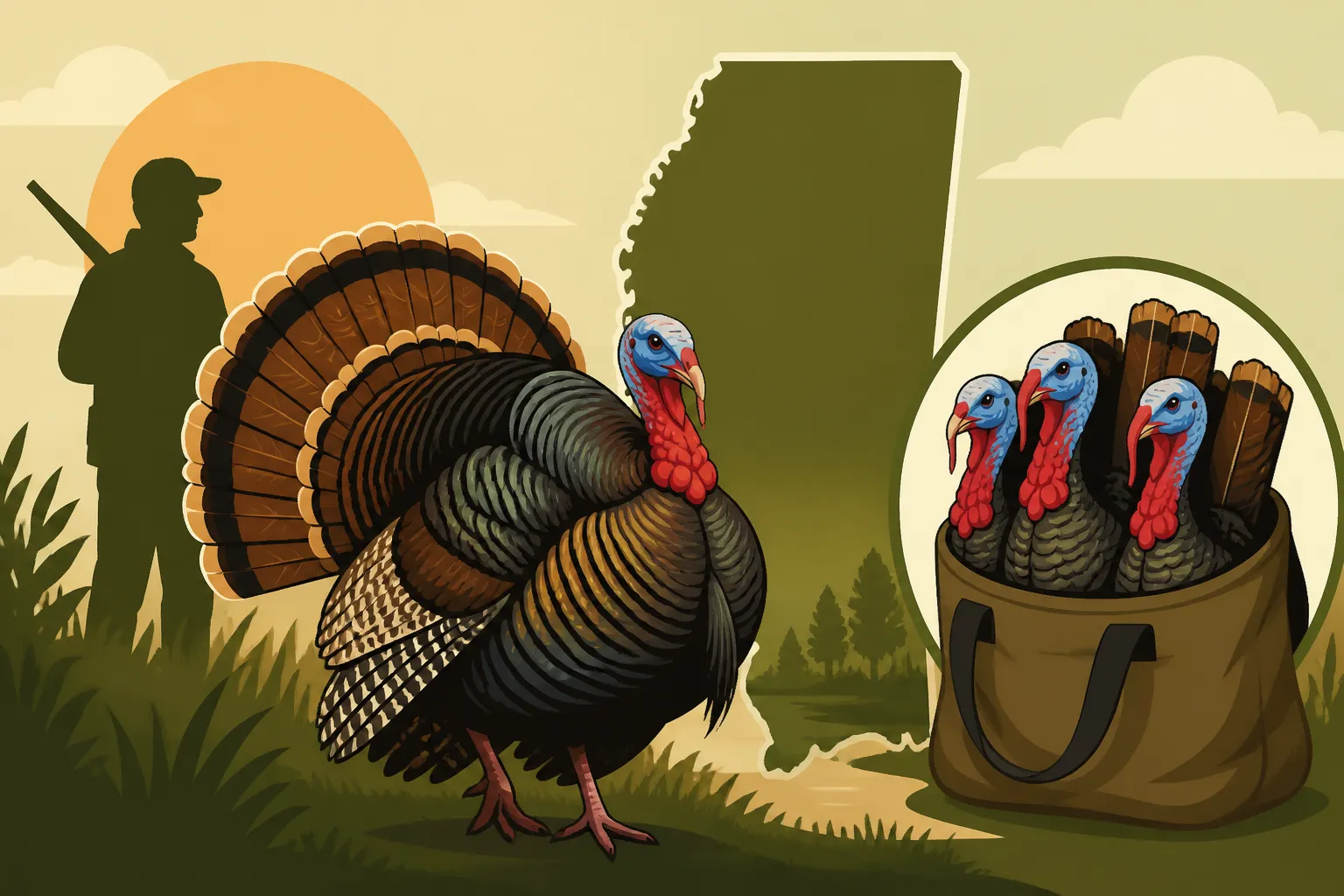
Mississippi Adult Turkey Bag Limit
Hunting wild turkeys in Mississippi is a deeply rewarding experience, but navigating the ever-changing regulations, especially around bag limits, can feel like trying to find a silent gobbler in a dense thicket. It’s easy to get confused about how many birds you can harvest and when. This comprehensive guide is designed to cut through that confusion, clarifying Mississippi's adult turkey bag limit rules and helping you ensure a compliant and successful season.
Understanding Mississippi's Adult Turkey Bag Limit
When you’re out in the Mississippi woods, hearing that first gobble echo through the morning air, the last thing you want to worry about is whether you’re breaking a rule. The Mississippi Department of Wildlife, Fisheries, and Parks (MDWFP) sets clear guidelines to protect our wild turkey populations, and the adult gobbler bag limit is a cornerstone of those efforts.
The Statewide Annual Limit
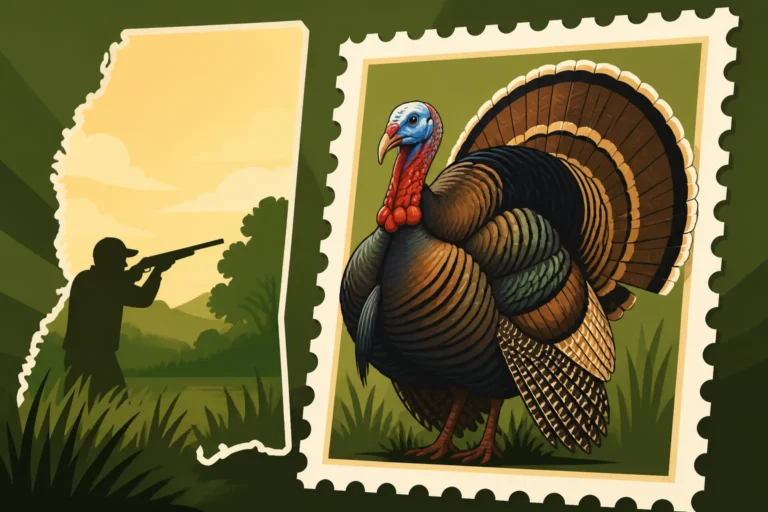
For most hunters across the Magnolia State, the statewide annual bag limit for adult gobblers is generally three (3) adult gobblers per spring season. This means that from the moment the season opens until it closes, you are legally permitted to harvest up to three male turkeys that meet the "adult gobbler" criteria. It's crucial to remember that this limit is per hunter, per season, not per trip or per weekend. Once you've tagged your third bird, your spring turkey hunting for the year is done, regardless of how much season is left.
What exactly constitutes an "adult gobbler" in Mississippi? Typically, an adult gobbler is defined as a male turkey with a visible beard. This is the primary characteristic that distinguishes a legal bird during the spring gobbler season from jakes (juvenile males) or hens, which are protected. While jakes technically have beards, the focus is on a visible beard, which often implies a bird with some maturity. When you’re looking through your scope or sighting down your shotgun, you need to be absolutely sure of your target and confirm that distinct beard hanging from its chest. Mistaking a jake for a mature gobbler isn't against the law if it has a visible beard, but it certainly isn't a trophy, and it counts towards your limit.
Imagine a scenario: You harvest a beautiful longbeard on opening weekend in your home county. That’s one down. A few weeks later, you call in a jake with a pencil-thin beard, which is still a legal "gobbler with a visible beard" in Mississippi, and you decide to take it. That’s two. Now, you’ve only got one tag left for the rest of the season. This careful management of your personal bag limit is essential, especially if you plan to hunt multiple times or travel to different parts of the state. It’s not about how big the bird is; it’s about meeting that visible beard criterion.
Distinctions Between Spring and Fall Seasons
Mississippi's turkey hunting landscape is primarily focused on the spring gobbler season. In fact, there is currently no open fall turkey season in Mississippi. This means all of your bag limit considerations for turkeys revolve around those thrilling spring months when gobblers are actively breeding and vocal. This singular focus simplifies things considerably for hunters, as you don't have to worry about separate fall limits or different regulations for hens versus gobblers, which can be the case in some other states.
The spring season is designed to target adult male turkeys, or gobblers, after they have had the opportunity to breed. This strategy is a key part of maintaining healthy turkey populations. By harvesting males primarily, the reproductive capacity of the flock remains largely unaffected, ensuring future generations of birds. The season dates themselves can vary slightly by unit or WMA, but the general statewide framework remains consistent. For more details on the exact dates, you can check out information on Mississippi Spring Turkey Season Rules.
It’s worth noting that even within the spring season, there aren't typically unit-specific bag limit variations for turkeys in the same way there are for deer. While Mississippi has its distinct deer management units (Delta, Hills, North Central, and Southeast), the turkey bag limit generally applies statewide, making it easier for hunters who travel across county lines. However, as we’ll discuss shortly, Wildlife Management Areas (WMAs) are the exception to this rule, often implementing their own, sometimes stricter, regulations. So, while the broad stroke is three adult gobblers statewide in spring, always be prepared for more granular restrictions when you step onto public land.
Why Bag Limits Exist
Bag limits aren't just arbitrary numbers; they are a critical tool in wildlife management, rooted deeply in the science of conservation. The primary reason for the statewide three-gobbler limit is to ensure the long-term sustainability and health of Mississippi’s wild turkey population. Think of it as balancing the harvest with the reproductive potential of the birds.
Mississippi’s turkey population has a fascinating history. After facing severe declines in the early 20th century due to habitat loss and unregulated hunting, intensive restoration efforts, including trap-and-transfer programs, brought them back from the brink. Today, our state boasts a robust turkey population, but continuous monitoring and responsible management are essential to prevent a return to those lean times. You can learn more about how the state's efforts have shaped the current turkey landscape by looking into How Turkeys Were Restored to Mississippi. The MDWFP continuously conducts research, including brood surveys and harvest data analysis, to understand population trends, poult-to-hen ratios, and overall bird health.
These bag limits, alongside season dates and licensing requirements like The New Mississippi Wild Turkey Stamp, are carefully adjusted based on this scientific data. If population numbers show a decline, or if factors like poor nesting success or habitat issues become prevalent, the MDWFP might consider reducing bag limits or shortening seasons to allow the population to rebound. Conversely, if numbers are thriving, they might maintain the current limits. It’s a dynamic system, always striving for that sweet spot where hunters can enjoy their passion while the wildlife resource remains plentiful for generations to come. It’s a testament to our state’s commitment to not just hunt, but to nurture the wild places and creatures we cherish.
Navigating Specific Unit and WMA Regulations
While the statewide adult gobbler bag limit of three birds is a good baseline, experienced hunters know that special rules can pop up, particularly when hunting on public lands. It's easy to assume consistency, but that assumption can lead to a violation if you're not careful.
Unit-Specific Variations
When we talk about hunting units in Mississippi, our minds often jump to the distinct deer management units: Delta, Hills, North Central, and Southeast. These units have specific antler restrictions and season lengths for deer that can vary wildly from one region to another. However, for wild turkeys, the statewide bag limit of three adult gobblers generally holds true across all these broad geographic units. There aren't typically different turkey bag limits for a hunter in the Delta compared to one hunting in the Hills. This simplifies things somewhat, as you don't have to worry about a different number of birds depending on whether you're in the low-lying bottomlands or the rolling hills.
Even though the bag limit is consistent, remember that the season dates can still have slight variations by unit, especially in the larger framework of Mississippi's hunting seasons. Always double-check the latest MDWFP regulations booklet for the precise opening and closing dates for turkey season in your specific hunting unit or county. This statewide consistency in bag limits for turkey allows hunters to plan their season without worrying about accidentally exceeding a local limit when crossing into an adjacent county. It’s a welcome simplicity in an otherwise complex regulatory environment.
Wildlife Management Area (WMA) Rules
Here’s where things get interesting, and frankly, a little more complicated. Wildlife Management Areas (WMAs) are Mississippi's public hunting grounds, and they are managed much more intensely than the general statewide regulations. WMAs frequently implement their own, more restrictive rules, and this often includes turkey bag limits. It’s not uncommon for a WMA to reduce the bag limit to one or two adult gobblers for the entire WMA season, rather than the statewide three.
Consider WMAs like Mahannah WMA in the Delta or Sunflower WMA within the Delta National Forest. These areas are managed for high-quality hunting experiences, and tighter bag limits are one way to achieve that, spreading the harvest among more hunters and ensuring older, more mature birds are available. For example, some WMAs might even have a "one gobbler with an 11-inch beard or 1-inch spurs" rule, further refining the definition of a legal bird on that specific tract of land. You simply cannot rely on the statewide rules when hunting a WMA; you must consult the specific WMA regulations for that year. You can find detailed information on these areas by searching for things like Mississippi Wildlife Management Areas and then drilling down into individual WMA fact sheets.
The consequences of not checking WMA-specific rules can be severe, ranging from fines to loss of hunting privileges. It's your responsibility as a hunter to know the rules of the land you're on. Always grab a copy of the WMA's specific rules, usually available online through the MDWFP website or at kiosk stations on the WMA itself, before you ever step foot into the woods with your shotgun. It's not just about compliance; it's about respecting the management efforts that make these public lands such valuable resources.
Quota Hunts and Special Regulations
Beyond the general WMA rules, some public lands, and even certain units within larger WMAs, operate under quota hunt systems. These are special permit-based hunts designed to tightly control hunter numbers and harvest pressure on specific, often high-demand, areas. If you're selected for a quota hunt, you'll receive specific instructions, and these will always supersede general statewide or even general WMA regulations regarding bag limits, season dates, and sometimes even legal firearms.
For instance, a quota hunt for turkeys might specify a bag limit of one adult gobbler, regardless of what the statewide or non-quota WMA limit is. The window for applying for these hunts is usually well in advance of the season, and draw odds can vary depending on the popularity of the area. It’s a unique opportunity, but it comes with its own set of very specific rules that you absolutely must adhere to. Missing the sign-up deadlines or misunderstanding the bag limit on a quota hunt is a common pitfall. To avoid this, keep an eye on MDWFP announcements and refer to resources like Mississippi Managed Hunt Sign-Up Deadlines and Mississippi WMA Quota Hunt Sign-In Rules. These hunts are designed for a higher quality, less pressured experience, but they demand meticulous attention to detail from the hunter.
Reporting Your Harvest and Compliance
Hunting in Mississippi is a privilege that comes with responsibilities, and one of the most important is proper harvest reporting. It’s not just a formality; it’s a vital part of wildlife management that directly impacts future hunting opportunities.
Mandatory Harvest Reporting
In Mississippi, once you’ve successfully harvested an adult gobbler, you have a mandatory requirement to report that harvest to the MDWFP. This isn't optional; it's a critical step in contributing to the data used to manage our turkey populations. The process is straightforward, but it must be done accurately and within the specified timeframe. Generally, you need to report your harvest by midnight on the day the turkey was harvested.
There are a few convenient ways to report your turkey:
- MDWFP App: The official MDWFP app (available for smartphones) is arguably the easiest and most popular method. You can quickly log your harvest directly from your hunting spot, even with limited cell service in some areas, as it often allows for offline entry that syncs later. This app allows you to record the date, time, county, sex of the bird, and even upload a photo if you choose.
- Online Portal: The MDWFP website also has an online harvest reporting portal. If you’re back at camp or home, you can log in to your account and enter all the necessary details there.
- Phone System: For those who prefer the traditional route or have connectivity issues, a toll-free phone number is usually available for harvest reporting.
Regardless of the method, the information collected is incredibly valuable. It helps biologists track harvest numbers, identify trends in different counties, and understand the overall health of the turkey herd. This data directly influences future bag limits, season dates, and management strategies. Failing to report a turkey harvest is a violation and can result in penalties. It’s a simple step that has a huge impact, so make it a habit every time you tag a bird. For more detailed information, look into Mississippi Turkey Checking Requirements.
Understanding Legalities and Penalties
Exceeding the bag limit or failing to report your harvest isn't just a minor oversight; it's a violation of state hunting regulations, and it carries real consequences. Conservation officers, often referred to as game wardens, are dedicated to enforcing these rules to protect our wildlife resources. They are out in the woods, on patrol, and are adept at spotting irregularities.
Penalties for violating bag limits or reporting requirements can vary depending on the severity of the offense and whether it's a first-time or repeat infraction. These can include:
- Fines: Significant monetary fines are common, often hundreds of dollars, which can quickly turn a successful hunt into a very expensive lesson.
- Loss of Hunting Privileges: You could face a suspension or revocation of your hunting license for a period, meaning you won’t be able to hunt any game species in Mississippi.
- Forfeiture of Equipment: In some severe cases, hunting equipment (like your firearm) might be confiscated.
- Jail Time: For egregious or repeat offenses, jail time is a possibility, though less common for minor bag limit violations.
These aren't scare tactics; they are real consequences designed to deter illegal hunting and maintain fairness among hunters. Ethical hunting practices extend far beyond just obeying the law; they involve a deep respect for the animals we pursue and the regulations put in place to ensure their future. If you suspect someone is violating hunting laws, reporting a poacher is crucial for conservation efforts.
The Role of Technology in Compliance
In today's hunting world, technology can be a powerful ally in ensuring compliance and enhancing your overall experience. The MDWFP app, as mentioned, is fantastic for reporting harvests on the go, but other tools can also help you stay on the right side of the law.
Many hunters, especially those venturing into unfamiliar areas or public lands, rely on sophisticated mapping applications. Services like GoHunt provide detailed topographical maps, satellite imagery, and often critical information layers such as public land boundaries, WMA borders, and even private property lines. Imagine you're hunting a large tract of public land that borders private property, and you hear a gobbler just across the fence line. Being able to pull up an app like GoHunt and instantly verify where you are in relation to those lines can prevent an accidental trespass or an illegal shot on private land without permission.
These apps aren't just for avoiding trouble; they can also help with planning. You can mark potential roost trees, food sources, or travel corridors, making your pre-season scouting more efficient. You can then compare these findings with official regulations to ensure that any hunting spots you pick are legal and accessible according to the current rules. Staying informed through official sources combined with reliable mapping technology is a smart strategy for any modern turkey hunter in Mississippi.
Tips for a Successful and Compliant Turkey Season
A successful turkey season isn't just about bagging a bird; it's about enjoying the experience responsibly and ethically. That means doing your homework, understanding the rules, and practicing good sportsmanship.
Pre-Season Planning and Research
The key to a stress-free and compliant turkey season truly begins long before opening day. Don't wait until the last minute to familiarize yourself with the current year's regulations. The MDWFP publishes a comprehensive hunting guide annually, usually available both online and in print at license vendors. This guide is your bible for the season.
Here’s a simple checklist for your pre-season research:
- Review the Latest Turkey Program Guide: This will outline season dates, bag limits, legal weapons, and any changes from previous years. Pay close attention to sections on Mississippi Spring Turkey Season Rules.
- Check WMA-Specific Regulations: If you plan to hunt public land, always download or pick up the specific fact sheet for the WMA you intend to visit. These often contain unique bag limits, hunting hours, and special permit requirements.
- Consult Online Resources: The MDWFP website is an invaluable source of up-to-date information. They often post advisories or emergency regulation changes that might not be in a printed guide.
- Scout Your Area: Physical scouting helps you locate birds, understand their patterns, and identify legal access points. You can supplement this with digital scouting using satellite imagery and mapping apps to mark potential hunting locations. A well-scouted area, combined with regulatory knowledge, means you're prepared.
This proactive approach not only keeps you compliant but also significantly increases your chances of success. Knowing where to go, when to go, and what you can harvest gives you confidence in the field.
Ethical Hunting Practices and Conservation
Beyond the letter of the law, ethical hunting is about the spirit of the hunt. This means showing respect for the game, the land, and fellow hunters. Always prioritize a clean kill, meaning you should only take shots within your effective range and at a target you’ve positively identified as a legal bird. Poor shot placement leads to wounded animals and lost birds, which is something no responsible hunter wants.
Conservation extends to your behavior in the field. Leave no trace, pack out everything you pack in, and respect private property boundaries. Consider participating in habitat improvement projects on public lands or joining local conservation organizations. These actions, combined with strict adherence to bag limits, ensure that wild turkeys continue to thrive in Mississippi. Understanding the long-term Mississippi Turkey Population Trends can further solidify your commitment to these practices.
Remember, the hunting community is often judged by the actions of a few. By being an ethical and responsible hunter, you contribute positively to the perception of hunting and help secure its future.
Utilizing Scouting Tools and Resources
Modern technology has revolutionized how we scout and hunt, offering powerful tools that can make you a more effective and compliant hunter. While traditional boots-on-the-ground scouting is irreplaceable, digital resources can give you a significant advantage.
Mapping applications are perhaps the most impactful. Premium mapping apps, such as GoHunt, offer layers that show public vs. private land ownership, topo lines, satellite imagery, and even historic harvest data in some cases. This allows you to:
- Pinpoint Property Lines: Crucial for staying off private land where you don't have permission, or conversely, identifying overlooked public access points.
- Identify Terrain Features: Locate creek bottoms, ridge lines, clear-cuts, and other features that turkeys frequently use. You can even predict travel corridors.
- Plan Entry and Exit Routes: Understand how to approach your hunting spot quietly and efficiently, minimizing disturbance.
- Stay within WMA Boundaries: Many WMAs have irregular boundaries, and a GPS-enabled mapping app can be your best friend for ensuring you don't accidentally step onto a non-hunting zone.
Beyond mapping, don't overlook official MDWFP resources. Their website and app often contain interactive maps of WMAs, detailed reports on turkey harvests, and even educational materials on turkey biology. Talking to seasoned local hunters or MDWFP biologists at public events can also provide invaluable insights into turkey behavior and lesser-known hunting spots. Combining all these tools, from apps like GoHunt to direct conversations, creates a comprehensive strategy for locating birds and executing a lawful and fulfilling hunt. This holistic approach ensures you not only abide by the Mississippi Adult Turkey Bag Limit but also maximize your chances of a successful and ethical harvest.
| Feature / Rule | Statewide Adult Gobbler Limit | Typical WMA Adult Gobbler Limit | Harvest Reporting Requirement | License Requirement |
|---|---|---|---|---|
| Number of Birds | 3 gobblers per spring season | Often 1-2 gobblers per WMA season | All harvested birds | Yes (Hunting License + Turkey Stamp) |
| Season | Spring Gobbler Season Only | Specific WMA season dates | By midnight of harvest day | Annually Renewed |
| "Adult Gobbler" Definition | Visible Beard | Visible Beard (sometimes with minimum spur/beard length) | N/A | N/A |
| Reporting Method | MDWFP App, Online, Phone | MDWFP App, Online, Phone | Mandatory | N/A |
Disclaimer
The information provided in this guide is for general informational purposes only and is subject to change. While we strive to offer accurate and up-to-date content, hunting regulations are frequently updated by the Mississippi Department of Wildlife, Fisheries, and Parks (MDWFP). It is the hunter's sole responsibility to consult the most current official MDWFP hunting regulations booklet and website before engaging in any hunting activities. Always verify all season dates, bag limits, and specific area rules directly with the MDWFP to ensure compliance.