Why the 2025-26 Turkey Season Runs Three Days Longer
It's easy to look at the upcoming 2025-26 Mississippi turkey season and see those three extra days as just a bonus, a little extra time in the woods. But there's always a deeper story behind shifts in hunting regulations, especially when it comes to a prized game animal like our wild turkeys. This guide will walk you through the careful considerations and data points that led the Mississippi Department of Wildlife, Fisheries, and Parks (MDWFP) to extend the season, giving you insight into the science and strategy of turkey management in our state.
Understanding Mississippi's Turkey Season Structure
For many years, Mississippi's turkey seasons have followed a fairly consistent pattern. We're fortunate to have a dedicated agency in the MDWFP that works tirelessly to balance the desires of hunters with the absolute necessity of sustainable wildlife management. When you see a season length, it's not just pulled out of thin air; it's the result of ongoing monitoring and careful analysis.
The Standard Season Length and Its Origins
Historically, Mississippi's spring turkey season has typically run from mid-March through early May, usually encompassing about 45-50 days. This framework was established with a few key goals in mind: allowing ample opportunity for hunters to pursue gobblers during the peak breeding season, ensuring sufficient time for hens to nest and brood successfully without undue disturbance, and protecting younger age classes of turkeys. The MDWFP has always aimed to maximize recreational opportunities while prioritizing the health and long-term viability of the turkey population. Seasons are set to coincide with the natural biological cycles of wild turkeys, especially the breeding and nesting periods, to minimize impact on reproduction.
Factors Influencing Season Dates
Setting those crucial season dates is a complex dance involving a lot of moving parts. The MDWFP takes into account a wealth of information, from biological surveys and harvest reports to hunter feedback and environmental factors. They're constantly evaluating poult-to-hen ratios, which give a snapshot of nesting success and chick survival, and conducting brood surveys to track the recruitment of young birds into the population. Weather patterns, especially during nesting season, can also play a huge role. For instance, a particularly wet spring can devastate nests and poult survival, potentially leading to more conservative regulations down the line. It's a continuous cycle of observation, data collection, and adjustment, all designed to keep our turkey numbers healthy. Anyone serious about chasing longbeards needs to stay on top of the latest rules; checking out the official Mississippi Spring Turkey Season Rules is always a smart first step.
The Rationale Behind the 2025-26 Extension
So, why the extra three days for the 2025-26 season? It's a positive sign, reflecting a cautious optimism from wildlife managers based on current data and future projections. It's not a sudden, drastic change, but rather a measured response to the latest scientific insights into our turkey populations.
Analyzing Recent Turkey Population Trends
The decision to extend the season isn't a knee-jerk reaction; it's rooted in the MDWFP's continuous monitoring of Mississippi Turkey Population Trends. While specific data points can fluctuate year to year, the general consensus among wildlife biologists is that in many areas, our turkey populations have shown signs of stabilization or even modest growth after some challenging periods. This isn't necessarily a massive boom, but rather consistent, healthy poult production and survival rates in key regions. Factors like habitat improvements, successful predator management efforts on some private lands, and generally favorable weather conditions during nesting season in previous years have contributed to a robust recruitment of young birds. This means that when the MDWFP looks ahead to the 2025-26 season, they anticipate a strong cohort of mature gobblers, which are the primary target during the spring hunt.
Examining the 2025 Harvest Data
While final, complete harvest data for the entire 2025 season won't be available until after it closes, the MDWFP uses preliminary reports and historical trends to make proactive decisions. It's true that annual harvest numbers can fluctuate due to many variables—everything from hunter effort and weather patterns to the timing of the rut. However, the decision to extend the season suggests that even with those fluctuations, the overall picture indicates that the population can sustain a slightly longer hunting period without negative long-term impacts. What they're looking for isn't just the sheer number of birds harvested, but rather the age structure of those birds, the consistency of harvest across different units, and how it aligns with population surveys. If data suggests a healthy proportion of adult gobblers are available and that the hen population remains strong and productive, then a conservative extension becomes a viable management option. Understanding the full picture often requires looking beyond just one season's raw numbers and examining the broader biological health.
MDWFP's Approach to Sustainable Management
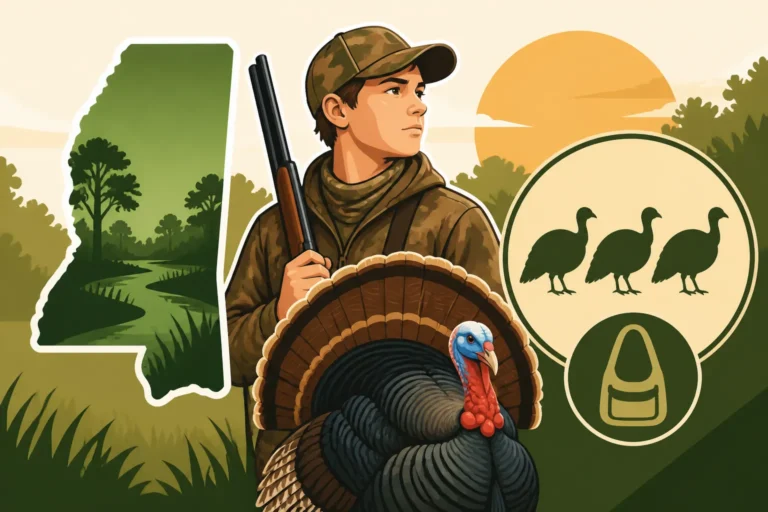
The MDWFP operates with a clear mandate: to conserve and manage Mississippi's wildlife resources for the benefit of all citizens, now and in the future. This means their decisions are always driven by scientific principles and a commitment to long-term sustainability. The three-day extension for the 2025-26 turkey season is a testament to this approach. It signals that wildlife managers feel confident that the turkey population is in a good place, capable of supporting a slightly increased harvest opportunity without jeopardizing future breeding success. It’s a carefully calculated move, not a gamble. They understand the immense value of wild turkeys to our state's hunting heritage and are dedicated to ensuring those gobblers are there for generations to come. This also speaks to the importance of measures like the new Mississippi Wild Turkey Stamp, which helps fund crucial conservation efforts.
What the Three Extra Days Mean for Hunters
For those of us who live for the sound of a distant gobble echoing through the timber, an extra three days in the spring woods is more than just a calendar adjustment—it's an opportunity. It can influence how we plan our hunts, our tactics, and even our chances of filling that tag.
Opportunities for Extended Pursuit
Those extra days can make a huge difference, especially for hunters who might have limited vacation time or who are traveling from outside the state. It essentially provides a longer window to encounter a responsive bird, particularly if weather or other factors have been uncooperative during the earlier parts of the season. Imagine a week of bad weather forcing you out of the woods, only to realize you have a little more cushion at the tail end. These extra days could allow for another weekend trip, or simply permit a more relaxed approach to hunting without feeling quite so rushed. For those who target multiple birds within the Mississippi Adult Turkey Bag Limit, it could mean the difference between filling all tags or coming up short. This is particularly beneficial for strategies like Hunting the Extended Final Weekend when pressured birds might be more wary but still callable.
Impact on Hunting Pressure and Success
It’s natural to wonder if an extended season will lead to more hunting pressure, especially on public lands. While an extra three days provides more opportunity, it’s unlikely to drastically alter the overall hunting pressure across the entire state. Many hunters have specific weekends or weeks they prefer to hunt, and while some may extend their trips, it won't suddenly double the number of hunters in the woods every day. What it will do is spread out the hunting pressure slightly, giving those who can hunt mid-week or in the final days a potentially quieter experience. For success rates, it offers a longer window during which gobblers might be active. Late-season birds can be notoriously tricky, having already heard numerous calls, but they're still driven by the urge to breed. These additional days provide more chances for persistent hunters to work a bird that might have been silent earlier, or to try different tactics like Run-and-Gun Turkey Tactics on Public Land if their initial efforts didn't pan out.
Looking Ahead: Future Season Adjustments
Wildlife management is never static; it's a dynamic process that responds to ever-changing environmental conditions and wildlife populations. The 2025-26 season extension is a reflection of current success, but it doesn't mean future seasons are set in stone.
Ongoing Monitoring and Data Collection
The MDWFP's job doesn't end once the season dates are published. In fact, it's a continuous cycle of observation. They'll be meticulously tracking the success of the 2025-26 season, observing poult production the following summer, and analyzing harvest reports from hunters. Every piece of data—from reported gobblers to hunter surveys about bird sightings—contributes to the big picture. This information will then feed directly into decisions for future seasons. If, for instance, there's a significant drop in poult recruitment after a particularly harsh spring or a spike in harvest that raises concerns, the MDWFP won't hesitate to adjust future seasons conservatively. It's about being flexible and responsive to what the landscape and the turkeys are telling us. Hunters might find tools like GoHunt useful for tracking their own observations and planning for future seasons based on real-time data shared by other hunters.
Hunter Participation in Management
As hunters, we play an absolutely critical role in this ongoing management process. Our participation in reporting harvests is not just a regulatory requirement; it's a vital contribution to science. Each reported gobbler provides valuable data on age, location, and timing of harvest, which helps biologists paint a clearer picture of the population's health and distribution. Beyond reporting, participating in voluntary surveys, such as those regarding gobbling activity or brood sightings, gives the MDWFP even more boots-on-the-ground intelligence. It's a partnership: the MDWFP sets the framework based on science, and we, as responsible hunters, provide the ground-level data that refines and informs those decisions. By being engaged and reporting accurately, we help ensure that seasons like the upcoming longer one are based on the most robust information available, safeguarding our hunting heritage for years to come. Whether you're focused on Roost Hunting Mississippi Gobblers or trying new calls, your input matters.
| Season Year | Standard Length (Days) | Notable Changes | Rationale (General) |
|---|---|---|---|
| 2023-24 | ~45-48 | None | Stable population trends |
| 2024-25 | ~45-48 | None | Continued monitoring |
| 2025-26 | ~48-51 (projected) | +3 Days | Improved population indicators; sustainable harvest potential |
Disclaimer
Hunting regulations can change. While this article provides information based on current projections and general understanding of Mississippi's wildlife management, always consult the official Mississippi Department of Wildlife, Fisheries, and Parks (MDWFP) website or their most recent hunting guide for the definitive and most up-to-date rules and regulations before planning any hunt.