Why the Mississippi House Killed the Bear Bill
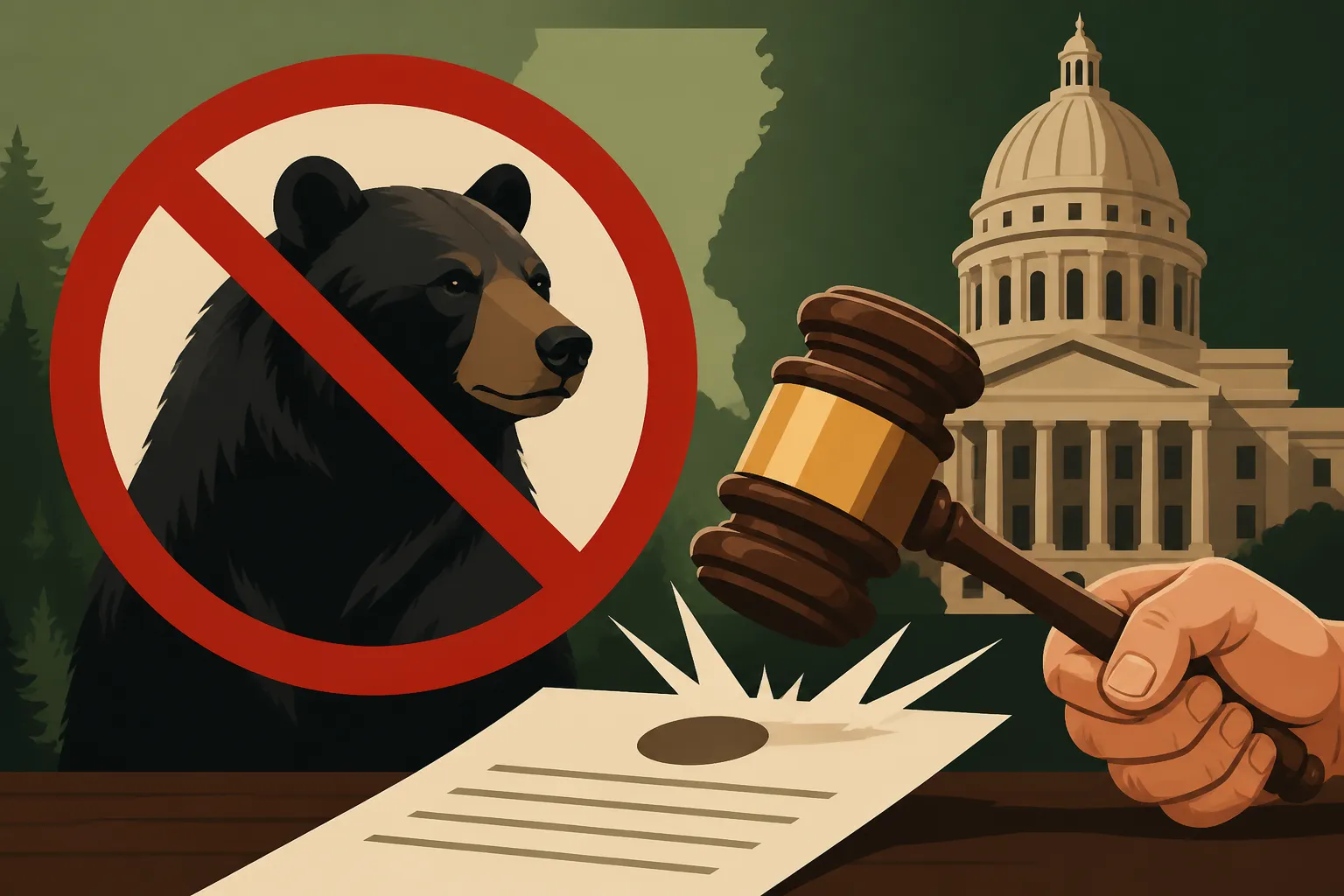
For years, hunters and conservationists alike have watched with keen interest as Mississippi's black bear population slowly but steadily makes a comeback. It’s a remarkable success story, but it also brings up complex questions about how we manage these incredible animals, leading to proposals like the controversial Senate Bill 2436. Many of us followed the journey of that "bear bill" through the legislative process, only to see it ultimately fall short. If you've been wondering exactly why the Mississippi House decided not to move forward with a bear hunting season, you're not alone. This guide will walk you through the history, the specifics of the bill, and the key reasons it didn't pass, helping you understand the nuanced landscape of bear management in our state.
The Long Road to Bear Recovery in Mississippi
It’s easy to forget that black bears were once common across much of Mississippi. They were a vital part of our ecosystem, but unfortunately, habitat loss, unregulated hunting, and human encroachment led to their near extirpation by the mid-20th century. What we’re seeing today isn't just a natural rebound; it's the result of decades of dedicated conservation efforts and the incredible resilience of these animals.
A History of Absence and Conservation Efforts
Imagine a Mississippi without bears. For generations, that was largely the reality for many Mississippians, particularly those living outside the most remote bottomland areas. By the 1930s and 40s, our state’s black bear population was considered functionally extinct, with only a few isolated individuals clinging to existence in the deepest swamps and dense river bottoms. It's a sobering thought, isn't it? This dramatic decline spurred dedicated efforts to bring them back. Organizations like the Mississippi Department of Wildlife, Fisheries, and Parks (MDWFP) and various conservation groups recognized the ecological importance of bears and began working tirelessly. Efforts included protecting remaining habitat, educating the public, and even working with neighboring states where populations were more stable.
Over the years, as forests recovered and attitudes shifted, a slow re-colonization began. Bears from Louisiana's thriving population started moving eastward along the Mississippi River, finding suitable habitat in the vast bottomland hardwoods of our Delta region. Simultaneously, a smaller, more isolated population persisted in the remote piney woods and coastal swamps of South Mississippi, gradually expanding its range. This dual front of recovery created the two main populations we recognize today. For more on this remarkable journey, check out our piece on Mississippi's Recovering Black Bear Population.
Current Bear Population Status and Distribution
Today, it's truly encouraging to see black bears establishing a stronger foothold in Mississippi. While their numbers aren't what they once were centuries ago, they are certainly on an upward trend. The largest concentration of bears in our state is found in The Delta Region Bear Population, particularly in the vast, undeveloped tracts of the Mississippi River alluvial plain, including areas like Delta National Forest and Panther Swamp National Wildlife Refuge. These rich bottomland ecosystems provide abundant food sources and the dense cover bears need. It’s not uncommon anymore to catch a glimpse of a bear crossing a logging road or rooting through a cornfield in these parts if you’re lucky.
Another distinct population is found in The South Mississippi Swamp Bear Population, primarily in the coastal plain and piney woods, stretching into areas like Desoto National Forest and the Pascagoula River Basin. While smaller and more fragmented, this population is also growing, though perhaps at a slower rate due to differing habitat types and human pressures. Recent studies, including Mississippi Black Bear DNA Tracking Study, have provided invaluable data on population density, health, and expansion, helping MDWFP better understand these animals.
It’s important to remember that even with increasing numbers, black bears remain fully protected in Mississippi. This means there is currently no legal hunting season for them. This protected status is a cornerstone of their recovery, allowing them to continue expanding their range and numbers without additional pressure. If you happen to encounter one in the wild, knowing What to Do If You See a Mississippi Black Bear is crucial for both your safety and the bear's well-being.
Understanding the Bear Bill (SB2436) and Its Intent
The concept of a limited black bear hunting season isn't new; it’s a topic that comes up periodically as the bear population continues to grow. For many, the idea sparks excitement for a new hunting opportunity, while for others, it raises significant concerns about conservation. Senate Bill 2436, which emerged during a recent legislative session, was the latest attempt to address this complex issue.
What the Proposed Legislation Aimed to Do
Senate Bill 2436, often referred to simply as "the bear bill," was proposed legislation that sought to establish a framework for a potential black bear hunting season in Mississippi. Now, it wasn’t proposing an immediate, wide-open season. Far from it. The bill was designed to give the Mississippi Commission on Wildlife, Fisheries, and Parks the authority to establish a limited hunting season for black bears if certain population thresholds and management criteria were met. This is a pretty common approach with species that are recovering; the legislature grants the expert agency the power to make the call based on scientific data, rather than dictating the terms itself.
The bill would have laid out some basic parameters, like requiring hunters to obtain a special permit, potentially setting specific harvest quotas, and outlining reporting requirements, much like we see with deer or turkey seasons. It also likely included provisions for certain areas or units, recognizing that bear populations aren't evenly distributed across the state. The devil, as they say, is always in the details, but the core intention was to move bears from a "fully protected" status to a "game animal" status, allowing for regulated take under the strict guidance of the MDWFP. This would have represented a significant shift in how Mississippi manages its bear population, a move that some felt was overdue given the increasing number of encounters and a desire for recreational opportunity.
The Rationale Behind the Bill
So, why introduce such a bill now, after decades of strict protection? The proponents of SB2436 had several key arguments. Firstly, there's the biological argument: as bear populations recover and expand, wildlife agencies often look to controlled hunting as a management tool. This isn't just about providing recreational opportunities for hunters; it’s also about managing population growth, influencing distribution, and even helping to mitigate human-bear conflicts in areas where bears are becoming more common. A limited hunting season, managed scientifically, could theoretically help maintain a healthy population balance and address potential overpopulation in specific locales.
Secondly, there's the economic and recreational aspect. Hunting is a significant economic driver in Mississippi, contributing to local businesses, guiding services, and equipment sales. Establishing a new hunting season for a charismatic species like the black bear could attract hunters from within and outside the state, creating new revenue streams. Many hunters also expressed a desire for the opportunity to pursue this challenging game animal, viewing it as a testament to successful conservation. Finally, some legislative members felt it was time for the MDWFP, with its scientific expertise, to have the full range of management options at its disposal, including the ability to regulate hunting, which is a cornerstone of modern wildlife management for many species. Programs like those that help hunters research season dates or regulations, such as those found on a platform like GoHunt, would undoubtedly be utilized if such a season were ever enacted.
The Reasons for the Bill's Defeat in the House
Despite the arguments put forth by its supporters, Senate Bill 2436 ultimately met its demise in the Mississippi House of Representatives. Its failure was a complex outcome, shaped by a confluence of public sentiment, conservation concerns, and legislative maneuvering. Understanding why it didn't pass offers a valuable look into the delicate balance between wildlife conservation, public opinion, and policy-making.
Public and Conservation Group Opposition
One of the most significant factors leading to the bill's defeat was the strong, vocal opposition from a wide array of conservation groups and concerned citizens. Organizations like the Humane Society of the United States, the Center for Biological Diversity, and various local wildlife advocates launched extensive campaigns, urging lawmakers to vote against the bill. Their arguments primarily centered on several key points.
First and foremost, opponents contended that Mississippi's black bear population, while recovering, is still not robust enough to sustain a hunting season. They pointed to the relatively low overall numbers, the fragmented nature of the populations, and the slow reproductive rate of bears as reasons to maintain full protection. They argued that introducing hunting prematurely could jeopardize decades of conservation progress and potentially reverse the recovery trend. It's a valid concern, as the process of bringing a species back from the brink is long and fragile.
Secondly, there was considerable public outcry rooted in emotional attachment to the bears. Many Mississippians simply didn't want to see these magnificent animals hunted, viewing them as a symbol of successful conservation that should continue to be cherished and protected. The idea of hunting a species that had just recently returned from near extirpation struck many as morally objectionable, regardless of scientific management arguments. These groups often emphasized the importance of bears to the state's natural heritage and pushed for non-lethal management strategies if human-bear conflicts arose, such as education and deterrents, rather than hunting.
Finally, concerns were raised about the potential for unintended consequences, such as poaching or the difficulty in effectively managing a limited harvest in a state where bear populations are still geographically dispersed. The conversation surrounding Why Mississippi Bears Stay Fully Protected highlighted that some believed the focus should remain on habitat protection and education, rather than adding hunting pressure.
Legislative Concerns and Committee Dynamics
Beyond public pressure, the legislative process itself played a crucial role in the demise of SB2436. When a bill comes from the Senate to the House, it goes through a similar committee process, and that's where the real work—and often the real resistance—happens. The bear bill was referred to the House Wildlife, Fisheries, and Parks Committee, a key hurdle it ultimately could not clear.
Committee members likely had their own reservations, echoing many of the public's concerns about population numbers and the wisdom of initiating a hunt so soon. They might have also considered the optics of passing such a controversial bill, especially with strong constituent feedback against it. Lawmakers often balance scientific recommendations with public sentiment, and in this case, public sentiment leaned heavily towards continued protection.
The bill might also have faced internal opposition regarding its specific language or how it would grant authority. Sometimes bills die not because of their core concept, but because of disagreement over specific clauses or administrative details. Ultimately, the House committee decided not to advance the bill, effectively "killing" it for that legislative session. This means it did not receive a vote on the House floor, where it might have garnered more attention. The decision by the committee to table the bill reflected a collective hesitancy to move forward without stronger evidence of population stability or broader public consensus. For more on managing wildlife in a protected status, one might consider how the state approaches Game You Cannot Hunt in Mississippi.
The Future of Bear Management in Mississippi
So, what does the defeat of SB2436 mean for the future of black bear management in Mississippi? For now, it means the status quo remains: black bears are a fully protected species, and there is no legal hunting season. The MDWFP will continue its monitoring, research, and conservation efforts, working to ensure the continued growth and health of the population. Organizations like GoHunt are great resources for hunters to keep up with current regulations and potential future changes in wildlife management.
However, it's highly likely that this won't be the last time a bear hunting bill is introduced. As the population continues to expand, and bears increasingly interact with human communities (sometimes leading to conflicts), the conversation around management strategies, including potential hunting, will undoubtedly resurface. The key will be ensuring that any future proposals are based on robust scientific data, garner broad public support, and maintain the long-term health and viability of Mississippi's black bear population. Expect to see continued focus on habitat protection, public education, and perhaps even discussions about specific CWD zones impacting wildlife management, though bears are not currently affected by CWD in Mississippi.
| Argument For SB2436 (Proposed Bear Hunting) | Argument Against SB2436 (Retain Protected Status) |
|---|---|
| Population Management Tool: Helps control numbers and distribution. | Fragile Population: Bears still recovering, numbers not robust enough. |
| Recreational Opportunity: Provides new hunting opportunities for residents and non-residents. | Ethical Concerns: Many view hunting recovering species as morally wrong. |
| Economic Benefits: Generates revenue through licenses, permits, and related tourism. | Risk of Overharvest: Could jeopardize decades of conservation efforts. |
| Human-Bear Conflict Mitigation: Can reduce conflicts in areas with increasing bear presence. | Focus on Non-Lethal Solutions: Prefer education, deterrents for conflict resolution. |
| MDWFP Authority: Grants the expert agency full management tools. | Unintended Consequences: Concerns about poaching or ineffective management. |
Disclaimer
Please note that hunting regulations, seasons, and licensing requirements are subject to change. Always consult the latest official Mississippi Department of Wildlife, Fisheries, and Parks (MDWFP) regulations before planning any hunting activity. This content is for informational purposes only and should not be considered legal advice.