Mississippi’s Recovering Black Bear Population
For decades, the idea of encountering a black bear in Mississippi was little more than a whisper, a rare anecdote from the deepest swamps or the most secluded bottomlands. For many of us, the thought was distant, almost mythical. But the truth is, these magnificent animals are making a real, tangible comeback across our state, and that brings a host of new considerations for anyone who lives, hunts, or simply enjoys the great outdoors here. This comprehensive guide will walk you through the fascinating journey of Mississippi's black bears, where they're thriving, how we can all learn to coexist safely, and what it means for the future of our wildlife and our hunting traditions.
The Unthinkable Comeback: Mississippi's Black Bear Story
It’s hard to imagine, given their current protected status, but there was a time when Mississippi’s black bears were on the verge of disappearing entirely. Their return is a testament to natural resilience and careful management, but understanding this journey helps us appreciate just how special their presence is today. It’s not just a feel-good story; it’s a living, breathing example of what conservation can achieve, even if it presents new challenges for those of us sharing the land.
Historical Presence and Near Extirpation
Back before European settlement, black bears were widespread across Mississippi, roaming vast tracts of wilderness. They were an integral part of the ecosystem, thriving in the dense bottomland hardwoods of the Delta, the pine forests of the south, and the rolling hills in between. Their diet was varied, their range extensive, and they played a key role in seed dispersal and maintaining a healthy forest. Early accounts from settlers often mention encounters with bears, painting a picture of a landscape rich with wildlife.
However, as human populations grew, so did the pressure on bear habitats. Forests were cleared for agriculture, especially in the fertile Delta, and unchecked hunting, both for meat and to eliminate perceived threats to livestock, dramatically reduced their numbers. By the early 20th century, black bears were almost entirely extirpated from Mississippi. Imagine a landscape where an animal so iconic, once so prevalent, was reduced to just a handful of individuals clinging to the most remote, untouched pockets of habitat. It’s a stark reminder of how quickly even a robust population can vanish without intervention. Hunters of that era would have considered a bear sighting akin to spotting a ghost, a rare and fleeting glimpse into a past wilderness.
Early Conservation Efforts and Protected Status
Recognizing the dire situation, conservation efforts began to gain traction in the mid-20th century. The Mississippi Department of Wildlife, Fisheries, and Parks (MDWFP) took significant steps to protect the remaining bear populations, primarily through strict hunting bans and habitat preservation. These efforts weren't always easy or immediately popular, especially among those who saw bears as a threat or a potential game animal, but they were absolutely crucial. Their status as a fully protected species became a cornerstone of these recovery plans.
Crucially, Mississippi's bears also benefited from a natural influx of bears from neighboring states, particularly Louisiana and Arkansas. Bears would occasionally wander across state lines, seeking new territory and resources. These pioneering individuals helped to bolster the small, isolated populations still clinging on in Mississippi's wilderness areas. Combined with the protective regulations, this natural expansion allowed a slow, but steady, re-establishment of the species. It’s a delicate balance, trying to rebuild a population, and it takes generations of commitment. If you’re interested in the details, there's a good article on Why Mississippi Bears Stay Fully Protected that really lays out the long-term strategy.
Current Population Estimates and Growth
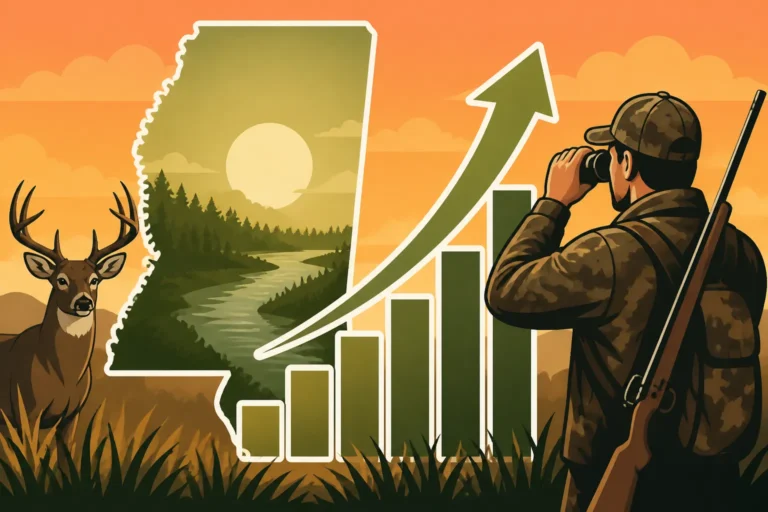
Today, the story is dramatically different. While official population estimates vary and are difficult to pin down precisely given the elusive nature of bears, it's clear the numbers are on the rise. Most estimates suggest there are now several hundred black bears spread across the state, a significant increase from the mere dozens believed to exist just a few decades ago. This upward trend is incredibly encouraging, showcasing a vibrant recovery.
The MDWFP closely monitors these populations through various methods, including DNA sampling from hair snares, tracking collared bears, and investigating public sightings. This data helps them understand movement patterns, reproductive rates, and overall health of the population. While it’s exciting to hear about these increasing numbers, it also brings a new set of responsibilities for hunters and outdoor enthusiasts. Knowing How Many Black Bears Mississippi Has helps us understand the scale of this recovery and plan our outdoor activities accordingly. This growth means that encounters, once rare, are becoming more common, and that requires all of us to be more bear-aware in the field.
Where the Bears Roam: Mississippi's Bear Habitats
While black bears are still most concentrated in specific regions, their range is undoubtedly expanding. It's not uncommon to hear reports of bear sightings in areas where they haven't been seen in generations. This expansion is a testament to their adaptability but also means that understanding prime bear habitat is no longer just for those in the historically known "bear country." If you hunt or spend time outdoors anywhere in Mississippi, it's wise to consider that you might just be in bear territory.
The Delta Region: Bottomland Hardwood Havens
The Mississippi Delta remains the stronghold for the largest concentration of black bears in the state. This region, characterized by its vast bottomland hardwood forests, sloughs, and agricultural fields, provides an ideal environment for bears. These forests offer dense cover, abundant food sources like acorns, pecans, wild berries, and various plants, along with secluded areas for denning. The Delta National Forest, in particular, is a critical refuge for these animals, boasting some of the best habitat available.
The rich, fertile soil of the Delta means a bounty of food for bears, especially in fall when the mast crops come in. Bucks love those acorns, and so do bears! The network of bayous and low-lying areas also provides excellent water sources and natural travel corridors, allowing bears to move relatively undetected. If you're hunting deer in areas like the Delta National Forest or Mahannah Wildlife Management Area, especially in the deeper timber, you are absolutely in bear country. Understanding Where Mississippi Black Bears Live Today truly starts in these incredibly rich bottomlands.
Southern Swamps and Coastal Plains
Another vital area for black bear populations is the southern part of Mississippi, particularly within the vast swamp ecosystems and pine forests that stretch towards the Gulf Coast. Areas like the Pascagoula River Wildlife Management Area and parts of the DeSoto National Forest offer unique habitats where bears can thrive. These regions, while different from the Delta, provide similar necessities: thick cover, diverse food sources, and plenty of water. The dense undergrowth and myriad of cypress and tupelo swamps offer excellent refuge.
The coastal plains, with their mix of pine forests, marshlands, and dense river bottoms, support a distinct sub-population of bears. These areas are less affected by large-scale agriculture and offer extensive tracts of undeveloped land. Bears here often rely on different food sources depending on the season, from palmetto berries to various aquatic plants and small animals. Hunters pursuing small game or even turkey in these southern reaches need to be just as vigilant. The dynamics of The South Mississippi Swamp Bear Population are fascinating, showing how adaptable these animals truly are to different environments.
Bears Expanding into Central and East Mississippi
Perhaps the most surprising and exciting development in recent years is the increasing number of bear sightings and confirmed populations in central and eastern Mississippi. Areas previously thought to be largely bear-free are now reporting regular occurrences. This expansion is a clear indicator of a healthy, growing population that is pushing beyond its historical strongholds to find new territories. This could be due to younger bears dispersing from denser populations in search of their own ranges, or simply the overall population growth putting pressure on existing habitats.
While these central and eastern regions may not have the same expansive bottomland hardwoods of the Delta or the vast swamps of the south, bears are finding niches in smaller river drainages, large timber tracts, and even areas with mixed agriculture. This means that if you're out scouting for deer sign in a hardwood creek bottom in, say, Copiah County, or chasing turkeys in the pine plantations of Scott County, you should always be aware that a bear could be present. The article Bears Moving Into Central Mississippi delves deeper into these exciting new developments. As their range expands, so does the need for all Mississippians to learn about bear safety and coexistence.
Living with Bears: Encounters and Coexistence
With more bears roaming our state, the chances of encountering one, whether you're hunting, hiking, or just living in a rural area, are growing. This can be a little unnerving for folks not used to having bears around, and that's completely understandable. The key is to understand bear behavior and know how to react appropriately to ensure safety for both humans and bears. We want these animals to continue to thrive, and that means minimizing negative interactions as much as possible.
What to Do If You See a Black Bear
Encountering a black bear in the wild can be an exhilarating experience, but it’s crucial to know how to react calmly and safely. Most black bears are naturally timid and will try to avoid human contact. The primary rule is: don't panic. If a bear notices you, it might stand up on its hind legs to get a better look, which isn't an aggressive act, just curiosity. Make yourself look as large as possible by waving your arms, make noise, and speak in a low, assertive voice. The goal is to let the bear know you are human and not a threat or prey item.
Never run from a bear, as this can trigger their chase instinct. Instead, back away slowly while continuing to face the bear. If the bear follows you, stop and stand your ground, continuing to wave your arms and make noise. Carrying bear spray, and knowing how to use it, is also a wise precaution, especially in dense bear country. If the bear approaches defensively, huffing, jaw popping, or swatting the ground, it's a warning. If it attacks, fight back aggressively with anything you have. For more detailed advice, check out What to Do If You See a Mississippi Black Bear. This is serious business, and knowing these steps can make all the difference.
Securing Your Property Against Bear Incidents
For homeowners and landowners, especially those near prime bear habitat, proactively securing your property is essential to prevent conflict. Bears are opportunistic foragers, and anything that smells like food can attract them. This includes your garbage, pet food, bird feeders, and even barbecue grills. Once a bear associates your property with an easy meal, it's incredibly difficult to break that habit, and it can lead to dangerous situations for both the bear and your family.
Simple steps can make a huge difference. Store garbage in bear-resistant containers or secured sheds until collection day. Feed pets indoors or remove food bowls immediately after they eat. Bring in bird feeders at night, especially during the spring and fall when natural food sources might be scarcer. If you have fruit trees, pick ripe fruit promptly and clean up fallen fruit. Electric fencing can be a highly effective deterrent for gardens, chicken coops, and even beehives. Think of it from a bear's perspective – if it's too much trouble or provides an unpleasant shock, they’ll likely move on to easier pickings. The GoHunt app's land management tools can even help you identify potential bear travel corridors on your property to strategically place deterrents.
Reporting Bear Sightings and Incidents
The MDWFP relies heavily on public reports to monitor bear populations and manage potential conflicts. If you see a bear, particularly if it’s an unusual sighting for your area or if the bear is exhibiting habituated behavior (like repeatedly approaching homes), it's important to report it. This isn't about getting the bear in trouble; it’s about providing valuable data that helps wildlife biologists understand their range expansion and respond to human-bear conflicts before they escalate.
You can typically report sightings through the MDWFP website or by contacting your local game warden. Be prepared to provide details such as the date, time, location, estimated size of the bear, its behavior, and any distinguishing features. If a bear causes damage to property or livestock, report it immediately. These reports are crucial for MDWFP to assess the situation and, if necessary, implement management strategies like hazing or, in rare cases, relocation. Every piece of information helps paint a clearer picture of our state's recovering black bear population.
The Ecological Impact of a Growing Bear Population
The return of black bears to Mississippi is more than just a novelty; it’s a significant ecological event. As a large, apex predator, their presence ripples through the entire ecosystem, affecting everything from forest dynamics to the behavior of other wildlife. While mostly beneficial for natural systems, it also introduces new complexities for land managers, hunters, and farmers. It's a prime example of how interconnected all parts of our natural world truly are.
Bears as Apex Predators and Ecosystem Balance
Black bears, as omnivores and significant foragers, play a crucial role in maintaining ecosystem health and balance. While they are not strict predators like wolves, they do predate on fawns, small mammals, and even some reptiles, which can help regulate those populations. More importantly, their extensive foraging activities, such as rooting for grubs and eating vast quantities of berries and nuts, aid in seed dispersal and soil aeration. Imagine a bear moving through a forest, inadvertently planting seeds as it goes, or churning up the soil in search of insects. This contributes to forest regeneration and biodiversity.
Their presence can also influence the behavior of other animals. For instance, deer might become more vigilant in areas with bears, which is a natural part of a healthy predator-prey dynamic. A recovering bear population signals a robust and healthy ecosystem, one capable of supporting a diverse array of wildlife. It truly is a marker of success for our conservation efforts when such a keystone species begins to thrive once again, much like the broader picture of White-Tailed Deer Across Mississippi indicates a healthy deer population.
Interaction with Other Wildlife and Game Species
The interaction between black bears and other game species is a topic of great interest, particularly for hunters. While bears are omnivores, their diet primarily consists of plants, insects, and berries, with meat making up a smaller portion. However, they are opportunistic and will certainly take advantage of vulnerable prey, like newborn fawns. Studies show that bears, along with coyotes and bobcats, can contribute to fawn mortality, especially in the first few weeks of a fawn's life.
This doesn't mean bears are decimating deer populations. Deer herds in Mississippi are generally robust, and while a bear might take a fawn, the overall impact on the deer population across the state is typically localized and manageable. Bears will also opportunistically feed on carrion, including deer killed by vehicles or other predators. They compete for food resources like acorns with deer and feral hogs, which can sometimes be a concern, especially during years of poor mast production. It's another layer of complexity to the already intricate relationships among White-Tailed Deer Across Mississippi and Feral Hogs Across Mississippi. For turkey hunters, bears can also occasionally raid turkey nests, but again, this is generally not a widespread issue impacting the overall turkey population significantly.
Challenges for Farmers and Landowners
While the ecological benefits of bears are clear, their increasing presence undeniably presents challenges for farmers and landowners. The primary concern is property damage and potential livestock depredation. Bears, with their keen sense of smell and powerful bodies, can cause significant damage to crops like corn, destroy beehives, and raid chicken coops. A bear finding an easy meal in a farmer's field can lead to recurring problems and substantial financial losses.
In the Delta, where corn and soybean fields stretch for miles, a bear can quickly become a nuisance, tearing down stalks to get at the kernels. For small farmers with backyard chickens or beehives, the threat is even more immediate. The MDWFP offers resources and advice for deterring bears and mitigating damage, but it's a constant struggle for those living in bear-dense areas. It's a stark reminder that conservation often requires balancing the needs of wildlife with the livelihoods of human communities. Open communication with the MDWFP about these issues is vital for finding practical solutions and managing human-bear conflicts effectively.
Mississippi's Bear Management Philosophy
Mississippi's approach to black bear management is rooted in conservation, recognizing their fully protected status while also addressing the growing need for human-bear coexistence strategies. It's a delicate balance, aiming to allow the population to continue its recovery while proactively managing potential conflicts that arise as bears expand their range and interact more frequently with people. This philosophy ensures that the gains made in bear conservation are not undone by unchecked incidents.
Why Mississippi Bears Stay Fully Protected
Despite their growing numbers, black bears in Mississippi remain a fully protected species, meaning there is no legal hunting season for them. This policy is a cornerstone of the MDWFP's long-term conservation strategy, recognizing that while the population has rebounded significantly, it is still considered vulnerable and requires continued protection to ensure a sustainable future. The goal is not just to have bears, but to have a robust, genetically healthy population across suitable habitats.
Wildlife biologists carefully monitor various metrics, including population demographics, reproductive success, and genetic diversity. Opening a hunting season prematurely could set back these recovery efforts, potentially leading to localized declines or genetic bottlenecks. The MDWFP prioritizes the establishment of a thriving, self-sustaining population before even considering the possibility of future hunting. You can learn more about this by reading Why Mississippi Bears Stayed Protected So Long. It's a testament to patience and scientific management over short-term desires.
MDWFP's Role in Monitoring and Public Education
The MDWFP plays a critical, multifaceted role in managing Mississippi’s black bear population. This includes extensive scientific monitoring programs, such as tracking collared bears, conducting DNA analysis from hair snares, and analyzing scat samples to understand diet and distribution. They use tools like the GoHunt app to collect and disseminate information about wildlife, though direct bear tracking isn't typically public. This data is vital for making informed management decisions and understanding where and how the population is growing.
Equally important is their commitment to public education. As bears become more common, it’s crucial that Mississippians understand how to coexist safely. The MDWFP provides educational materials, hosts public meetings, and responds to inquiries about bear sightings and conflicts. They emphasize prevention strategies for landowners and outline protocols for safe encounters in the wild. This proactive approach helps reduce negative interactions and fosters a greater appreciation for these animals. This includes guidance on Reporting a Sick Animal in Mississippi for any wildlife, including bears, to help monitor disease.
Debates Around a Future Bear Hunting Season
As the black bear population continues to grow and expand its range, discussions about a potential future hunting season are naturally emerging. Some argue that a managed hunting season could become a valuable tool for population control in areas experiencing increased human-bear conflicts, as well as providing funding for conservation through license sales. It’s a common model in other states with established bear populations.
However, many conservationists and wildlife advocates argue strongly against a hunting season at this stage, emphasizing the importance of continued population growth and genetic stability. They point to the still-recovering nature of the population and the potential for overharvest. Any decision to open a hunting season would be a complex one, requiring extensive research, public input, and a clear demonstration that the population could sustain harvest without jeopardizing its long-term health. It’s a debate that will likely continue for years, as highlighted in past legislative discussions like The 2026 Bill That Almost Reopened Bear Hunting. For now, the protective status holds firm.
Understanding Bear Behavior and Biology
To truly coexist with black bears, it helps to understand a bit about their natural history, what drives their daily lives, and how they interact with their environment. Bears aren't just big, furry animals; they are incredibly intelligent, adaptable creatures with complex behaviors. Knowing these aspects can demystify their actions and help us predict when and where encounters are most likely, especially if you spend a lot of time in the woods during hunting season.
Bear Diet and Seasonal Foraging
Black bears are true omnivores, meaning they eat both plants and animals, and their diet changes significantly with the seasons. In spring, after emerging from their dens, they primarily feed on succulent green vegetation like grasses, forbs, and emerging buds. As spring progresses into summer, they shift to berries and soft mast, such as blackberries, blueberries, and muscadines, which are abundant in Mississippi's varied landscapes. They also consume a lot of insects, especially grubs, ants, and beetles, often tearing apart logs or rotting stumps to find them.
Come fall, the focus shifts heavily to hard mast – acorns and pecans – which are critical for bears to pack on enough fat reserves to sustain them through winter denning. During good mast years, bears can put on substantial weight quickly. If mast crops are poor, bears will expand their search for food, which can lead them closer to human settlements, increasing the potential for conflict. Their opportunistic nature also means they will readily consume carrion, small mammals, and occasionally fawns or other young animals if the opportunity arises. This seasonal shift in diet is a crucial factor for hunters to be aware of; a bear in spring is looking for different foods than a bear in October.
Denning Habits and Reproduction
Black bears in Mississippi typically enter their dens for a period of dormancy during the colder months, although this isn't a true hibernation like some other species. The length and depth of this denning period depend on weather conditions and food availability. In mild Mississippi winters, some bears might remain active for longer, or even be intermittently active. Dens can be found in a variety of places: hollow logs, brush piles, tree cavities, or simply a shallow depression under thick cover. These dens provide shelter and a safe place to give birth.
Sows (female bears) typically give birth in the den in late winter, usually to one to three cubs. The cubs are born blind and helpless, weighing only a few ounces. They nurse and grow rapidly in the den, emerging with their mother in spring when they are strong enough to travel. Cubs will stay with their mother for about a year and a half to two years, learning vital survival skills before dispersing to find their own territory. This strong maternal bond means that encountering a sow with cubs requires extra caution, as mothers can be highly protective. Knowing these behaviors helps paint a picture of Mississippi Black Bear DNA Tracking Study efforts as well.
Bear Intelligence and Adaptability
Black bears are remarkably intelligent and highly adaptable creatures, a key reason for their successful comeback in Mississippi. They possess excellent memories, particularly when it comes to food sources, and can learn quickly from experience, whether positive or negative. This intelligence allows them to thrive in diverse habitats, from the deepest swamps to fragmented forests bordering agricultural lands. They can quickly figure out how to access unsecured garbage cans or learn the patterns of human activity.
Their adaptability also extends to their behavior. While generally shy and nocturnal, bears can become habituated to human presence if they find easy food sources, leading them to be more active during the day and less fearful of people. This is where the importance of managing food attractants becomes paramount. A bear that learns to associate humans with food is a dangerous bear, not because it's inherently aggressive, but because its natural fear has been overridden. This adaptability is a double-edged sword: it helps them survive, but it also means we must be diligent in teaching them that human areas are not places for easy meals.
Hunter Awareness in Bear Country
For hunters in Mississippi, the recovering black bear population introduces new elements to consider when planning and executing hunts. While the primary focus remains on deer, turkey, or hogs, being bear-aware is now a critical part of safe and responsible hunting in many areas of the state. It's not about being afraid, but about being prepared and respectful of all wildlife. You're entering their home, after all.
Precautions When Hunting Deer and Hogs
When you're out chasing deer or hogs in Mississippi's bear country, whether that's the Delta or the southern piney woods, a few extra precautions can go a long way. The biggest concern for hunters is often a bear showing up at a kill site or approaching bait. Bears have an incredible sense of smell and will be drawn to the scent of a downed animal or a hog bait pile. If you've just harvested a deer or hog, especially if you're field dressing it, be alert for bears.
Consider bringing a partner when hunting in known bear areas, as two people are generally more intimidating to a bear than one. Carrying bear spray is a wise choice, as mentioned before, and knowing how to access it quickly. When approaching your stand or checking a game camera, always be aware of your surroundings and make some noise to avoid surprising a bear. If you find a bear on your bait site or at your kill, it's often best to slowly back away and give the bear space. Your safety, and the bear's well-being, is more important than a piece of game. This is particularly true if you're trying Night Hunting Hogs With Lights on Private Land, where visibility is reduced.
Protecting Your Harvest in the Field
One of the most frustrating scenarios for a hunter is making a successful harvest only to have a bear claim it before you can get it out of the woods. This is a real possibility in prime bear habitat. If you shoot a deer or hog and have to track it or leave it overnight, you run the risk of a bear finding it. The strong scent of blood and viscera is an irresistible draw.
If you must leave a downed animal overnight, try to move it away from dense cover and mark its location clearly. Some hunters will even "cache" their deer by covering it completely with brush and logs, hoping to make it less obvious, though a bear's nose is hard to fool. The best strategy, whenever possible, is to field dress and retrieve your animal immediately. If you have to pack out an animal in pieces, store the meat in game bags and hang them high in a tree, out of a bear's reach, if feasible. Even a large bear like those in The Delta Region Bear Population can sometimes be deterred by proper storage and quick removal. Always prioritize safety over the harvest; if a bear is on your animal and acting aggressively, it's often best to yield and report the incident to the MDWFP.
Bear Safety for Campers and Outdoor Enthusiasts
It's not just hunters who need to be bear-aware; anyone enjoying Mississippi's great outdoors should exercise caution in bear country. Campers, hikers, and fishermen can also have encounters, and the same principles of prevention and safe reaction apply. If you're backpacking or primitive camping in areas like the Homochitto or Bienville National Forests, proper food storage is paramount.
Always store food, scented toiletries, and even your cooking gear in bear-resistant containers, a bear bag hung properly from a tree, or locked in a vehicle trunk. Never cook or eat in your tent. Clean up all food scraps immediately, and pack out everything you pack in. Hikers should make noise on trails to avoid surprising a bear, especially around blind corners or dense vegetation. Fishermen should properly dispose of fish guts far away from campsites and trails. By minimizing attractants and understanding bear behavior, you can significantly reduce the risk of an unwanted encounter and ensure your time in nature is both safe and enjoyable. For those utilizing modern scouting tools like GoHunt, understanding the topography and potential bear dens can help you plan safer routes.
| Region | Primary Habitat | Key Bear Food Sources | Approximate Bear Density (Relative) | Common Human-Bear Conflicts |
|---|---|---|---|---|
| Mississippi Delta | Bottomland Hardwood Forests, Agricultural Edges | Acorns, Pecans, Corn, Wild Berries, Grubs | High | Crop damage, raiding bait/kills |
| Southern Swamps | Cypress/Tupelo Swamps, Pine Forests | Palmetto Berries, Hard Mast, Insects | Medium-High | Beehive damage, residential encounters |
| Central/East | Mixed Hardwood/Pine, River Bottoms | Acorns, Berries, Farm Crops, Insects | Low-Medium (Expanding) | Garbage, pet food, garden raids |
Disclaimer
This information is provided for educational and informational purposes only and does not constitute professional advice. Hunting regulations, wildlife behavior, and safety protocols can change. Always consult the official Mississippi Department of Wildlife, Fisheries, and Parks (MDWFP) regulations and guidelines before engaging in any hunting or outdoor activities in Mississippi. Exercise caution and common sense in all outdoor pursuits.