What to Do If You See a Mississippi Black Bear
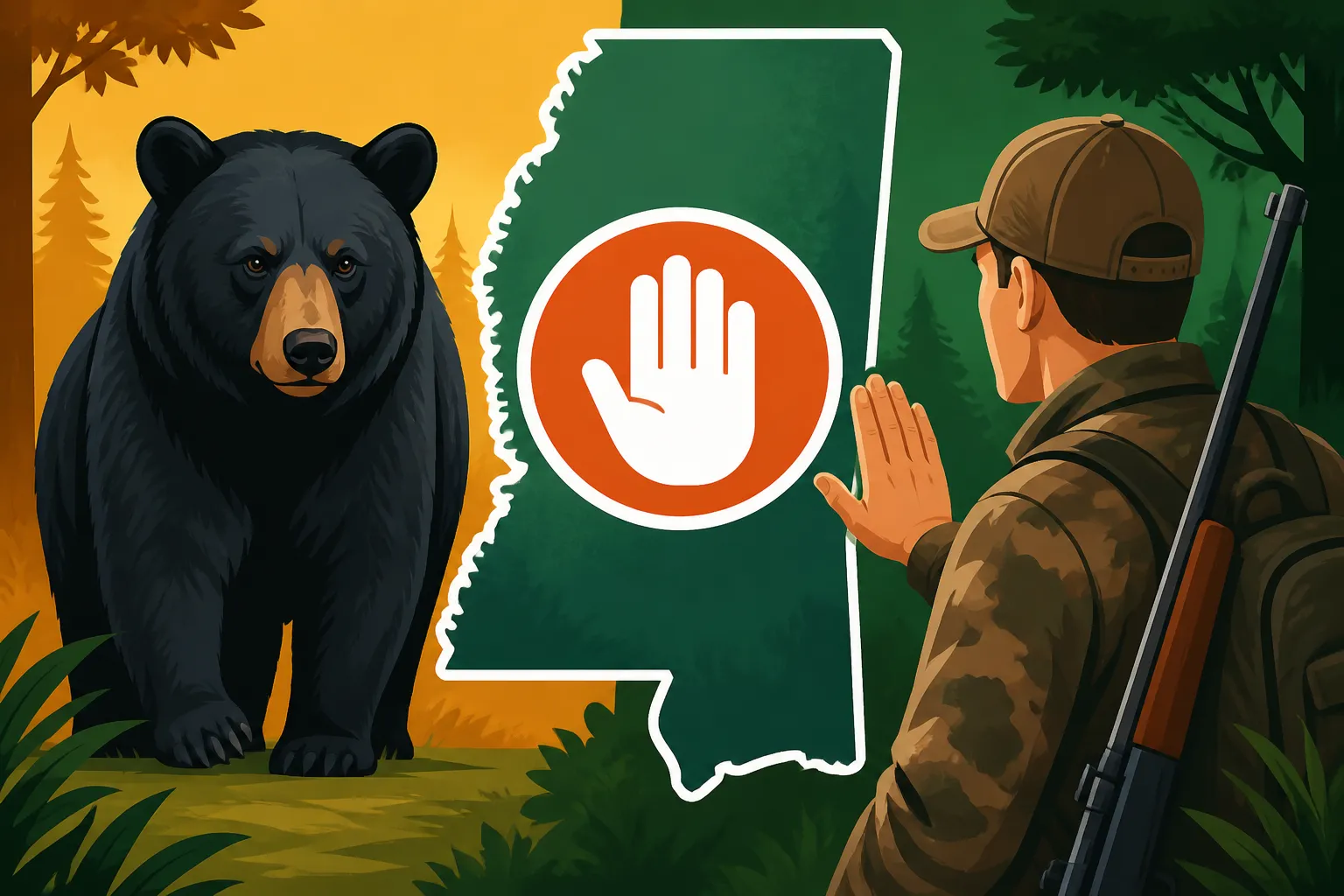
Many folks don't realize that black bears are making a comeback in Mississippi, leading to unexpected encounters in the woods, on trails, or even near residential areas. Seeing a bear can be a startling experience, and it's natural to feel a mix of awe and apprehension. This comprehensive guide will walk you through what to do if you encounter a black bear, how to stay safe, and why your responsible actions are crucial for their continued recovery in our state.
Understanding Mississippi's Returning Black Bears
It wasn't that long ago that seeing a black bear in Mississippi was considered a truly rare event, almost a myth for some. But thanks to conservation efforts and natural expansion from neighboring states, these magnificent animals are slowly but surely reestablishing a foothold in the Magnolia State. Understanding their presence is the first step toward safe coexistence.
Mississippi's Recovering Black Bear Population
For decades, black bears were almost entirely extirpated from Mississippi due to habitat loss and unregulated hunting. It's a tough pill to swallow, knowing we nearly lost such an iconic species. However, over the last few decades, these resilient creatures have been slowly moving back into their historic ranges, primarily from Louisiana and Arkansas. This slow, steady rebound is a testament to the wild's ability to heal and adapt when given a chance. It's exciting, but it also means we, as hunters, hikers, and landowners, need to learn how to share the landscape. You might be surprised to learn about Mississippi's Recovering Black Bear Population and the efforts behind it.
The current population isn't huge, but it's growing, and their range is expanding. The Mississippi Department of Wildlife, Fisheries, and Parks (MDWFP) monitors these populations closely, often using methods like trail cameras, hair snares, and even DNA analysis from scat. This data helps them understand where bears are establishing territories, their reproduction rates, and how well they're integrating back into our ecosystems. It's a continuous process, and every confirmed sighting contributes to this vital research. It takes a collaborative approach, and the insight from hunters and outdoor enthusiasts is invaluable.
We're talking about a species that was once abundant, then nearly gone, and is now returning. This journey isn't just a biological one; it's a cultural shift for us Mississippians who are now learning to live with large predators again. Many of us grew up with stories of bears being "long gone," so encountering one can feel genuinely surreal, even a bit disorienting. Rest assured, the MDWFP has experts working diligently to ensure this comeback is sustainable.
Where Mississippi Black Bears Live Today
While black bears are still relatively few and far between, their presence is most notable in a few key areas. The most established population can be found in the Mississippi Delta, particularly in the vast bottomland hardwood forests like those found within the Delta National Forest and surrounding private lands. These areas provide the dense cover, abundant food sources like acorns and berries, and crucial refuge that bears need to thrive. If you're hunting deer or hogs in the Delta, especially near the river batture lands, the chances of an encounter are higher than anywhere else in the state. You can learn more about Where Mississippi Black Bears Live Today.
Another significant area of bear activity is along the Mississippi River corridor, extending south into the Homochitto and De Soto National Forests in the southern part of the state, and even reaching the coastal regions. These bears often migrate along river systems, using them as natural travel corridors, leading to sightings in unexpected places. You might be scouting a deer stand or setting up a Hanging a Stand on a Delta Bottomland Funnel and suddenly realize you're not alone. The piney woods of South Mississippi also see occasional transients, often young males looking for new territories. These areas offer different food sources and cover, but bears are incredibly adaptable.
The expansion isn't just confined to these traditional strongholds. We're now seeing transient bears pop up in central Mississippi, too. These are often young, dispersing males, sometimes traveling hundreds of miles in search of new habitat and mates. This means that even if you've never seen a bear in your neck of the woods, it's becoming increasingly important to be aware that one could be there. This shifting landscape requires all of us to stay informed and vigilant, no matter where in Mississippi we recreate outdoors. Tools like GoHunt can help you visualize habitat types, giving you a better sense of where you might encounter one.
Why Mississippi Bears Stayed Protected So Long
The reason Mississippi black bears have remained a protected species for so long is straightforward: their population numbers simply weren't high enough to sustain a hunting season. After near-eradication, the focus shifted entirely to recovery and allowing the population to rebuild naturally. This commitment to protection has been unwavering, reflecting the MDWFP's dedication to restoring native wildlife. You might recall discussions around Why Mississippi Bears Stayed Protected So Long and how critical it was.
Any talk of even a limited bear season has always been met with extensive research and public input, and so far, the data hasn't supported it. The priority has been, and remains, to ensure a robust and self-sustaining population before any consideration of regulated harvest. This is why if you do encounter a bear, it's absolutely crucial not to disturb it. Their presence here is still delicate, and every individual bear contributes significantly to the genetic diversity and expansion of the overall population.
This long-term protection isn't just about numbers; it's also about habitat. Black bears need large, undisturbed tracts of land, and while Mississippi has some fantastic areas, human development is always a factor. Maintaining protected status helps ensure these animals have the space and security they need to continue their comeback, allowing them to disperse and colonize new areas safely. It’s a delicate balance, and we're all a part of ensuring their future here. The MDWFP also manages various Mississippi Wildlife Management Areas where bears can thrive without undue human pressure.
Encountering a Black Bear: Best Practices and Safety
The moment you realize you're in the presence of a black bear can be a heart-stopping one. It's easy to panic, but understanding how bears behave and how you should react is the most important tool you have for a safe encounter. Most black bears are not aggressive; they're usually just as surprised to see you as you are to see them.
Staying Safe During a Close Encounter
If you find yourself face-to-face with a black bear, the first and most critical rule is to remain calm. Don't run. Running can trigger a chase response, and a bear can easily outrun you. Instead, make yourself look as large as possible by standing tall, waving your arms, and speaking in a firm, loud voice. Let the bear know you're human and not prey. If you're wearing a backpack, keep it on, as it can offer some protection if the bear were to make contact.
Slowly back away, giving the bear plenty of space to retreat. Avoid making direct eye contact, which can be perceived as a challenge. If the bear stands on its hind legs, it's usually just trying to get a better look, not preparing to charge. They have poor eyesight and are relying on their sense of smell and hearing. If the bear is close and seems agitated, perhaps huffing or swatting the ground, continue to make noise and slowly back off. You might feel a primal urge to bolt, but resisting that urge is key. Even if it's just a glimpse from a distance while Hunting the Rut in the Hills Unit, knowing how to react is vital.
It’s important to understand that black bear attacks are exceedingly rare, especially when compared to grizzlies. Most black bear encounters end with the bear leaving the area once it realizes you're there. However, if a bear does make contact, or charges and makes contact, fight back aggressively. Target its face and eyes. This is different from how you'd react to a grizzly, but with black bears, fighting back is your best defense in a physical confrontation. This is a critical distinction that can save your life.
Distinguishing Between Defensive and Predatory Behavior
Understanding a bear's behavior is crucial for knowing how to react. Most interactions are defensive, meaning the bear feels threatened by your presence, particularly if cubs are involved or if you've surprised it. A defensive bear might swat the ground, huff, jaw-pop, or even make bluff charges – running at you but stopping short. In these cases, your goal is to de-escalate: speak calmly, back away slowly, and ensure the bear has an escape route. Never get between a sow and her cubs.
Predatory behavior, on the other hand, is extremely rare but far more dangerous. A predatory bear will typically approach silently, stalking you, often at night or during twilight hours. It might follow you, showing unusual persistence. If a bear is approaching you silently, head down, and not exhibiting defensive signals, it could be predatory. In these exceptionally rare cases, you should immediately try to scare it off by yelling, throwing objects, and if necessary, fighting back aggressively. This is why carrying bear spray is always a good idea in bear country, even for black bears. It's a non-lethal deterrent that can give you a critical advantage.
Always be aware of your surroundings, especially if you're hiking or camping in areas known to have bear activity. Look for signs of bears like scat, tracks, or torn-up logs. Being alert can prevent a surprise encounter from turning into a tense situation. Using a tool like GoHunt can help you scout and understand the terrain, potentially identifying areas with dense cover where a bear might be bedded, helping you avoid surprising them. Familiarizing yourself with Scouting Mississippi Public Land Before Season is also highly recommended.
Hunting in Bear Country: Special Considerations
Hunting in Mississippi, especially in regions like the Delta or river corridors, means you might share the woods with black bears. While you're primarily focused on your target species, whether it's deer, turkey, or Hunting Mississippi's Year-Round Feral Hogs, it's vital to remember you're in bear habitat. One key consideration is how you handle your harvest. Field dressing a deer or hog can create scents that attract bears from a distance.
When you make a kill, try to retrieve it quickly. If you have to leave it overnight, cover it with branches and leave something with your scent on it (like an old shirt) to deter scavengers, though a bear might still be curious. When approaching a kill site, do so cautiously, making noise to announce your presence. Be prepared to yield the kill to a bear if one claims it – your safety is paramount, and a deer isn't worth a dangerous confrontation. Carrying bear spray is highly recommended, even if your primary target isn't a bear.
Furthermore, proper food storage in hunting camps is essential. Bears are incredibly smart and have an amazing sense of smell. Store all food, cooking gear, and scented items in bear-resistant containers, hung from a tree, or locked in a vehicle. Never leave food scraps or garbage around your camp or hunting stand. We all enjoy Mississippi Deer Camp Traditions, but those traditions need to evolve to include bear-aware practices. A fed bear is a dead bear, as habituated bears often become nuisance animals that eventually have to be removed or euthanized. Being responsible with attractants protects both you and the bears.
Reporting a Sighting: Why and How
Every time you see a black bear in Mississippi, it’s not just a cool story for later – it’s a valuable piece of data for wildlife management. Reporting your sighting helps the MDWFP understand where bears are, how many there might be, and how their populations are growing and moving throughout the state.
The Importance of Reporting Bear Sightings
For a species that's actively recovering, every confirmed sighting is a golden nugget of information. The MDWFP relies on these reports to track the expansion of the bear population, identify key habitat areas, and understand movement patterns. Without this citizen science, wildlife biologists would have a much harder time accurately assessing the health and distribution of Mississippi's black bears. If you see a bear, it helps answer crucial questions like "Where are the bears moving into next?" or "Are cubs being seen, indicating successful reproduction?"
Your report contributes to the overall conservation strategy. This data informs land management decisions, public education efforts, and future policy regarding black bears. It helps ensure that any potential conflicts between humans and bears are managed proactively and effectively. Simply put, a well-informed wildlife agency is a better wildlife agency, and your participation is a critical component of that intelligence gathering. This is especially true for areas where Bears Moving Into Central Mississippi might be a new phenomenon.
Beyond the scientific aspect, reporting helps shape public perception. The more data we have, the better we can communicate the reality of bear presence in Mississippi, dispelling myths and fostering a culture of informed coexistence. It moves us past the "I heard a rumor" stage and into solid, verifiable knowledge, which benefits everyone who loves the outdoors. Consistent and accurate reporting is key to managing a recovering population responsibly.
How to Report a Bear Sighting to MDWFP
Reporting a black bear sighting to the Mississippi Department of Wildlife, Fisheries, and Parks is straightforward, and there are several ways to do it. The most direct method is to contact MDWFP directly. You can call their main office or, even better, contact a regional office or a conservation officer in your specific area. They are the boots on the ground and often have the most localized knowledge. You can find their contact information easily on the MDWFP website.
When you report, be prepared to provide as much detail as possible. This includes:
- Date and Time of Sighting: Be as precise as you can.
- Exact Location: Use GPS coordinates if possible, or describe the location with clear landmarks (e.g., "near the intersection of Highway XX and County Road YY, about 1 mile north of Z town, on the edge of a soybean field").
- Bear Description: Size (cub, juvenile, adult), color (most are black, but some can be brown), any distinguishing features.
- Bear Behavior: What was the bear doing? Was it calm, running, feeding, acting defensively?
- Presence of Cubs: This is very important to note.
- Photographs or Videos: If you managed to capture any, these are incredibly valuable for verification and identification.
Don't wait too long to report. While any report is good, fresh information is always best. This allows officers to potentially investigate the area for further sign or confirm details. Remember, your detailed observations are truly helpful.
Using Technology for Reporting
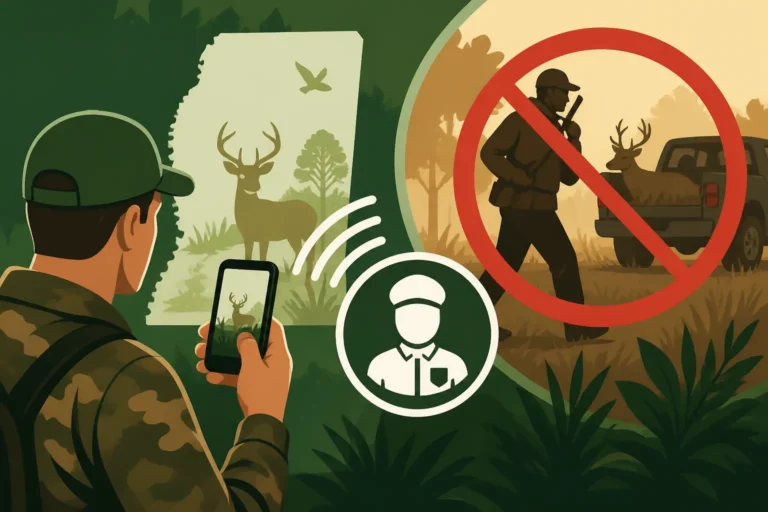
In today's connected world, technology makes reporting easier than ever. Most people carry smartphones, which are invaluable tools for documenting a bear sighting. Take photos or videos from a safe distance – they provide undeniable proof and can offer critical details about the bear's size, condition, and markings. Make sure your phone's location services are enabled, as this will often automatically tag your photos with GPS coordinates, providing an exact location for your sighting.
Many state wildlife agencies, including the MDWFP, have robust online platforms or even dedicated apps where you can submit wildlife observations. Check the MDWFP website for their specific reporting forms or instructions. Some platforms, like the popular GoHunt mapping app, might even have features or partnerships that allow users to submit wildlife observations, although you should always verify the official reporting channels first. When using a mapping app like GoHunt for your scouting, you can also mark the exact location where you saw the bear, which can then be easily shared with wildlife officials. Remember, even if you're in an area with poor cell service, many apps allow you to drop a pin and log information that will upload once you regain a signal. Knowing Using the MDWFP App Without Cell Service can be a game-changer for recording your observations in remote areas.
This integration of personal technology and official reporting means that your valuable data can be collected efficiently and accurately, directly contributing to the state's wildlife conservation efforts. So, the next time you're out there, remember your phone isn't just for calls – it's a powerful wildlife monitoring tool in your pocket. The more information MDWFP receives, the better they can manage this returning species.
Dispelling Myths and Promoting Coexistence
Just like with any wild animal, especially one making a comeback, there are often many misconceptions about black bears. Separating fact from fiction is crucial for promoting safe and harmonious coexistence between humans and these amazing creatures.
Common Misconceptions About Black Bears
One of the biggest myths about black bears is that they are inherently aggressive and dangerous. While any wild animal can be unpredictable, black bears are generally shy and reclusive. They prefer to avoid humans and will typically flee when they detect human presence. The vast majority of encounters are non-confrontational, and serious incidents are very rare. Hollywood movies and sensationalized stories often paint a picture that doesn't align with the reality of living alongside black bears. Understanding Why Mississippi Has No Bear Season due to low population numbers also highlights their non-threatening nature.
Another misconception is that all bears are big, lumbering giants. While adult males can be quite large, many of the bears seen, especially young, dispersing individuals, are not massive. Their size can vary significantly based on age, sex, and food availability. Also, people often mistakenly believe that a bear standing on its hind legs is about to attack. As mentioned before, they usually do this to get a better vantage point, using their senses to figure out what you are. It's a natural curiosity, not an immediate threat.
Finally, there's a belief that bears are always looking for trouble. In truth, bears are primarily driven by food. If they become a "problem bear," it's almost always because they've become habituated to human food sources, whether from garbage, pet food, or bird feeders left out. Bears are intelligent and opportunistic, and if they learn that human areas mean easy calories, they will exploit that. This isn't aggression; it's survival. Understanding these nuances is vital for avoiding conflict.
Living Responsibly Alongside Bears
As black bear populations continue to grow and expand into new areas of Mississippi, it becomes increasingly important for all of us to adapt our habits to minimize potential conflicts. This isn't about fear; it's about respect and responsibility for wildlife. One of the most impactful things you can do is secure all food attractants around your home and property, especially if you live in or near known bear habitat.
This means bringing in pet food at night, securing garbage in bear-resistant containers or locked sheds, and taking down bird feeders when bears are active (especially during spring and fall when they're bulking up). If you have fruit trees, pick ripe fruit promptly and clean up fallen fruit. For those who enjoy camping or spending time on Public Hunting Land in Mississippi, adhering to food storage guidelines is non-negotiable. Always pack out what you pack in, and never leave food or scented items unattended.
Educating yourself and your community is another crucial step. Share accurate information about black bears and how to safely coexist with them. Encourage neighbors to adopt bear-wise practices. The goal isn't to eliminate bears from our landscape, but to integrate them back in a way that protects both humans and wildlife. With mindful habits and a little common sense, we can ensure that Mississippi's black bear comeback is a success story for generations to come. Your outdoor adventures, whether you're mapping new hunting spots with GoHunt or simply enjoying a hike, become part of this larger conservation effort.
Understanding Bear Behavior and Response Actions
| Bear Behavior / Scenario | Interpretation | Recommended Action |
|---|---|---|
| Bear seen at a distance (100+ yards) | Generally aware of your presence, likely no threat. | Observe quietly. Do not approach. Give the bear plenty of space. Continue on your way, making noise to ensure the bear knows you are there and has an escape route. |
| Bear stands on hind legs | Usually curious, trying to identify you by scent/sight. | Do not run. Remain calm. Speak in a low, assertive voice. Make yourself look large. Slowly back away, keeping the bear in sight. |
| Defensive behavior (huffing, swatting, bluff charge) | Bear feels threatened, especially if cubs are nearby or it's protecting a food source. | Do not run. Stand your ground, appear large, and make noise. Give the bear space to retreat. Slowly back away. If a bluff charge occurs, stand firm. Never try to get between a sow and cubs. Carry bear spray and be prepared to use it. |
| Predatory behavior (silent approach, persistent following) | Extremely rare, but indicates a bear may view you as prey. | This is an emergency. Fight back aggressively with anything you have (hands, feet, rocks, sticks). Aim for the bear's face and eyes. Use bear spray if available. Do not play dead. |
| Bear is near a food source / your kill | Bear may be possessive or habituated to human food. | Avoid the bear. Do not try to retrieve your kill or approach a bear on a food source. Make noise to announce your presence and give the bear space. Your safety is more important than your harvest. Report persistent nuisance behavior to MDWFP. |
| Bear in camp / backyard | Likely attracted by unsecured food or garbage. | Make loud noises (pots and pans, air horn) to scare it away. Do not feed it. Secure all attractants. If it persists, retreat indoors and call MDWFP or local law enforcement. |
Disclaimer
The information provided in this guide is for general informational purposes only and is not intended as professional advice. Hunting regulations, wildlife behavior, and safety protocols can change. Always consult the official Mississippi Department of Wildlife, Fisheries, and Parks (MDWFP) website and current regulations before engaging in any hunting or outdoor activities. Bear encounters are rare, but personal safety should always be your top priority.