National Forest Camping Near Your Stand
It's a familiar feeling for many Mississippi hunters: that longing to wake up right where the action is, to be the first one in the woods, just a stone's throw from your prime deer stand or turkey roost. While the convenience of camping right near your hunting spot in Mississippi's National Forests is incredibly appealing, it comes with a specific set of rules and considerations you absolutely need to understand before you throw your tent in the truck. This guide is here to walk you through how to responsibly and effectively set up camp near your stand in our beautiful national forests, making sure you stay legal, safe, and respectful of the land.
The Appeal of Camping on National Forest Land While Hunting
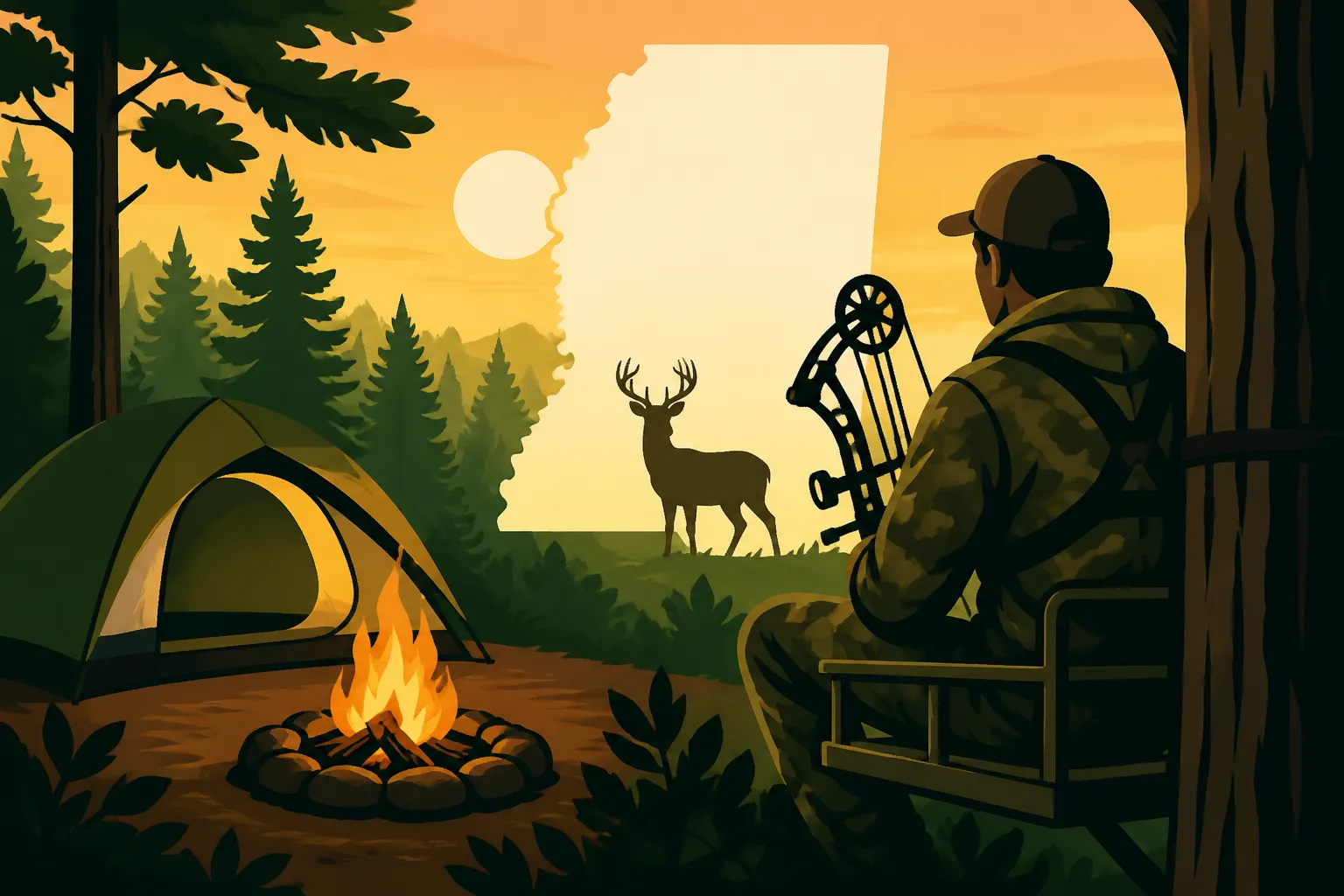
There's something uniquely immersive about rolling out of your sleeping bag and stepping directly into the quiet, pre-dawn woods, knowing your treestand is just a short, stealthy walk away. For many, it’s not just about convenience; it’s about experiencing the hunt in its purest form, maximizing time afield, and minimizing travel. Mississippi's National Forests—like the expansive Delta National Forest, the rolling terrain of Homochitto National Forest, or the diverse woodlands of Bienville National Forest—offer incredible opportunities for this kind of experience.
When you're out there, whether you're chasing whitetails in the bottomland hardwoods or calling turkeys in the piney woods, having a camp nearby means less time driving and more time listening, scouting, and hunting. It allows you to respond to changing weather, adjust tactics on the fly, and truly immerse yourself in the natural rhythm of the forest. No more long drives back to a hotel or distant campsite; your home base is right there, nestled in the woods, ready for a warm meal and a good night's rest after a long day afield.
Maximizing Time and Minimizing Travel
Think about those crucial first and last hours of light during deer season. If you're staying miles away in a hotel or a developed campground that's a 30-minute drive from your hunting block, you're losing valuable time. By the time you navigate winding forest roads, park, and trek to your stand, you could be missing key animal movement. Camping directly within the national forest, closer to your desired hunting area, drastically cuts down on this lost time. It means you can be in your stand well before legal shooting light, letting the woods settle around you, and stay until the very last glimmer of dusk fades, rather than rushing to beat traffic or close a gate.
This proximity also comes into play when the weather turns. Imagine a sudden cold front pushes in or a rainstorm blows through. If your camp is nearby, you can duck back to warm up, dry out gear, or grab an extra layer without abandoning your hunting efforts for the entire day. It also allows for mid-day naps or quick meals, giving you energy to stay out longer in the prime afternoon hours.
Immersing Yourself in the Hunting Experience
Beyond the practical benefits, camping near your stand enhances the entire hunting experience. It’s about being fully present in the environment. You wake up to the sounds of the forest coming alive – the first chirps of birds, the rustle of leaves, maybe even the distant gobble of a turkey or the grunt of a whitetail. You’re not just visiting the woods; you’re living in them, if only for a few days.
This deeper immersion often leads to better hunting. You become more attuned to the subtle shifts in wildlife behavior, the wind patterns, and the scent trails. It’s an opportunity to truly scout and learn your area, observing game movements before and after legal hunting hours. Whether you're setting up a ground blind or hanging a new ladder stand, having camp close allows you to spend more time observing, planning, and executing your strategy. For serious hunters, this isn't just a trip; it's an expedition, and a well-placed camp is the expedition's heart.
Understanding National Forest Camping Regulations for Hunters
While the allure of "camp near your stand" is strong, it's crucial to understand that National Forests aren't a free-for-all. There are specific rules set by the U.S. Forest Service that govern camping, and these can vary slightly between different national forests and even within areas of the same forest. Ignorance of the rules won't keep you from getting a citation, so doing your homework is essential. You'll need to distinguish between developed campgrounds, which offer amenities but might be far from your preferred hunting spot, and dispersed camping, which provides the flexibility hunters crave but comes with more responsibility and fewer services.
The good news is that Mississippi's National Forests, including Delta National Forest Hunting, Homochitto National Forest Hunting, and Bienville National Forest Hunting, generally allow dispersed camping. This means you can set up your camp almost anywhere within the forest, away from developed areas, as long as you adhere to specific guidelines. However, you absolutely need to know these guidelines to avoid issues. Remember that WMAs (Wildlife Management Areas) within or adjacent to National Forests might have their own separate and often stricter rules regarding camping, so always check both the Forest Service regulations and the MDWFP WMA specific rules.
Developed Campgrounds Versus Dispersed Camping
Developed Campgrounds: These are designated sites, usually with amenities like picnic tables, fire rings, vault toilets, and sometimes even potable water. They might be managed by the Forest Service or a concessionaire. While convenient and often beautiful, they typically come with a fee and are often located in specific recreational areas, which may not be near your chosen hunting grounds. Booking is often required, and they might have stricter rules about noise, generators, and even pets. They're great for family trips, but less ideal for the hunter who wants to be truly immersed and close to their stand.
Dispersed Camping: This is the hunter's dream scenario. Dispersed camping means camping outside of developed campgrounds, usually without any amenities. In Mississippi's National Forests, this is generally allowed for up to 14 days in any 30-day period. The key is "Leave No Trace" principles. You must choose a site that causes minimal impact, often a previously used site, or one that's naturally resilient. There's usually a rule about how far you must be from roads, trails, and water sources (often 100-200 feet). This is where having tools like onX Hunt can be incredibly helpful. You can use its mapping features to pinpoint your hunting area, then identify potential dispersed camping spots that are adequately distanced from roads and water, ensuring you’re legal and minimizing your footprint. Always check the specific forest's website for exact distances, as these can vary.
Firewood, Waste, and Stay Limits
These three categories are where many hunters inadvertently run into trouble.
- Firewood: While campfires are a staple of the hunting experience, pay close attention to local fire restrictions. During dry spells, the Forest Service may implement fire bans. Even when fires are allowed, you generally cannot cut standing trees, dead or alive, for firewood. You should collect only dead and downed wood that is easily broken by hand. Bringing your own seasoned firewood is often the best and most responsible practice to prevent the spread of invasive insects or diseases.
- Waste Management: This is non-negotiable. Whatever you pack in, you pack out. This includes all trash, food scraps, and even human waste. For solid human waste, you must dig a "cathole" at least 6-8 inches deep and at least 200 feet from water, trails, or campsites, then cover it thoroughly. Toilet paper should either be packed out or buried deep in the cathole. Greywater (from washing dishes) should be broadcast away from water sources. Remember, leaving behind even biodegradable waste can attract animals and detract from the wilderness experience for others.
- Stay Limits: As mentioned, most National Forests have a 14-day stay limit within a 30-day period. This is to prevent long-term residency and ensure fair use of public lands. If you're planning an extended season, you'll need to move your camp to a new location outside of your previous camping area to restart the clock or consider different strategies. Knowing these limits is crucial, especially if you're taking advantage of Mississippi's Gun Deer Season by Unit or Bowhunting Mississippi's Long Archery Season and want to stay for multiple weeks.
Treestand and Gear Regulations Near Camp
Your hunting stand isn't just about the hunt; it's part of your overall presence in the woods, especially when your camp is nearby. On public lands, including National Forests, there are specific rules regarding treestands and ground blinds. Generally, stands must be removed at the end of the hunting season, and sometimes even at the end of a specific hunt period. Most forests do not allow permanent stands or blinds that damage trees. Check the specific regulations for the forest you plan to hunt. For example, Treestand Rules on Mississippi Public Land delves into this in detail. Leaving a stand up year-round can lead to fines and forfeiture of your equipment.
Additionally, while it's tempting to leave gear out around a nearby camp, remember that it's public land. Secure your firearms, bows, and other valuable equipment. Don't leave anything unattended that you aren't willing to lose, and certainly don't leave anything that could pose a hazard to other forest users. The goal is to be close, convenient, and undetectable to others who might be enjoying the forest for different reasons.
Setting Up a Functional and Stealthy Hunting Camp
Once you've got the regulations down, the next step is planning your actual camp setup. You want a camp that's not only comfortable and functional but also discreet and mindful of its surroundings. The primary goal is to minimize your impact and avoid alerting game or other hunters to your presence. This isn't about setting up a resort; it's about creating a temporary, efficient base of operations for your hunt.
Consider everything from the type of shelter you'll use to how you manage your cooking and waste. The more thought you put into these details beforehand, the smoother your actual hunting trip will be. Remember, the less visible and audible your camp is, the less likely it is to interfere with your hunting success or the experience of others.
Choosing Your Camp Spot and Shelter
Selecting the right spot for your dispersed camp is paramount. Here’s what to look for:
- Proximity and Stealth: You want to be close enough to your hunting area for convenience, but far enough that your presence doesn't disturb the game. A good rule of thumb is to set up a few hundred yards away from your prime stand location, preferably across a ridge, in a draw, or in dense cover that naturally blocks sight and sound. Use the topo maps in applications like onX Hunt to identify natural screens, elevation changes, and optimal walking routes to your stand that avoid spooking animals.
- Leave No Trace: Look for a spot that's already somewhat cleared or naturally open, rather than creating a new disturbance. Avoid sensitive areas like stream banks, wetlands, or fragile vegetation.
- Safety: Ensure your spot is not in a low-lying area prone to flooding, under dead trees or "widowmakers" that could fall, or in an area known for heavy bear activity without proper food storage precautions.
- Shelter:
- Tent: A low-profile, earth-toned tent is ideal. It blends in, is relatively lightweight, and offers good protection. Make sure it's rated for the expected weather conditions, including rain and potential cold snaps.
- Truck Camper/RV: If permitted on forest roads, a small truck camper or self-contained RV can offer more comfort. However, they are less stealthy and limit where you can camp. Always check ATV Rules on Mississippi Forest Roads and vehicle access rules for specific areas, as many roads might be restricted or unsuitable for larger vehicles.
Essentials for a Successful Hunting Camp
Beyond your hunting gear, a well-stocked camp needs a few key items to ensure comfort and functionality.
- Cooking System: A small, efficient camp stove is better than an open fire for dispersed camping. It's quicker, leaves less impact, and is often allowed even during moderate fire restrictions. Pack non-perishable food, and a cooler with ice (if accessible).
- Water: Access to clean water is critical. Carry enough water for drinking and cooking, or have a reliable water filter/purifier if you plan to draw from natural sources. Remember, filtering creek water is always necessary.
- Lighting: Headlamps with red light options (to preserve night vision and be less disruptive) and a reliable lantern for camp are essential.
- Navigation and Communication: Even with your stand nearby, it's easy to get disoriented in unfamiliar woods, especially in the dark. Carry a GPS device or use a mapping app like onX Hunt on your phone (download offline maps!). Have a fully charged phone, but don't rely on cell service. A satellite messenger or two-way radio can be a lifesaver, particularly if you're hunting alone. Scouting Mississippi Public Land Before Season emphasizes the importance of knowing your area.
- First Aid Kit: Always, always have a well-stocked first aid kit tailored to the length and remoteness of your trip.
- Game Processing Supplies: Knives, game bags, rubber gloves, and a cooler for meat transport are crucial if you're successful.
Table: Essential Gear for Your National Forest Hunting Camp
| Category | General Camping Needs | Specific Hunting Camp Considerations |
|---|---|---|
| Shelter | Tent, sleeping bag, pad | Low-profile, earth-toned tent; weather-appropriate for colder hunt nights |
| Cooking | Camp stove, fuel, pots/pans, food, cooler | Efficient stove for quick meals; scent-proof food storage to deter animals |
| Water | Bottled water, filter/purifier | Enough for exertion; knowledge of water sources and purification methods |
| Navigation | Map, compass, GPS device, phone | onX Hunt with offline maps, charged power bank, satellite messenger |
| Lighting | Headlamp, lantern | Red-light option on headlamp for stealth; quiet lantern for camp |
| Safety | First aid kit, fire starter, knife | Trauma kit, signaling device, bear spray (if applicable), whistle |
| Hygiene | Biodegradable soap, trowel, toilet paper | Cathole trowel, pack-out bag for trash & TP, personal hygiene items |
| Hunting Gear | Rifle/bow, ammo/arrows, optics, calls, blaze orange | All season-specific gear, ready for quick access from camp |
| Other | Camp chair, small axe/saw, rope, trash bags | Quiet camp chairs, small folding saw for downed wood, extra game bags |
Scent Control and Minimizing Disturbance
When your camp is so close to your hunting area, scent control becomes even more critical. Your camp will generate human odors, cooking smells, and noise, all of which can alert game.
- Scent Management: Set up your cooking area downwind from your hunting approach. Store all food in airtight containers, ideally in a bear-proof canister or hung from a tree, even if bears aren't common in that exact spot—raccoons and other scavengers are. Change into clean hunting clothes away from camp, and store your hunting clothes in scent-free bags. Consider showering at a nearby developed facility if available, or using scent-eliminating wipes.
- Noise Control: Keep camp noise to a minimum, especially during prime hunting hours. Soft voices, quiet movements, and minimal use of generators (if allowed and necessary) are key. Plan your entry and exit routes to your stand carefully, choosing paths that minimize disturbance and avoid known game trails.
- Visibility: Choose drab, natural-colored gear for your camp. Avoid bright lights after dark that can be seen from a distance. Set up camp behind natural screens like thick brush or a rise. The goal is for your camp to be as invisible as possible to both wildlife and other forest users.
Safety, Ethics, and Leaving No Trace in Mississippi's National Forests
Hunting and camping in a national forest is a privilege, not a right. With that privilege comes immense responsibility—to yourself, to other forest users, to the wildlife, and to the land itself. When you choose to camp near your stand, you're embracing a deeper connection with the wilderness, and upholding the highest standards of safety and ethics is paramount. This ensures that these opportunities remain available for generations to come and that your hunt is truly successful in every sense of the word.
Always remember that you're sharing these lands. Whether it's with hikers, birdwatchers, other hunters, or even just the animals themselves, your actions have an impact. Being prepared, mindful, and respectful are the hallmarks of a true woodsman.
Personal Safety and Awareness
The solitude of camping near your stand is part of the appeal, but it also means you're largely on your own.
- Tell Someone Your Plans: Always inform a trusted person about your exact hunting and camping location, your planned route, and your expected return time. This is critical in case of an emergency, especially in areas with spotty cell service.
- Know Your Area: Before you even set foot on the ground, thoroughly scout your hunting block. Use tools like GoHunt for general research on hunting conditions and regulations, and then drill down with onX Hunt to understand the topography, identify potential hazards like steep ravines or wetlands, and mark your camp, stand locations, and emergency egress routes. Knowing Where Delta National Forest Bucks Bed or Reading a Ridge for Hills Unit Deer is one thing, but knowing your escape routes is another.
- Weather Preparedness: Mississippi weather can be unpredictable. Be prepared for sudden thunderstorms, drastic temperature drops, or extended periods of rain. Pack appropriate clothing layers, rain gear, and extra supplies for unexpected delays.
- Wildlife Encounters: While dangerous wildlife encounters are rare, be aware of your surroundings. Know what to do if you encounter a black bear (give it space, make noise, don't run) or venomous snakes, which are common in Mississippi, especially in bottomland areas. Store food properly to avoid attracting animals to your camp.
Ethical Hunting and Camping Practices
The principles of "Leave No Trace" are your guiding stars when dispersed camping. These aren't just suggestions; they're the foundation of responsible outdoor recreation.
- Plan Ahead and Prepare: Research regulations, weather, and terrain. Pack smart. Knowing what to expect and having the right gear prevents issues.
- Travel and Camp on Durable Surfaces: Stick to existing trails and previously used campsites when possible. If you must set up a new camp, choose a naturally open, resilient spot. Avoid walking through fragile vegetation or creating new paths.
- Dispose of Waste Properly: As discussed, pack out all trash, including food scraps. Bury human waste properly and well away from water sources.
- Leave What You Find: Don't remove artifacts, plants, or natural features. Leave the area as you found it, or better.
- Minimize Campfire Impacts: Use established fire rings if available, or build small, contained fires. Ensure fires are completely out and cold to the touch before leaving. Consider a stove as a primary cooking method.
- Respect Wildlife: Observe wildlife from a distance. Do not disturb or feed animals. Store food securely. Remember, you're in their home.
- Be Considerate of Other Visitors: Keep noise down. Respect privacy. Public lands are for everyone to enjoy. If you're using a game call, be mindful of where other hunters might be.
Reporting Issues and Staying Informed
Being an active participant in maintaining the health of our National Forests means knowing when and how to report problems.
- Reporting Violations: If you witness illegal activity, such as poaching, littering, or egregious rule violations, report it to the Forest Service or MDWFP. Many states have a dedicated tip line.
- Stay Updated: Regulations can change. Before each hunting season, or even each trip, check the official websites for the U.S. Forest Service (for the specific National Forest) and the Mississippi Department of Wildlife, Fisheries, and Parks (MDWFP). This is particularly important for things like Mississippi's Chronic Wasting Disease Zones, which can have specific carcass movement restrictions.
- Give Back: Consider volunteering for trail maintenance, cleanup days, or supporting conservation organizations. These lands are a shared resource, and our collective efforts help keep them vibrant and accessible for hunting and camping.
By embracing these principles, you ensure that your experience camping near your stand in Mississippi's National Forests is not only successful for you but also sustainable for the environment and enjoyable for all who cherish these wild spaces.
Disclaimer
This article is for general informational purposes only and does not constitute professional advice. Laws, prices and regulations vary by location and change over time. Consult a qualified professional for guidance on your specific situation.