Hunting a Delta Forest Greentree Reservoir
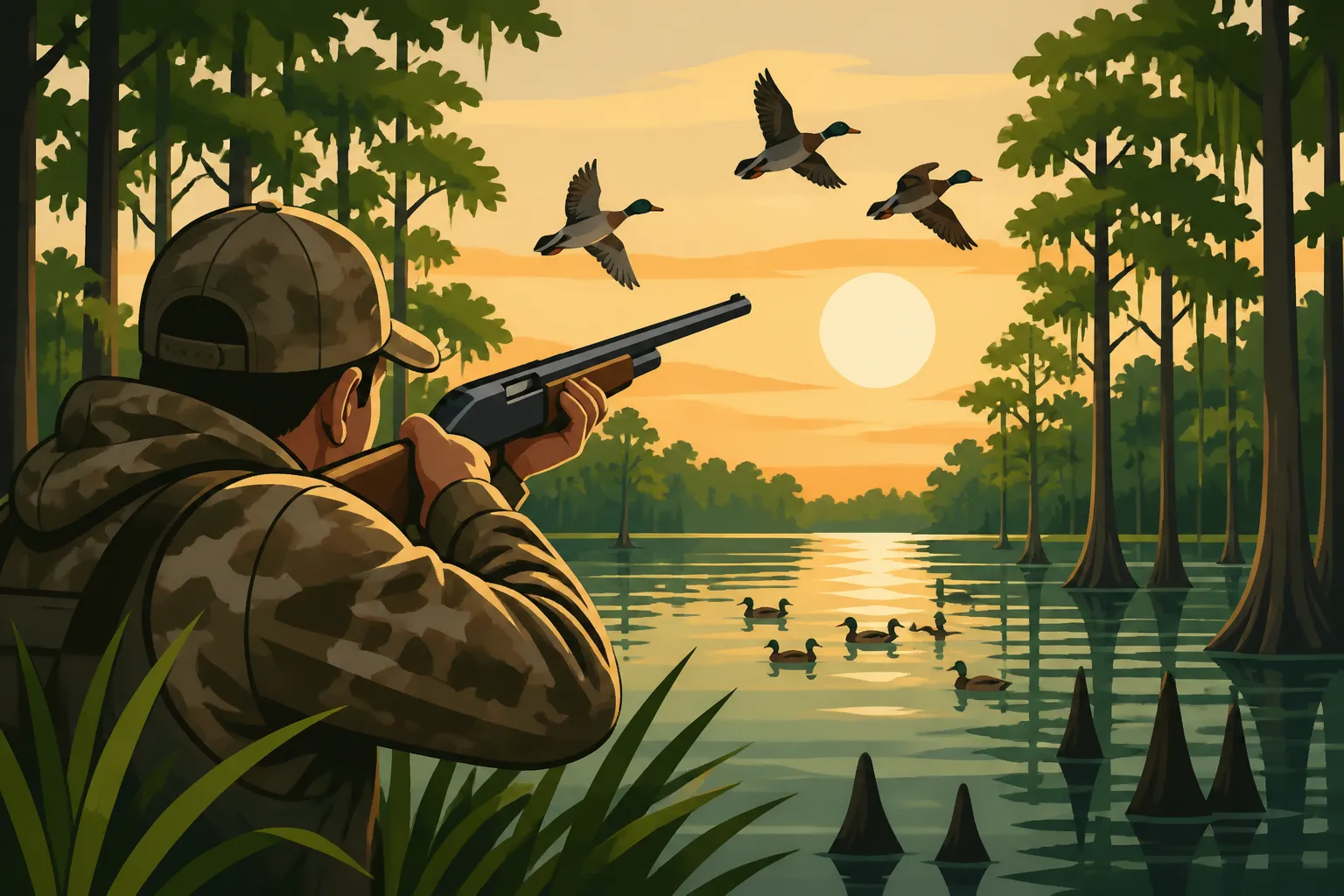
Hunting flooded timber in Mississippi, especially within the vast and often intimidating Delta National Forest, can feel like stepping into an entirely different world from field hunting. The dense canopy, the dark water, and the subtle movements of waterfowl demand a unique approach. This guide is all about helping you understand the intricacies of Hunting a Delta Forest Greentree Reservoir, from deciphering water levels and scouting hidden pockets to mastering calling tactics that bring those wary ducks into range.
Understanding Delta Forest Greentree Reservoirs (GTRs)
Greentree Reservoirs, or GTRs, are truly special places. They're a testament to thoughtful land management, designed specifically to provide optimal habitat for migrating waterfowl. But for us hunters, they're also challenging, rewarding, and deeply immersive environments that offer some of the most classic duck hunting experiences Mississippi has to offer.
What Makes GTRs Unique in Mississippi?
Unlike natural swamps or river bottoms that flood and recede with the whims of nature, GTRs are actively managed by the Mississippi Department of Wildlife, Fisheries, and Parks (MDWFP) and the U.S. Forest Service. In places like Delta National Forest, these are tracts of bottomland hardwood forest where water levels are manipulated through a system of levees, pumps, and water control structures. The goal is to flood these areas during the fall and winter months, mimicking natural flooding cycles, which provides critical feeding and resting grounds for ducks.
The trees themselves—often ancient oaks, pecans, and cypress—offer shelter, roosting sites, and, most importantly, a steady supply of acorns and other mast crops that ducks absolutely devour. This structured environment means water levels are relatively consistent, at least within the managed areas, providing a more predictable hunting scenario than, say, chasing ducks in fluctuating river backwaters. Knowing that these are managed areas can help you anticipate water levels and prime feeding areas. The unique ecosystem also means you'll be dealing with specific challenges like navigating dense timber and finding open pockets for decoy spreads.
Key Species and Their Habitat Preferences
While you might encounter a variety of waterfowl in a Delta GTR, the true stars of the show are typically mallards and wood ducks. These species are perfectly adapted to the flooded timber environment.
Mallards, often referred to as "greenheads," are avid dabblers, meaning they feed by tipping up in shallow water to reach acorns, seeds, and invertebrates on the forest floor. They thrive in GTRs where the water is typically shallow enough for them to feed comfortably, usually between six inches and two feet deep. They appreciate open pockets within the timber where they can land and feel safe, often congregating in larger groups. You'll find them working edges of thick timber and around areas where the canopy is a bit more open, allowing for easier flight.
Wood ducks, on the other hand, are masters of the dense timber. Their agile flight allows them to dart through the thickest canopy, and they often seek out smaller, tighter pockets of water. They're also acorn eaters but will readily consume a wider variety of seeds and insects. Wood ducks are particularly fond of sloughs and ditches within the GTR, and they often use hollow trees for roosting. You'll likely encounter them in the darker, more secluded parts of the reservoir, often in smaller groups or pairs. Hunting Flooded Timber for Wood Ducks is a truly rewarding experience, and GTRs are prime locations. While these two are primary targets, don't be surprised to see gadwall, wigeon, or even the occasional pintail making use of these rich habitats, especially if there are larger, more open water areas.
The Role of Water Management
Understanding how water is managed in a GTR is paramount to successful hunting. The MDWFP, along with agencies like the U.S. Forest Service that manage lands such as Delta National Forest, typically implement specific flooding schedules. Water is often slowly introduced into the reservoirs in late fall, usually starting around October or November, and maintained throughout the core of duck season. This gradual flooding allows the ducks to discover the newly available food sources, such as acorns, as they drop.
Monitoring these water levels is crucial. Too little water, and the ducks can't feed efficiently or navigate the timber; too much, and the prime feeding areas might be too deep, or flight patterns could shift. This information is often available through MDWFP websites or local office contacts. Before heading out, always check for updates on water levels, as they can directly impact where ducks will be concentrated and how easily you can access certain areas. This active management also influences the overall health of the forest and ensures a sustainable environment for future waterfowl migrations.
Scouting and Preparation for a GTR Hunt
You can't just show up to a GTR and expect to fall into ducks. These areas demand serious legwork and strategic preparation. The sheer vastness of places like Delta National Forest means that knowing where to focus your efforts can make or break your hunt.
Pre-Season Reconnaissance
Your scouting efforts for a GTR hunt should begin long before opening day. Start with detailed maps, both topographical and aerial imagery. Tools like onX Hunt are invaluable here. You can use it to identify potential access points, pinpoint old logging roads or trails that might lead into the timber, and, most importantly, locate subtle changes in elevation that will determine water depth once the area is flooded. Look for sloughs, creeks, and natural depressions where water will accumulate first and often holds birds. Also, identify denser timber versus more open pockets. Scouting Mississippi Public Land Before Season is always a good idea, and GTRs are no exception.
During the summer or early fall, before the water comes in, actually walking the area can give you a massive advantage. You can see the lay of the land, identify the species of oaks dropping acorns, and mark potential stand locations. Look for old duck sign, like feathers or concentrated droppings, even if it's dry. Pay attention to how deer move through the area, as their trails can sometimes offer drier walking routes. Once flooding begins, use satellite imagery again to watch how the water fills in. Check the MDWFP website or local game warden reports for current water levels in specific GTRs like those found in the Delta National Forest. Understanding Delta Forest's Five Greentree Reservoirs specifically can help you focus your initial research.
Gear Essentials for Flooded Timber
Hunting a GTR requires specialized gear to stay comfortable, safe, and effective. Forget your field blinds; this is a wet, often rugged environment.
Essential Gear Checklist for a GTR Hunt:
| Item | Description | Importance | Notes |
|---|---|---|---|
| Chest Waders | Neoprene or breathable, insulated for cold water. | Critical | Crucial for navigating deep water and staying dry. |
| Waterproof Boots | For walks to and from the GTR, if not wearing waders the whole time. | High | Keep feet dry before and after the hunt. |
| Kayak/Canoe/Small Boat | For accessing deeper areas, retrieving birds, carrying decoys. | High | Especially useful in larger GTRs or for going deeper into the timber. |
| Decoys | Mallard and Wood Duck specifics are key. | High | Motion decoys can be highly effective. |
| Duck Calls | Range of calls, focusing on soft quacks, feeding chuckles. | Critical | Timber dulls sound, so sharp calls can be too much; focus on realism. |
| Headlamp/Flashlight | Essential for navigating in pre-dawn darkness and post-hunt. | Critical | Red light option preserves night vision. |
| Waterproof Bag/Box | For phone, keys, extra shells, snacks. | Critical | Keep electronics and vital items dry. |
| Warm, Layered Clothing | Waterproof outer shell, synthetic/wool layers underneath. | Critical | Mississippi winters can be deceptively cold, especially when wet. |
| Shotgun | 12-gauge or 20-gauge, suitable for steel shot. | Critical | Choke choice for close-range timber shots. |
| Steel Shot | Legal requirement for waterfowl. | Critical | Carry plenty of shells, especially if shooting fast-flying wood ducks. |
| Life Vest | If using a boat, mandatory and smart. | Critical | Even in shallow water, falls can happen, especially in the dark. |
| GPS/Compass | For navigation; maps on onX Hunt are perfect. |
Critical | Easy to get disoriented in dense timber. |
| Game Strap/Bag | To carry harvested birds out. | High | Makes the hike out much easier. |
Don't skimp on quality for waders or your waterproof layers. Being cold and wet in a GTR can quickly ruin a hunt and become a safety hazard. Always have a good GPS or mapping app like onX Hunt on your phone (and a backup battery!) as it's incredibly easy to get turned around in the featureless flooded timber.
Reading Water and Timber for Duck Sign
Once you're in the GTR, you need to become a detective. Look for subtle cues that tell you where the ducks have been and where they're likely to be.
First, water depth is paramount. Ducks prefer shallow water for feeding, so look for areas where the water is between 6-18 inches deep. These spots will often have "puddled" bottom, meaning the leaves and debris are disturbed from ducks rooting around. You can feel this with your waders or a wading stick.
Second, food sources. Acorns are king. Identify oak trees, particularly pin oaks or willow oaks, that are dropping acorns. If you see fresh "cuttings" (acorns that have been chewed on) floating in the water or along logs, you've found a pantry. Ducks will return to reliable food sources daily.
Third, flight paths. Watch the sky, especially at dawn and dusk. Where are the birds entering and exiting the GTR? Look for natural "lanes" or openings in the canopy that ducks use as highways. These might be old logging roads, wider sloughs, or areas where timber is less dense. Setting up along one of these flight paths will significantly increase your odds.
Finally, duck sign itself. Look for fresh feathers floating, concentrated droppings on logs or stumps, and the distinct V-shaped wakes ducks leave on the water as they swim. The more fresh sign you find, the closer you are to a consistent duck working area. Pay attention to how the ducks react to your presence. If they flush silently and in a hurry, you're likely in a roosting area, which might not be the best spot to hunt, but it tells you they are using that part of the GTR.
Effective Hunting Strategies in a Delta GTR
Successfully hunting a Delta GTR isn't just about showing up; it's about blending into the environment and understanding how ducks perceive their flooded world. Every detail, from your decoy placement to the nuances of your calling, can make a significant difference.
Decoy Spreads for Flooded Timber
Decoy spreads in flooded timber are much different than those in open fields. You're not trying to cover acres of water; you're trying to create an inviting, safe landing zone within a confined space.
Less is often more. A handful of ultra-realistic decoys (6-12) can be more effective than a massive spread. Focus on quality over quantity. Include a mix of mallards and wood ducks, especially if you know woodies are in the area. Often, a few wood duck decoys can be very enticing to passing wood ducks. Mallards in Delta Flooded Timber often respond well to a small, natural-looking spread.
Create a landing hole. The most crucial aspect of your spread is the "landing hole"—an open pocket of water, free of decoys and obstacles, where ducks can confidently commit to landing. This hole should be directly in front of your blind or concealment, giving you clear shots. Think of it as an inviting runway.
Use motion. A jerk string or a spinning-wing decoy (like a Mojos) can be incredibly effective in the still waters of a GTR. The ripple and flash of motion break up the monotony and draw attention in a naturally static environment. Place motion decoys at the edges of your landing zone to mimic active, feeding ducks.
Spread shapes. A common spread for timber is a "J" hook or a loose cluster with the landing hole inside the curve or opening. This funnels birds right into your shooting zone. Avoid long, straight lines of decoys that look unnatural. Position a few decoys on stumps or logs to represent ducks resting, adding to the realism. Remember, ducks are looking for a safe, easy landing. Make it look like a prime, unpressured spot.
Calling Tactics in a Timber Setting
Calling in flooded timber is a nuanced art. The dense trees absorb sound, and ducks are often closer than you think. Loud, aggressive calling that might work in open fields can often scare birds in the timber.
Soft, realistic calling is key. Focus on soft greetings, contented hen quacks, and feeding chuckles. These sounds convey safety and contentment, which are exactly what wary ducks are looking for. A single hen mallard quack, followed by a series of quiet feeding chuckles, can be incredibly enticing. Practice making your calls sound natural and not overly aggressive.
Adjust to the situation. If ducks are working overhead but seem hesitant, a few soft quacks might be all it takes. If they're far off, a slightly louder, more pleading comeback call might grab their attention, but be ready to back off to softer calls as they approach. Rattling and Grunting in Mississippi might work for deer, but for ducks in GTRs, it's all about subtlety.
Listen more than you call. Pay close attention to what the ducks are telling you. Are they answering? Are they circling? Sometimes, the best call is no call at all. Let the decoys and the natural sounds of the timber do the work. If ducks are locked up and coming in, don't overcall them; just let them commit.
Blind and Concealment Considerations
In flooded timber, your blind isn't a manufactured structure; it's the natural environment itself. Blending in is paramount.
Utilize natural cover. Look for fallen trees, thick stands of young saplings, or dense brush piles. Position yourself so you have good shooting lanes but are completely hidden from above and from approaching ducks. The goal is to become part of the forest. Don't leave any gaps where light can reflect off your face or clothes.
Back into the sun (if possible). If the sun is rising, try to position your back to it. This puts the sun in the ducks' eyes, making it harder for them to spot you, and often illuminates them beautifully for a clean shot.
Remain absolutely still. Ducks have incredible eyesight, and any sudden movement, a lifted head, or a fidgeting hand, will send them flaring. Once ducks commit to your spread, become a statue. Wait for the opportune moment, when ducks are cupped and committed, before making your move. Using a Ground Blind on Mississippi Public Land also requires this level of patience and stillness, but in a GTR, the "blind" is often more organic. Consider camouflaged face paint or a face mask to eliminate any glare from your skin. Your camo pattern should match the dark, mottled greens and browns of the timber.
Navigating Challenges and Maximizing Success
Hunting GTRs comes with its own set of challenges, from unpredictable water conditions to navigating crowded public lands. Being prepared for these eventualities can greatly improve your chances of a safe and successful hunt.
Dealing with Changing Water Levels
Even in managed GTRs, water levels can fluctuate dueor to heavy rains, pump issues, or other factors. A prime hunting spot one week might be high and dry, or too deep, the next.
Stay informed. Regularly check MDWFP official resources or local U.S. Forest Service offices for updates on water levels in specific GTRs within Delta National Forest. Some GTRs have online gauges or reporting systems. Being aware of heavy rainfall upstream can also give you a heads-up on potential rises.
Have backup plans. Don't put all your eggs in one basket. Identify a few potential hunting spots within the GTR that might be good under different water conditions. If your primary spot is too shallow after a dry spell, having a deeper alternative ready to go means you won't lose a day. Conversely, if a huge rain floods everything, know where the higher ground might concentrate birds. This flexibility is key to consistent success.
Adapt your approach. If water levels drop, ducks will concentrate in the remaining deeper pockets or sloughs. If water rises significantly, they might spread out into previously dry areas, or move to higher ground outside the GTR. Your scouting and mapping (aided by tools like onX Hunt for terrain analysis) will help you predict these movements. You might need to move your decoy spread to new, accessible pockets or shift your focus to different species, as Wood Ducks in Mississippi River Swamps often handle fluctuating levels differently than mallards.
Managing Hunting Pressure
GTRs, especially those on public land like Delta National Forest, can see significant hunting pressure, particularly on opening weekends and holidays. This pressure can quickly make ducks wary and change their patterns.
Go deeper or farther. The easiest way to escape pressure is to go where others aren't willing to. This often means walking or boating farther into the timber, beyond the easily accessible areas. While it requires more effort and gear, the reward can be unpressured ducks. Consider an early start to beat the crowd and get to those deeper spots.
Hunt weekdays. If your schedule allows, hunting during the week can drastically reduce competition. Ducks that have been harassed all weekend often settle down and return to more natural patterns during quieter weekdays. This is often the best time to experience a truly peaceful and productive hunt.
Observe duck behavior. Pay attention to how ducks are reacting. If they're flaring violently from certain areas, or if you consistently hear other hunters' shots, it might be time to move. Ducks will seek refuge, and finding that refuge area can lead to success. Sometimes, just a slight shift in your setup away from a heavily trafficked lane can make all the difference. Finding Ground Others Walk Past is a vital skill on public lands.
Safety First in the Flooded Woods
Hunting in a GTR presents unique safety challenges that demand respect and preparedness. The environment is beautiful but unforgiving if you're not careful.
Hypothermia is a real threat. Cold water and cold air, especially if you get wet, can lead to hypothermia rapidly. Always dress in layers of synthetic or wool clothing (avoid cotton), and have waterproof outer layers. Carry extra dry clothes in a sealed bag. If you fall in or get drenched, immediately head back to your vehicle to change and warm up.
Navigation in featureless terrain. The dense, flooded timber can be disorienting, especially in the dark before dawn or after dusk. Trees all look alike, and the water masks familiar landmarks. Always carry a reliable GPS device or a smartphone with a hunting app like onX Hunt that has downloaded maps. Learn to use a compass as a backup. Share your hunting plan and expected return time with someone reliable. This is crucial for your safety.
Boat safety. If you're using a kayak, canoe, or small boat to access deeper parts of the GTR, wear a life vest. Even in seemingly shallow water, a fall can be dangerous, especially with waders that can fill with water. Ensure your boat is stable, doesn't overload it, and avoid swift currents if present. Check your boat for leaks before you launch, and bring a small pump or sponge. Always have a whistle to signal for help. The peaceful solitude of a GTR makes it easy to forget how remote you can become, so being self-reliant and safety-conscious is paramount.
Disclaimer
This article is for general informational purposes only and does not constitute professional advice. Laws, prices and regulations vary by location and change over time. Consult a qualified professional for guidance on your specific situation.