Delta National Forest Hunting
Finding prime hunting ground in Mississippi that truly feels wild, where you're not bumping into other hunters every hundred yards, can be a real challenge in our state. The sheer expanse and unique character of the Delta National Forest, however, offers an incredible opportunity for hunters seeking a more immersive experience. This comprehensive guide will equip you with the knowledge, tactics, and preparation necessary to successfully navigate and hunt this truly special bottomland hardwood paradise.
The Unique Wilderness of Delta National Forest
The Delta National Forest stands as a testament to Mississippi's natural heritage, often feeling like a step back in time. Unlike the pine plantations or rolling hills found in other parts of the state, DNF is a vast, contiguous block of bottomland hardwood forest, an ecosystem that once covered much of the Mississippi Delta. For many hunters, this dense, swampy, and sometimes intimidating landscape is exactly what draws them in, offering a unique challenge and a chance to experience truly wild game.
Understanding the Delta's Bottomland Habitat
Imagine towering oaks and cypress, draped with Spanish moss, standing in water for months on end. That's a common scene in Delta National Forest. This isn't your typical dry woods hunting. The terrain is largely flat, but it's dissected by sloughs, bayous, and seasonal backwater flooding from the Yazoo River. This constant ebb and flow of water dictates everything, from deer movement patterns to the best spots for waterfowl. The rich, alluvial soils support a tremendous amount of mast-producing trees, making it a critical food source for deer, squirrels, and turkeys when the acorns drop. Understanding these water patterns and how they influence game is the first step to successful hunting here.
A Brief History and Management Approach
The Delta National Forest has a fascinating history, being the only national forest in the United States primarily composed of bottomland hardwood forest. Much of this land was once clear-cut for agriculture or timber, but it has been carefully managed for decades to restore and protect its unique ecosystem. This management includes timber harvests that create diverse age classes of trees, providing varied cover and forage, and extensive work on its famed Greentree Reservoirs (GTRs) for waterfowl. The U.S. Forest Service works in tandem with the Mississippi Department of Wildlife, Fisheries, and Parks (MDWFP) to balance timber production, wildlife habitat, and recreational opportunities, including hunting. This collaborative effort ensures the forest remains a robust hunting destination for generations.
White-Tailed Deer Hunting in Delta National Forest
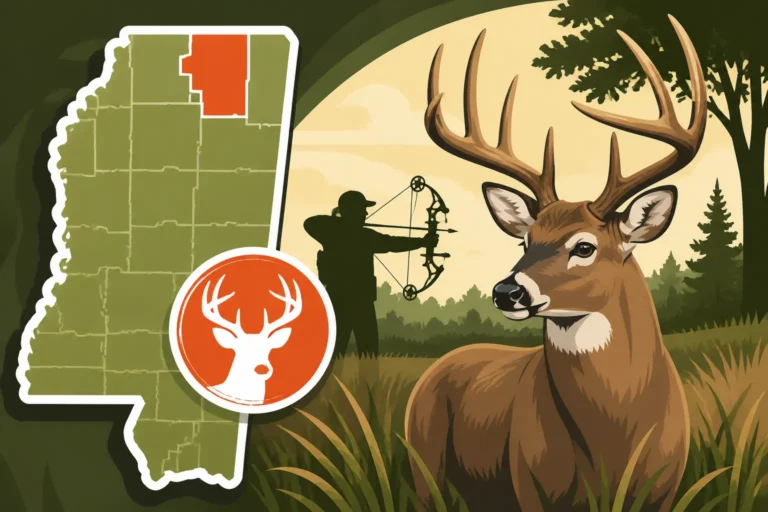
Deer hunting in Delta National Forest is unlike anywhere else in Mississippi. Forget wide-open fields or easily accessible food plots. Here, it's about thick cover, understanding subtle elevation changes (even just a few inches can matter), and adapting to the always-changing water levels. The rewards, however, can be substantial, with the Delta known for producing some truly impressive bucks.
Navigating Delta Unit Antler Restrictions
One of the most crucial aspects of deer hunting in DNF is understanding the specific antler restrictions that apply to the Delta Unit, where the forest is located. Unlike some other units in the state, the Delta Unit has a "12-inch spread rule" for legal bucks. This means a buck must have an outside antler spread of at least 12 inches, or have at least a 15-inch main beam length, to be a legal harvest. This rule is designed to allow younger bucks to reach maturity and contribute to the herd's genetics, leading to older, larger-antlered deer. Hunters need to be diligent in judging deer before taking a shot, and practicing with a rangefinder and binoculars is essential. For more details on these specific rules, check out Delta Unit Antler Restriction Rules.
Scouting and Locating Delta Deer
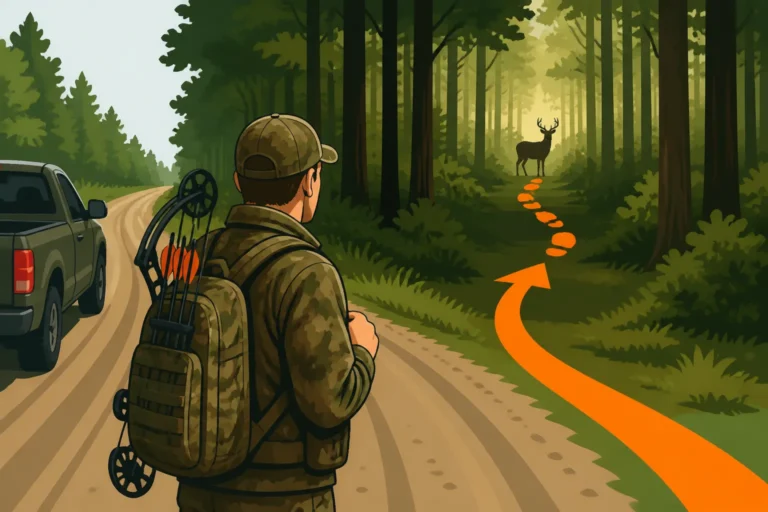
Scouting in DNF often feels like a full-time job. With dense cover and shifting water, what was a hot spot last year might be inaccessible this year. Begin by studying topographical maps and aerial imagery, perhaps using an app like onX Hunt, to identify subtle ridges, slough crossings, and breaks in the canopy that might indicate bedding areas or travel corridors. Look for old logging roads or dry lines that offer higher ground. Water levels will dictate deer movement more than anything else; when the water rises, deer concentrate on the remaining dry ground. Pay close attention to fresh tracks in the mud, rubs on trees, and scrapes, especially along the edges of higher ground or near transitions in cover. Before the season opens, I make it a point to spend time walking key areas, looking for trails where deer cross sloughs or move between different habitat types. Finding Sign in Big Delta Timber is a great read for identifying these subtle clues.
Effective Deer Hunting Tactics in the Bottomlands
Hunting Delta National Forest requires a patient and adaptable approach. Stand placement is critical, often needing to be higher than you might typically set it, especially if you anticipate rising water. Look for funnels created by sloughs or breaks in the forest, or along the edges of clear-cuts where dense regrowth provides cover. Still-hunting, moving slowly and deliberately through the timber, can be very effective here, particularly during periods of low water when deer are more spread out. As the rut approaches, tactics like rattling and grunting can draw in curious bucks, but remember that calling volume needs to be adjusted for the dense cover. Rattling Volume in Thick Cover offers some good advice on this. During gun season, deer drives can be productive, particularly with groups willing to push through the challenging terrain, but always prioritize safety and clear communication. The sheer amount of standing water and thick vegetation makes tracking a deer incredibly difficult, so aim for clean shots and have a plan for recovery, especially if you're hunting near water.
Waterfowl Hunting in Delta National Forest
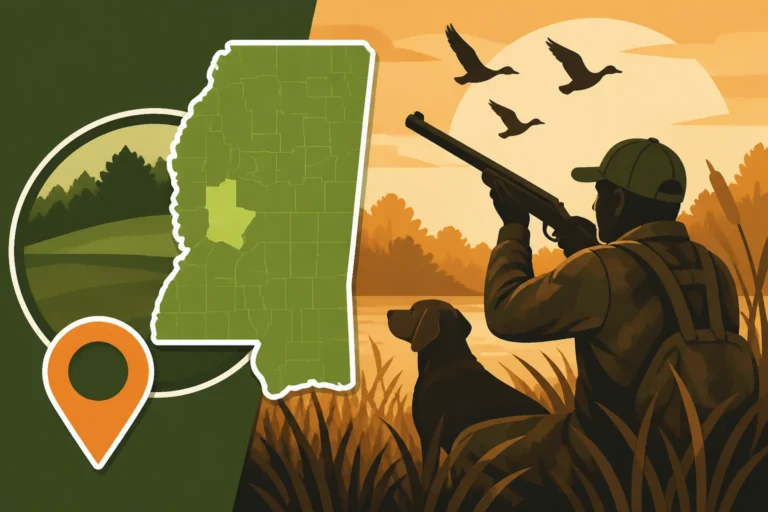
Delta National Forest is a renowned destination for waterfowl hunters, particularly those drawn to the unique challenge and experience of hunting flooded timber. The forest sits squarely in the Mississippi Flyway, attracting a vast array of ducks and geese as they migrate south for the winter. The focus here is often on the managed Greentree Reservoirs, but other opportunities exist.
Hunting the Greentree Reservoirs (GTRs)
The Greentree Reservoirs (GTRs) within Delta National Forest are truly special. These are areas of bottomland timber that are intentionally flooded in the fall and winter to create prime waterfowl habitat. As the water rises, it floods mature mast-producing trees like oaks, creating an irresistible feeding ground for dabbling ducks, especially mallards and wood ducks. Hunting these GTRs often involves wading into the flooded timber, finding a good tree to lean against or setting up a small portable stool, and placing decoys among the trunks. Success hinges on being in the right spot when the ducks come in to feed, often at first light. Access can be challenging, requiring long wades or boat use, but the experience of ducks cupping into the timber is unforgettable. Understanding the specific water level management for each GTR is key, as these levels dictate duck activity. Hunting a Sunflower WMA Greentree Reservoir can give you more insight into this unique style of hunting.
Other Waterfowl Opportunities
While the GTRs are famous, Delta National Forest also offers other excellent waterfowl hunting. Numerous natural sloughs, oxbow lakes, and backwater areas connected to the Yazoo River system hold ducks throughout the season. These spots might not be actively managed for water levels but offer more secluded hunting opportunities away from potential GTR crowds. Jump-shooting these sloughs, especially for wood ducks, can be productive. Additionally, nearby private farm fields, often bordering the forest, attract large numbers of ducks and geese flying out to feed, though hunting these requires landowner permission. Hunters should always be mindful of water levels, which can change quickly, making access and egress challenging. It's crucial to check the Mississippi Waterfowl Zones and Seasons before planning your trip to ensure you're aware of specific dates and regulations for the area.
Setting Up for Success in Flooded Timber
Effective flooded timber hunting demands specific gear and tactics. Waders are non-negotiable, and depending on the water depth, a small boat or kayak might be necessary to transport decoys and gear. Decoy spreads tend to be smaller and more natural-looking than open-water spreads, often focusing on mallards and wood ducks. Place decoys in natural openings or along edges where ducks can easily land. Calling is essential; soft greeting calls and feed chuckles work well to draw birds into the timber. concealment is also vital; use the natural cover of the trees, often leaning against a large oak or cypress. A good headlamp is a must for navigating in the dark before sunrise and after sunset. Remember, it's not just about the ducks; it's about being immersed in this ancient, watery forest.
Year-Round Feral Hog Hunting in Delta National Forest
Feral hogs are a significant problem across much of Mississippi, and the Delta National Forest is no exception. These destructive animals reproduce rapidly and cause immense damage to the forest ecosystem, especially the sensitive bottomland hardwoods. Fortunately, hunters are allowed to pursue feral hogs year-round in DNF, offering a unique and often action-packed hunting opportunity.
The Impact of Feral Hogs on the Delta Ecosystem
Feral hogs are an invasive species, and their presence in Delta National Forest creates a cascade of ecological problems. Their constant rooting disturbs the forest floor, destroying sensitive native plant communities, consuming acorns vital for deer and other wildlife, and even preying on turkey nests and fawn deer. This rooting also destabilizes creek banks and contributes to erosion, impacting water quality. Their population growth is explosive, making effective management crucial. Hunters play a vital role in helping to control these numbers. For a deeper understanding of the problem, look into How Wild Hogs Spread Across Mississippi and Crop Damage Hogs Cause in the Delta.
Effective Hog Hunting Strategies in DNF
Hunting hogs in Delta National Forest can be incredibly rewarding due to their abundance and the year-round open season. Still-hunting through areas with fresh rooting sign is a common and effective method. Focus on areas with soft ground near sloughs or moist bottoms where hogs love to dig for roots and tubers. Water sources are also magnets for hogs, especially during drier periods. During the colder months, they might be found concentrated near acorn crops. The dense cover of DNF means that shots are often close-range, so a powerful, fast-handling rifle or shotgun is a good choice. Night hunting with lights and thermal imaging is permitted on private land but check DNF specific rules, which generally prohibit night hunting. Trapping can also be highly effective, though it requires specific permits and methods within a National Forest, which differ from private land. Trapping Mississippi Feral Hogs offers some great general tips.
Dealing with Harvested Hogs and Regulations
Once you've harvested a feral hog in Delta National Forest, proper handling is important. Hogs can carry diseases, so wear gloves when field dressing. While not legally required to report, some hunters choose to participate in voluntary reporting programs to help biologists track populations. Unlike deer, there are no bag limits or season restrictions on feral hogs in Mississippi's national forests. However, always double-check the specific regulations for Delta National Forest through the MDWFP and U.S. Forest Service websites, as rules can occasionally change or have site-specific nuances. Remember to dispose of carcasses properly if you're not taking the whole animal for processing, ensuring they are well off trails and away from water sources.
Small Game and Predator Hunting Opportunities
Beyond big game and waterfowl, Delta National Forest provides a vibrant landscape for small game hunters and a crucial role for predator control. These opportunities often extend longer into the year or occur during different seasons, offering additional reasons to explore this unique forest.
Squirrel and Rabbit Hunting in the Bottomlands
If you love the thrill of bushytails or cottontails, DNF is a fantastic spot. Squirrel hunting, especially, can be excellent in the mature bottomland hardwoods when the acorn crop is good. Listen for the chatter and rustling of leaves as squirrels forage for nuts. Still-hunting slowly through the timber or sitting quietly near a producing oak can yield good results. Both gray and fox squirrels thrive here. For rabbits, focus on the edges of clear-cuts, briar patches, or thicker undergrowth where they seek cover. Running beagles can be incredibly effective for rabbits, providing an exciting chase through the dense cover. The early season for squirrels, before the leaves drop completely, requires keen eyes, but the later season offers easier visibility once the canopy thins out. For tips on early season squirrel behavior, consider How Early Season Squirrels Give Themselves Away.
Predator Calling in the Delta
Coyotes are prevalent in Delta National Forest, and year-round hunting offers a chance to help manage their populations, which can impact deer fawns and turkey poults. Predator calling can be very effective, especially using distress calls that mimic rabbits or fawns. Setting up on the edge of a more open area, like an old logging road or a powerline right-of-way, can give you a better field of view. The dense timber makes longer shots rare, so focus on bringing coyotes in close. Patience is key, as is understanding wind direction to avoid having your scent carried to an approaching coyote. Remember, ethical hunting practices apply to predators too. For more general tactics, Coyote Calling in Mississippi Farm Country might provide useful context, even though DNF is a different environment.
Trapping Furbearers
For those interested in trapping, Delta National Forest also offers opportunities for various furbearers like raccoons, opossums, and even beaver and muskrat in its watery expanses. Trapping requires a specific license and understanding of state and national forest regulations. It's a skill that takes time to master, but it can be a way to connect with the land and contribute to wildlife management. Always ensure you are familiar with the legal sets and check specific DNF rules, as some areas might have restrictions on trap types or locations.
Permits, Regulations, and Special Considerations for DNF
Hunting in any national forest, especially one as unique as Delta National Forest, comes with its own set of rules and considerations beyond general state hunting laws. Being prepared and informed is critical to a safe, legal, and enjoyable experience.
Required Licenses and Permits
First and foremost, you'll need all standard Mississippi hunting licenses, including a base hunting license, a WMA (Wildlife Management Area) permit, and any relevant state stamps (like the Mississippi Migratory Bird Stamp for ducks). While DNF is a National Forest, it is often managed as a WMA or has specific WMA regulations that apply. Always check the MDWFP website for the most current information. Non-residents will need to purchase a Mississippi Nonresident All-Game License Cost or a shorter-term option like the Mississippi Seven-Day Nonresident License. It's your responsibility to know what permits are required before you step foot in the woods. Ensure you carry proof of your licenses, whether a physical copy or via the MDWFP app on your phone.
Understanding CWD Zones and Reporting
The threat of Chronic Wasting Disease (CWD) is a serious concern for Mississippi deer hunters, and parts of the state, including some counties adjacent to DNF, are within CWD Management Zones. While Delta National Forest itself may not be fully contained within a CWD zone, it's vital to stay informed. If you harvest a deer, particularly one showing signs of illness, it's important to report it. There may also be restrictions on moving deer carcasses out of CWD zones, and mandatory sampling requirements in certain areas. Always check the current Mississippi's Chronic Wasting Disease Zones map and specific guidelines issued by the MDWFP annually. Knowing Finding a Mississippi CWD Sampling Location is crucial if you hunt in an affected area.
Access, Camping, and Other Rules
Access into Delta National Forest can vary, with some areas having well-maintained gravel roads and others requiring a more rugged approach. Always check for seasonal road closures, especially during wet periods. Camping is generally permitted in designated areas or under dispersed camping rules, but verify specific regulations for your chosen area. When it comes to treestands and ground blinds, understand the rules: many public lands require stands to be removed daily or have restrictions on damaging trees. Trail cameras are typically allowed but must be clearly marked. ATVs are restricted to designated trails only. The key is to check the U.S. Forest Service website for Delta National Forest and the MDWFP WMA regulations to ensure you're in compliance.
Essential Gear and Planning for a Delta NF Hunt
Hunting the Delta National Forest isn't a casual affair; it requires thoughtful preparation and the right gear. The environment is demanding, and being unprepared can quickly turn an exciting hunt into a miserable experience.
Mapping and Navigation Tools
Given the dense, often featureless terrain, reliable navigation is paramount. A GPS unit or a smartphone app like onX Hunt or GoHunt with downloaded maps is absolutely essential. These apps allow you to mark stand locations, track your route, identify property boundaries (which is critical on public land), and navigate back to your vehicle, even without cell service. Don't rely solely on cell service; download offline maps before you go. A physical compass and map, and knowing how to use them, should also be part of your kit as a backup. Using the MDWFP App Without Cell Service is a good primer on digital navigation.
Clothing and Footwear for the Swamps
Forget cotton jeans. Waterproof, durable clothing is a must, especially for waterfowl and early-season deer hunts when dew and standing water are common. Quality rubber boots or chest waders are essential for navigating the wet terrain; choose insulated versions for colder hunts. Layering is key, allowing you to adapt to changing temperatures and exertion levels. Pack rain gear, even if the forecast looks clear; weather can change quickly. Blaze orange requirements apply during certain firearm seasons, so be sure to have the correct amount displayed. How Much Blaze Orange Mississippi Requires provides the specifics.
Other Must-Have Items
Beyond the basics, several items will significantly improve your DNF hunting experience. A good headlamp with fresh batteries is crucial for early morning and late evening treks. A waterproof backpack to keep your essentials dry is invaluable. Bring plenty of water and snacks, as you'll likely be far from any amenities. A first-aid kit, a sharp knife, rope, and a means to communicate (like a fully charged satellite messenger if cell service is spotty) are also highly recommended. If you're planning on a deer or hog harvest, consider how you'll get the animal out. A game cart might work on drier roads, but a sturdy drag rope and a strong back are often the only options in the deeper woods.
Respecting the Forest and Ethical Hunting Practices
Hunting in Delta National Forest is a privilege, and it comes with the responsibility to respect the land, the wildlife, and other users. Ethical behavior and a commitment to conservation ensure these opportunities remain available for everyone.
Leave No Trace Principles
It's simple: pack it in, pack it out. This means everything, including spent casings, food wrappers, and anything else you bring into the forest. Don't leave trash or litter. Avoid disturbing natural features or damaging trees unnecessarily when hanging stands. If you harvest an animal, make sure to dispose of any remains properly and out of sight of trails. Following Leave No Trace principles helps preserve the wild character of DNF for all users, including hikers, birdwatchers, and future hunters.
Interacting with Other Forest Users
Delta National Forest is a multi-use area. You'll likely encounter hikers, birdwatchers, photographers, and even other hunters. Always be courteous and respectful. Clearly marked blaze orange during appropriate seasons helps identify you as a hunter to others. If you see someone, acknowledge them with a friendly nod or greeting. Keep noise levels down, especially near popular recreational areas. Ethical hunting involves not just following the law but also being a good ambassador for the hunting community.
Wildlife Conservation and Stewardship
As hunters, we are often the first line of defense for wildlife conservation. Hunting in DNF means being part of the management effort for its diverse species. This includes adhering to bag limits, antler restrictions, and season dates. It also means being vigilant about issues like CWD and reporting any suspicious animal behavior. Consider participating in habitat improvement projects or hunter surveys if the opportunity arises. Our continued access to these public lands depends on our commitment to responsible and ethical stewardship of the forest's resources.
Conclusion
Hunting Delta National Forest is an adventure that offers a truly unique experience unlike anywhere else in Mississippi. From the towering hardwoods and slough-laced bottoms to the incredible biodiversity, it's a place that demands respect, preparation, and adaptability. While it presents its challenges, the rewards—whether it's a Delta buck, a limit of mallards, or a wild hog—are deeply satisfying. With the right knowledge, gear, and a commitment to ethical practices, you can make memories that will last a lifetime in this extraordinary piece of Mississippi wilderness.
Disclaimer
This article is for general informational purposes only and does not constitute professional advice. Laws, prices and regulations vary by location and change over time. Consult a qualified professional for guidance on your specific situation.