Treestand Rules on Mississippi Public Land
Hunting public land in Mississippi offers incredible opportunities, but it's also a place where things can get confusing fast, especially when it comes to the rules around treestands. You spend hours scouting, find that perfect spot, and then you're left wondering, "Can I even put a stand here? What kind? And what happens if I leave it?" It's a real headache trying to decipher all the regulations, and nobody wants to accidentally break a rule and face a fine or lose their gear. This guide is here to clear up that confusion, offering a straightforward look at treestand rules on Mississippi's public lands so you can hunt confidently and legally.
Understanding General Treestand Regulations on Mississippi Public Land
When you’re venturing onto public hunting land in Mississippi, whether it’s a Wildlife Management Area (WMA) or a National Forest, the general sentiment from the Mississippi Department of Wildlife, Fisheries, and Parks (MDWFP) is that temporary, non-damaging stands are usually the way to go. The key phrase here is "non-damaging" – they really want to protect the natural resources for everyone, now and in the future. This means thinking about how your stand impacts the tree and the surrounding environment.
It’s easy to get caught up in the excitement of a new season, but taking a moment to understand these foundational rules can save you a lot of grief. Public land is a shared resource, and the rules are designed to ensure fair access and preserve the habitat. Imagine if everyone left permanent structures or damaged trees; those prime spots would quickly become unusable eyesores. That's why the MDWFP emphasizes minimal impact. Before you even think about hoisting that stand, always check the specific rules for the area you plan to hunt, because they can and do vary. Mississippi Wildlife Management Areas often have slightly different nuances than federal lands, so a quick check can be a season-saver.
The Distinction Between Temporary and Permanent Treestands
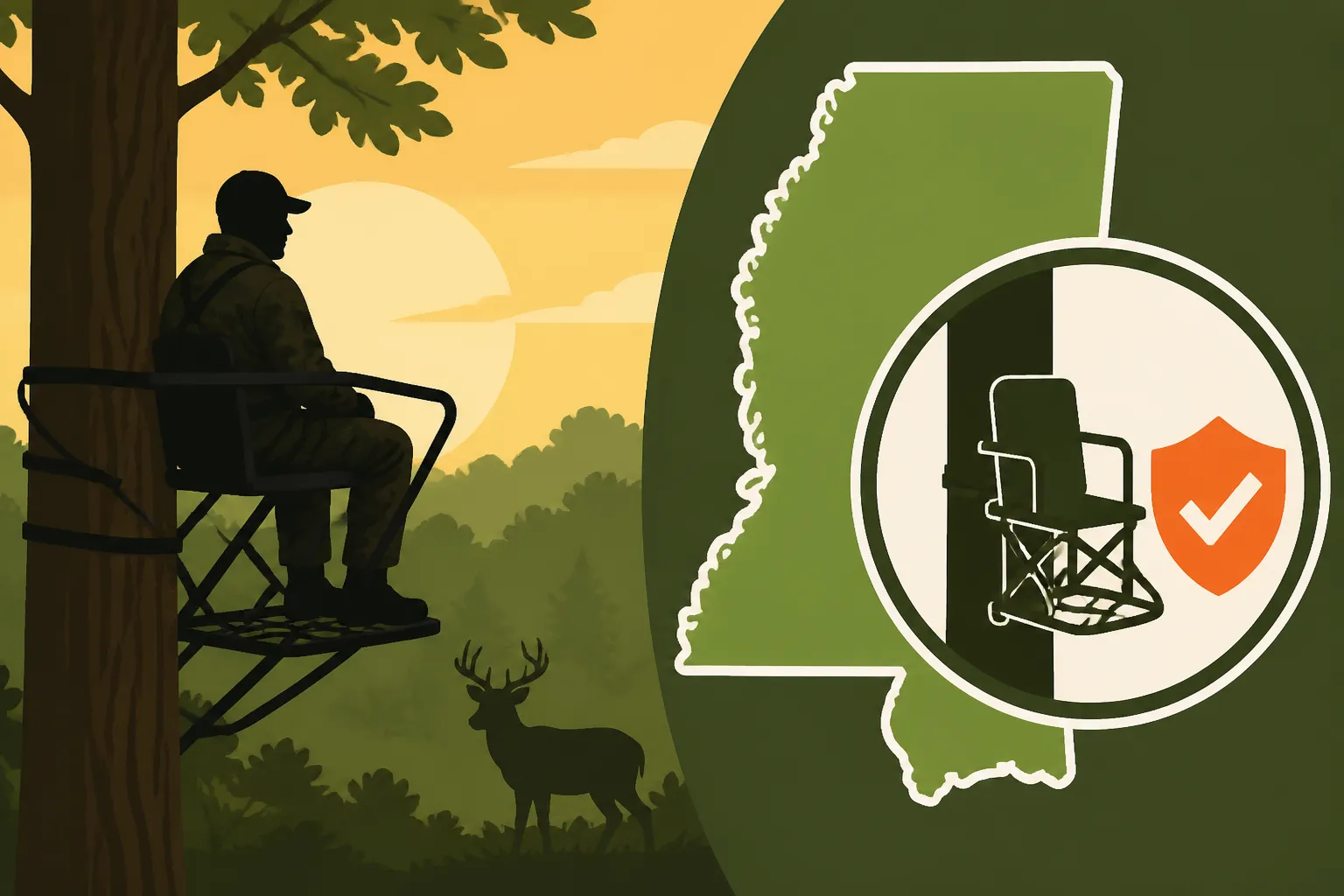
The most critical distinction to grasp is between a temporary and a permanent treestand. A temporary stand is generally one that's easily removable and designed for short-term use, typically for a single hunting trip or a specific part of the season. These are your hang-on stands, climbing stands, and even most ladder stands that you install and remove with minimal effort and without causing lasting damage to the tree. The idea is that when you leave, the tree should be left as you found it, or very close to it.
On the flip side, a permanent stand is anything that requires significant modification to the tree or the land, or something that is intended to stay in place for an extended period, perhaps across multiple seasons. This might include stands built directly into trees with nails or bolts, or even ladder stands that are left out year-round and become fixtures in the landscape. Permanent stands are almost universally prohibited on Mississippi public lands. The reasoning is clear: these stands can damage trees, pose safety hazards if left unchecked, and unfairly "claim" a hunting spot, depriving other hunters of fair access. When you're packing your gear, always lean towards options that are undeniably temporary in nature.
Prohibited Practices and Materials
To safeguard trees and maintain aesthetic appeal, certain practices and materials are strictly off-limits on public land. Driving nails, screws, or any metal objects into trees is a big no-no. This includes not just building permanent structures, but also using screws for climbing sticks or even trail camera mounts if they penetrate deep enough to damage the cambium layer. Similarly, cutting branches, clearing shooting lanes with axes or saws, or otherwise altering the natural vegetation around your stand is generally prohibited unless explicitly stated otherwise for specific management reasons.
Materials that could harm the environment, like non-degradable ropes or straps that girdle trees over time, are also frowned upon. The idea is to leave no trace. If you're using straps to secure your stand or climbing sticks, make sure they are soft, non-abrasive materials that won't dig into the bark and cause long-term damage, even if left for a few weeks. It's about being a good steward of the land.
Specific Regulations for WMAs and National Forests
Mississippi's public lands are managed by different entities, and while there's a common thread of temporary, non-damaging stands, the specifics can vary. Understanding these nuances is crucial for staying within the law and respecting the land and other hunters.
Wildlife Management Areas (WMAs)
Mississippi’s Wildlife Management Areas are state-managed lands, and they often have the most detailed and stringent treestand regulations. For most WMAs, stands must be portable and temporary. This means they must be capable of being removed daily or, at the very least, at the end of your hunt. They typically can't be left overnight, and certainly not for an entire season. Some WMAs might allow stands to be left for a very limited period, usually no more than a day or two, but this is rare and needs to be confirmed for the specific WMA you're hunting.
Crucially, WMAs generally prohibit any stand that penetrates the bark of a tree. This means no screw-in steps, no climbing sticks that use screw-in attachments, and absolutely no permanent blinds or platforms. You'll often find rules about tagging your stand with your MDWFP customer ID number if it's permitted to be left for any period, which helps wildlife officers track ownership. Failure to comply can result in confiscation of your stand, fines, or even being banned from hunting the WMA. Before you ever hit the woods, make sure you download the specific regulations for that WMA, which are usually available on the MDWFP website. Using the MDWFP Map Tool can help you pinpoint the exact area and its rules.
National Forests (Delta, Homochitto, Bienville)
Federal lands, like the Delta National Forest Hunting, Homochitto National Forest Hunting, and Bienville National Forest Hunting, tend to have slightly more lenient rules regarding leaving stands, but they still strictly adhere to the "temporary and non-damaging" principle. On National Forests, portable treestands and climbing aids are generally allowed as long as they do not damage the trees and are removed at the end of the hunting season. The key here is "end of the hunting season," which usually means before the general season for deer closes, or sometimes by a specific date in February or March, depending on the forest.
You still cannot use nails, screws, or any device that pierces the bark. Chains, wire, or ropes that can girdle a tree are also forbidden. Straps are generally acceptable as long as they don't damage the tree. Leaving a stand beyond the designated removal date can result in it being considered abandoned property, which means it can be confiscated by forest service personnel. While you might not need to tag your stand with your ID on National Forests as often as on WMAs, it’s still smart to mark it with your contact information. Remember, these lands are vast, and while finding that perfect spot is great, securing your stand properly and following removal dates is paramount. Treestand Setups in Delta National Forest might offer some good ideas for finding suitable trees without damaging them.
Other Public Lands and Refuges
Beyond WMAs and National Forests, Mississippi has other public hunting opportunities, such as National Wildlife Refuges (NWRs) and sometimes state parks or other publicly owned tracts. These areas will have their own specific rules, which can be even more restrictive. For example, some NWRs might only allow daily removal of stands, similar to strict WMA rules, or might even prohibit them entirely in certain zones.
It’s absolutely critical to consult the specific rules for each unique public land parcel you intend to hunt. Don't assume that what's allowed in a National Forest is okay in an NWR, or vice versa. Always check the official website for that specific property, or call the local managing office. Using mapping apps like onX Hunt or GoHunt can show you property boundaries and often link to regulations, making it easier to verify before you head out. This due diligence ensures you're hunting ethically and legally, no matter where you are.
Practical Considerations and Best Practices
Navigating treestand rules on public land isn't just about avoiding fines; it's about being a responsible hunter and contributing to the conservation of our shared resources. Beyond the explicit rules, there are some practical considerations and best practices that can make your public land hunting experience smoother and more ethical.
Marking Your Stand and Identification
While not always explicitly required on all public lands, marking your treestand with your name, phone number, or MDWFP customer ID is a smart move. On WMAs, it's often a requirement if the stand is allowed to be left overnight. This serves a few purposes:
- Ownership: If your stand is found after legal hours or after the season, wildlife officers can identify the owner.
- Deterrence: A clearly marked stand might deter theft, though unfortunately, it's not a foolproof solution.
- Courtesy: It shows other hunters that the spot is actively being used (within legal parameters), even if you're not there.
Use durable, waterproof tags or even engrave information on your stand. Zip ties can work for attaching tags, but ensure they are easy to cut if you need to remove the stand quickly. Always check the specific area's rules to see what, if any, identification is required.
Seasonal Removal Deadlines
This is where many hunters unknowingly run into trouble. Most public lands have strict deadlines for when all temporary hunting structures, including treestands, must be removed. On National Forests, this is usually tied to the end of the general deer season or a specific date in late winter/early spring. WMAs often require daily removal or removal by the close of the specific hunt period.
Failing to remove your stand by the deadline means it becomes abandoned property. Not only could you lose your valuable equipment, but you might also face citations or penalties. Set reminders on your phone or mark your calendar. It's your responsibility to know these dates and adhere to them. Don't assume a few extra days won't hurt; wildlife officers are often out in full force after seasons close, specifically looking for abandoned gear. Scouting Mississippi Public Land Before Season isn't just about finding deer sign; it's also about noting access points and making a plan for stand deployment and retrieval.
Safety and Ethical Stand Use
Beyond the legalities, there's the ethical side of using treestands on public land. Always prioritize safety. Inspect your stand and straps before each use. Never leave a stand that is damaged or could become a hazard to other users of the forest. Consider the impact on future hunters; a well-used, safely maintained area is better for everyone.
Think about how visible your stand is. While concealment is often desired for hunting, leaving a stand up year-round can create an unfair advantage or even become a safety concern if it deteriorates. Using platforms like onX Hunt or GoHunt can help you visualize the terrain and find discreet stand locations that don't intrude on others' experiences. Remember, the "public" in public land means it's for everyone, and responsible behavior ensures those opportunities continue.
Here's a quick summary table of common treestand rule differences:
| Feature | Mississippi WMAs | National Forests (Delta, Homochitto, Bienville) |
|---|---|---|
| Stand Type | Portable, temporary | Portable, temporary |
| Tree Damage | Absolutely no penetration (no screws, nails) | Absolutely no penetration (no screws, nails) |
| Removal Requirement | Daily removal or specific hunt period; check WMA rules | By end of season or specific date (e.g., Feb/Mar) |
| Identification | Often required (MDWFP ID) | Recommended (name, phone, ID) |
| Permanent Stands | Strictly prohibited | Strictly prohibited |
| Vegetation Alteration | Generally prohibited (no cutting lanes) | Generally prohibited (no cutting lanes) |
It really boils down to minimizing your footprint. When you leave, the only sign you were there should be your tracks (and hopefully a successful harvest!). Respecting these rules helps maintain access for all of us and preserves the natural beauty of Mississippi's hunting grounds. And if you're ever in doubt, a quick check with the local MDWFP office or Forest Service unit is always the best course of action. It's better to ask than to guess and regret it later.
Disclaimer
This article is for general informational purposes only and does not constitute professional advice. Laws, prices and regulations vary by location and change over time. Consult a qualified professional for guidance on your specific situation.