Bowhunting Mississippi’s Long Archery Season
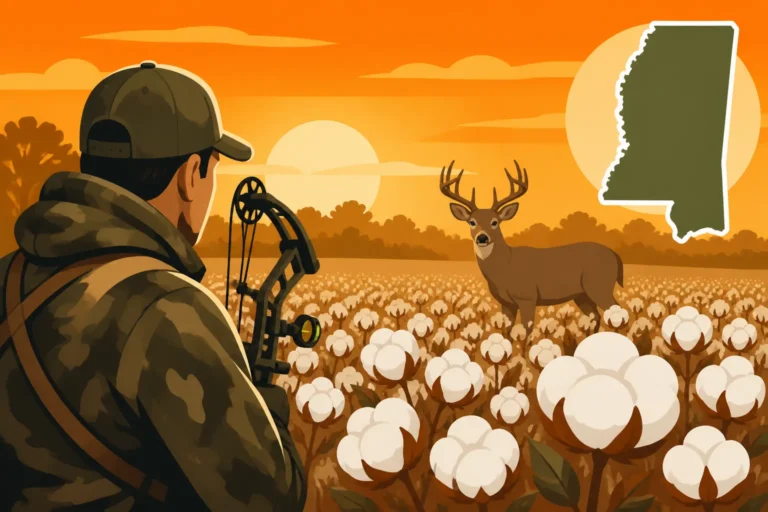
For so many of us, the heartbreak of a short archery season, perhaps just a few weeks or a month, is a familiar sting. You spend all year preparing, only for it to be over before you truly hit your stride. But down here in Mississippi, we do things a little differently. Our archery season is an incredibly long and generous window, offering ample opportunities to chase whitetails with a bow across diverse landscapes. This guide is your deep dive into making the absolute most of Mississippi's expansive bowhunting potential, no matter your experience level.
Understanding Mississippi's Generous Archery Calendar
When you're looking at bowhunting in Mississippi, the first thing that jumps out is just how long our archery season is. It’s a breath of fresh air for folks coming from states where bow season feels like a blink. The Mississippi Department of Wildlife, Fisheries, and Parks (MDWFP) really gives bowhunters a fantastic stretch of time, often starting in October and running all the way through January, sometimes even into February depending on the specific deer management unit. This isn't just a few extra days; it's months of opportunity, allowing you to adapt to changing deer patterns, weather conditions, and even giving you multiple chances to hunt different phases of the rut.
This extended season is a testament to sound deer management and the abundant whitetail population we're blessed with here. It also recognizes the dedication and skill required for bowhunting, offering a challenging yet rewarding pursuit over a longer period. For many of us, it means we can truly immerse ourselves in the hunt, learning the land, tracking deer movement, and refining our strategies without feeling constantly rushed. It fosters a deeper connection to the land and the animals we pursue, which is what bowhunting is all about for a lot of us.
Statewide Opening and Unit-Specific Variations
While there’s a general statewide opening for archery season, it’s absolutely crucial to remember that Mississippi is divided into several deer management units, and each one can have slightly different season dates and regulations. What's legal and open in the Delta Unit might not be the same as in the Southeast Unit, for example. These variations are put in place by the MDWFP to account for regional differences in deer populations, habitat, and even the timing of the rut. So, don't just assume; always double-check the specific unit you plan to hunt in.
Typically, the season kicks off in early October in most units. However, units like the Southeast Unit often have an even longer archery window. This allows hunters in different parts of the state to experience the early season, the peak of the rut, and the late season, all with a bow in hand. For instance, the traditional opening might be October 1st in many areas, but the Southeast Unit will often see an extended final week into February. Understanding these specific dates is the absolute first step to planning a successful and legal hunt. You can get a much clearer picture of these nuances by diving into How Mississippi's Archery Season Varies by Unit.
Why Mississippi's Archery Season is So Long
You might wonder why Mississippi's archery season stretches out so much longer than in many other places. It boils down to a few key factors that make our state a bowhunting paradise. Firstly, Mississippi boasts a robust and healthy whitetail deer population across most of the state. With good numbers, wildlife managers can afford to offer longer seasons without impacting the long-term health of the herd. Secondly, the MDWFP employs a strategic approach to deer management, using different unit regulations to balance harvest goals with population stability. This allows them to tailor seasons to local conditions, ensuring sustainable hunting pressure.
Another significant factor is the cultural appreciation for hunting here. Bowhunting has a strong tradition, and the MDWFP recognizes the value of providing ample opportunity for this challenging pursuit. It's not just about managing deer; it's about providing quality outdoor recreation for its citizens and visitors. The diverse habitats, from the Delta's bottomland hardwoods to the piney woods of the south and the rolling hills, also play a role. Deer respond differently in these varied landscapes, and a longer season allows hunters to adapt their methods as deer move from agricultural fields to deep timber. This extensive window often overlaps with other seasons, giving hunters a chance to even combine trips. To grasp the bigger picture, it's worth understanding the Mississippi Deer Season Structure Explained.
Key Archery Units and Their Nuances
Mississippi's diverse landscape is broken down into four primary deer management units: Delta, Hills, Southeast, and North Central. Each unit presents unique challenges and opportunities for bowhunters, from the dense bottomlands to the rolling pine forests. Understanding these differences isn't just about following regulations; it's about knowing where to focus your scouting efforts and what tactics will be most effective. A bowhunter in the Delta will approach things very differently from someone hunting the Piney Woods.
This regional distinction is critical for serious bowhunters. It means that while the general principles of archery hunting remain the same, the application of those principles needs to be highly localized. You'll find different deer densities, varying habitat types, and even different rut timings in each unit. Being adaptable and knowledgeable about your chosen unit will significantly increase your odds of success. Many a frustrated hunter has gone home empty-handed simply because they tried to apply "Hills Unit" tactics to a "Delta Unit" buck.
Delta Unit Dynamics for Bowhunters
The Delta Unit, encompassing the rich, alluvial floodplains of the Mississippi River, is legendary for growing big-bodied bucks with impressive antlers. Bowhunting here is often about navigating dense cover, sloughs, and agricultural fields. The deer are typically larger, and the terrain is relatively flat, but don't let that fool you—the thick cover can make it incredibly challenging to get a clean shot. Early season in the Delta often revolves around field edges, food plots, and natural browse lines where deer are feeding heavily before the rut.
As the season progresses into the pre-rut and rut phases, focus shifts to pinch points, travel corridors between bedding and feeding areas, and areas along sloughs or ditches that funnel deer movement. The Delta Unit also has specific antler restrictions, typically requiring bucks to have an outside spread of at least 12 inches or a main beam length of 15 inches. This means you need to be extra vigilant about judging deer before you draw your bow. Delta Unit Antler Restriction Rules provides a complete breakdown of these specific requirements, which are paramount to understand. For an even deeper look, exploring Hunting the Rut in the Delta Unit can offer valuable insights into prime buck movement.
Hills and Southeast Unit Considerations
The Hills Unit, covering the central and northern parts of the state, features more rolling terrain, mixed hardwood and pine forests, and a different hunting dynamic. Here, bowhunters often find themselves navigating ridges, creek bottoms, and timber company lands. Deer populations are generally healthy, and while not as famously large-antlered as the Delta, the Hills Unit can still produce excellent bucks. Early season tactics might involve hunting mast crops like acorns, natural clearings, or along ridge lines where deer travel.
The Southeast Unit, characterized by extensive pine plantations and mixed forests, presents its own unique set of challenges. This unit often boasts one of the longest archery seasons, giving bowhunters an extended window. Deer here adapt to timber management practices, often keying into younger clear-cuts, transitions between different age classes of timber, and creek bottoms that provide food and cover. Antler restrictions in both the Hills and Southeast Units are typically an outside spread of 10 inches or a main beam length of 13 inches, still requiring careful judgment. Understanding Hills and Southeast Unit Antler Restriction Rules is crucial to ensure you're targeting legal bucks in these areas.
North Central Unit Specifics
The North Central Unit, sharing characteristics with the Hills Unit but with its own distinct management strategies, also offers fantastic bowhunting opportunities. This area features rolling hills, agricultural lands, and significant timber blocks. Here, scouting for natural funnels, identifying key food sources as they become available, and understanding bedding areas in relation to prevailing winds are paramount. Deer densities can be quite high in certain pockets, making it an exciting place to bowhunt.
Similar to the Hills and Southeast, the North Central Unit usually adheres to the 10-inch spread or 13-inch main beam antler restriction. Early season might see deer utilizing agricultural fields at dawn and dusk, while later in the season, they will be more dependent on acorns and other natural browse. During the peak of the rut, bucks will be actively cruising ridge lines and checking scrapes and rubs, providing excellent opportunities for patient bowhunters. Always refer to the latest MDWFP regulations for the North Central Unit to ensure compliance, as they are subject to change annually. For a comprehensive overview of all units, refer to Mississippi's Four Deer Management Units.
Essential Gear for Mississippi Bowhunting
Having the right gear is non-negotiable for a successful and enjoyable bowhunt in Mississippi. The long season means you’ll encounter a wide range of weather conditions, from warm, humid early fall days to crisp, freezing late-winter mornings. Your equipment needs to be reliable, adaptable, and suited to the specific challenges of the Mississippi woods. From your bow setup to your broadheads and camouflage, every piece plays a vital role.
It's not just about having a bow; it's about having the right bow and knowing it inside and out. The same goes for arrows, broadheads, and all the little accessories that can make or break a hunt. Don't skimp on quality, and always test your gear thoroughly before heading into the woods. A poorly tuned bow or dull broadhead can lead to a lost deer and a lot of heartache. This attention to detail is what separates consistent bowhunters from those who just get lucky once in a while.
Bow Setup and Accessories
Your bow is, of course, the heart of your bowhunting setup. Whether you prefer a compound bow, traditional recurve, or even a crossbow during legal windows, make sure it’s properly tuned and sighted in. For compound bows, a comfortable draw weight that you can consistently hold and shoot accurately is far more important than raw speed. A reliable sight, a quiet drop-away rest, and a quality stabilizer will all contribute to better accuracy and a smoother shooting experience. Don't forget a durable quiver that keeps your arrows secure and accessible.
When it comes to accessories, a good rangefinder is indispensable for precise shot placement, especially in varying terrain or dense cover. A quality pair of binoculars will help you identify deer and judge antler size from a distance, reducing unnecessary movement. Headlamps, scent control products, and a comfortable safety harness for tree stand hunting are also absolute must-haves. Remember, many parts of the Mississippi season allow for crossbows, so understanding Crossbow Rules During Mississippi Archery Season is key if that's your preferred method.
Broadhead Selection and Arrow Specifics
Choosing the right broadhead is one of the most critical decisions a bowhunter makes. You need a broadhead that is sharp, durable, and flies true from your specific bow setup. For deer, mechanical broadheads are popular for their large cutting diameter and field-point-like flight, but fixed-blade broadheads offer superior penetration, especially if you anticipate hitting bone or quartering-away shots. Many seasoned Mississippi bowhunters opt for robust fixed blades, or hybrids that offer a balance of both.
Regardless of your choice, ensure your broadheads are razor-sharp. Replace or resharpen them regularly. As for arrows, carbon arrows are the standard for most bowhunters due to their durability, consistency, and light weight. Match your arrow spine to your bow's draw weight and length for optimal flight. Fletching, whether vanes or feathers, should be properly aligned to provide good stabilization. Always carry a few extra arrows in your quiver, especially when hunting in thick cover where lost or damaged arrows are a common occurrence.
Camouflage, Footwear, and Scent Control
Mississippi weather can be unpredictable during the long archery season. Early October hunts might see temperatures in the 80s with high humidity, while a late January sit could be below freezing. Layering is key, with moisture-wicking base layers, insulating mid-layers, and a waterproof/windproof outer shell. Choose camouflage patterns that match the local foliage – anything from various greens and browns in the early season to grayer, more muted tones as the leaves fall. Realtree and Mossy Oak patterns, both with strong ties to the South, are popular and effective choices here.
Footwear needs to be comfortable for long walks and sturdy enough for potentially wet, muddy conditions. Waterproof boots are a wise investment. Perhaps even more critical than camo, especially for bowhunting, is scent control. Deer have an incredible sense of smell. Shower with scent-free soap, wash your hunting clothes in scent-free detergent, and store them in airtight containers. Use scent-eliminating sprays before heading into the woods, and pay attention to wind direction religiously. Many hunters use products from brands like Scent-Lok or Ozonics to try and beat a deer's nose, but ultimately, playing the wind is your best defense.
Strategic Scouting and Stand Placement
You can have the best gear in the world, but without proper scouting and intelligent stand placement, your chances of success plummet. Mississippi's varied terrain and long season mean deer patterns change, so what worked in October might not cut it in December. Bowhunting is all about minimizing mistakes and maximizing your time in a high-percentage location. This starts long before the season even opens.
Scouting is an ongoing process, not just a one-time event. Deer are creatures of habit but also opportunistic, adapting to food sources, pressure, and weather shifts. The more you know about the specific area you're hunting, the more confident you'll be in your stand choices. Don't underestimate the power of observation and careful planning. This is where modern tools can really give you an edge, helping you visualize and plan your attack from afar.
Pre-Season Reconnaissance
Long before opening day, get out into the woods and walk the property you intend to hunt. Look for primary food sources like acorn flats, persimmon trees, or agricultural fields. Identify major trails, bedding areas (often thick cover on ridges or in sloughs), and water sources. Crucially, look for pinch points, funnels, and creek crossings – natural terrain features that concentrate deer movement. These are prime spots for a bow setup. Use aerial maps and GPS to mark these locations, helping you visualize travel patterns.
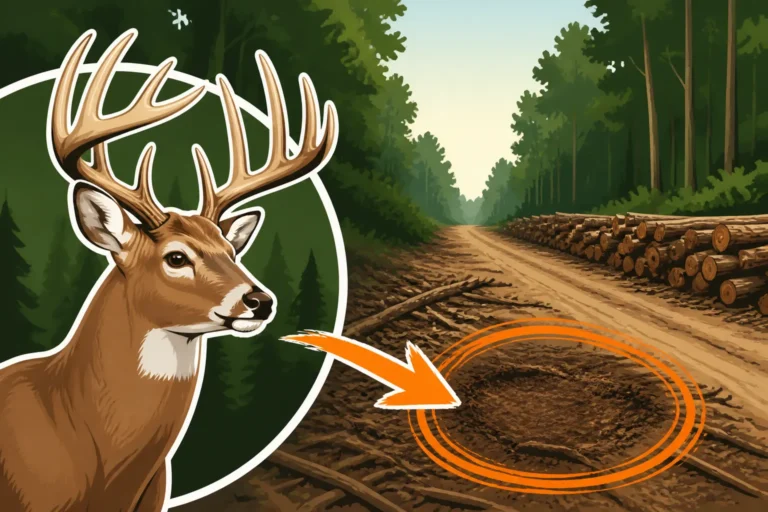
Modern mapping apps like GoHunt can be an absolute game-changer for pre-season scouting. You can identify potential hot spots, mark access routes, and pinpoint strategic locations for stands, all from your phone. This technology allows you to understand elevation changes, property lines, and different habitat types without even stepping foot on the ground initially. When you do go in, GoHunt can help you stay quiet and efficient. Look for old rubs, scrapes, and bedding sign from the previous season to get a sense of where deer have been active. This pre-season intel is invaluable when trying to decide Where to Hang a Camera on a Logging Road or other key travel routes.
Optimal Stand Placement for Bowhunting
Once you've identified promising areas, the next step is precise stand placement. For bowhunting, getting close to deer is paramount, so wind direction, cover, and shot angles are critical. Always hunt with the wind in your favor, especially with Mississippi's often swirling thermal drafts in early morning and late evening. Position your stand to provide good shooting lanes towards likely travel routes or feeding areas, but also consider cover that breaks up your silhouette.
For early season, consider field edges, food plots, or areas with abundant soft mast. As the season progresses into the rut, focus on funnels between bedding and feeding areas, creek bottoms, and ridge saddles where bucks will cruise. Late season calls for targeting remaining food sources, such as green fields or standing crops. Always use a safety harness, and ensure your stand is secure. A common mistake is hanging a stand too low or too exposed. Aim for a height that gives you good visibility and allows you to shoot over smaller obstacles, usually 15-25 feet depending on the timber. Don't forget that scouting extends to entry and exit routes—plan them to minimize disturbance. You can find excellent advice on Hanging a Stand on a Delta Bottomland Funnel or Reading a Ridge for Hills Unit Deer to refine your placement strategy.
Utilizing Trail Cameras and Digital Tools
Trail cameras are a bowhunter's best friend. Deploy them during your pre-season scouting to gather intelligence on deer movement patterns, identify specific bucks, and determine preferred travel times. Place cameras on major trails, at the edges of food plots, or overlooking scrapes and rubs. Check them sparingly to avoid pressuring the deer, and always approach and leave with careful consideration of the wind. The data gathered from trail cameras can confirm your suspicions about a certain area or reveal a pattern you might have missed.
Beyond trail cameras, digital tools like the GoHunt app or the MDWFP's own mapping resources are incredibly powerful. They offer detailed topographical maps, property boundaries, and aerial imagery that can help you visualize deer movement in relation to terrain features. You can mark waypoints for stand locations, bedding areas, and food sources, making it easier to navigate quietly in the dark. These tools are also essential for understanding Scouting Mississippi Public Land Before Season, helping you pinpoint potential honey holes that might be overlooked by other hunters. They are an investment that pays dividends in time saved and increased success rates.
Effective Bowhunting Tactics Throughout the Season
Mississippi's long archery season means you'll encounter deer behavior that changes dramatically from October to February. What works on an early-season feeding buck won't likely be effective on a rut-crazed cruiser in November or a late-season survivor scraping by in January. Adapting your tactics to the specific phase of the season is paramount to consistent bowhunting success.
This dynamic nature is what makes bowhunting in Mississippi so engaging. It challenges you to be a perpetual student of the whitetail, constantly observing, learning, and adjusting. There's no single "magic bullet" tactic that works all season long. Instead, it's a fluid process of understanding deer needs and desires as they evolve with the calendar and the weather.
Early Season Strategies
When archery season opens in early October, Mississippi can still be quite warm and humid. Deer are primarily focused on food, often hitting agricultural fields (like soybeans or corn), green fields, or natural mast crops like early acorns and persimmons. Water sources can also be key. Bucks are often still in bachelor groups or have only recently broken up, and they're not yet thinking about breeding.
Focus your early season efforts on known feeding areas and the trails leading directly to them. Mornings can be slow, with deer often bedding down early to escape the heat and insects. Evening hunts are usually more productive as deer emerge to feed. Pay meticulous attention to scent control and wind direction, as deer are less pressured and more likely to stick to predictable patterns if they don't detect a threat. Setting up on a travel corridor between a bedding area and a preferred food source, or directly on a well-used field edge, can be highly effective. Consider using a ground blind if you want to avoid silhouetting yourself in a tree against an early morning sky.
Rut-Focused Tactics
The rut is often considered the most exciting time to bowhunt, and Mississippi's diverse units mean the peak can vary. Generally, the rut starts to pick up in late October, intensifying through November and often lingering into December in some areas. During this frantic period, bucks throw caution to the wind as they search for does, making them more visible and vulnerable during daylight hours. This is when your Rattling Volume in Thick Cover or Grunt Calls in Mature Mississippi Timber strategies really come into play.
Scrapes and rubs become incredibly active. Focus on travel corridors, pinch points, and areas where does tend to congregate. Ridge tops, creek bottoms, and transition zones between different habitat types can be excellent choices. Bucks will be cruising these areas, checking for estrous does. Consider using rattling antlers or grunt calls to draw in curious bucks. Stand placement should allow for shots at moving deer, as they often don't stand still for long. Hunting all day can be a viable strategy during the peak of the rut, as activity can occur at any time. For precise timing, refer to Hunting the Rut in the Hills Unit and Hunting the Rut in the Delta Unit to pinpoint peak activity in your specific hunting grounds.
Late Season Approaches
As December rolls into January and potentially February, deer behavior shifts again. The rut is largely over, and deer are focused on recovering from the breeding season and finding reliable food sources to survive the colder months. Many natural food sources are depleted, and deer will gravitate towards persistent green browse, standing crops, or supplemental food plots. This is often when Late-Season Food Sources for Mississippi Whitetails become critical.
Late season can be challenging due to increased hunting pressure and colder weather, but it can also be highly rewarding for patient bowhunters. Focus on the most appealing food sources, particularly those in or near dense thermal cover where deer can conserve energy. Hunt during the warmest parts of the day or immediately after a cold front, when deer will need to feed more actively. Deer will be wary, so extreme scent control, quiet entry and exit, and a willingness to sit longer are crucial. Don't be afraid to try new spots if your usual ones aren't producing; deer patterns can become highly localized based on available food and cover.
Navigating Public Land Challenges and Opportunities
Mississippi boasts a significant amount of public hunting land, from national forests to state wildlife management areas (WMAs), providing fantastic opportunities for bowhunters. However, hunting public land comes with its own set of challenges, primarily increased pressure from other hunters. Knowing how to navigate these challenges and identify less-pressured areas is key to success.
Don't let the idea of public land pressure deter you. With a little extra effort and smart strategy, public lands can be incredibly rewarding. They offer diverse habitats, healthy deer populations, and the chance to explore vast tracts of wild Mississippi. It's about being prepared, being smart, and being willing to go where others might not.
Finding Less-Pressured Areas
On public lands like the Delta National Forest or various WMAs, finding areas that receive less hunting pressure is often about working harder than the next hunter. This typically means walking further, getting off the beaten path, and exploring areas that are difficult to access. Look at aerial maps for remote corners, narrow strips of timber between private lands, or areas separated by natural barriers like creeks or swamps. These overlooked spots often hold mature deer that have learned to avoid easy-to-reach areas.
Consider hunting during weekdays if your schedule allows, as public land pressure is generally highest on weekends, especially during the first few weeks of the season. Late season can also see a drop in pressure once gun season is over, giving bowhunters a quieter experience. Using the MDWFP's online mapping tools or apps like GoHunt can help you identify these hidden gems. You might find a small block of timber deep in a WMA that looks uninviting on the surface but is a deer magnet if you're willing to make the trek. For further reading, check out Public Hunting Land in Mississippi to learn more about the numerous opportunities.
Utilizing National Forests and WMAs
Mississippi's National Forests, such as Delta National Forest, Homochitto National Forest, and Bienville National Forest, offer vast expanses of public land for bowhunting. Each has unique characteristics. The Delta National Forest, for example, is the only bottomland hardwood national forest in the US, offering a distinct challenge with its flat, often wet terrain and dense cover. Homochitto and Bienville offer more rolling hills and pine-dominated landscapes. These areas require thorough scouting to locate deer sign and travel corridors.
Wildlife Management Areas (WMAs) are managed intensively by the MDWFP to provide optimal hunting opportunities. They often have specific rules and regulations that differ from national forests, so always check the WMA's specific guidelines before hunting. Some WMAs might have special quota hunts, archery-only zones, or different antler restrictions. WMAs like Mahannah WMA in the Delta or Copiah County WMA in the Hills are known for their quality deer hunting. Scouting the edges where WMAs meet private land can also be productive, as deer often travel between the two. Remember, many WMAs require a WMA permit in addition to your regular hunting license.
Entry and Exit Strategies on Public Land
On public land, your entry and exit routes are just as important as your stand placement. You want to move quietly and undetected, minimizing your impact on the area. Plan your approach to avoid bumping deer, especially during pre-dawn walks or post-dusk exits. Consider using natural cover, creek beds, or logging roads (if permitted) that provide quiet access. Always walk with the wind on your way in and out to prevent leaving excessive scent.
If you're hunting near a road or parking area, walk a considerable distance before setting up. Deer quickly learn to associate vehicles and human scent with danger. Hunting a few hundred yards deeper than most hunters are willing to go can make all the difference. Using a navigation app like GoHunt to mark your entry and exit paths ensures you don't get lost in the dark and helps you move efficiently. Being disciplined about your routes, even when tired, will help maintain the quality of your hunting spot throughout the season.
Hunting Success: From Shot to Table
The moment of truth for a bowhunter is often fleeting. All the scouting, practice, and preparation culminate in a single, critical shot. But the hunt doesn't end there. Knowing what to do immediately after the shot, how to track a deer, and properly recover and process your harvest is just as vital as making a good shot. Ethical hunting means doing everything in your power to recover any animal you shoot.
This final phase of the hunt is where responsible hunting truly shines. It’s about respect for the animal and ensuring that your efforts lead to a clean, swift harvest. Many a hunter has felt the crushing disappointment of a lost animal, a feeling we all want to avoid. Being prepared for every scenario, even a less-than-perfect shot, is part of being a seasoned bowhunter.
Shot Placement and Aftermath
For bowhunting, ethical and effective shot placement is paramount. The ideal shot is a double-lung pass-through, targeting the vital organs behind the shoulder. This usually results in a quick, humane harvest and a good blood trail. Avoid shoulder shots, as the heavy bone can prevent penetration and lead to a wounded animal. Quartering-away shots can be effective if you know your anatomy and can aim for the opposite shoulder, ensuring both lungs are hit.
Immediately after the shot, observe the deer's reaction. Did it mule kick? Did it run off slowly or bolt? Did you hear a crash? These observations provide clues for tracking. Then, be patient. Unless you see the deer fall within sight, give it time. For a suspected good hit (double lung), wait at least 30-60 minutes. For a questionable hit (gut shot, liver shot), wait 4-6 hours, or even longer (overnight) if conditions allow. Resist the urge to immediately pursue, as pushing a wounded deer can make recovery much harder. Stay quiet, listen for signs, and mentally replay the shot.
Effective Tracking and Recovery
Once you've given the deer enough time, begin your tracking. Start at the impact site, looking for your arrow, blood, hair, and any other sign. Your arrow can tell you a lot about the hit: bright red, frothy blood indicates a lung hit; darker, more watery blood with specks of stomach matter suggests a gut shot. Mark your last known blood trail spot with flagging tape or toilet paper every few yards, as it’s easy to lose the trail, especially in thick Mississippi cover.
Follow the blood trail slowly and methodically, looking for signs on both sides of the trail. If the blood trail becomes sparse, expand your search pattern in ever-widening circles from the last spot. Look for disturbed leaves, broken twigs, or deer tracks. If it gets dark, consider returning the next morning, especially with a questionable hit, to allow the deer to expire and stiffen up. In Mississippi's often warm weather, however, you have to balance waiting with meat spoilage. Having a tracking partner can be invaluable, offering a fresh set of eyes. If you’re hunting near water, be prepared for Recovering a Deer From a Delta Slough, which can be a whole different challenge.
Field Dressing and Meat Care
Once you've recovered your deer, the clock starts ticking, especially in warmer Mississippi temperatures. Field dressing quickly is essential to cool the carcass and prevent spoilage. Remove all internal organs, taking care to avoid rupturing the stomach or intestines. You'll want to get the deer opened up and cooled as fast as possible. If you're on public land and have a long drag, consider quartering the animal to make it lighter.
Once field dressed, get the deer to a cooler or processing facility as quickly as possible. If temperatures are above 40°F, ice should be placed inside the body cavity. If you plan to process it yourself, Butchering a Deer at Camp can be a rewarding experience, but cleanliness and proper technique are vital. Hanging the deer in a cool, dry place for a few days to "age" can improve meat tenderness, but this is only feasible if temperatures are consistently below 40°F. For a full breakdown of the process, make sure to review Field Dressing a Deer in Warm Weather.
Staying Legal and Ethical
Hunting in Mississippi is a privilege, and with that comes the responsibility of understanding and adhering to all state laws and regulations. The MDWFP works hard to manage our wildlife populations sustainably, and our role as hunters is to respect those efforts. Ignorance of the law is never an excuse, and violating regulations can lead to fines, loss of hunting privileges, and damage to the reputation of all hunters.
Beyond the letter of the law, ethical conduct is paramount. This means making humane shots, making every effort to recover wounded game, and showing respect for the land, wildlife, and other hunters. Being a responsible hunter enhances our shared outdoor heritage for generations to come.
Licensing and Permits
Before you even step foot in the woods with your bow, ensure you have all the necessary licenses and permits. This typically includes a Mississippi hunting license, a statewide archery permit, and potentially a WMA permit if you're hunting on a Wildlife Management Area. Non-residents will need specific non-resident licenses, which usually cost more than resident licenses. It’s also crucial to complete hunter education if required. Mississippi Hunter Education Requirements outlines who needs to take the course and how to complete it.
You can purchase licenses online through the MDWFP website, at various retail agents (like Walmart or sporting goods stores), or by phone. Always carry proof of your license while hunting, whether it's a physical copy or a digital version on your phone. Make sure your licenses are valid for the entire duration of your hunt, as they typically expire annually. Double-check the current year's regulations booklet for any new or changed requirements; these can and do shift from year to year.
Antler Restrictions and Bag Limits
Mississippi employs antler restrictions in most of its deer management units, designed to promote older age classes of bucks and improve herd health. As discussed earlier, the Delta Unit generally has a 12-inch outside spread or 15-inch main beam length minimum, while the Hills, Southeast, and North Central Units often have a 10-inch outside spread or 13-inch main beam length minimum. It is your responsibility as a bowhunter to correctly identify a legal buck before taking a shot. If you're unsure, let it walk.
In addition to antler restrictions, there are statewide and unit-specific bag limits for deer. This includes limits on the number of bucks and antlerless deer you can harvest per season. Most units allow a certain number of bucks and often an unlimited number of does on private land, but always check the specific unit rules. You must also report your harvest. Mississippi Deer Bag Limit Rules and Mississippi Deer Reporting Requirements are essential reads to stay compliant. Reporting helps the MDWFP collect vital data for managing the deer herd.
Chronic Wasting Disease CWD Regulations
Chronic Wasting Disease (CWD) is a serious concern for Mississippi's deer herd, and the MDWFP has implemented specific regulations to monitor and control its spread. If you're hunting in a CWD Management Zone, there may be mandatory CWD testing requirements for harvested deer and restrictions on carcass movement out of the zone. This is a crucial area of compliance for all hunters.
Always check the MDWFP website or the current regulations booklet to see if your hunting area falls within a CWD Management Zone. If it does, understand the rules for carcass movement – typically, only deboned meat, clean antlers, and certain other parts can be transported out of the zone. You may also need to present your harvested deer at a designated CWD sampling station. Mississippi's Chronic Wasting Disease Zones and Mississippi Carcass Movement Restrictions provide detailed information on these critical regulations. Taking these measures seriously helps protect our deer herd and preserve hunting for future generations.
Disclaimer
The information provided in this guide is for general informational purposes only and is not a substitute for official regulations. Hunting laws and regulations in Mississippi are subject to change annually. Always consult the most current Mississippi Department of Wildlife, Fisheries, and Parks (MDWFP) hunting regulations manual before engaging in any hunting activities. It is the hunter's sole responsibility to know and obey all applicable laws and regulations.