Squirrel and Small Game Hunting in Mississippi
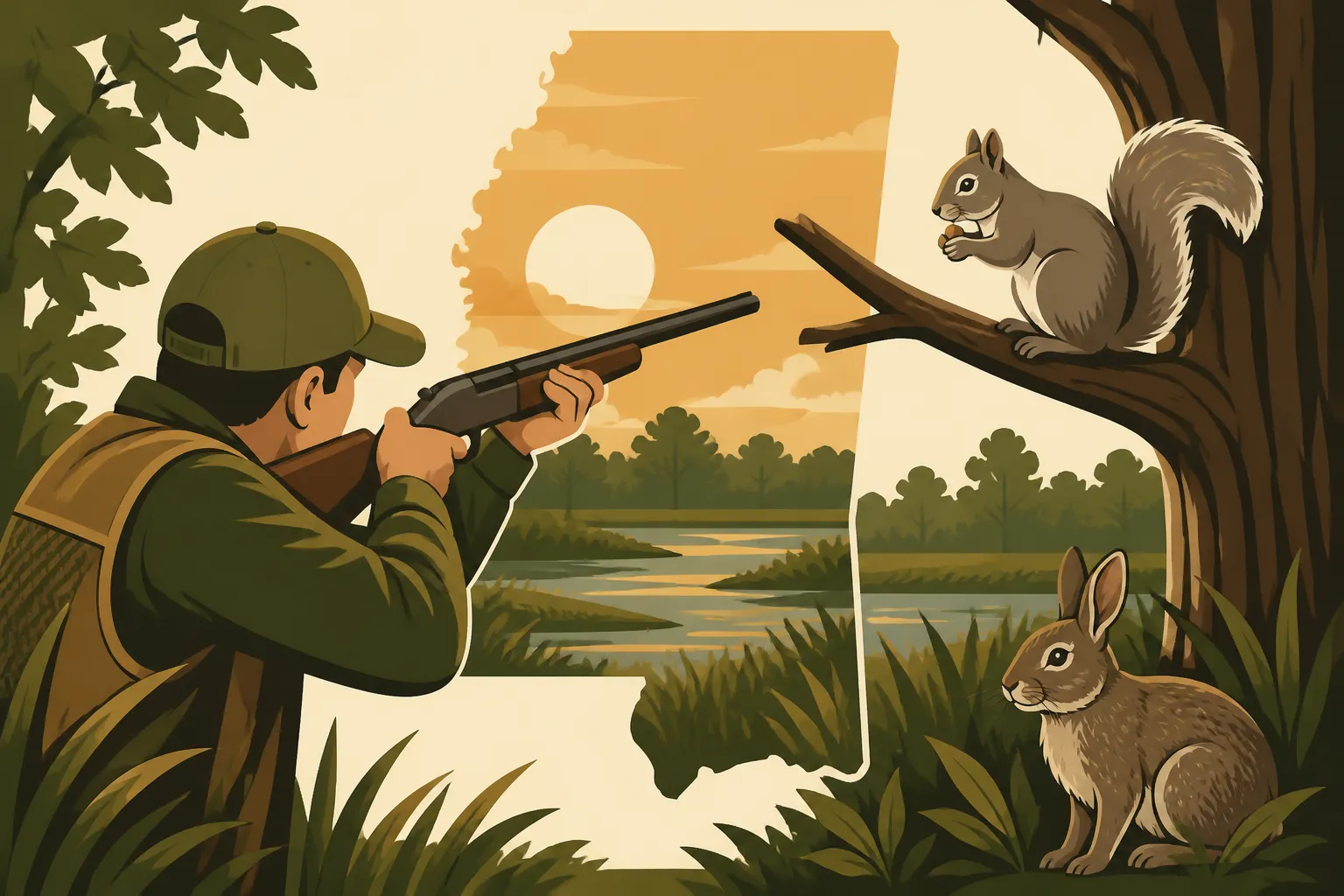
For many folks in Mississippi, the thought of deer season conjures images of big bucks and high stakes. But let's be real: sometimes, you just want to get out in the woods, enjoy a simpler hunt, and put some delicious meat on the table without all the pressure. If you've ever felt that pull, you know the frustration of wanting a relaxing day afield and wondering where to start beyond the big game buzz. This guide is all about embracing the timeless tradition of squirrel and small game hunting in our beloved Magnolia State.
Why Small Game Hunting is So Rewarding in Mississippi
There’s something genuinely fundamental about small game hunting, a connection to our hunting heritage that feels different from chasing a trophy deer. It’s less about the rack and more about the rhythm of the woods, the companionship of a good dog, and the satisfaction of a full game bag at the end of the day. For many, it's the perfect antidote to the high-stress, early-morning, big-game pursuits.
The Enduring Charm of Bushytails and Bunnies
Think about it: squirrels are almost always on the move, chattering, barking, and chasing each other through the canopy. Rabbits are masters of disguise, exploding from cover right when you least expect it. This constant action keeps you engaged, your senses sharp, and your heart rate up. It’s not just about the kill; it’s about the chase, the observation, and the pure joy of being an active participant in nature's drama. Plus, there's a certain nostalgia that comes with it, harkening back to simpler times when a mess of squirrels or a few rabbits meant a hearty meal for the family.
Accessibility for All Skill Levels and Ages
One of the beautiful things about small game hunting is its low barrier to entry. You don't need highly specialized, expensive equipment, nor do you need to spend hundreds of hours scouting a specific stand location. A .22 rifle or a scattergun, some comfortable boots, and a willingness to walk are often all you need. This makes it incredibly accessible for beginners, seasoned hunters looking to unwind, and especially for introducing youngsters to the outdoors. The pace is often more relaxed, and the chances of seeing game, even if you don't bag it, are usually quite high, keeping spirits up. It's a fantastic way to teach firearm safety, woodsmanship, and ethical hunting practices in a less demanding environment.
A Perfect Way to Introduce New Hunters
Bringing new blood into hunting is vital, and small game provides an ideal starting point. The lessons learned while hunting squirrels or rabbits – tracking, camouflage, patience, understanding animal behavior, and respectful firearm handling – are foundational. Kids can get hands-on experience without the pressure of a monster buck or an elusive gobbler. It’s about building confidence, fostering a love for the outdoors, and sharing traditions. My own first successful hunt was for squirrels with my grandfather, and those memories are as vivid and cherished as any deer camp experience. Plus, the action is often frequent enough to keep short attention spans engaged, which is a huge plus when you're starting out.
Understanding Mississippi's Small Game Seasons and Regulations
Navigating hunting regulations can sometimes feel like trying to solve a puzzle written in a foreign language. But for small game in Mississippi, things are refreshingly straightforward. Knowing the dates, limits, and requirements is crucial for a safe and legal hunt, so let's break it down.
Key Dates for Squirrel and Rabbit Seasons
Generally speaking, Mississippi offers generous seasons for both squirrels and rabbits. Squirrel season often kicks off in October and runs well into February, sometimes even March, providing ample opportunities across various weather conditions. Rabbit season typically aligns closely with squirrel season, also starting in October and extending through February. These extended seasons allow hunters to enjoy fall foliage hunts, crisp winter mornings, and even some late-season action when other hunting opportunities might be winding down. Always double-check the current year's Mississippi Small Game Season Rules on the MDWFP website, as dates can shift slightly from year to year.
Here’s a general overview, but remember to verify for the current year:
| Species | Season Start (Typical) | Season End (Typical) | Daily Bag Limit |
|---|---|---|---|
| Squirrel | October 1st | February/March | 8 |
| Rabbit | October 1st | February/March | 8 |
Note: These are general statewide dates and limits. Always confirm with the current MDWFP regulations for any unit-specific exceptions or changes.
Bag Limits and Legal Shooting Hours
The daily bag limit for squirrels is usually 8, and for rabbits, it’s also typically 8. This means you can have a pretty successful day without needing to bag a massive number of animals. Legal shooting hours generally follow the sunrise to sunset rule, which is pretty standard across most game species. However, always verify these specifics with the MDWFP's official regulations, particularly if you're hunting near dawn or dusk. You don't want to find yourself on the wrong side of a regulation for something so easily avoidable. These clear limits help manage the populations and ensure that future generations will have plenty of game to pursue.
Hunter Education and Licensing Requirements
Just like with any other game, you'll need the appropriate licenses to hunt small game in Mississippi. This usually means a basic hunting license, or a Sportsman's License if you hunt multiple species. If you're a nonresident, make sure you look into the specific nonresident license options available. For those born after January 1, 1972, completing a hunter education course is mandatory before purchasing a hunting license in Mississippi, unless you're hunting under an apprentice license. This ensures that all hunters have a baseline understanding of safety, ethics, and conservation. You can find detailed information on Mississippi Hunter Education Requirements through the MDWFP website. It's a small investment in time for a lifetime of safe and responsible hunting.
Essential Gear for Mississippi Small Game Hunters
One of the great joys of small game hunting is that it doesn't require a fortune in specialized equipment. You likely already own most of what you need. However, having the right tools can make your experience safer, more comfortable, and more successful.
Firearms and Ammunition Choices
For squirrels, the classic choice is often a .22 caliber rimfire rifle. It’s quiet, accurate, and the ammunition is inexpensive, allowing for plenty of practice. A good quality .22, whether a bolt-action, semi-auto, or lever-action, is perfect for headshots that preserve the meat. Many hunters also opt for a shotgun, especially if they're moving fast or hunting in thick cover where quick shots are necessary. A 20-gauge or even a .410 can be very effective, especially for younger hunters or those sensitive to recoil, using small shot sizes like 6 or 7 ½. For rabbits, a shotgun is almost universally preferred due to their quick, erratic movements. A 12-gauge or 20-gauge loaded with 6 or 7 ½ shot will do the trick nicely. Just make sure whatever firearm you choose, you're proficient and comfortable with it. Always ensure your chosen firearm is legal for hunting in Mississippi.
Clothing, Footwear, and Essential Field Items
Comfortable, durable clothing is key. You'll be walking, sometimes quite a bit, through brush and varied terrain. Layers are always a good idea in Mississippi, as our mornings can be chilly and afternoons surprisingly warm, even in winter. Blaze orange is often a smart choice, especially when hunting public lands or with a group, to ensure you're visible to other hunters – always check current regulations on specific blaze orange requirements. Waterproof, broken-in boots with good ankle support are a non-negotiable. Nothing ruins a hunt faster than wet, sore feet. Beyond that, a small backpack with water, snacks, a knife, a game bag, and a compass or GPS (like the one you might use on a GoHunt app to mark your truck or track your route) is all you really need. Don't forget bug spray for early season hunts, as Mississippi mosquitos are legendary!
The Role of Dogs in Small Game Hunting
While you can absolutely have a blast still-hunting or jump-shooting small game on your own, bringing a good dog into the mix elevates the experience to another level. For squirrels, a "cur" dog or a squirrel-specific breed can locate bushytails high in the trees, barking treed to alert you to their location. This saves immense time and effort, turning a slow stalk into an exciting retrieve. For rabbits, nothing beats a pack of Beagles. The music of their baying as they chase a rabbit through thickets is pure joy. They flush rabbits from cover you'd never find on your own, giving you plenty of shooting opportunities. Running dogs on Mississippi Feral Hogs might be a different experience, but the principle of using a canine companion to enhance a hunt is a shared tradition. A well-trained small game dog is more than just a tool; they're a partner, a companion, and often, the reason you come home with a full game bag and an even fuller heart.
Mastering Squirrel Hunting Tactics in Mississippi
Squirrel hunting is often where many of us got our start, and for good reason. It’s active, engaging, and offers plenty of opportunities to hone your woodsmanship. Whether you prefer a silent stalk or the rambunctious joy of a squirrel dog, there's a tactic for you.
Still-Hunting and Stalking Strategies
Still-hunting is perhaps the most traditional and challenging method. It involves moving slowly and quietly through the woods, stopping frequently to scan the trees and listen for the tell-tale rustle of leaves or the chatter of a squirrel. Patience is paramount here. Find an area with good sign – cut nuts, tracks, or nests – and move maybe 10-20 yards every few minutes, then stop and stand absolutely still for several minutes. Squirrels, especially the wily fox squirrels, are experts at freezing when they sense danger. If you stay put, they often give themselves away with a twitch of a tail or a move around the tree. This technique is fantastic for developing observational skills and reading the woods. A light sprinkle after a dry spell can be your best friend, as it softens the leaves, making silent movement much easier.
Using Squirrel Dogs for Maximum Fun
If you want to maximize your chances and add a layer of excitement, a good squirrel dog is hard to beat. Breeds like feists, curs, or even some terrier mixes are bred for this. The dog ranges ahead, using its nose and eyes to locate squirrels. Once a squirrel is spotted, the dog will "tree" it, barking excitedly at the base of the tree, allowing you to move in, locate the squirrel, and take a shot. This method can cover a lot more ground and dramatically increase your success rate. It's also incredibly fun to watch a well-trained dog work. There's nothing quite like the sound of a hound "treed" in the timber, especially if you're hunting with friends or family. For those targeting specific areas, learning about Squirrel Hunting Delta Bottomland Hardwoods or Squirrel Hunting Delta Hickory Groves might give you an edge in finding these active zones.
Prime Habitat: Where to Find Squirrels
Squirrels thrive in mature hardwood forests with an abundance of mast-producing trees. Think oaks, hickories, pecans, and even some cypress or sweetgum areas. These trees provide the food source (acorns, nuts, seeds) that squirrels depend on, as well as the hollows and dens for shelter. Look for areas with heavy leaf litter, as this provides both food and cover, and where squirrels will be actively foraging. Creek bottoms, mature timber along river systems like the Mississippi, and even mixed pine/hardwood stands can be productive. The key is to find food and cover. During the early season, squirrels might still be higher in the canopy, feeding on softer mast like mulberries or black gum. As the season progresses and hard mast falls, they spend more time on the ground. A good mapping tool, even a general one that can access aerial imagery like the one offered by GoHunt, can help you identify these key habitat types before you even step foot in the woods. Pay attention to droppings and fresh cuttings of nuts – these are clear indicators of recent squirrel activity.
Effective Rabbit Hunting Techniques in Mississippi
Rabbit hunting is a fast-paced, exciting endeavor that often involves more commotion and teamwork than squirrel hunting. Bunnies are masters of using thick cover to their advantage, making them a worthy challenge.
The Thrill of Beagle Drives
For many, rabbit hunting is synonymous with Beagles. A pack of these small, persistent hounds can transform a quiet morning into an exhilarating experience. The dogs work through dense brush, briar patches, and fencerows, flushing rabbits from their hiding spots. Once a rabbit is jumped, the dogs give chase, baying loudly as they follow the scent. The hunter's job is to position themselves strategically along known escape routes, anticipating where the rabbit will try to circle back or cut across open ground. It's a highly social hunt, often involving multiple hunters and dogs, making for fantastic camaraderie and plenty of action. If you're looking for an unforgettable experience, Running Beagles on Mississippi Cottontails is definitely something to try.
Jump-Shooting and Brush Piling Tactics
If you don't have access to a pack of Beagles, or simply prefer a solo hunt, jump-shooting is an effective alternative. This involves walking through heavy cover – think briar patches, overgrown fencerows, brush piles, and thickets – and being ready to shoulder your shotgun quickly when a rabbit bursts out. It requires patience and quick reflexes. Focus on areas where rabbits will seek refuge from predators and weather. Intentional brush piling can also create excellent rabbit habitat on private land. These piles provide escape cover and food, making them magnets for bunnies. When hunting public land, look for naturally occurring dense thickets that offer similar protection. This method is often how hunters in more open areas tackle Rabbit Hunting Mississippi Fencerows.
Locating Rabbit Habitat and Sign
Rabbits prefer areas with dense, low-growing cover for protection, but also access to open areas for feeding. Look for the edges of fields, old logging cuts with thick regrowth, briar patches, honeysuckle thickets, and even overgrown ditches or abandoned farmsteads. These transition zones provide everything a rabbit needs: food, cover, and escape routes. Pay attention to fresh droppings, small tracks in soft earth, and runways through the vegetation. Knowing where rabbits like to hide is half the battle. When doing your scouting, especially on public lands, look for areas that have undergone recent timber cuts or controlled burns, as the resulting regrowth often creates prime rabbit real estate. Identifying these areas is crucial for success, whether you're alone or with a dog.
Where to Find Small Game in Mississippi Public Lands
Mississippi is blessed with a significant amount of public hunting land, offering fantastic opportunities for small game hunters. Knowing where to go and how to navigate these areas can make all the difference.
National Forests and Wildlife Management Areas
Our National Forests, like Delta National Forest, Homochitto National Forest, and Bienville National Forest, offer vast expanses of diverse habitat perfect for small game. These lands are generally open to public hunting with the appropriate licenses and permits. Wildlife Management Areas (WMAs) are also invaluable resources, managed by the MDWFP specifically for wildlife conservation and public recreation. Many WMAs have specific small game seasons and regulations, so it's vital to check the individual WMA rules before you go. Places like Malmaison Wildlife Management Area or Caston Creek Wildlife Management Area are known for their excellent small game potential. Remember that these areas can see pressure, especially on weekends, so planning your hunts during weekdays or seeking out more remote corners can pay off. Checking the MDWFP app for specific WMA regulations, often found within the "Scouting Mississippi Public Land Before Season" section, is a must.
Scouting for Small Game Opportunities
Pre-season scouting isn't just for deer hunters. Walking likely small game habitat before the season opens can give you a huge advantage. Look for fresh droppings, chewed vegetation, tracks, and areas with high concentrations of mast (for squirrels) or thick cover (for rabbits). Pay attention to topography and vegetation changes. A mapping application, which may even include GoHunt’s detailed terrain features, can be incredibly helpful here. You can identify potential hot spots, plan your routes, and mark areas of interest. Early season scouting allows you to understand game patterns without the pressure of hunting, ensuring you're ready when Mississippi Squirrel Season Opening Day rolls around. Identifying pinch points or natural funnels where rabbits might run is just as important as finding deer sign.
Respecting Public Land Etiquette
Hunting public land is a privilege, and with it comes the responsibility to act courteously and safely. Always be aware of other hunters, hikers, or outdoor enthusiasts. Wear blaze orange, especially during gun seasons, even if it's not strictly required for small game, just to be safe. Pack out everything you pack in, leaving no trace. Be mindful of noise, particularly if you're still-hunting, and respect designated camping or non-hunting areas. If you encounter another hunter, a friendly wave and a wide berth are always appreciated. Understanding the nuances of Hunting Pressure on Mississippi Public Land means recognizing that sharing the resource responsibly benefits everyone. It’s about ensuring that these precious public spaces remain enjoyable and accessible for all.
Processing Your Harvest and Enjoying the Table Fare
The hunt doesn't truly end until you've honored your harvest by preparing it for the table. Small game, particularly squirrels and rabbits, offers some of the finest wild game meat available. Learning how to properly field dress, clean, and cook your animals is a crucial part of the hunting experience.
Field Dressing and Cleaning Your Small Game
Proper field dressing begins immediately after the shot to cool the meat and prevent spoilage. For squirrels, a quick gutting will suffice, or many hunters simply carry them back to camp or home to skin and clean. Rabbits should also be gutted quickly, especially in warmer weather, and then skinned as soon as possible. There are various methods for skinning squirrels and rabbits efficiently, from the "pull-and-peel" method for squirrels using a stick to standing on a rabbit's back legs and peeling the hide. You can find countless videos online demonstrating these techniques. The goal is to get the hide off, remove the entrails, and get the meat cooled as quickly as possible. Don't forget to remove any bullet fragments or shot from the meat.
Simple and Delicious Small Game Recipes
Squirrel and rabbit meat are incredibly versatile in the kitchen. They have a mild, slightly sweet flavor that lends itself well to many cooking methods. Fried squirrel or rabbit, often simmered until tender before a final crisping in hot oil, is a classic Southern dish. They're also excellent in stews, gumbos, or slow-cooked until the meat falls off the bone. For squirrel, consider a simple pan-fry with seasoned flour, or braise it low and slow with vegetables for a rich, comforting meal. Rabbit works beautifully in a fricassee, a hearty pot pie, or even grilled or barbecued. A simple recipe of rabbit simmered in a creamy mushroom sauce over rice is a personal favorite. The key is often slow cooking to tenderize the meat, followed by a finishing touch to develop flavor and texture.
Preserving Your Harvest for Later
If you've had a particularly successful day (or season!) and bagged your Mississippi Squirrel Daily Bag Limit multiple times, you might want to preserve some of that delicious meat for later. Freezing is the most common and easiest method. After cleaning, thoroughly rinse and pat the meat dry, then wrap individual pieces tightly in plastic wrap or vacuum seal them. Label with the date to keep track. Properly frozen small game can last for many months in the freezer. Another option, especially for tougher older animals, is canning the meat, which results in tender, ready-to-use portions for stews or casseroles. Always follow tested canning recipes and guidelines for safety. Having a freezer full of wild game is a truly satisfying reward for your efforts afield.
Conservation and the Future of Small Game Hunting
Small game hunting isn't just about bagging animals; it's deeply intertwined with conservation. Hunters have always been, and continue to be, the primary drivers of wildlife management and habitat protection in North America.
Habitat Management for Squirrels and Rabbits
Healthy squirrel and rabbit populations depend on healthy habitats. For squirrels, this means thriving hardwood forests with a consistent mast crop. For rabbits, it requires a mosaic of dense cover, open feeding areas, and diverse vegetation. The MDWFP, through programs on public lands and guidance for private landowners, works to maintain and improve these habitats. Practices like selective timber harvesting, prescribed burns, and establishing native grasses and forbs all contribute to a richer environment for small game and countless other species. When you see efforts to preserve or restore longleaf pine forests, it’s not just about the trees; it’s about the ecosystem they support, including species like the Bobwhite Quail and rabbits that thrive in those conditions. Even simple actions on private land, such as creating brush piles or planting native shrubs, can make a huge difference.
The Role of Hunters in Conservation
Every time you purchase a hunting license or certain hunting-related equipment, a portion of that money goes directly towards conservation efforts through programs like the Pittman-Robertson Act. This funding supports wildlife research, habitat acquisition and improvement, and law enforcement that protects game populations. Small game hunters, by actively participating and adhering to regulations, contribute directly to the health of these populations. Beyond finances, hunters are often the first to notice changes in wildlife populations or habitat, serving as important eyes and ears on the ground for wildlife agencies. Our passion for the outdoors naturally extends to a commitment to protecting it for future generations.
Passing on the Small Game Tradition
The future of small game hunting, and hunting in general, relies on passing these traditions down. Taking a child or a new hunter out for squirrels or rabbits isn't just a fun day; it's an investment in the future. It teaches respect for nature, self-sufficiency, and the importance of ethical engagement with the wild. These early experiences often spark a lifelong love for hunting and conservation. From learning How Early Season Squirrels Give Themselves Away to understanding the thrill of a rabbit flush, these are lessons that stick. Let's make sure we're creating those opportunities, sharing our knowledge, and ensuring that the timeless joy of small game hunting continues to thrive in Mississippi for many years to come.
Disclaimer
Please note that hunting regulations, seasons, and licensing requirements can change. Always consult the official Mississippi Department of Wildlife, Fisheries, and Parks (MDWFP) website or their current hunting guide for the most up-to-date and accurate information before planning any hunting trip. This guide is for informational purposes only and should not be considered a substitute for official regulations.