Roost Hunting Mississippi Gobblers
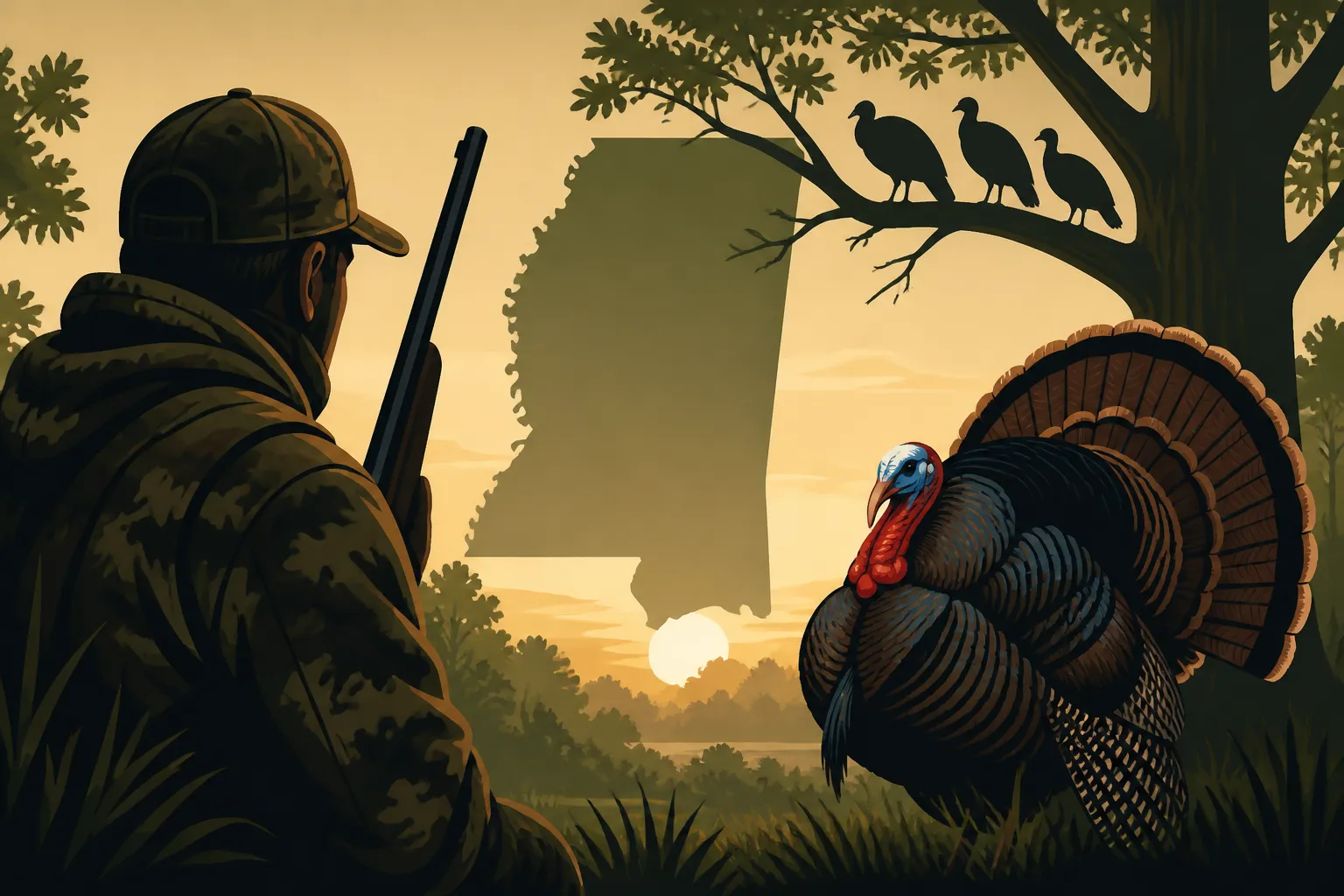
The thrill of turkey hunting often hinges on those crucial first few minutes of daylight, or the last fading rays of the evening sun. But pinpointing exactly where a gobbler is spending the night can feel like finding a needle in a haystack, leading to frustrating busts and missed opportunities before the hunt even truly begins. This comprehensive guide will walk you through the art and science of roost hunting Mississippi gobblers, equipping you with the strategies to consistently locate, approach, and successfully call in birds right off the limb or as they head up for the night.
Why Roost Hunting Offers a Unique Advantage
Roost hunting isn't just a tactic; it's a commitment to understanding a gobbler's daily rhythm, leveraging their predictable behavior to give you a strategic edge. It’s about knowing exactly where a bird is before the sun even thinks about rising or setting, allowing for precise, low-impact approaches.
Capitalizing on the Early Morning Chatter
There's nothing quite like the sound of a gobbler hammering from the limb just before dawn. This is where roost hunting truly shines. By being in position before that first gobble, you eliminate much of the guesswork. Instead of wondering which ridge he's on, you know he's 100 yards straight ahead, still in his pajamas. This advantage is especially pronounced during the early season when birds might be less pressured and more vocal from the tree.
Think about it: you've spent weeks scouting, maybe even practicing your calls. But if you’re wandering around in the dark hoping to hear something, you're already behind. When you’ve put a bird to bed, you’re already ahead of the game. You can plan your exact approach, considering wind direction, terrain, and how much light you'll have to get set up. It's a calculated strike rather than a hopeful search.
Locating Vocal Birds in Dense Cover
Mississippi’s diverse landscapes, from the sprawling Delta bottomlands to the rolling Hills and the dense Piney Woods, can make locating turkeys incredibly challenging. Thick hardwoods, dense pine plantations, and tangled creek bottoms all absorb sound, making it hard to gauge distance or direction. This is where roost hunting becomes an invaluable tool. When a gobbler lets loose from his roost, especially if he's close, the sound carries much better in the still, pre-dawn air.
By hearing him gobble repeatedly from the same spot, you confirm his precise location. This isn't just about hearing a gobble; it's about discerning where that gobble is coming from. In areas with limited visibility, like the vast timber tracts of the national forests, knowing a bird's exact starting point can save you hours of wandering, bumping other birds, or wasting time in unproductive spots. It also gives you a target to work towards during your scouting efforts for Spring Turkey Hunting in Mississippi.
The High-Risk, High-Reward Nature
Let's be real, roost hunting isn't for the faint of heart. It requires extreme stealth, patience, and a willingness to commit to a plan in the dark. The risk of bumping a bird off the roost – sending him silently gliding to another county – is very real. One misplaced footstep, a snap of a twig, or an errant flashlight beam can ruin the hunt before it even begins.
However, the reward can be extraordinary. Imagine calling a bird off the limb, watching him sail down, strut into your setup, and offer a clean shot at first light. That feeling is unparalleled. It's the culmination of careful planning, diligent scouting, and precise execution. When it works, it's often the most memorable turkey hunt of the season. It’s also often a lot more efficient than just Run-and-Gun Turkey Tactics on Public Land, though both have their place depending on the bird and pressure.
Mastering the Art of Scouting for Roosted Gobblers
Effective roost hunting begins long before the season opener. It’s a year-round commitment to understanding the terrain and the birds that inhabit it. You're not just looking for turkeys; you're looking for their beds in the sky.
Pre-Season Reconnaissance and Habitat Analysis
Long before you even think about putting on your camo, you should be out in the woods. During the late fall and winter, after leaves have dropped, it's much easier to see the structure of the woods and identify prime roosting habitat. Look for large, mature trees with strong, horizontal limbs, often near water sources, ridge lines, or clearings. Old growth timber in the Delta bottomlands or mature pines in the hills are classic roosting areas.
I often spend my off-season walks noting these spots. I use a mapping application like GoHunt to mark potential roost trees, travel corridors, and access points. It’s invaluable for visualizing the terrain. Turkeys tend to favor the tallest trees in an area, providing them with a commanding view and a safe perch from predators like coyotes and bobcats. Pay attention to droppings and shed feathers at the base of these trees – undeniable signs of regular roosting activity. Also, consider areas near agricultural fields or food plots that serve as primary feeding grounds. If they're feeding there during the day, they're likely roosting nearby.
Listening at Dusk and Dawn for Key Clues
This is the bread and butter of locating roosted gobblers. As the season approaches, or even during a lull in hunting, dedicate time to simply listening. Drive or walk quietly into your hunting area about an hour before sunrise or an hour before sunset. Find a good vantage point – perhaps a slight rise, a field edge, or a clearing – and just listen.
In the morning, the first sound you'll likely hear is a crow, an owl, or perhaps even a coyote. Listen for a shock gobble in response. Turkeys often gobble naturally on the roost, but they’ll also respond to loud noises. Pay attention to the direction and approximate distance. At sunset, listen for fly-up cackles and wing beats as birds ascend to their roosts, followed by those last few soft gobbles before dark. Mark these spots diligently on your map. It’s not just about hearing a gobble, it’s about understanding the pattern: where they gobble, when they gobble, and how frequently. Sometimes, you'll hear multiple birds, giving you a better idea of the flock's distribution.
Employing Locator Calls for Pinpointing Gobblers
Locator calls are your secret weapon for making a gobbler give up his position. While natural calls like crow, owl, or coyote howls work wonders, specific turkey locator calls can also be incredibly effective. The key is to use them sparingly and strategically. You’re not trying to call the turkey to you with a locator call; you're trying to make him gobble so you know where he is.
Early morning, just before light, an owl hoot can often elicit a response. As the sky brightens, a crow call becomes more effective. During the late evening, a coyote howl can get a bird to gobble as he’s flying up. Experiment with different calls. Sometimes a sharp hawk scream, or even the sound of a distant train whistle, will do the trick. The best approach is to use a locator call, wait a few minutes, listen intently, and then move a quarter to half-mile before trying again. You want to get close enough to hear a response without pushing in too far and risking spooking them. Remember, discretion is key; you only need one or two gobbles to confirm his presence.
Executing the Morning Roost Hunt
Once you’ve put a bird to bed, or at least have a strong suspicion of his roosting location, the real chess match begins. The morning roost hunt is a delicate dance of stealth, timing, and precise calling.
The Critical Importance of Silent Entry
This cannot be overstated: you must be a ghost. Your entry into the woods before dawn needs to be utterly silent. Plan your route using your mapping app from GoHunt, looking for paths that minimize noise – old logging roads, creek bottoms (if dry), or open timber where leaf litter is sparse. Avoid crunchy leaves, dense brush, or anything that might snap or rustle. Wear soft clothing that won't make noise when rubbing against itself or brush.
Carry minimal gear, and ensure everything is secured to prevent rattling or clanking. If you're hunting public land, expect other hunters to be out there, too, which adds another layer of complexity. Sometimes, the best entry route is a bit longer but guarantees silence. Your goal is to get within 100-200 yards of the roost tree, depending on the terrain and cover, without the bird ever knowing you’re there. Any sound made too close to the roost could send him sailing in the opposite direction.
Setting Up in the Dark for Optimal Coverage
Once you’ve silently approached, finding the perfect setup spot in the pre-dawn darkness is paramount. You need to identify a location that offers:
- Good concealment: A thick tree trunk, a cluster of pines, or dense brush to break up your outline.
- Clear shooting lanes: Enough space to swing your gun or bow if the bird comes in.
- A natural line of approach for the turkey: Anticipate where he will likely fly down and walk. Turkeys prefer to fly down into open areas or clearings rather than dense woods.
- A backdrop: Never set up with the sky as your backdrop; it makes your silhouette easily visible. Always have something behind you.
This is where your pre-season scouting pays off. If you’ve marked a potential fly-down zone, you can position yourself strategically. Many hunters like to set up near a large, wide-trunked tree for maximum back cover, often on a slight rise if possible to get a better view. Remember, you’ll be sitting for a while, so make sure it's comfortable and allows you to remain still. Consider the sun's position at first light; you want it at your back, not in your face, and certainly not in the turkey's eyes as he flies down. This is similar to strategies for Setting Up Against a Big Oak for deer, but with a different quarry in mind.
The Art of First Light Calling
Once you're set up, the waiting game begins. Resist the urge to call too early or too aggressively. Let the woods wake up naturally. The first natural gobbles from the roost are your cue. Often, a soft tree yelp or two, or a light cluck and purr, is all you need. You're trying to sound like a hen waking up, announcing her presence without sounding desperate or overbearing.
The key is to mimic what the hen would naturally do. As the sky lightens, and the gobbler continues to sound off, increase your calling intensity slightly, but still remain conservative. You want him to commit to flying down in your direction, believing he's coming to a real hen. Don't engage in a gobbling match. Let him gobble, answer with a few soft yelps, and then go silent. Force him to come look for you. If he flies down and hits the ground gobbling, be ready. He'll often strut for a bit, trying to make the hen come to him. You might offer another soft series of yelps or clucks, but let him do the heavy lifting. This patience is crucial, especially when trying to coerce a bird off the limb, a technique detailed in Calling a Mississippi Gobbler Off the Roost.
Strategic Evening Roosting for Tomorrow's Hunt
Just as valuable as the morning hunt is the evening roost. Putting a bird to bed gives you an almost guaranteed starting point for the next morning. It takes patience and a different kind of stealth than the pre-dawn approach.
Identifying Preferred Roost Trees and Locations
Turkeys are creatures of habit. They often use the same roost trees or the same cluster of trees night after night, especially if undisturbed. As discussed, look for those tall, dominant trees with sturdy horizontal limbs. These could be giant oaks in the Delta, or towering pines in the central and southern parts of the state. These trees typically offer a good vantage point to spot predators and allow for an easy glide down in the morning.
Beyond individual trees, observe the overall roosting area. Is it on a ridge top? Near a river or creek? Adjacent to a field? These landscape features often dictate where turkeys feel safest spending the night. For example, turkeys in the Mississippi Delta often prefer trees along the edges of sloughs or large tracts of flooded timber, which offer protection from ground predators. Using satellite imagery on your GoHunt app can help you pinpoint these distinct canopy breaks or water features where turkeys might congregate at dusk.
Approaching Roost Sites Carefully at Dusk
Just like the morning, a silent approach is critical. About an hour to 30 minutes before sunset, slowly and quietly make your way to a listening post within earshot of potential roosting areas. You want to be close enough to hear fly-up gobbles and wing beats, but far enough away not to disturb the birds as they approach their nightly perch. Being too close is a rookie mistake that will send them packing.
Move against the wind if possible to carry your scent away from the turkeys. Use any available cover to break up your outline. As the sun dips lower, listen intently. You might hear soft clucks and purrs as a flock moves towards the roost site, or the distinctive thwack-thwack-thwack of powerful wings as a bird takes flight to the limb. Mark these sounds and movements on your mental map or GPS. The goal is to confirm where they're roosting, not to spook them into flying elsewhere.
Confirming a Gobbler's Roost for the Next Morning
The ultimate success of evening roosting is getting a definitive "goodnight gobble." After you hear the last fly-up, wait patiently for 10-15 minutes. Often, a gobbler will let out one last resounding gobble, sometimes two, just as it gets truly dark. This is your confirmation. Once you hear it, quietly slip out of the woods, reversing your silent approach. Do not linger, do not make unnecessary noise. The less they know you were there, the better.
If you don't get a "goodnight gobble," but you heard wing beats and general turkey sounds from a specific area, that's still valuable information. You've narrowed down the general roosting location, which is a huge head start for the morning hunt. Confirming the roost is a game-changer. It transforms a speculative morning hunt into a strategic ambush, allowing you to plan your exact approach for before legal Mississippi Spring Turkey Season Rules shooting hours the next day.
Essential Gear and Tactics for Roost Hunting Success
Roost hunting demands specific gear and a nuanced tactical approach to maximize your chances and minimize the risk of blowing a bird out.
Decoy Placement and Calling Strategies
Decoys can be incredibly effective when roost hunting, but placement is everything. You want your decoys to be visible to the gobbler as he flies down, offering a realistic visual to complement your calls. Typically, a single hen or a jake/hen combination works well. Place them 20-30 yards from your setup, in a clearing or open area where a gobbler would naturally fly down. For more aggressive birds, a jake decoy can sometimes draw him in for a fight. For pressured birds, a lone hen can be less intimidating. Understanding Decoy Placement for Pressured Mississippi Birds can make or break your setup.
When it comes to calling, remember the mantra of "less is more" in the early morning. Start with soft tree yelps and clucks, as if a hen is just waking up. As the gobbler sounds off more frequently, you can increase the volume and urgency slightly. Don't overdo it. You want to entice him to fly down in your direction, not to make him suspicious. If he flies down and struts, let him work. A few soft purrs or clucks might bring him closer, but often, silence after he hits the ground is the most effective call, forcing him to seek you out.
Stealthy Movement and Terrain Utilization
Stealth is paramount in roost hunting. Every step matters. When making your pre-dawn approach, move slowly, lifting your feet rather than dragging them, and placing them gently. Use the terrain to your advantage:
- Ridges: Walk just below the crest of a ridge to remain out of sight.
- Creek Bottoms: These can offer natural cover and quieter walking, but be mindful of water and mud.
- Logging Roads/Trails: While tempting for easy walking, they can be noisy and make you visible. Use them sparingly and only if absolutely necessary, moving very slowly.
- Vegetation: Use trees, bushes, and changes in elevation to mask your movement.
Always be aware of your surroundings. Look for potential obstacles in the dark that could trip you or create noise. A headlamp with a red or green light setting can be helpful for navigation without spooking game as easily as a white light, but use it as little as possible. The less light you project, the better.
Utilizing Digital Mapping Tools for Precision
In today's hunting world, digital mapping tools are indispensable for roost hunting. Services like GoHunt allow you to:
- Mark exact roost tree locations: Pinpoint where you heard or saw birds roost.
- Plan silent approach routes: Identify contours, clearings, and potential noise areas.
- Visualize terrain: Understand elevation changes, creek drainages, and dense cover.
- Identify property lines: Crucial for public land hunting or when bordering private land.
Before your hunt, spend time studying the satellite imagery and topographical maps. Look for natural funnels, pinch points, or open areas where a gobbler might fly down. This allows you to plan multiple setup options. For instance, if you're hunting in a big block of public land like Delta National Forest, knowing the exact access points and interior road systems can save you a lot of guesswork and help you navigate to a specific roosting area efficiently. Tools like these are critical for Scouting Mississippi Public Land Before Season.
Common Mistakes and How to Avoid Them
Even seasoned turkey hunters can make mistakes when roost hunting. Understanding these pitfalls and actively working to avoid them will drastically improve your success rate.
Bumping Birds Off the Roost
This is the number one cardinal sin of roost hunting. Bumping a bird off the roost means he knows you're there, and he's not happy about it. He'll either silently glide away, potentially for a long distance, or pitch down and run. Either way, your hunt is likely over before it began.
How to avoid it:
- Extreme Stealth: As mentioned, move like a ghost. No talking, no jingling gear, no snapping twigs.
- Distance: Don't try to get too close. Aim for 100-200 yards from the roost tree, depending on the terrain and cover. If the cover is sparse, push that distance further out.
- Wind Direction: Always approach with the wind in your face or across your body, carrying your scent away from the roost.
- Patience: If you hear any turkeys vocalizing or moving, freeze. Wait for them to settle before continuing your approach.
- Don't Overcall at Night: Using locator calls too aggressively in the evening can make a bird suspicious. A quick owl hoot or crow caw to get a response is usually enough.
Remember, it's better to be a bit too far and let the bird work to you than to be too close and send him packing.
Over-Calling or Improper Call Sequences
New hunters, and even some experienced ones, can get excited and start calling too much or with improper sequences, especially when a gobbler is hammering from the limb. This often leads to the gobbler "hanging up" just out of range, or simply walking away.
How to avoid it:
- Subtlety is Key: Start with soft, natural hen sounds: soft tree yelps, clucks, and purrs. Mimic a hen just waking up.
- Listen More, Call Less: Let the gobbler dictate the pace of the conversation. If he's gobbling aggressively, a few soft yelps in response might be all he needs.
- Force Him to Come to You: Don't engage in a gobbling match. Make him think he has to come find the hen. Once he flies down, go silent or offer minimal soft calls.
- Patience on the Ground: Turkeys will often land and strut for a while, waiting for the hen to come to them. Give him time. If he walks away, you can try a subtle call, but don't panic.
- Vary Your Calls: Sometimes, mixing up your call type (mouth call, slate, box call) can add realism, but don't just constantly make noise. For more on this, check out Grunt Calls in Mature Mississippi Timber for deer, as the principle of varying calls can apply to other game too.
Improper Setup and Missed Opportunities
Getting within range of a roosted gobbler is only half the battle. If your setup isn't right, all that hard work can be for naught. This includes poor concealment, obstructed shooting lanes, or facing the wrong direction.
How to avoid it:
- Scout Your Spots: If possible, identify ideal setup locations during daylight hours before the season. Look for big, wide trees or natural ground blinds.
- Use a Decoy: Decoys can help distract a gobbler, drawing his attention away from your exact location and giving you a moment to move for a shot.
- Clear Shooting Lanes: Before light, use your hands or a small saw to clear any small branches that might obstruct your shot. Visualize where the turkey will likely appear and ensure a clear path.
- Concealment is King: Break up your outline. Wear appropriate camouflage. Use a ground blind if the cover is sparse, or if you prefer to move around more while hunting, something covered in Using a Ground Blind on Mississippi Public Land.
- Anticipate the Approach: Think about where the turkey will likely fly down and where he will walk. Set up to give yourself the best possible shot angle as he approaches. Don't be afraid to adjust slightly in the dark if your initial spot doesn't feel right.
- Sun at Your Back: Whenever possible, position yourself so the rising sun is behind you, making it harder for the turkey to see you and making him squint as he looks towards your calls.
By meticulously planning your approach, executing a silent entry, setting up thoughtfully, and using calls wisely, you can significantly increase your chances of calling in a Mississippi gobbler right off the roost, creating a truly unforgettable hunting experience.
Disclaimer
Hunting regulations and season dates can change. Always consult the official Mississippi Department of Wildlife, Fisheries, and Parks (MDWFP) regulations before planning any hunt. This guide is for informational purposes only and should not replace official guidelines.