Running a Trapline in Rural Mississippi
It's no secret that the thought of running a trapline in the backwoods of rural Mississippi can feel like a daunting challenge. Between navigating the complex web of state regulations, understanding the subtle art of reading animal sign, and simply knowing what gear you actually need, it's easy to get overwhelmed. This guide is here to untangle that knot, offering you practical, deeply informative insights into establishing and maintaining a successful and ethical trapline in the heart of the Magnolia State.
Understanding Mississippi Trapping Regulations
Before you even think about setting a single trap, wrapping your head around Mississippi's trapping regulations is paramount. Ignoring these rules isn't just a minor oversight; it can lead to serious legal trouble and give a bad name to responsible trappers. The Mississippi Department of Wildlife, Fisheries, and Parks (MDWFP) sets the framework, and it's your job to know it inside and out.
Licensing and Permit Requirements
First things first, you'll need the proper paperwork. If you're a resident of Mississippi and you're planning on trapping furbearers, you'll generally need a valid hunting and fishing license that covers trapping. Often, this is rolled into a comprehensive sportsman's license, which is a fantastic value if you plan to pursue multiple outdoor activities. For non-residents, the requirements are typically more specific and can involve a non-resident trapping license, which usually costs a bit more. It's always a good idea to check the most current MDWFP regulations before the season opens, as rules can sometimes change. You can usually purchase these licenses easily online through the MDWFP website or at authorized license vendors. Getting your Mississippi Trapping License Requirements sorted early avoids any headaches down the line.
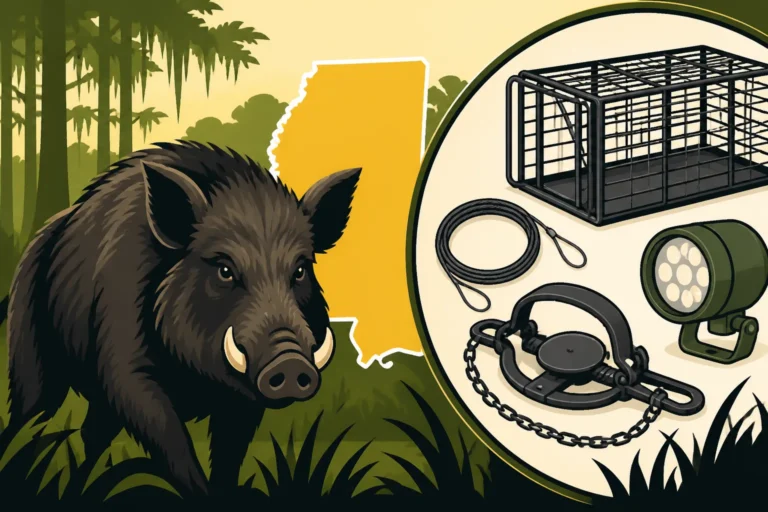
Beyond the basic license, there might be specific permits for certain activities or areas. For instance, if you're trapping on a Wildlife Management Area (WMA), there could be additional WMA permits or special sign-in procedures required. Always verify the rules for the specific piece of land you intend to trap, whether it's public or private. It’s also crucial to remember that while feral hogs can be trapped year-round on private land, they aren't considered furbearers, so the general furbearer trapping regulations might not apply in the same way. You'll want to review the specific Mississippi Feral Hog Trapping Rules if those are a target species for you.
Legal Trap Types and Setting Restrictions
Mississippi has clear guidelines on what kinds of traps you can use and where you can place them. This isn't just about safety; it's about ethical animal treatment and minimizing conflicts. For land sets, footholds are common, but there are restrictions on jaw spread sizes, generally ranging from specific minimums to maximums for both padded and unpadded traps. Body-gripping traps, like Conibears, are incredibly effective for water sets (beaver, otter, muskrat), but their use on dry land is heavily restricted, often requiring them to be fully submerged in water or set in specific types of enclosures to prevent catching non-target animals like pets.
Snares are another tool in the trapper's arsenal, but they also come with stringent rules. Typically, snares must have a stop that prevents them from closing beyond a certain circumference, and often a breakaway device designed to release larger, non-target animals. There are also usually setback distances from public roads, buildings, and dwellings for certain trap types to ensure public safety and privacy. You can’t just put a #330 Conibear on a deer trail near a public road; that’s a recipe for disaster and fines. These restrictions are in place to encourage selective trapping and humane practices. Always refer to the official MDWFP furbearer pamphlet for the precise measurements and guidelines each season.
Season Dates and Trap Check Laws
Timing is everything in trapping. Mississippi's trapping season for most furbearers typically runs from late fall through late winter or early spring, though exact dates can vary year to year and by species. For example, the season for raccoons, opossums, skunks, foxes, and bobcats might open in November and run through February or March. Beaver and otter often have similar seasons, but again, always consult the current MDWFP regulations. Knowing these dates is crucial, as trapping outside the legal season is poaching.
Perhaps one of the most important regulations, and one that often causes the most frustration for busy trappers, is the trap check law. In Mississippi, all traps (with very specific exceptions for certain private land hog traps) must be visited and checked by the trapper at least once every 36 hours. This rule is in place for ethical reasons, ensuring that any captured animals are either dispatched humanely or released as quickly as possible. It minimizes stress and injury to the animal and is a cornerstone of responsible trapping. For a multi-day trapline, this means careful planning of your route and timing, especially if you have a lot of traps spread out over a large area. Forget to check a trap, and you're breaking the law, simple as that.
Essential Trapping Gear and Setup for Mississippi Conditions
Trapping isn't just about having a license; it's about having the right tools for the job. Mississippi's diverse landscape, from the Delta's rich bottomlands to the Piney Woods, demands a versatile approach to gear. You wouldn't use a fly rod to catch catfish, and similarly, you won't use the same trap for a raccoon as you would for a beaver.
Selecting the Right Traps for Your Target Species
Choosing the correct trap is fundamental to success and ethical trapping. Different animals require different trap types and sizes to be effective and humane.
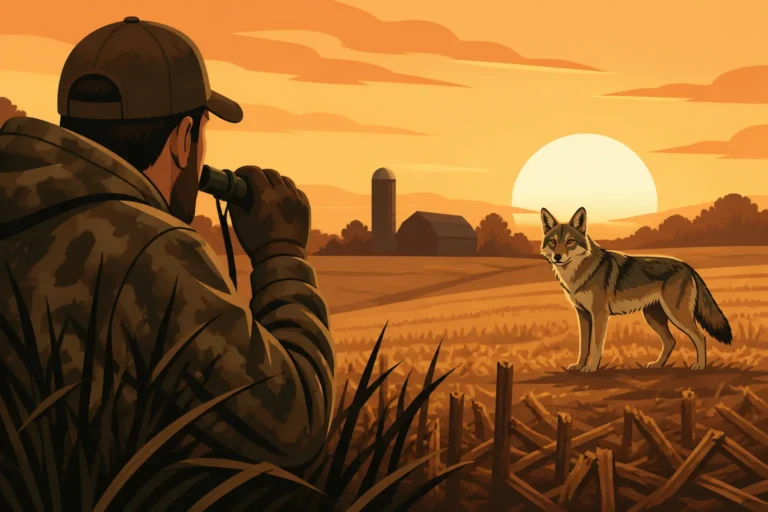
- Coyotes and Bobcats: For these cunning predators, strong, reliable foothold traps are usually the go-to. Trappers often favor coilspring models like the MB-550, Bridger Brawn, or a #1.75 to #3 size. These traps are designed to hold the animal without breaking bones, allowing for humane dispatch. You'll want sturdy traps that can withstand the power of these animals. Coyote Calling in Mississippi Farm Country often goes hand-in-hand with trapping, as understanding their habits is key.
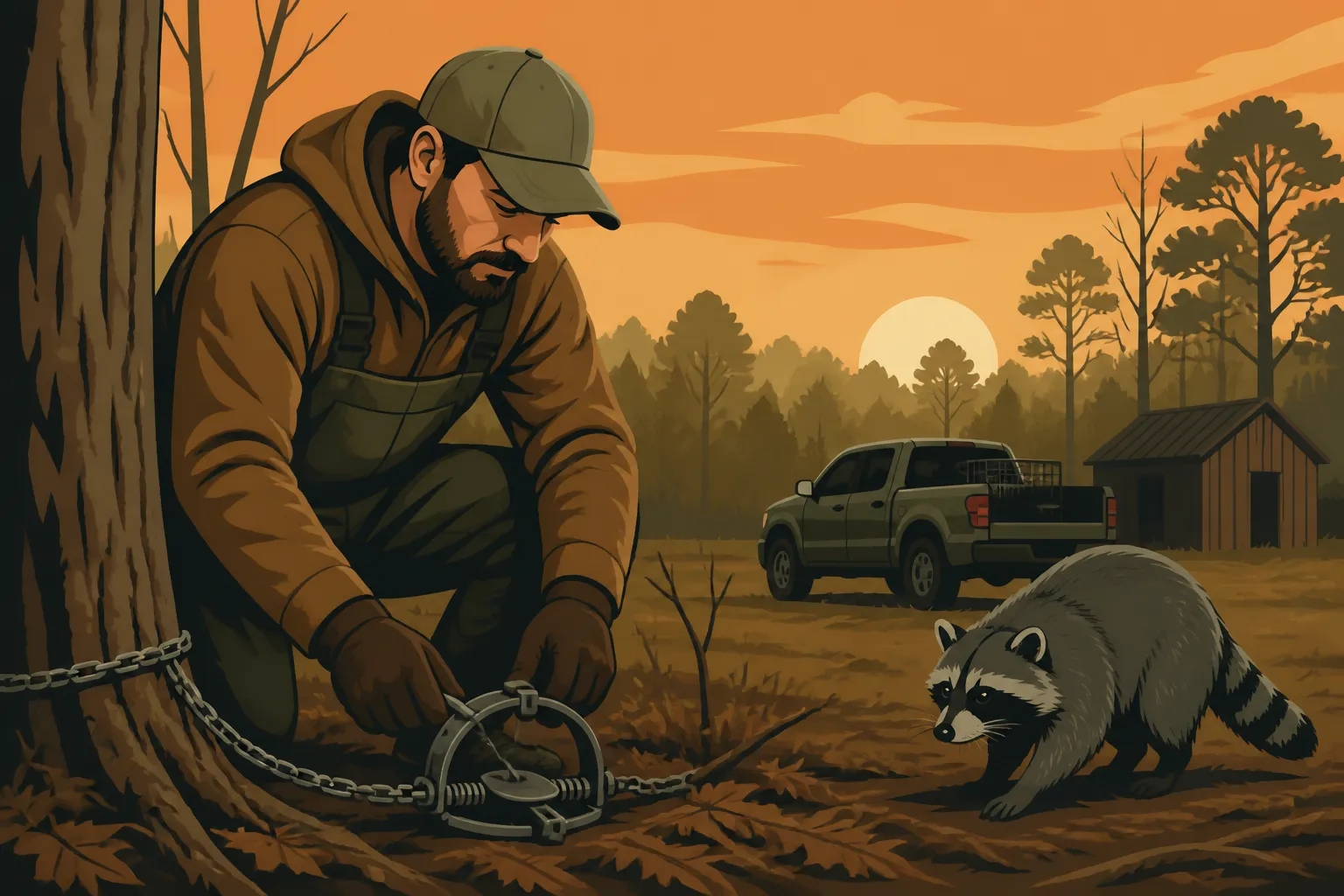
- Raccoons and Opossums: These furbearers are abundant across Mississippi, especially near water sources and agricultural fields. Smaller foothold traps, like #1.5 coilsprings, work well. However, the immensely popular "dog-proof" (DP) traps are a game-changer for coons. These specialized traps, like the Coon Dagger or Duke DP, are designed to catch raccoons by their curiosity and dexterity, making them very selective and virtually eliminating non-target catches like dogs or deer. They are a true asset for any Mississippi trapper.
- Beavers and Otters: These aquatic furbearers require traps suited for water sets. Large body-gripping traps, especially the #330 Conibear, are highly effective and humane for a quick, lethal catch. These are usually set in runs, dam crossovers, or den entrances. Footholds can also be used in bank sets or castor mound sets, often with a drowning wire setup to ensure the animal quickly expires in the water. Snares are also incredibly effective for beaver, especially when set in their travel routes underwater or on slides.
- Fox (Red and Grey): Fox are generally more sensitive to heavy traps. Lighter-built foothold traps, like a #1.5 or #1.75 coilspring, are often preferred. They are wary animals, so light-handed sets are crucial.
Remember, the goal is always a quick, clean, and humane capture and dispatch. Regular maintenance of your traps—checking springs, cleaning rust, and ensuring they fire smoothly—is just as important as selecting the right type.
Tools, Baits, and Lures for Mississippi Traplines
Beyond the traps themselves, a trapper’s toolkit is essential for efficiency and success.
- Field Tools: You’ll need a good shovel or trowel for digging trap beds, a sifter for covering traps with clean dirt, and a hammer for driving stakes. Trap setters are invaluable for safely compressing the powerful springs of body-gripping traps. Strong rebar stakes (18-24 inches) or disposable stakes are necessary to anchor your traps securely, preventing animals from escaping with your gear.
- Baits: Baits are food items used to draw animals to your trap. For canines and bobcats, strong-smelling meat baits like tainted beaver meat, ground venison scraps, or commercially prepared pastes are highly effective. Fish-based baits work wonders for raccoons and often appeal to bobcats. Sweet baits, like marshmallows or fruit-flavored substances, can also entice raccoons.
- Lures: Lures are concentrated scents designed to stimulate an animal’s curiosity, territoriality, or hunger. Gland lures, made from the scent glands of the target animal, are potent for encouraging investigation. Curiosity lures, often musky or sweet, work across many species. Food lures, which mimic prey animals or food sources, can also be powerful attractants. When using mapping tools like GoHunt, you can identify terrain features where certain lures might be most effective, for example, a gland lure near a known bobcat travel corridor. The key is to use fresh, high-quality baits and lures and store them properly to maintain their potency.
Vehicle and Field Equipment Considerations
Mississippi's rural landscapes can be challenging. A reliable vehicle is paramount.
- Transportation: If you're running a trapline across large private tracts or sprawling public lands like the Delta National Forest, an ATV or UTV can save you immense time and effort. Many public lands have specific rules regarding vehicle use, so always check the Vehicle Rules on Mississippi Public Land before you go. If you're sticking to main roads and shorter lines, a pickup truck capable of handling muddy conditions is a must. Remember, Mississippi mud is no joke!
- Navigation: Modern technology has made traplining much more efficient. A GPS unit or a mapping app on your phone, like GoHunt, is invaluable for marking trap locations, access points, and identifying key habitat features. GoHunt's satellite imagery and property line overlays are especially useful for scouting new areas and staying off private land where you don't have permission.
- Dispatch Tools: A .22 caliber pistol, rifle, or even a stout pellet gun is typically used for humane dispatch of captured animals. Always prioritize safety and a quick, clean shot.
- Personal Gear: Don't forget essentials like scent-free gloves (always wear them when handling traps and lures to avoid contaminating your sets with human odor), rubber boots (for wading through wet areas), and a good headlamp if you'll be checking traps early morning or late evening.
Key Strategies for Effective Traplines in Rural Mississippi
Running a successful trapline is an art and a science, requiring keen observation, strategic thinking, and consistent effort. It's not just about setting traps; it's about understanding the animals and their environment.
Scouting and Location Selection
This is where the rubber meets the road. You can have the best traps and lures, but if they're not in the right spot, you won't catch anything. Effective scouting is about reading the landscape and identifying key areas where your target furbearers live and travel.
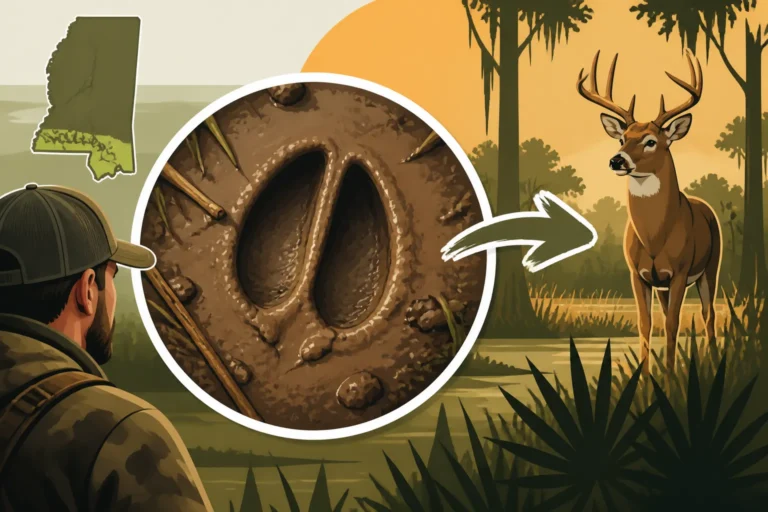
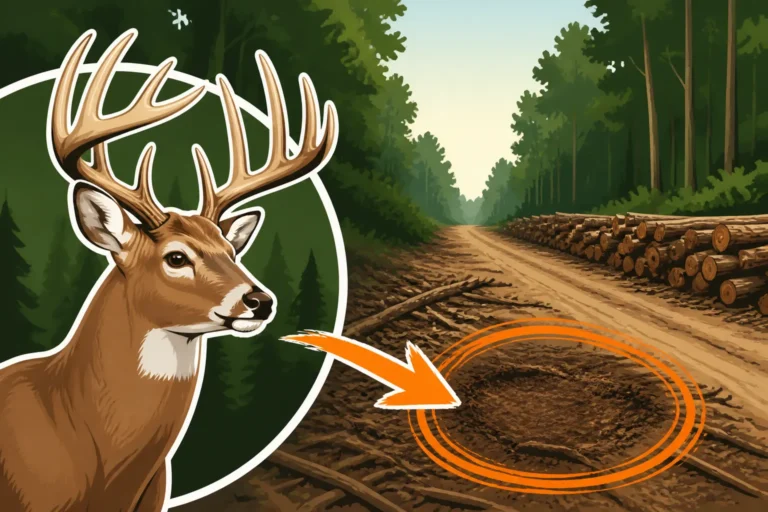
- Reading Sign: Look for tracks in mud or sand, scat, rub trees (especially for raccoons), dens, and worn trails. For aquatic animals, look for beaver chews, slides, and otter scat piles along creek banks. These signs tell you where animals are active. Using a good mapping app like GoHunt during your scouting trips allows you to mark these findings and develop a plan. Pay attention to pinch points – areas where natural features funnel animal movement, like narrow strips of timber between fields or tight bends in a creek.
- Habitat Analysis: Different species prefer different habitats. Coyotes and foxes might frequent the edges of agricultural fields, pine plantations, and open woodlands. Bobcats prefer thicker cover, hardwood bottomlands, and areas with plenty of small prey. Raccoons, opossums, beaver, and otter are almost always found near water sources – creeks, rivers, ponds, and sloughs. Consider the abundant Squirrel and Small Game Hunting in Mississippi as well, since these often lead to predator sign.
- Public vs. Private Land: Mississippi offers excellent opportunities on both. If you're on public land, especially a WMA or National Forest, be sure to understand the specific rules for that area. Scouting Mississippi Public Land Before Season is an absolute must, as pressure can change animal movement. If you're trapping private land, always ensure you have explicit landowner permission. GoHunt can help you identify property lines, but nothing beats a direct conversation with the landowner. Consider the Mississippi River Batture Public Access for unique trapping opportunities, but be aware of fluctuating water levels.
Effective Set Construction for Mississippi Furbearers
Once you’ve identified a promising location, the way you construct your trap set is critical. It needs to be appealing to the animal and nearly invisible to everything else.
- Dirt Hole Sets: These are classics for canines (coyotes, foxes) and bobcats. Dig a small hole (often at an angle) a few inches deep, resembling a den or a place where an animal has buried food. Place your lure and bait at the back of the hole. Your trap is then carefully bedded a few inches in front of the hole, level with the surrounding ground, and meticulously camouflaged. The animal is drawn to the hole and steps on the trap.
- Flat Sets and Scent Post Sets: These work well for coyotes and bobcats, especially when they're wary of digging. A flat set involves placing lure/bait directly on the ground (often on a natural object like a log) with the trap bedded nearby. Scent post sets mimic a territorial marking post, with lure applied to a visually prominent object (like a clump of grass or a stump) and the trap placed strategically.
- Pocket Sets for Raccoons: Along a creek bank or ditch, dig a pocket into the bank below the waterline. Place a juicy bait (fish, cat food) in the back of the pocket, and set a foothold trap or a specialized DP trap at the entrance. Raccoons, with their dexterous paws, will reach in for the bait and get caught.
- Water Sets for Beaver and Otter: These often involve body-gripping traps placed in narrow channels, dam breaks, or where animals slide into the water. For footholds, castor mound sets (where you build a small mound near the water's edge and apply beaver castor lure) can be very effective, often incorporating a drowning system.
- Consider the Weather: Mississippi weather can be unpredictable. Heavy rains can wash away your scent, flood sets, or trigger traps prematurely. Cold fronts might increase animal movement, while warm spells can make them sluggish. Factor these conditions into your set placement and trap choice. Using a ground blind on Using a Ground Blind on Mississippi Public Land might not be directly related to trapping, but the principle of blending in and adapting to the environment is shared.
Scent Control and Trap Maintenance
The nose knows, especially in the wild. Animals, particularly canines, have an incredible sense of smell, and human scent can be a major deterrent.
- Minimizing Human Scent: This is non-negotiable. Always wear clean gloves when handling traps, baits, and lures. Avoid smoking or getting vehicle exhaust on your equipment. Some trappers even wash and wax their traps to remove rust and human odor, giving them a protective, scent-neutral coating. Keep your tools clean and separate from your daily-use items.
- Trap Preparation: New traps need to be degreased and then dyed or aged to blend into the environment and remove any factory smells. Boiling in logwood dye or simmering in a mixture of bark and leaves are common methods. Many trappers then wax their traps, which protects them from rust and helps them fire smoothly, especially in wet conditions.
- Regular Checks: As mentioned, Mississippi law requires traps to be checked frequently (every 36 hours). This isn’t just for legality; it’s about trap integrity and animal welfare. A trap that has sprung prematurely, filled with mud, or has caught a non-target animal needs immediate attention. Regular checks allow you to reset effective traps, make adjustments to unproductive ones, and humanely handle any catches.
Processing Your Catch and Maximizing Value
Once you've made a catch, the job isn't over. The way you handle the animal after the catch significantly impacts the value of the pelt and reflects your ethical commitment as a trapper.
Field Care and Skinning Techniques
Proper field care starts immediately after dispatch. The goal is to preserve the quality of the fur and meat (if applicable).
- Humane Dispatch: Ensure the animal is dispatched quickly and humanely. A swift, clean shot to the head with a .22 is standard practice.
- Keeping it Clean and Cool: Once dispatched, try to keep the animal’s fur as clean as possible. Avoid dragging it through mud or blood if you can help it. Get it out of the sun and into a cooler environment as quickly as possible. Heat is the enemy of fur and meat quality.
- Skinning: There are generally two main methods for skinning furbearers:
- Cased Skinning: This is the most common method for furbearers like raccoons, coyotes, bobcats, fox, and opossums. You make incisions from the hind legs to the vent, and then pull the hide off inside-out, much like pulling off a sock. The hide forms a "case," keeping the fur on the outside. This method is preferred for ease of drying and market presentation for most wild furbearers.
- Open Skinning: This method, where the animal is cut open down the belly and laid flat, is typically used for larger animals like bears or certain deer hides, which are not usually a trapping target but are sometimes caught as non-targets in larger sets. If you accidentally catch a deer, you must report it to the MDWFP. Be aware of Mississippi's Chronic Wasting Disease Zones and their carcass movement restrictions if you're in one of those areas, even for non-target animals that might be field dressed.
Fleshing, Drying, and Storing Pelts
After skinning, preparing the pelt for sale or personal use requires several crucial steps to ensure it lasts and fetches a good price.
- Fleshing: This is the process of removing all fat, muscle tissue, and membrane from the hide. It’s physically demanding but absolutely essential. Any fat left on the hide will cause the fur to "slip" (the hair will fall out) or spoil over time. A fleshing beam and a specialized fleshing knife are the best tools for this job. You lay the hide over the beam and carefully scrape away all the underlying tissue.
- Stretching and Drying: Once fleshed, the pelt needs to be stretched and dried. This is done on wooden or wire stretchers, often called "boards." Each species has a specific shape and size of board that helps to present the pelt in the most appealing way for buyers. The pelt is pulled taut, fur-side out (for most species), and pinned or stapled into place. It then needs to dry in a cool, dry, well-ventilated area, away from direct sunlight or heat, which can damage the fur. Drying typically takes several days to a week or more, depending on humidity and pelt thickness. Proper drying is critical to prevent spoilage and ensure the pelt maintains its shape.
- Storage: Once fully dry, pelts should be stored in a cool, dark, and pest-free environment. Hanging them in breathable bags can protect them from dust and insects. Avoid plastic bags, which can trap moisture and lead to spoilage.
Marketing Your Furs and Ethical Considerations
The fur market can be unpredictable, driven by fashion trends, international demand, and economic factors.
- Selling Your Furs: Many trappers sell their pelts to local fur buyers who travel through the state, or through larger fur auctions or online markets. Prices fluctuate greatly year to year, and some years might see high demand for certain furs (like bobcat or raccoon), while others are low. Knowing your species and presenting a well-prepared pelt will always get you the best possible price. The value derived from a trapline contributes to offsetting the costs of gear, licenses (like your Mississippi Resident Sportsman's License Cost), and time spent afield.
- Ethical Trapping: Beyond regulations, ethical trapping means respecting the animals, minimizing suffering, and understanding your role in wildlife management. Trapping plays a vital role in managing furbearer populations, preventing damage to property (especially from beavers and raccoons), and helping control predator numbers where needed. Responsible trappers are stewards of the land and its wildlife. It's about more than just the catch; it's about the entire process, from setting a clean line to preparing a quality pelt.
Disclaimer
Please note that hunting and trapping regulations in Mississippi can change. This guide provides general information and best practices. Always consult the most current Mississippi Department of Wildlife, Fisheries, and Parks (MDWFP) official regulations and advisories before engaging in any hunting or trapping activities. It is your responsibility to know and follow all applicable laws.