Rabbit and Upland Hunting in Mississippi
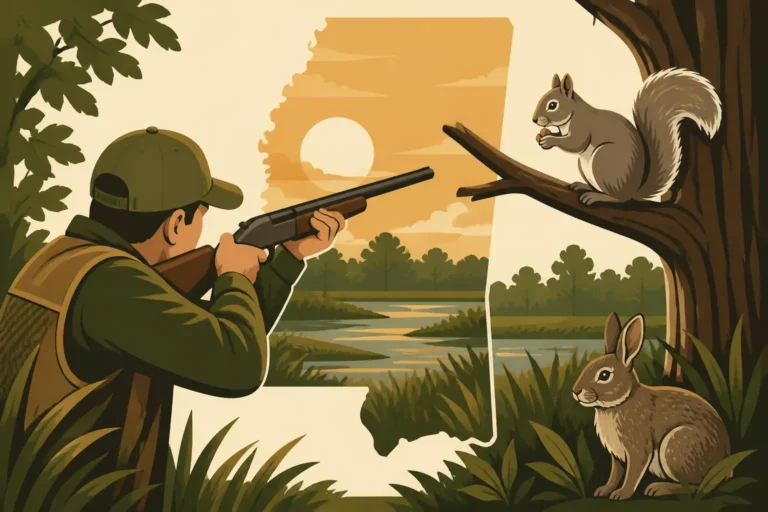
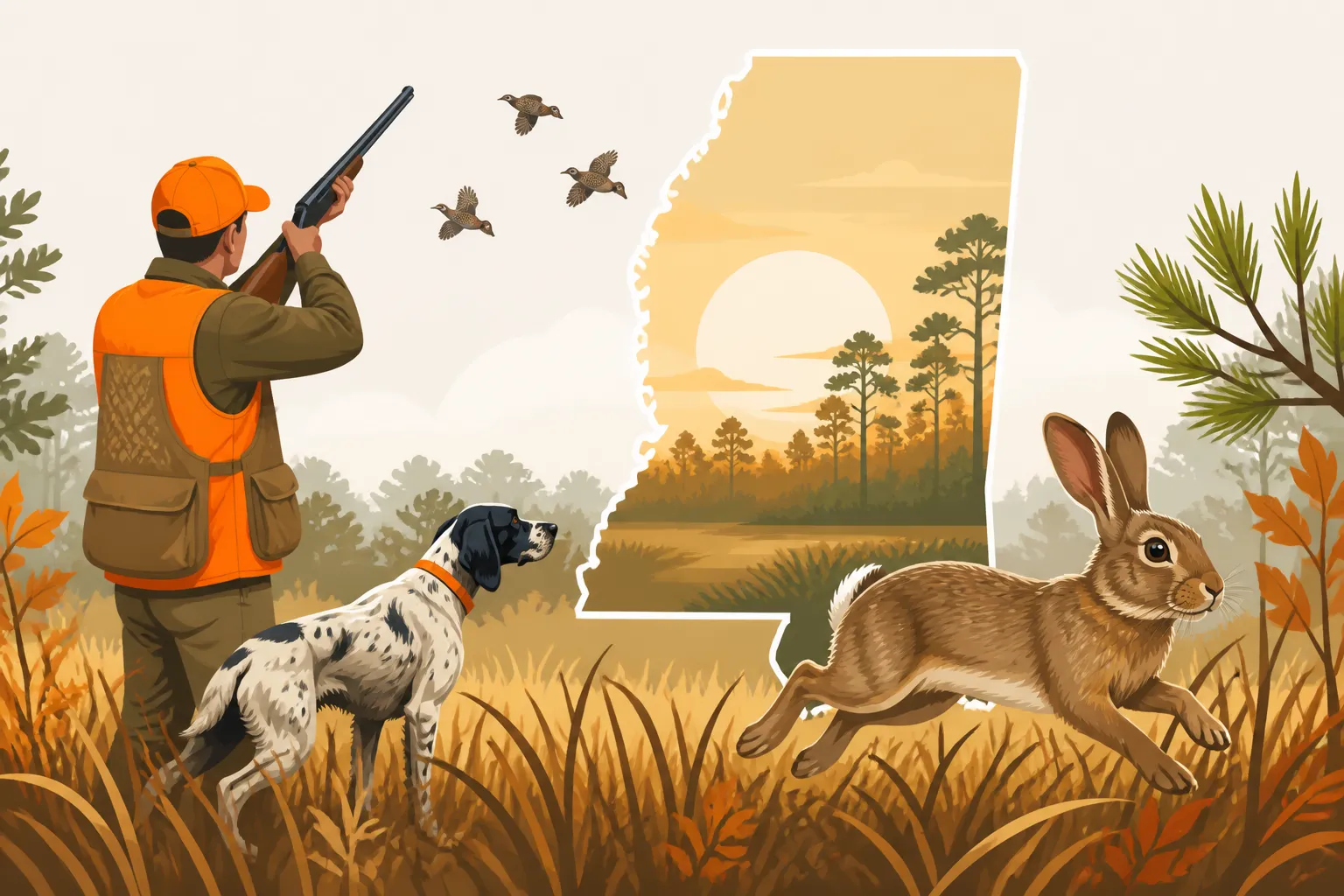
There’s a unique charm to small game and upland hunting in Mississippi, a tradition that often gets overshadowed by the pursuit of big deer and gobbling turkeys. Many folks, especially newer hunters or those visiting from out of state, might not even realize the incredible opportunities we have here for rabbits, quail, woodcock, and snipe. This guide is dedicated to bringing that joy back, walking you through everything you need to know to experience the fast-paced action and rich heritage of rabbit and upland bird hunting across our Magnolia State.
The Enduring Appeal of Rabbit Hunting in Mississippi
There’s just something timeless about chasing rabbits. It’s a hunt steeped in tradition, often passed down through generations, and it offers a level of excitement and camaraderie that’s hard to beat. While deer and turkey hunting demand patience and stealth, rabbit hunting is a dynamic, active pursuit that gets your heart pumping and puts a smile on everyone's face.
Why Rabbit Hunting is More Than Just a Pastime
For many of us, rabbit hunting isn't just about putting meat in the freezer – though a good rabbit stew or fried rabbit is certainly a fantastic bonus! It's an accessible sport, requiring less specialized gear and less extensive scouting than big game. This makes it a perfect entry point for new hunters, including kids and grand-kids who might otherwise get bored sitting silently in a deer stand. Imagine the crackle of dry leaves underfoot, the excited yelp of a beagle hitting a fresh track, and the sudden burst of a cottontail from a briar patch – it’s pure, unadulterated hunting fun. It teaches crucial skills like quick target acquisition, safe gun handling in dynamic situations, and understanding animal behavior in thick cover. Plus, it's a social affair; a group of friends or family, a pack of barking dogs, and the shared excitement of the chase creates memories that last a lifetime.
Moreover, rabbit hunting allows you to explore parts of the landscape you might otherwise ignore. You're not just looking for massive timber or sprawling food plots; you're seeking out the tangled messes, the overgrown edges, and the places where nature gets a little wild and unruly. These are often areas that provide vital cover for all kinds of wildlife, and rabbit hunting gives you an excuse to get right in there and experience them up close. It reconnects you with a simpler, more fundamental style of hunting that emphasizes cooperation, keen observation, and the thrill of the chase.
Prime Habitats for Mississippi Cottontails and Swamp Rabbits
Mississippi is blessed with a diverse landscape, and that means plenty of habitat for both Eastern cottontails and the larger swamp rabbits. Cottontails tend to favor brushy fields, fencerows, cutovers, and the edges of timber, basically anywhere they can find a quick dash to thick cover. You'll often find them lurking in blackberry brambles, honeysuckle tangles, or beneath fallen trees, especially along the borders of agricultural fields or clear-cuts. When you're out Rabbit Hunting Thick Mississippi Brush, keep an eye out for these dense, impenetrable spots – the thicker it looks, the more likely a rabbit is holed up inside.
Swamp rabbits, as their name suggests, prefer wetter, more swampy areas. Think creek bottoms, sloughs, dense river cane thickets, and low-lying bottomland hardwoods, particularly those prone to flooding. They’re built for these environments, often larger and darker than cottontails, and can swim quite well. Whether you're hunting in the Delta's vast bottomlands or the hilly, water-filled draws of central Mississippi, understanding these subtle habitat differences is key. A good way to scout these areas, even before the season opens, is by using satellite imagery from tools like GoHunt or the MDWFP app to identify likely cover pockets and transition zones. Look for those dark green lines of thick growth along creeks or the tell-tale lighter green of young timber regeneration after a clear-cut.
Essential Gear for a Successful Rabbit Hunt
One of the beauties of rabbit hunting is its relatively low barrier to entry when it comes to gear. You don't need expensive optics or specialized camo patterns, but a few key items will make your hunt much more enjoyable and effective. First and foremost, a reliable shotgun is essential. Many hunters opt for a 12 or 20-gauge, but a 16-gauge or even a .410 can be plenty effective at close range. The key is an open choke, like an Improved Cylinder or even a Skeet choke, because most rabbit shots are quick and close. As for ammunition, standard field loads with #6 or #7 ½ shot are typically perfect for rabbits. You want good shot density without over-penetrating the small target.
Beyond the gun, protection from the elements and the brush is paramount. Briar-resistant pants or chaps are an absolute must in Mississippi's thick cover; otherwise, you'll be riddled with scratches and thorns by the end of the day. A sturdy pair of waterproof boots is crucial for navigating damp fields, creek crossings, and muddy patches. A good hunting vest with a game pouch on the back is also highly recommended, providing quick access to shells and a convenient way to carry your harvested rabbits. If you’re hunting with dogs, don't forget their essential gear: GPS collars, bells, and plenty of water for them.
Mastering Tactics for Mississippi Rabbits
Rabbit hunting is an active sport, whether you're working a pack of beagles or busting brush with a few buddies. Understanding the different tactics will allow you to adapt to various habitats and hunting styles, ensuring a productive and fun day afield.
The Art of Running Beagles for Rabbits
For many, the quintessential Mississippi rabbit hunt involves a pack of beagles. There’s truly nothing like it – the excited yelps as they hit a fresh track, the distinct music of a full-throttle chase, and the thrill of trying to intercept a rabbit that’s circling back to its home turf. Good beagles are born with a strong scenting ability and an instinct to follow a rabbit’s track, pushing it from cover. When the dogs hit a track, they'll "chop" or "bark" as they follow the scent. As the rabbit gets ahead, the barks might become more spread out; as they close the distance, it turns into a rapid, continuous bay.
The key to successfully Running Beagles on Mississippi Cottontails isn't just having dogs; it's understanding how rabbits behave when chased. Rabbits, especially cottontails, tend to run in circles or wide loops, eventually returning to the general area where they were jumped. This is where the hunters come in. Once the chase is on, hunters strategically position themselves along likely escape routes or where the rabbit is expected to complete its circle. You'll need to listen intently to the dogs, judging the speed and direction of the chase, and be ready for a quick shot when the rabbit breaks cover. It’s a team effort between the dogs and the hunters, demanding keen ears, quick reflexes, and a deep appreciation for the pure joy of the chase.
Still-Hunting and Kicking Brush for Rabbits
While dogs add an undeniable element of excitement, you absolutely don't need them to have a successful rabbit hunt in Mississippi. Still-hunting and systematically kicking brush are highly effective tactics, especially for solo hunters or small groups. This method is all about moving slowly and deliberately through prime rabbit habitat, forcing rabbits to flush. When still-hunting, pay close attention to thick cover like briar patches, honeysuckle, downed trees, and fencerows. Walk slowly, pausing frequently, and scrutinizing every clump of vegetation. Rabbits will often sit tight, relying on their camouflage, so you need to be observant.
When you find a promising patch of cover, such as Rabbit Hunting Mississippi Fencerows that are overgrown and dense, a more active approach is needed. This is where "kicking brush" comes in. One or two hunters can methodically work through the cover, literally kicking and stomping the vegetation to roust out hidden rabbits. The other hunters should position themselves slightly ahead and to the sides, ready for a shot. It's often surprising how close a rabbit will let you get before it bolts. This method requires coordination, clear communication, and a strong awareness of your fellow hunters' positions for safety. Be ready to shoot quickly and safely as rabbits explode from cover, often zig-zagging to evade capture.
Key Times and Weather Conditions
Just like with deer and other game, rabbits are influenced by time of day and weather. The best times to hunt rabbits are generally during the early morning hours, right after sunrise, and in the late afternoon, leading up to sunset. During these periods, rabbits are more active, moving between feeding areas and their bedding cover. However, they can be found throughout the day, especially if the weather is overcast or mild.
Weather plays a significant role in rabbit activity. A crisp, clear day after a cold front has pushed through can be fantastic. The colder temperatures often make rabbits more eager to move and feed, and the firm ground can sometimes help dogs track better. Conversely, heavy rain can put a damper on the hunt, as rabbits will often hole up. However, a light drizzle or a day with consistent, gentle precipitation can sometimes improve scenting conditions for dogs. Pay attention to frost, too; a hard frost can flatten vegetation, making it easier for rabbits to be spotted and for hunters to navigate. The key is to be out there when rabbits are most likely to be moving, which often means being comfortable in slightly cooler, post-weather conditions.
Exploring Upland Bird Opportunities in Mississippi
While rabbits are a mainstay of small game hunting, Mississippi also offers exciting, albeit often challenging, opportunities for upland birds. From the iconic bobwhite quail to the elusive woodcock and snipe, these birds provide a thrilling wing-shooting experience for those willing to seek them out.
The Challenging Pursuit of Bobwhite Quail
Ah, the bobwhite quail. For generations, the whirring flush of a quail covey was the sound of fall in the South. Today, unfortunately, their numbers are significantly diminished across much of the state due to habitat loss and changes in land use. This makes Mississippi's Historic Quail Decline a poignant topic for many hunters and conservationists. However, all hope is not lost. Dedicated efforts by the MDWFP and private landowners are slowly bringing quail back to managed properties, particularly in areas with specific habitat management plans focusing on early successional habitats like native warm-season grasses and thinned pine plantations.
Hunting wild bobwhite quail in Mississippi is a true challenge and often requires access to well-managed private land. These birds thrive in open pine woodlands with a grassy understory, brushy field borders, and edges where agricultural fields meet timber. They prefer areas with a mosaic of cover, food, and nesting sites, allowing them to evade predators and find ample forage. When you do find a covey, the flush is explosive and often bewildering, testing even the most seasoned wing-shooter. It’s a hunt that demands good dog work, keen eyes, and quick reflexes, and the reward of a successful hunt is immense, a testament to conservation efforts and the enduring spirit of these magnificent birds.
Woodcock: The Timberdoodle Challenge
The American woodcock, affectionately known as the "timberdoodle," is a migratory upland bird that offers a unique hunting experience in Mississippi. These fascinating birds aren't native year-round residents; they migrate through and winter in our state, typically arriving from late October through December and staying until late winter or early spring. They are masters of camouflage, blending seamlessly into the leaf litter of their preferred habitat. Woodcock favor young, moist woodlands, particularly those with dense, shrubby understories, alder thickets, and damp creek bottoms. They're often found where the soil is soft, allowing them to probe for earthworms, their primary food source.
Hunting woodcock requires patience, a good flushing dog, and a willingness to push through thick cover. They'll hold incredibly tight, often flushing vertically like a helicopter before leveling off into an erratic flight path through the timber. The shot opportunities are fleeting and often obstructed, making it a true test of wing-shooting skill. Knowing When Woodcock Migrate Through Mississippi is crucial for planning your hunt; targeting them during the peak of migration can lead to some truly memorable days in the field, often in places that look unassuming at first glance. These birds are a fantastic bonus for hunters in the bottomland hardwoods and damp piney woods areas of Mississippi.
Snipe Hunting: A Unique Wing-Shooting Experience
Often overlooked, the common snipe offers another exciting upland bird hunting opportunity in Mississippi. Like woodcock, snipe are migratory shorebirds that winter in our state, typically found in wet, open habitats. Think flooded pastures, marshy fields, shallow edges of ponds, and mudflats near agricultural areas. They blend in remarkably well with their surroundings, but when flushed, their flight is swift and incredibly erratic, often described as a "zig-zag" pattern. This makes them a challenging target for even the most experienced shotgunners.
Snipe hunting is often a solitary or small-group affair, as you'll typically walk slowly through their preferred marshy habitat, flushing birds one by one. There’s no need for pointing dogs here, though a good retriever can be invaluable for finding downed birds in thick, wet cover. The thrill comes from the sudden explosion of a bird from underfoot and the demanding shot it presents. While they may be small, a bag of snipe offers delicious table fare, and the unique experience of hunting them provides a different kind of wing-shooting challenge that can extend your season beyond the more popular game birds. Look for them in areas that have recently experienced heavy rains or near irrigation pivots in farm country.
Upland Bird Hunting Tactics and Gear
Upland bird hunting is a distinct discipline from chasing rabbits, demanding different tactics and often a more specialized approach to gear. Whether you're after quail, woodcock, or snipe, being prepared for their unique behaviors is key to success.
Strategies for Quail Hunting
Successful quail hunting in Mississippi almost always involves dogs, specifically pointing breeds like English pointers, setters, or Brittanys. These dogs are trained to scent a covey, then "point" or freeze, indicating the birds' location. The anticipation as you walk in behind a staunchly pointing dog is electrifying. Once the hunter approaches, the covey typically explodes into the air, scattering in all directions. This chaotic flush is the moment of truth, requiring a rapid, instinctive shot. Hunters often walk in a line, covering the ground systematically, while dogs work ahead to locate scent.
After the initial covey rise, the birds will fly a short distance and then drop back into cover, becoming "singles." This is where the real dog work shines, as the pointer can then be commanded to search for individual birds, often resulting in more deliberate, single-bird flushes. For an effective quail hunt, you need to cover a lot of ground, especially on large, managed properties. This means being in good physical shape, dressing in layers, and having comfortable, sturdy boots. Shot placement is crucial, as quail are small and quick, and you'll typically be using lighter loads with more open chokes to maximize your chances of connecting with the fast-moving targets.
Effective Woodcock and Snipe Methods
Hunting woodcock and snipe differs significantly from quail. For woodcock, flushing dogs like spaniels (Cocker, Springer) or even versatile breeds can be highly effective. Woodcock typically hold very tight, allowing dogs to get close before they flush. The tactic involves walking slowly through their preferred moist, brushy cover, letting the dogs work the thickets. When a woodcock flushes, it’s usually a close-range shot, often within 15-25 yards, and the birds dart and weave through the trees. Patience is key, as you might walk quite a distance between flushes, but the sudden action makes it all worthwhile.
Snipe hunting, on the other hand, is generally done by simply walking up birds. As mentioned, snipe prefer open, wet areas, so you'll be slowly wading or walking through shallow water and dense grasses. A dog isn't strictly necessary for flushing, but a good retriever can be invaluable for locating downed birds in soggy cover. The snipe's erratic flight pattern demands quick target acquisition and a smooth swing. Many hunters find that a more open choke, like cylinder or skeet, gives them the best chance at connecting with these challenging flyers. Both woodcock and snipe offer fantastic opportunities for wing-shooting practice and can often be found in overlooked corners of the landscape.
Shotguns, Loads, and Other Essential Upland Gear
For upland birds, lighter, faster-swinging shotguns are often preferred. Many experienced upland hunters opt for 20-gauge, 28-gauge, or even .410 shotguns due to their lighter weight and nimble feel. These gauges, when paired with appropriate loads, are perfectly effective for the smaller body mass of quail, woodcock, and snipe. Open chokes – like Improved Cylinder, Skeet, or even Cylinder – are generally recommended, as most shots occur at close range. For ammunition, game loads with #7.5 or #8 shot are standard. You want a dense pattern at close distances to ensure a clean kill without excessive pellet energy.
Beyond the firearm, comfort and protection are paramount. A good pair of comfortable, waterproof upland boots is non-negotiable, as you'll be covering miles over varied terrain, often through damp or rough conditions. Upland vests are designed with large front pockets for shells and a roomy game pouch in the back for birds. Blaze orange is often a safety requirement, especially on public lands during deer season, so a blaze orange hat or vest is a smart addition. If you're hunting with dogs, GPS dog collars are an excellent investment, allowing you to track your canine partners in dense cover and ensure their safety. Many dog handlers also put bells on their dogs to know their general location and when they go on point, even if out of sight.
Regulations and Public Land Access for Small Game
Before you head afield, understanding Mississippi’s hunting regulations and knowing where you can legally hunt is just as important as your gear and tactics. The Mississippi Department of Wildlife, Fisheries, and Parks (MDWFP) sets the rules, and it’s every hunter's responsibility to know them.
Understanding Mississippi Small Game Seasons and Bag Limits
Mississippi offers generous seasons for small game, giving hunters ample opportunity to pursue rabbits and upland birds. Rabbit season typically runs from late fall through late winter, often aligning with a good portion of the deer season, allowing for some mixed-bag days afield. The daily bag limit for rabbits is generally quite liberal, often around 8 per hunter, with a possession limit of 16. It's important to check the current Mississippi Squirrel and Rabbit Season Rules each year on the MDWFP website or in their annual hunting guide, as dates and limits can occasionally shift.
Quail season often opens later in the fall and runs for a shorter duration, reflecting the lower population numbers. The daily bag limit for quail is usually 8, with a possession limit of 16. For migratory upland birds like woodcock and snipe, their seasons are typically set within federal frameworks and also open in the fall, extending through winter. The daily bag limit for woodcock is usually 3, with a possession limit of 9, while snipe typically have a daily bag limit of 8 and a possession limit of 24. Always remember that for migratory birds, federal regulations also apply, and a HIP (Harvest Information Program) certification is required in addition to your state license.
Licensing Requirements for Small Game and Upland Birds
To hunt rabbits and upland birds in Mississippi, you’ll need the appropriate hunting license. For Mississippi residents, a Resident Sportsman's License is generally the most comprehensive option, covering all game animals, including deer, turkey, small game, and even freshwater fishing. If you're primarily focused on small game, there are sometimes less expensive small game-only licenses available, but the Sportsman's License offers the most flexibility. For non-residents, options vary, but a Nonresident All-Game License or a Nonresident Seven-Day All-Game License would typically cover small game hunting.
In addition to your general hunting license, if you plan to hunt woodcock or snipe (or any other migratory game birds like doves or ducks), you must also obtain a free HIP (Harvest Information Program) certification. This information helps wildlife agencies monitor harvest data for migratory species. All licenses and permits can be easily purchased online through the MDWFP website or app, or from authorized license retailers across the state. It’s always a good idea to confirm your specific licensing needs before heading out, as fees and requirements can change. You can find more detailed information on Mississippi Hunting Licenses and What They Cost directly from the MDWFP.
Finding Public Land Opportunities
While much of Mississippi's small game hunting occurs on private land, there are still excellent opportunities on public hunting lands, if you know where to look. The state boasts numerous Wildlife Management Areas (WMAs), National Forests (like Delta, Homochitto, and Bienville), and other public access areas that permit small game hunting. Using resources like the MDWFP's interactive mapping tool or a specialized hunting app like GoHunt can be incredibly helpful for identifying potential hunting grounds. GoHunt, for example, allows you to overlay property boundaries, identify habitat types, and even mark potential hotspots.
When scouting Public Hunting Land in Mississippi for rabbits and upland birds, focus on areas with varied cover – young timber, clear-cuts, creek bottoms with dense brush, and overgrown field edges. Delta National Forest, for instance, offers vast bottomland hardwoods with plenty of sloughs and thickets that can hold swamp rabbits and woodcock during migration. Homochitto National Forest and Bienville National Forest in the Piney Woods region can also provide good opportunities, particularly in areas where timber has been recently thinned or clear-cut, promoting new growth that small game loves. Remember to always check specific WMA regulations before you go, as some WMAs may have unique rules, special draw hunts, or designated youth-only small game hunting periods. Scouting Mississippi Public Land Before Season is always a smart move to locate these prime spots before opening day.
Preserving the Tradition and Future of Small Game Hunting
The future of rabbit and upland hunting in Mississippi, like all hunting, depends on responsible stewardship, conservation, and passing on our traditions to the next generation. It’s about more than just the harvest; it’s about ensuring these opportunities exist for years to come.
Habitat Restoration and Conservation Efforts
Habitat is the cornerstone of healthy wildlife populations, and this is especially true for small game and upland birds. The decline in bobwhite quail numbers, for instance, is directly linked to widespread habitat loss and degradation. Fortunately, the MDWFP, along with various conservation organizations and private landowners, is actively engaged in habitat restoration projects across the state. These efforts often focus on creating and maintaining early successional habitats – the brushy fields, native warm-season grass stands, and young forest clearings that small game and quail thrive in.
Tools like prescribed burning, selective timber thinning, and planting native forbs and grasses are all crucial components of these strategies. Hunters can contribute by supporting organizations like Quail Forever or the National Wild Turkey Federation, which often have programs aimed at habitat improvement. If you're a landowner, even a small tract can be managed for small game by allowing fencerows to grow thick, creating brush piles, or planting native vegetation beneficial to rabbits and quail. These proactive steps are vital for reversing negative trends and ensuring a robust future for Mississippi's small game.
Introducing New Hunters to Small Game
One of the most powerful ways to preserve the tradition of small game hunting is by introducing new participants, especially youth. Rabbit and upland hunting are ideal entry points into the hunting world. They typically involve less specialized equipment, more continuous action than deer hunting, and offer plenty of opportunities for mentorship and hands-on learning. The social aspect of a rabbit hunt with dogs, or the excitement of a quail covey rise, can be incredibly engaging for young hunters. These hunts teach fundamental skills like gun safety, target acquisition, animal identification, and tracking, all while fostering a love for the outdoors.
Many states offer specific youth hunting weekends for small game, providing a less pressured environment for learning. Mississippi also has Mississippi Hunter Education Requirements for new hunters, and participating in these programs is a great first step. Taking a young person out for their first rabbit hunt, patiently explaining the nuances of dog work or brush-busting, and celebrating their successes, no matter how small, instills a passion that can last a lifetime. It’s our responsibility as seasoned hunters to share our knowledge and create positive, memorable experiences for the next generation.
Responsible Hunting Practices and Ethics
Being a responsible and ethical hunter goes far beyond simply following the law. It encompasses a broader respect for the land, the animals, and your fellow outdoorsmen. Always obtain explicit permission before hunting on private land, and respect landowners’ wishes by closing gates, avoiding property damage, and leaving the area cleaner than you found it. If you're hunting with dogs, ensure they are well-trained, under control, and don't trespass onto neighboring properties.
Safety is paramount, especially when hunting actively in thick cover. Always know your target and what's beyond it, maintain safe shooting lanes, and keep your firearm pointed in a safe direction. Proper game retrieval is also critical; make every effort to recover all downed game, ensuring a quick and humane end. Furthermore, adhere strictly to all bag limits and season dates for rabbit and other species. These regulations are in place to ensure sustainable populations for future generations. By upholding high ethical standards, we not only ensure the integrity of our sport but also gain the respect of non-hunters, securing the future of hunting in Mississippi.
Disclaimer
Please note that hunting regulations, seasons, and licensing requirements can change. Always consult the most current Mississippi Department of Wildlife, Fisheries, and Parks (MDWFP) official regulations and publications before planning any hunting trip. This guide is for informational purposes only and does not supersede official state laws.