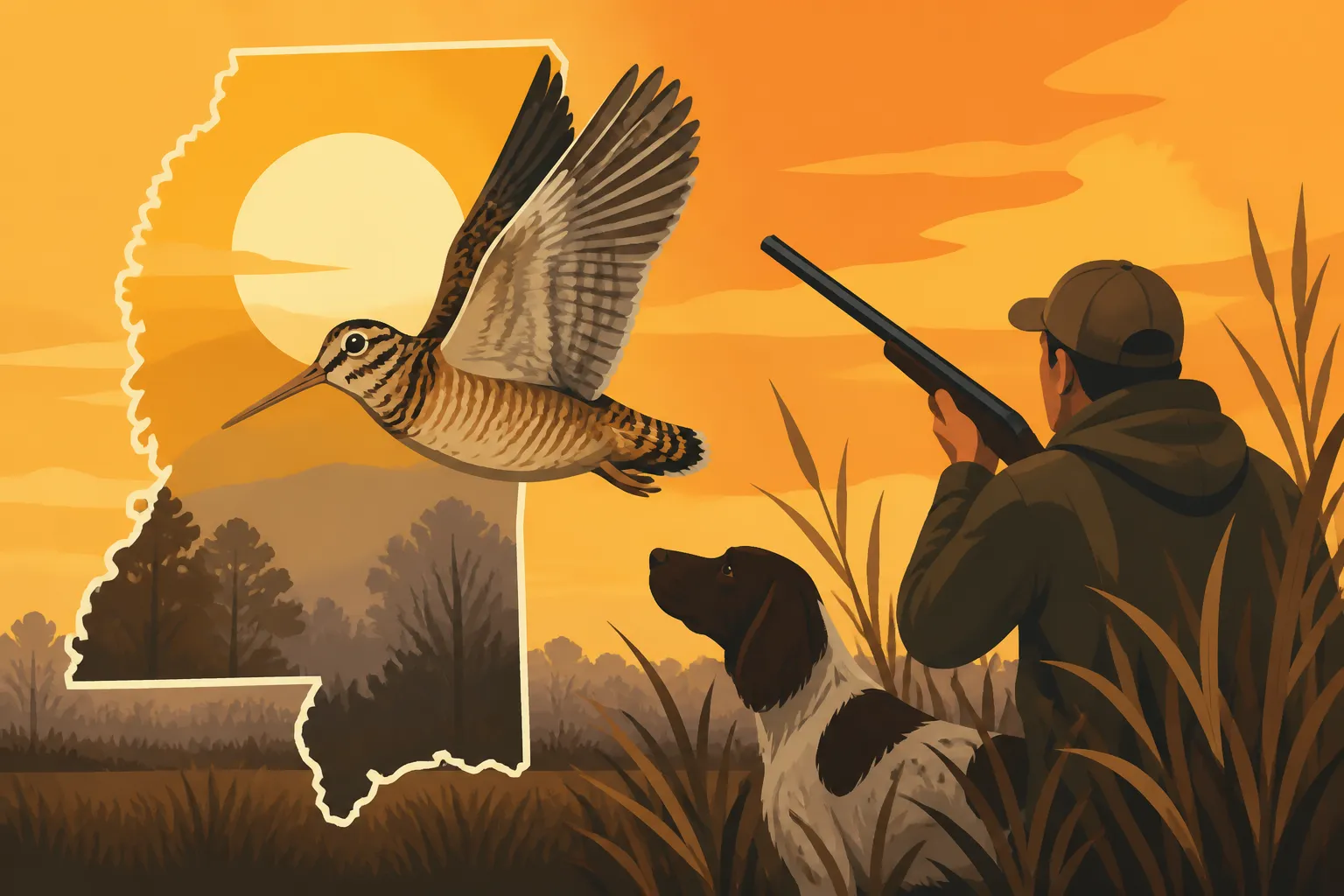
When Woodcock Migrate Through Mississippi
You've probably felt that itch, that blend of anticipation and uncertainty, as autumn starts to truly bite and the leaves begin to tumble. You know the woodcock, those quirky little timberdoodles, are somewhere on their migratory journey, but pinning down exactly when they’ll grace our Mississippi coverts can feel like trying to catch smoke. This guide is all about demystifying their seasonal travels, helping you understand the subtle cues and prime windows for finding these elusive birds in our beautiful state.
Understanding Woodcock Migration Patterns
The American Woodcock is a fascinating migratory bird, and its movements aren't just random acts of flying. There's a method to their madness, driven by ancient instincts and environmental shifts that dictate when they leave their northern breeding grounds and when they arrive in our southern wintering havens.
The North-South Flyway Connection
While we often talk about major waterfowl flyways, woodcock utilize their own, often less-understood, migratory routes. They're not soaring high like geese; instead, they're typically making shorter flights at night, low over the landscape, sticking to areas with suitable cover. This means they're following a broad north-to-south trajectory, filtering down through the central and eastern United States into states like Mississippi, Louisiana, and parts of Texas for the colder months. Our state sits in a sweet spot on this flyway, acting as both a temporary stopover for birds pushing further south and a winter home for many that decide to settle in. It's truly a spectacle when you consider the distances these small birds cover, all to escape freezing ground and find worms they can probe for.
Understanding this general flow helps us anticipate their arrival. Think of it less like a singular wave and more like a continuous trickle that intensifies as winter truly sets in up north. The first birds you might encounter are often just passing through, resting up before continuing their journey. Later arrivals, however, are often those looking to establish their winter territory, meaning they're more likely to stick around if the conditions are right. For many of us, the woodcock season becomes an exciting overlap with other small game opportunities, offering a unique challenge and a chance to enjoy the woods in a different way.
Key Environmental Triggers for Migration
Woodcock are incredibly sensitive to environmental changes, particularly those related to temperature and soil conditions. Their primary food source is earthworms, which become inaccessible when the ground freezes solid. This is the ultimate trigger for their southward exodus. As the mercury drops in the northern states and the frost begins to penetrate the soil, woodcock are compelled to move.
Beyond freezing temperatures, significant cold fronts, often accompanied by strong north winds, act like a strong current, pushing birds rapidly south. A major cold snap up in, say, Missouri or Illinois, can mean a fresh batch of woodcock landing in Mississippi a few days later. It's not just the temperature, though. The length of daylight also plays a role, signaling the biological imperative to begin their journey long before the first hard freeze. They're pre-programmed to head south as the days shorten, but the rate of their travel and specific arrival times are heavily influenced by the immediate weather conditions they encounter on their journey. Keep an eye on weather patterns north of us; a deep freeze up there often signals an influx down here.
Peak Migration Windows in Mississippi
Knowing the why behind their migration is one thing, but pinpointing the when is what truly helps us hunters. While specific dates can vary slightly year to year based on weather, there are definite windows when Mississippi experiences the heaviest woodcock traffic.
Early Arrivals and Scouting for Birds
The very first woodcock sightings in Mississippi typically begin in late October, sometimes even in mid-October if a strong cold front pushes through early. These are often the pioneers, the first wave testing the waters, or simply birds that started their journey earlier from the northernmost breeding grounds. For hunters eager to get out, this early window can be hit or miss. You might find a few scattered birds, but usually not in the numbers you'd see later in the season.
This early period is an excellent time for scouting. Rather than planning a full-blown hunt, consider it a reconnaissance mission. Look for classic woodcock habitat: young, regenerating clear-cuts with dense saplings, alder thickets along creek bottoms, or abandoned fields turning back into woods. These spots offer the soft, moist soil they need for probing and the dense overhead cover they prefer for roosting and escaping predators. You might flush a few birds or find their distinctive splash (droppings) on the ground, indicating their presence. This groundwork can pay dividends later when the main flight arrives. Don't be discouraged if you don't find droves of birds immediately; think of it as practice and getting familiar with potential holding areas. Mississippi Small Game Season Rules generally allow for this early scouting.
The Main Flight: Late Fall to Early Winter
The undeniable peak of the woodcock migration in Mississippi generally occurs from mid-November through December, often extending into early January. This is when the northern winter has truly settled in, forcing the bulk of the population south. During this period, particularly after a series of strong cold fronts, you can encounter significant numbers of birds. This is the sweet spot for hunters, offering the best chances for consistent flushes and productive hunts.
The arrival of these birds isn't a single event but a sustained movement. You might hunt a covert one week and find a handful of birds, and then a week later, after a significant weather change, it could be teeming with timberdoodles. This is why persistence and regular scouting are key. The birds are constantly moving, driven by weather, food availability, and hunting pressure. If you're planning a trip specifically for woodcock, aiming for the latter half of November or any time in December typically offers the most reliable action. It's a fantastic time to be in the woods, often overlapping with the later deer seasons or just before the duck season gets into full swing, providing a diverse hunting experience. You'll want to ensure you have your Mississippi Hunting Licenses and What They Cost squared away well in advance.
Factors Influencing Localized Woodcock Presence
Even within the broader migratory windows, local conditions can significantly impact whether woodcock decide to stop and stay in a particular area, or simply fly on through. Understanding these nuances can help you pinpoint the best hunting opportunities.
Weather Fronts and Their Impact
We've touched on how major cold fronts drive the migration, but their impact is also crucial at a local level. A sharp drop in temperature, especially if it leads to an overnight freeze, can push birds out of a marginal area almost overnight. Conversely, a period of mild, damp weather after a cold snap can make a covert incredibly attractive, as the ground thaws and earthworms become available again. Woodcock are constantly seeking that optimal balance of accessible food and suitable cover.
Consider a scenario where a cold front moves through northern Mississippi, sending birds cascading south. They might settle into a promising alder thicket in the Delta. But if another, even colder front pushes down a few days later, freezing the ground solid, those same birds will likely pick up and move further south towards the Gulf Coast. It's a dynamic situation, and successful woodcock hunters are often those who pay close attention to the short-term weather forecast, not just the long-range predictions. Rain can also play a positive role, softening dry ground and making it easier for woodcock to probe. Knowing the effects of Warm-Weather Sitting Strategy in Mississippi can sometimes translate into understanding how mild weather impacts woodcock movement as well.
Habitat as a Holding Ground
Woodcock aren't just looking for any place to land; they're looking for specific habitat. They need dense, early-successional cover for protection from predators and thermal regulation, combined with soft, moist soil rich in earthworms. This often means young pine plantations, regenerating clear-cuts (especially those 5-15 years old), alder and willow thickets along creek and river bottoms, and overgrown fields with sumac or sweetgum.
The quality and availability of this habitat will largely determine how long birds stay in an area. A sprawling, diverse parcel with various stages of regrowth and ample moisture is far more likely to hold birds consistently than a small, isolated patch. The Mississippi Delta, with its rich, alluvial soils and history of agricultural land reverting to timber, often provides prime wintering habitat. Similarly, creek drainages in the Hills Unit, particularly those with dense undergrowth, can be hotspots. Even a small, swampy area on public land like parts of Malmaison Wildlife Management Area or Pascagoula River Wildlife Management Area can be surprisingly productive. If the cover is too open, too dry, or too mature, woodcock will typically pass it by, seeking out more favorable conditions.
Using Technology to Track Migration
In this day and age, we have so many tools at our disposal that can help us stack the odds in our favor. While nothing beats boots on the ground, technology can certainly refine your approach to finding those migratory timberdoodles.
Apps and Online Resources for Hunters
Modern hunting apps and online platforms have revolutionized how we scout and plan our hunts, and woodcock hunting is no exception. Many hunters swear by mapping apps like GoHunt for identifying prime woodcock cover. These apps allow you to view satellite imagery, topo maps, and even timber harvest data, which can be invaluable for pinpointing those critical early-successional habitats where woodcock thrive. You can mark potential spots from your couch, then confirm them in the field.
Beyond mapping, there are migratory bird reports often shared by state wildlife agencies or national bird observatories. While not always woodcock-specific, general trends in songbird and waterfowl migration can offer clues about larger cold fronts pushing birds south. Look for resources that track fronts and temperatures across the country; these are your best indicators for when new flights might be arriving. Using digital tools helps refine your strategy, saving you time and shoe leather by focusing your efforts on the most promising areas. You might also use these tools when you are Scouting Mississippi Public Land Before Season.
Local Intel and Scouting Strategies
While technology is great, nothing truly replaces local knowledge and consistent scouting. Talking to other hunters, game wardens, or even foresters in your area can provide invaluable, real-time intel about woodcock movements. Did a friend just flush a bunch of birds down the road? Has the local WMA manager reported good numbers? This kind of on-the-ground information is gold.
Beyond gathering intel, regular, active scouting is paramount. Woodcock are ephemeral; they can be here today and gone tomorrow. Take frequent walks through potential coverts, even if you’re not planning a full hunt. Look for fresh splashes on the ground, probe for soft soil, and keep an ear open for the tell-tale whistle of their wings if you happen to flush one. Even just a short hike with your dog can turn into a productive scouting trip. The more eyes and ears you have on the ground, and the more you actively observe how local conditions are changing, the better your chances of intercepting these fascinating little migrants.
Here's a general guide for woodcock migration timing in Mississippi:
| Period | General Description | Woodcock Presence | Scouting/Hunting Strategy |
|---|---|---|---|
| Late October | First notable cold fronts, leaves begin to fall. | Scattered early arrivals. | Excellent for early scouting, identifying prime cover. Focus on areas north of traditional wintering grounds. Don't expect huge numbers, but you might find a few eager birds. Check for soft ground in creek bottoms. |
| Mid-November | Consistent cold fronts up north, significant leaf drop. | Increasing numbers, first main push. | Start actively hunting. Focus on classic dense, young cover. Pay attention to weather patterns from the north. This is when populations generally build. Look for areas with a mix of cover and open probing ground. |
| Late November – December | Peak of migration and wintering population. | Heaviest concentrations. | Prime hunting window. Expect consistent flushes, especially after strong cold fronts. Revisit productive spots regularly as birds move in and out. This is often the most rewarding time for dedicated woodcock hunters. |
| January | Wintering birds settled, some late migrants. | Good numbers, but can be pressured. | Continue hunting, especially in milder periods. Birds that have wintered over are often more wary. Focus on less-pressured areas. A severe freeze can push birds further south or concentrate them in specific, un-frozen areas. |
| February | Late winter, beginning of northward movement for some. | Declining numbers, returning birds possible late in month. | Hunt early in the month. Some birds may begin their northward journey if early warm spells occur. Focus on traditional wintering areas until the very end of the season. Listen for "peenting" in the evenings as some birds start courtship displays. |
Understanding these patterns and using both traditional scouting and modern tools will put you in a much better position to intercept those timberdoodles when they make their way through our great state. Don't forget your Mississippi HIP Certification for Bird Hunters before you head out!
Disclaimer
This article is for general informational purposes only and does not constitute professional advice. Laws, prices and regulations vary by location and change over time. Consult a qualified professional for guidance on your specific situation.