Lafayette County Public Hunting Access
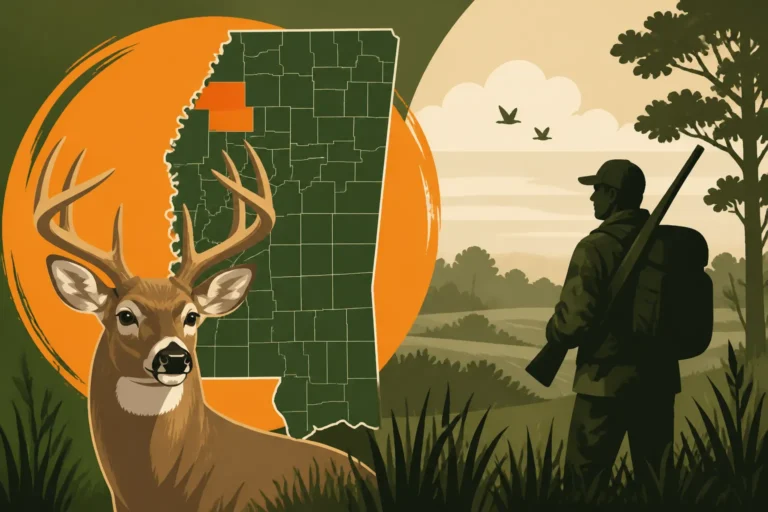
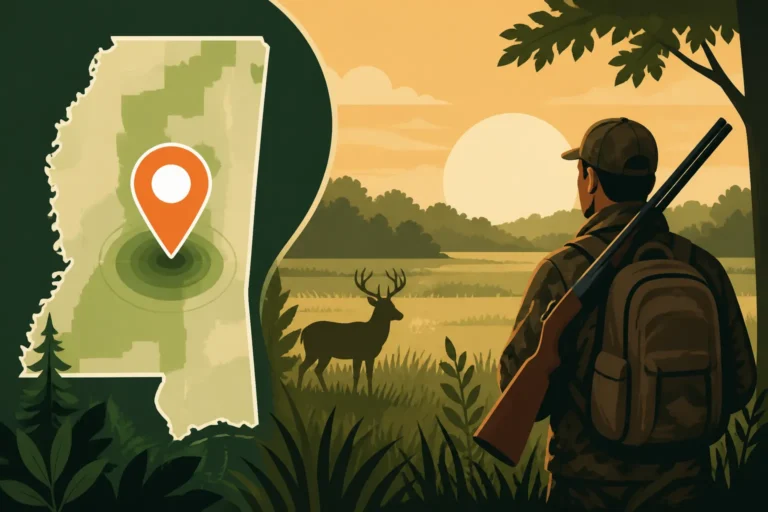
Trying to find solid public hunting ground in Mississippi, especially when you're focused on a specific area like Lafayette County, can feel like navigating a maze blindfolded. You hear whispers of big timber or promising bottomland, but actually figuring out where you can legally step foot with a firearm or bow, and what rules apply, is a whole different ballgame. It’s a challenge many of us face, wanting to experience the wild without the cost or commitment of private land. This guide is here to unravel those complexities, helping you discover and access the public hunting opportunities Lafayette County and its immediate surroundings have to offer, ensuring you spend less time searching and more time hunting.
Understanding Public Land Opportunities in Lafayette County
Lafayette County, nestled in the scenic North Central Hills of Mississippi, might not immediately scream "public land mecca" like some other regions of the state. However, that doesn't mean opportunities aren't there. You just need to know where to look and, more importantly, what to expect when you get there. Unlike the vast agricultural fields of the Delta or the dense swamps further south, Lafayette offers a unique blend of rolling hills, timber, and creeks that hold plenty of game for those willing to put in the effort.
National Forest Lands and Their Role
While Lafayette County itself doesn't host a major national forest boundary directly within its borders, it is perfectly positioned next to the Holly Springs National Forest. This is a critical piece of the puzzle for hunters looking for extensive public access in the area. Holly Springs National Forest spans several counties in North Mississippi, offering thousands upon thousands of acres of diverse habitat. This isn't your perfectly manicured private land; it's rugged, wild, and requires effort, but it's exactly what many public land enthusiasts are looking for.
Within Holly Springs, you'll find everything from mature hardwood stands in creek bottoms to pine plantations on hilltops. This varied terrain means different hunting strategies work best depending on where you are. Deer are abundant, turkeys roam the ridges, and small game like squirrels and rabbits thrive. It's truly a gem for the North Mississippi hunter, providing a vast playground that's relatively accessible from Lafayette County. Understanding the specific units and access points within Holly Springs National Forest will be key to your success here.
Wildlife Management Areas (WMAs) in the Vicinity
Closer to home, Lafayette County hunters have excellent access to Upper Sardis Wildlife Management Area (WMA). This WMA is a significant public hunting resource, managed by the Mississippi Department of Wildlife, Fisheries, and Parks (MDWFP). WMAs are specially managed areas designed to enhance wildlife populations and provide regulated public hunting opportunities. Upper Sardis WMA often features a mix of timber, fields, and wetlands, due to its proximity to Sardis Lake, creating diverse habitats that support a variety of game species.
Hunting on a WMA comes with specific regulations that can differ from statewide rules, so always be sure to check the current WMA regulations pamphlet or the MDWFP website before heading out. These regulations might include specific season dates, bag limits, weapon restrictions, or even quota hunt requirements for certain species or times of the year. For those in Lafayette County, Upper Sardis WMA is often the closest and most reliable bet for a quality public land experience, particularly for deer, turkey, and waterfowl in certain sections. How Mississippi WMAs Are Managed can give you a broader understanding of how these areas operate.
Smaller State or Local Hunting Areas
Beyond the major national forest and WMA offerings, Lafayette County and its immediate neighbors might also have smaller, less-advertised public access points. These could be local timber company lands open to the public through agreements, state-owned lands, or even utility rights-of-way that allow hunting. These smaller tracts often require more boots-on-the-ground scouting and local knowledge to uncover, but they can sometimes offer less pressured hunting because they fly under the radar.
It's always worth exploring local government resources or even asking at local bait shops and outdoor stores. Sometimes, a smaller, overlooked piece of property can offer surprising opportunities, especially for small game hunting. However, always verify legal hunting access for any non-MDWFP or National Forest land, as trespassing laws are strictly enforced in Mississippi. Don't assume access; always confirm it.
Navigating Access and Regulations
Stepping onto public land in Mississippi means more than just finding a patch of woods. It means understanding the intricate web of rules, regulations, and access points that govern how and where you can hunt. It can feel overwhelming, but with the right tools and a bit of diligence, you'll be navigating like a seasoned pro.
Essential Tools for Finding Public Access
Gone are the days when a paper map and a compass were your only guides. While still valuable, modern technology has revolutionized public land navigation. Digital mapping applications are absolutely invaluable for any public land hunter. Tools like onX Hunt and GoHunt provide detailed satellite imagery, property boundaries (including public vs. private), land ownership information, and even access roads and trails. These apps are a game-changer for scouting from your couch and then confirming your location in the field, ensuring you're always on legal hunting ground.
The MDWFP website and its mobile app are also crucial resources. They provide up-to-date regulations, WMA maps, and season dates. Before every hunt, especially on a WMA, it’s imperative to check the most current regulations for that specific area. Remember, rules can change from year to year, and what was legal last season might not be this season. Think of these tools as your hunting bible; they contain the knowledge you need to stay legal and safe. Scouting With the MDWFP App is a great way to learn how to maximize this resource.
Lafayette County Specific Rules and Considerations
When hunting in or around Lafayette County, you'll primarily be dealing with either statewide regulations (if hunting general open public lands, though these are rare) or, more likely, specific WMA regulations for places like Upper Sardis WMA, or federal regulations for Holly Springs National Forest. While Mississippi has general hunting license requirements and season dates, WMAs and National Forests often have their own additions. For instance, many WMAs have specific sign-in/sign-out procedures, special weapon restrictions, or even youth-only hunting days.
For safety, remember Mississippi's blaze orange requirements during gun seasons. Knowing How Much Blaze Orange Mississippi Requires is non-negotiable for ensuring you're visible and safe. Additionally, understanding the legal firearms for deer hunting is critical. Different areas might have different rules; for example, some WMAs might be shotgun or archery only during certain periods. Always assume you need to double-check rather than assuming you know.
Respecting Boundaries and Private Land
One of the biggest anxieties for public land hunters, especially in areas where public and private land intertwine like they do near Lafayette County, is inadvertently trespassing. This is where those digital mapping tools really shine. With onX Hunt or GoHunt, you can clearly see property lines, making it much easier to stay on public ground. Remember, a landowner's property can often be just a few steps off a public access road or trail.
Always be aware of your surroundings, both visually and via your GPS device. If you're unsure, err on the side of caution. Even if a deer runs onto private property, retrieving it requires explicit permission from the landowner, as outlined in Retrieving Game From Private Land in Mississippi. Respecting these boundaries isn't just about avoiding legal trouble; it's about maintaining a good reputation for all hunters and ensuring future access. A respectful hunter contributes to positive landowner relations and the overall health of hunting opportunities in the state.
Strategies for Successful Hunting on Lafayette Public Land
Public land hunting often demands a different mindset and approach than hunting on managed private land. Lafayette County's public areas, like Holly Springs National Forest and Upper Sardis WMA, are no exception. Success here comes down to preparation, persistence, and adapting to the unique challenges these lands present.
Scouting and Pre-Season Preparation
Effective scouting is the bedrock of successful public land hunting. This isn't just a leisurely walk in the woods; it's a dedicated search for sign, travel corridors, and potential stand locations. Before the season opens, dedicate time to exploring your chosen public area. Look for rubs, scrapes, tracks, and droppings. Identify natural funnels like creek bends, saddles between ridges, or pinch points where different timber types meet. These are often high-traffic areas for deer and other game.
Utilize those mapping apps like onX Hunt to identify potential bedding areas, food sources (oak flats, clear-cuts, old fields), and water. Look for overlooked pockets of cover or rough terrain that might hold less-pressured animals. Don't be afraid to walk a little farther than most hunters. Often, the best hunting lies just beyond where the majority of people are willing to venture. Scouting Mississippi Public Land Before Season is an excellent resource for developing a comprehensive scouting strategy.
Adapting Tactics for Pressure
One undeniable reality of public land hunting is pressure from other hunters. In areas easily accessible from Lafayette County, especially on opening weekends or peak rut, you're likely to encounter other sportsmen. The key is to adapt your tactics to find those deer or turkeys that have already been bumped or pushed around. This often means hunting deeper, slower, and smarter. Consider hunting during weekdays if possible, when pressure is typically lighter.
Instead of hunting easily accessible food sources that might be crowded, focus on transition areas between bedding and feeding, or dense cover that other hunters avoid. Still-hunting, moving slowly and deliberately through the woods, can be incredibly effective when animals are wary. Think about unusual entry and exit routes that minimize disturbance. Deer and turkeys learn quickly, and the hunter who adapts to their defensive behaviors often comes out on top. For deer, understanding Mississippi's Four Deer Management Units and how pressure affects them can be helpful.
Species-Specific Tips for Lafayette County
Lafayette County and its surrounding public lands offer diverse opportunities for various game. For white-tailed deer, focus on travel corridors along creek bottoms, ridge lines in the rolling hills, and edges of clear-cuts within Holly Springs National Forest. In Upper Sardis WMA, look for areas where timber meets open fields or near water sources. The deer in these areas can be wary, so scent control and quiet movement are paramount. Still-Hunting Hills Unit Ridges can provide valuable insights for terrain similar to Lafayette.
For wild turkeys, concentrate on roosting areas along creek bottoms or on high ridges within the National Forest in early spring. Scouting for fresh sign like droppings and tracks before the season is crucial. On WMAs, pay attention to field edges and open timber where gobblers might strut. Patience and effective calling are vital. Roost Hunting Mississippi Gobblers can help pinpoint where to start your spring turkey adventures.
Small game, particularly squirrels and rabbits, are abundant. For squirrels, target mature hardwood stands with plenty of oaks and hickories in both the National Forest and WMAs. Early morning is prime time. For rabbits, focus on thickets, fencerows, and brushy edges. Running beagles can be incredibly effective for rabbits, but check WMA rules regarding dog hunting. Squirrel Hunting Delta Bottomland Hardwoods provides a great overview of hunting habits that can be applied to similar habitats around Lafayette, even if it's not the Delta itself.
Common Challenges and How to Overcome Them
Hunting public land is an adventure, but it often comes with its own set of hurdles. From navigating crowds to accessing remote pockets, it pays to be prepared for the challenges specific to areas like Lafayette County.
Dealing with Crowds
Let's be honest, sometimes public land feels less like a wilderness and more like a public park, especially on opening days or during peak rut. The frustration of arriving at your carefully scouted spot only to find another truck already parked there is real. To mitigate this, consider hunting mid-week if your schedule allows. If not, focus on finding areas that require more effort to reach. The average hunter won't walk more than a mile or so from their vehicle. If you're willing to go two or three miles, you dramatically increase your chances of finding unpressured game and solitude.
Another tactic is to hunt small, overlooked pockets of public land that might be surrounded by private holdings. These areas often get less attention because they don't appear on big, obvious maps. Look for oddly shaped tracts or sections of WMA that are harder to get to. Sometimes, just a slight variation in your approach or a few extra minutes of walking can make all the difference. Finding Ground Others Walk Past is a concept worth embracing.
Accessing Remote Areas
The very nature of finding less-pressured game often means venturing into more remote areas, which presents its own set of challenges. Within Holly Springs National Forest or even deeper parts of Upper Sardis WMA, you might encounter thick brush, steep terrain, or extensive creek drainages that make travel difficult. This is where physical conditioning and the right gear come into play. A good quality backpack, plenty of water, navigation tools (like your onX Hunt app), and appropriate clothing are essential.
Learn to read the topography. Look for old logging roads, game trails, or natural breaks in the terrain that can make your journey easier. Be prepared for potentially long drags if you're successful. A sturdy deer cart can be a lifesaver in certain situations, but sometimes you just have to muscle it out. Remember, the harder it is to get to, the less likely other hunters are there, making it a worthy trade-off for a quality hunting experience.
Understanding Quota Hunts and Special Regulations
Many of Mississippi's WMAs utilize quota hunts for specific seasons or species, particularly for deer and turkey. This means that access is limited to a certain number of hunters who apply and are drawn for a permit. While not all public areas near Lafayette County will have quota hunts, it's vital to check the MDWFP regulations for Upper Sardis WMA or any other specific WMA you plan to hunt. Missing a quota deadline or showing up without a valid permit can quickly end your hunt before it even begins.
Quota hunts are designed to manage harvest pressure and provide a higher quality hunting experience by limiting the number of hunters in the field. While they require extra planning and a bit of luck in the draw, they can offer exceptional opportunities. Always research the specific WMA's rules, application windows, and draw odds well in advance. Mississippi WMA Quota Hunt Sign-In Process can help you understand the administrative side of these hunts.
Here's a quick overview of primary public hunting areas accessible from Lafayette County:
| Public Hunting Area | Primary Game Species | Key Considerations |
|---|---|---|
| Holly Springs National Forest | Deer, Turkey, Small Game | Vast acreage, varied terrain, federal regulations |
| Upper Sardis WMA | Deer, Turkey, Waterfowl, Small Game | State WMA regulations, potential quota hunts, near Sardis Lake |
| Smaller State/Local Lands | Varies (often small game) | Check for verified access, local regulations, less pressure |
Finding great public hunting access in Lafayette County and its surrounding areas is absolutely achievable. With diligent scouting, the right tools, and a commitment to understanding the rules, you can enjoy the bounty of Mississippi's wild lands.
Disclaimer
This article is for general informational purposes only and does not constitute professional advice. Laws, prices and regulations vary by location and change over time. Consult a qualified professional for guidance on your specific situation.