How Much Blaze Orange Mississippi Requires
Navigating the ever-changing landscape of hunting regulations can sometimes feel like trying to track a mature buck through a hurricane – confusing, frustrating, and potentially dangerous if you misstep. One of the most critical, yet often misunderstood, rules for hunters in Mississippi revolves around blaze orange requirements. It's not just about wearing some orange; it's about wearing the right amount in the right situations to ensure everyone's safety in the woods. This guide aims to clear up all that confusion, helping you stay legal and, more importantly, stay safe during your Mississippi hunts.
Understanding Mississippi's Blaze Orange Mandate
When you head into the woods, especially during deer season, there's a good chance you're not the only one out there. That's why Mississippi, like many states, has put specific blaze orange regulations in place. These aren't just arbitrary rules; they're designed to make sure every hunter is highly visible to others, drastically reducing the risk of tragic accidents.
Who Needs to Wear Blaze Orange and When
The core of Mississippi's blaze orange law is pretty straightforward: anyone hunting deer with a firearm, or anyone accompanying them, must wear blaze orange. This isn't limited to just the person pulling the trigger. If you're out scouting, tracking a deer, or even just walking to your stand with a firearm during an open gun season, you need to be visible.
Let's break down some common scenarios. Imagine it's opening day of Mississippi Gun Season by Unit, and you're making your way through a dense pine plantation in the Hills Unit, rifle slung over your shoulder. Even if you haven't seen a deer all morning, you absolutely need your blaze orange on. The same goes if you've harvested a deer and your buddy is helping you drag it out. If he's got his rifle, or if it's during a gun season, he needs to be wearing blaze orange too. The rule generally extends to anyone in your hunting party who is exposed to the potential for firearm hunting.
Now, there are some important exceptions. If you're strictly Bowhunting Mississippi's Long Archery Season with archery equipment only, or pursuing waterfowl in your blind, or chasing gobblers during Spring Turkey Hunting in Mississippi, the blaze orange requirement typically doesn't apply. The logic here is that these types of hunting often rely on concealment, and the risk profile for accidental shootings is different. However, if you're bowhunting during a firearms deer season (which often overlaps), you'll still need to comply with the blaze orange rule. Always double-check the current year's regulations with the Mississippi Department of Wildlife, Fisheries, and Parks (MDWFP) to be absolutely certain.
The Specifics: How Much is Enough?
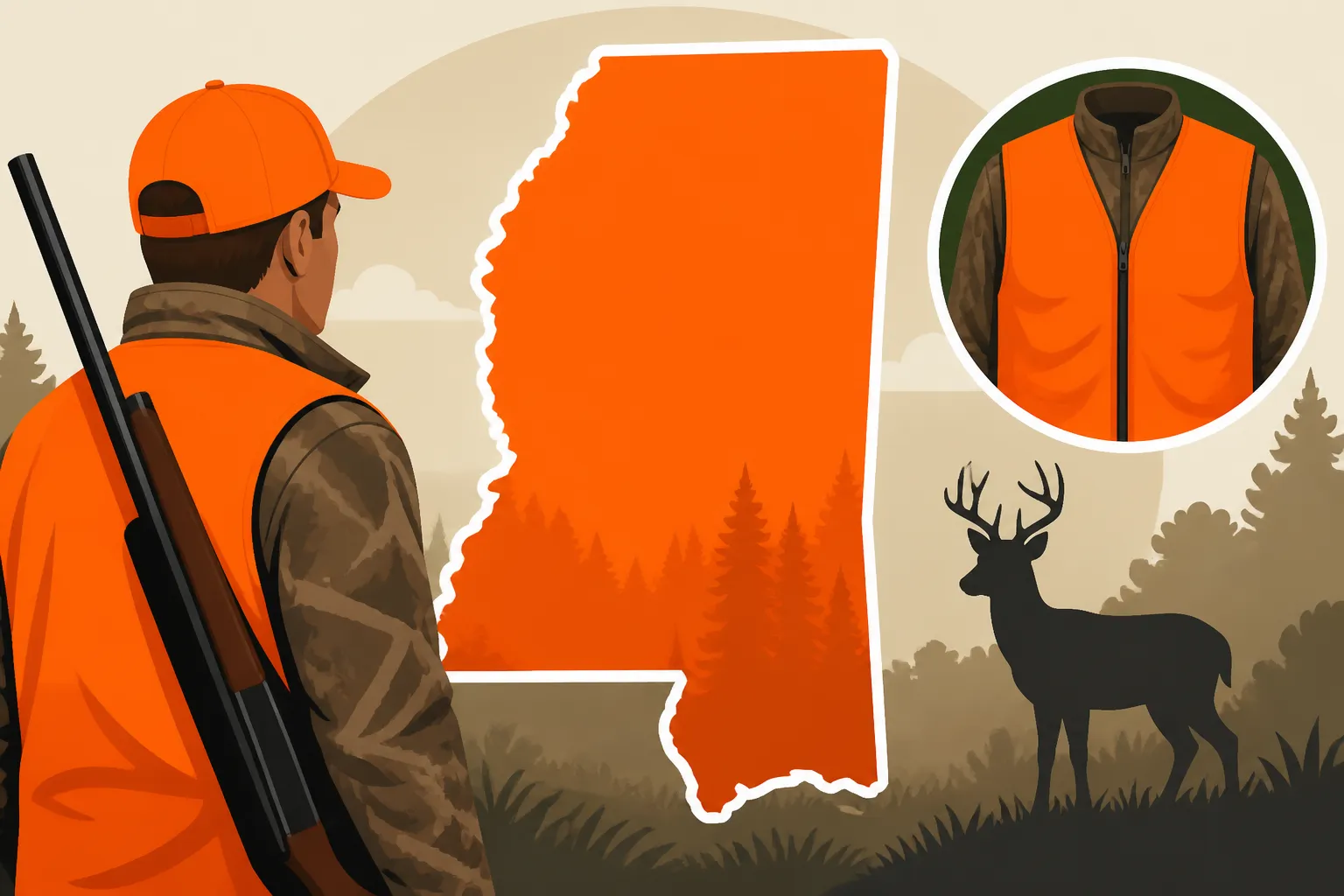
This is where some of the biggest questions arise. It's not enough to just tie a small orange ribbon to your backpack. Mississippi law is quite clear: you need at least 500 square inches of solid unbroken blaze orange (or blaze pink, which we’ll discuss in a moment) worn externally above the waist. Crucially, this material must be visible from all sides.
Think about what "visible from all sides" truly means. A simple orange hat, while helpful, likely won't cut it alone. A blaze orange vest, often worn over your regular hunting jacket, is a popular and effective choice because it covers a good portion of your torso and typically wraps around, ensuring visibility whether you're facing forward, backward, or to the side. Some hunters opt for a full blaze orange jacket. The key is that it shouldn't be obstructed by your backpack, a game carrier, or any other equipment you might be hauling.
A common setup for hunters is a blaze orange vest and a blaze orange cap. This combination easily meets the 500-square-inch minimum and ensures visibility from 360 degrees. Remember, the goal is to make yourself unmistakably identifiable as a human hunter, not a deer or other game animal. In dense woods, particularly in the thickets of areas like the Homochitto National Forest, that flash of color could be the split-second difference between a safe hunt and a serious incident.
Blaze Orange vs. Blaze Pink: What's Allowed in Mississippi?
Over the last few years, a new color has entered the hunting safety conversation: blaze pink. While initially met with some skepticism, blaze pink has gained legal acceptance in Mississippi, offering hunters an alternative to traditional blaze orange.
The Inclusion of Blaze Pink
Mississippi joined a growing number of states when it officially approved blaze pink as a legal alternative to blaze orange. This decision wasn't just about fashion; it was a move to potentially make hunting more accessible and appealing to a broader demographic, particularly women and youth hunters, while maintaining safety standards. The science behind blaze pink suggests that it's just as visible, if not more so, to the human eye as blaze orange, especially in certain light conditions. Deer, being colorblind to reds and oranges, perceive both colors as shades of gray or yellow, making neither color inherently "safer" in terms of spooking game.
So, if you're a hunter in Mississippi, you now have the option to wear blaze pink wherever blaze orange is required. This means the same 500-square-inch rule applies – it needs to be solid, unbroken, worn externally above the waist, and visible from all sides. Whether you prefer a blaze pink vest, a jacket, or a hat, as long as it meets the square inch and visibility requirements, you're good to go.
Practical Considerations for Choosing Colors
When it comes down to choosing between blaze orange and blaze pink, it's largely a matter of personal preference. Both colors serve the same critical purpose: making you highly visible to other hunters.
- Visibility: Both colors are designed for maximum human visibility against natural backdrops. Some studies suggest blaze pink might even stand out slightly more in low light or certain types of foliage.
- Availability: Blaze orange gear is widely available in nearly every sporting goods store and online retailer. Blaze pink, while growing in popularity, might still be a little harder to find in the full range of gear. Brands like GoHunt, which often have gear recommendations, will typically carry options in both.
- Personal Preference: Some hunters simply prefer the look or feel of one color over the other. If blaze pink encourages new hunters to feel more comfortable and engaged, that's a positive step for our hunting community.
Consider a scenario where a parent is taking their child hunting during the Hunting the Mississippi Youth Gun Weekend. Ensuring both the adult mentor and the young hunter are highly visible is paramount. If the child is excited about a blaze pink vest and hat, that's a great way to engage them while still adhering to all safety regulations. The most important thing is that the chosen color meets the legal requirements for coverage and visibility.
Beyond the Law: Why Blaze Orange (or Pink) is Crucial for Safety
While the law dictates what to wear, the true essence of blaze orange (or pink) lies in its vital role in preventing hunting accidents. It's more than just a legal formality; it's a fundamental component of responsible hunting.
Preventing Hunting Accidents
The vast majority of hunting accidents involving firearms are preventable, and many of them involve "mistaken identity" – where one hunter mistakes another human for game. This is particularly true in Mississippi's diverse terrain, from the dense bottomland hardwoods of the Delta to the rolling pine forests of the Piney Woods. Without a clear, unmistakable indicator like blaze orange, it's tragically easy for a hunter to misinterpret movement, sound, or a fleeting glimpse of color.
Blaze orange creates a stark contrast against the natural browns, greens, and grays of the forest. It doesn't blend in. It screams, "Human! Don't shoot!" This is especially critical during peak hunting times, such as Mississippi Gun Season Opening Day, when woods can be bustling with activity. Imagine still-hunting a ridge in the Hills Unit; that splash of orange is your best defense against another hunter who might be glassing the same area. It's a proactive measure that saves lives, ensuring everyone goes home safely at the end of the day.
Situational Awareness and Other Safety Tips
Wearing blaze orange is a fantastic first step, but it's just one part of a comprehensive safety strategy. True hunting safety is about constant situational awareness, communication, and adherence to all best practices.
- Know Your Zone: Before you even step foot in the woods, know exactly where you are, where others might be, and where your shots can safely travel. Tools like the mapping features offered by GoHunt can be invaluable for identifying property lines, public land boundaries, and even topographical features that might obscure lines of sight.
- Communicate: If you're hunting with a group, communicate your locations, your plans, and any movements you intend to make. Don't assume others know where you are.
- Positive Identification: Always, always, always positively identify your target and what's beyond it before taking a shot. This is the cardinal rule of firearm safety.
- Weather Conditions: Blaze orange is incredibly effective, but its visibility can be reduced in extreme conditions like dense fog, heavy rain, or approaching dusk. In these situations, exercise extra caution, and consider calling it a day if visibility becomes too compromised. Your safety is always worth more than another hour in the stand.
By combining the mandatory blaze orange with these critical safety habits, you're not just complying with the law; you're actively contributing to a safer hunting environment for yourself and everyone else sharing the outdoors.
Common Misconceptions and Compliance Tips
Despite the clear regulations, there are still a few common myths and areas of confusion around blaze orange requirements in Mississippi. Let's tackle them head-on.
Clearing Up Confusion
One prevalent misconception is that "deer can see orange anyway, so it doesn't matter." While it's true that deer don't see colors the way humans do – they're red-green colorblind – they perceive blaze orange as a bright, contrasting shade against their environment. However, the purpose of blaze orange isn't to be invisible to deer; it's to be highly visible to other humans. The benefit of preventing a human-on-human accident far outweighs any perceived disadvantage with game. Plus, you'll find plenty of successful hunters who consistently wear blaze orange.
Another myth is that "private land doesn't require blaze orange." This is often untrue. Mississippi's blaze orange requirements apply broadly to anyone hunting deer with a firearm (or accompanying someone doing so), regardless of whether it's public or private land. The only way it wouldn't apply is if you are on private land and are certain no other hunters are present or could come onto the property, which is a rare and risky assumption. Always operate under the assumption that the rule applies to avoid issues. Whether you're on a large hunting club lease or just a small private tract, if a firearm is involved in deer hunting, wear your orange. This rule doesn't magically disappear when you cross a property line.
Finally, some hunters confuse rules for small game or specific types of public lands. While you typically don't need blaze orange for strictly Squirrel and Small Game Hunting in Mississippi with shotguns or rimfires unless a deer gun season is open in the same area, it's always safest to err on the side of caution. For areas like Wildlife Management Areas (WMAs), specific rules might apply, so always check the specific WMA regulations before heading out. Sometimes, WMAs have stricter or slightly different requirements, which you can usually find through the MDWFP website or a comprehensive hunting app like GoHunt.
Ensuring You're Always Legal and Safe
Staying compliant and safe doesn't have to be complicated. Here's a quick checklist and some tips:
- Pre-Hunt Gear Check: Before every hunt, especially during firearm deer seasons, lay out all your gear. Make sure your blaze orange vest and hat (or jacket) are easily accessible and in good condition. Faded or tattered orange might not meet the visibility standard.
- MDWFP Annual Review: The Mississippi Department of Wildlife, Fisheries, and Parks (MDWFP) publishes updated regulations annually. Make it a habit to review these, as rules can sometimes change slightly from year to year. You can find this information on their website or directly through the GoHunt app which often updates its regulatory summaries.
- Layering for Comfort: Don't let the need for blaze orange compromise your comfort. You can layer a blaze orange vest over your insulated hunting jacket in cold weather, or over a light shirt in warmer conditions. There's plenty of breathable, high-performance blaze orange gear available today.
- Youth Hunters: For younger hunters, ensure their blaze orange fits properly and isn't too bulky, which could hinder their movement or firearm handling. The Mississippi Youth Gun Season Rules still require blaze orange for mentors and participants.
Here's a quick reference table to help visualize the main requirements:
| Category | Requirement | Details |
|---|---|---|
| Minimum Coverage | 500 square inches | Solid, unbroken material. |
| Placement | Worn externally above the waist | Cannot be obscured by backpacks, game bags, etc. |
| Visibility | Visible from all sides (360 degrees) | Typically achieved with a vest and/or hat, or full jacket. |
| Colors Allowed | Blaze Orange OR Blaze Pink | Both are legal alternatives; choice is personal preference. |
| When Required (Primary) | Hunting deer with a firearm | Includes accompanying a firearm deer hunter. |
| Exceptions (Typically) | Archery-only (no firearms), waterfowl, turkey hunting | Unless these seasons overlap with an open firearm deer season where rules would apply. |
| Public/Private Land | Generally applies to both | Assume it's required unless explicitly stated otherwise for very specific circumstances. |
Remember, being safe in the field is always the top priority. The blaze orange requirement is a non-negotiable part of safe hunting in Mississippi during firearm deer seasons. Understanding and adhering to these rules not only keeps you legal but, more importantly, keeps you and your fellow hunters out of harm's way. Whether you're chasing that trophy buck or simply enjoying the serenity of the Mississippi woods, let's all make safety our number one goal.
Disclaimer
Please note that hunting regulations are subject to change. While this guide provides comprehensive information based on current Mississippi laws, it is always your responsibility to consult the latest official regulations from the Mississippi Department of Wildlife, Fisheries, and Parks (MDWFP) before engaging in any hunting activities. This content is for informational purposes only and does not constitute legal advice.