Delta Duck Lodge Multi-Day Rates
Planning a multi-day duck hunt in the Mississippi Delta can feel like trying to solve a complicated puzzle, especially when you're wading through different lodge offerings and trying to understand what those "multi-day rates" actually mean. It’s easy to get lost in the jargon and wonder if you're truly getting a good value for your hard-earned money. This guide is here to untangle the complexities, walking you through what to expect from Delta duck lodge multi-day packages, how rates are structured, and what questions to ask to ensure your hunting trip is everything you dream it will be.
Understanding the Allure of a Delta Duck Lodge Experience
There’s something truly magical about chasing ducks in the Mississippi Delta. It's a place where history and waterfowl habitat merge, creating an experience unlike any other. But for many, the logistics of a DIY hunt – finding land, setting up blinds, scouting birds, and dealing with all the gear – can be overwhelming, especially for those traveling from out of state or simply wanting a more relaxed, immersive trip. That's where a multi-day lodge experience shines, taking care of the details so you can focus on the sunrise and the whistle of wings.
Why the Mississippi Delta is a Waterfowler's Paradise
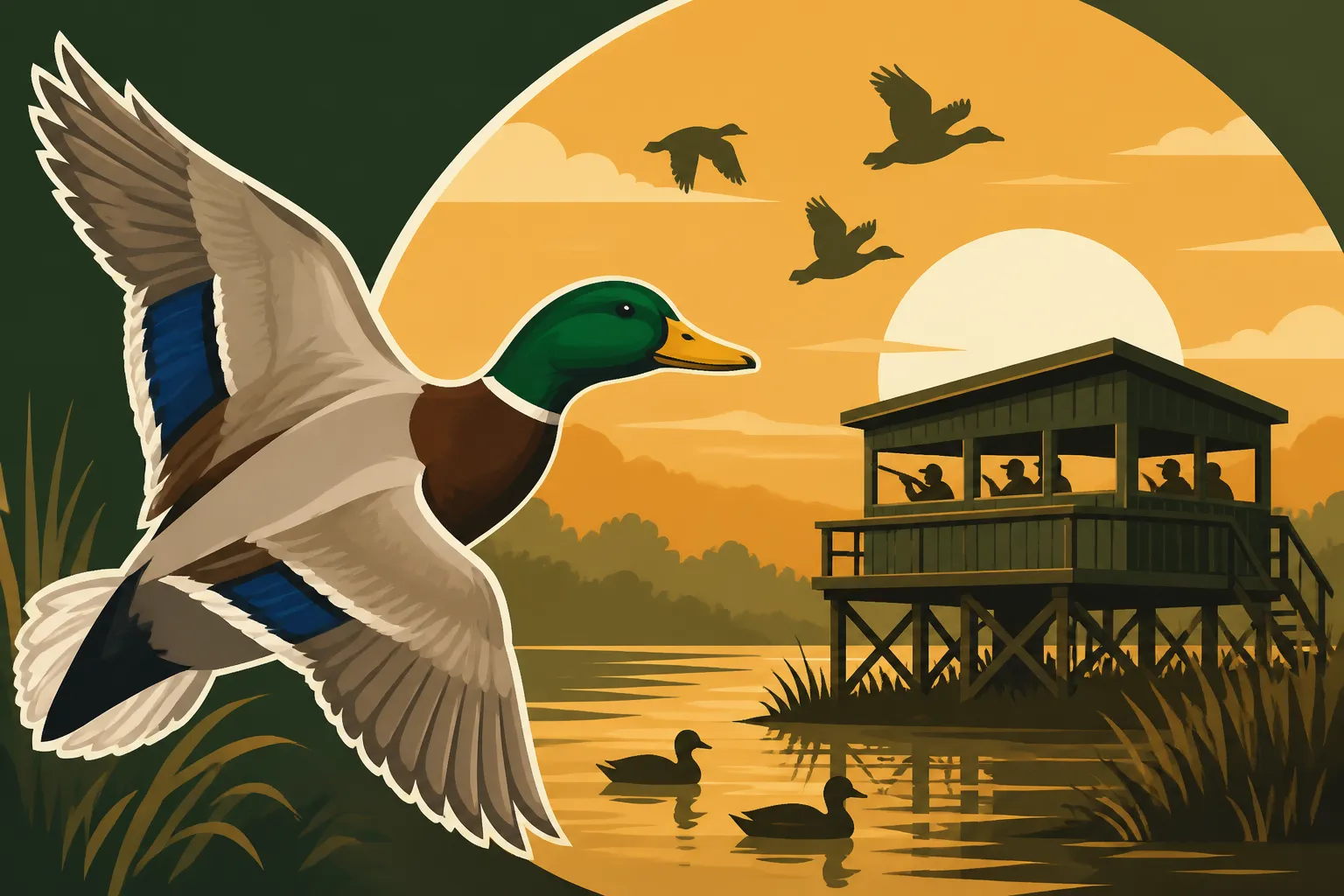
The Mississippi Delta isn't just a geographical region; it's a legendary destination for duck hunters. Situated squarely on the Mississippi Flyway, it's a critical wintering ground for millions of migratory waterfowl. When cold fronts push south, ducks and geese funnel into this vast expanse of fertile farmland, bottomland hardwoods, and flooded timber. This abundance means that on a good day, the hunting can be absolutely phenomenal. The sheer volume of birds, especially mallards, pintails, and various teal, makes it a top-tier location. Add to that the rich hunting heritage, and you've got a destination that calls to waterfowlers season after season. A multi-day lodge hunt allows you to truly settle into this environment, learning the rhythms of the birds and the landscape. It's not just about a single morning hunt; it's about living and breathing duck hunting for a few glorious days.
Many lodges are strategically located amidst prime habitat, whether it's flooded rice fields, meticulously managed greentree reservoirs, or sprawling timber leases. This proximity means less travel time and more time in the blind. For a lot of hunters, the dream is to experience Waterfowl Hunting the Mississippi Delta firsthand, and a lodge makes that dream a seamless reality, providing consistent access to birds and the local knowledge to put you in the right place at the right time.
The Comprehensive Nature of Lodge Packages
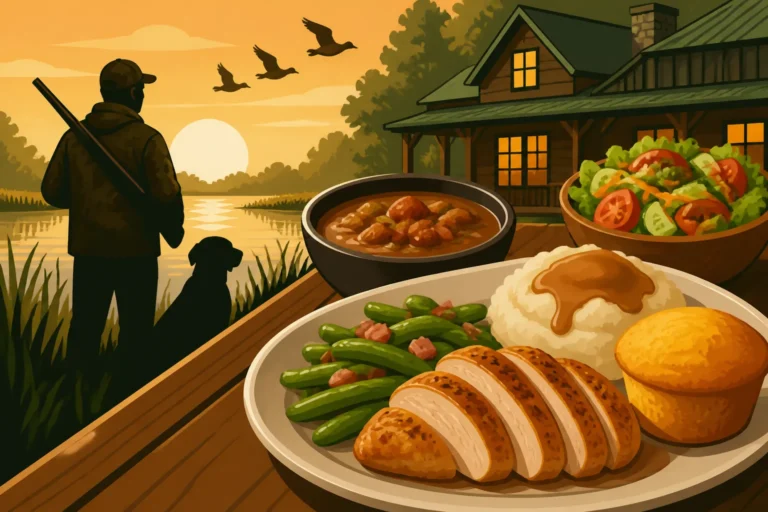
When you look at multi-day rates from a Delta duck lodge, you're not just paying for a guide or a place to sleep. You're often investing in a full-service experience designed to remove all the headaches from your hunt. This typically includes comfortable lodging, often with private rooms or shared cabins, and hearty meals prepared by a lodge cook. Think hot coffee before dawn, a full breakfast after the morning hunt, and a delicious dinner each evening, often featuring Southern staples.
Beyond the creature comforts, these packages usually cover professional guiding services, which means experienced callers, well-trained retrievers, and all the necessary gear like decoys and blinds are provided. You also get the benefit of their expertise in reading the weather, understanding bird patterns, and knowing exactly where the Duck Migration Timing Through Mississippi stands. This comprehensive approach means you can arrive with your shotgun, waders, and license, and everything else is largely taken care of. It's about maximizing your time and enjoyment, rather than worrying about the logistical minutiae of a hunt.
Deconstructing Multi-Day Rate Structures
Understanding multi-day rates can be tricky because lodges don't all price their services the same way. Some have an all-inclusive daily rate that simply multiplies by the number of days, while others offer specific packages like a "two-day hunt, three-night stay." The key is to look beyond the sticker price and understand what's bundled into that total figure. This section will help you break down the elements that influence these rates and what different durations typically offer.
Factors Influencing Daily and Package Costs
Several factors play a significant role in how Delta duck lodges structure their multi-day rates. Location, for instance, is paramount. Lodges situated in the heart of known waterfowl hotbeds, like those near the Mississippi River batture or prime rice country, might command higher prices due to consistent bird access and sought-after leases. The reputation and experience of the outfitter also factor in. A long-standing lodge with a proven track record of success, top-notch facilities, and highly skilled guides and dogs might be at the higher end of the spectrum. When looking to book, sites like BookYourHunt can give you a comparative view of different outfitters and their base offerings, helping you gauge the market.
The amenities offered are another major influence. Does the lodge provide private rooms or communal bunks? Is there a dedicated chef, or is it more of a self-cook setup? Are wader dryers, a pro shop, or even a skeet range available? All these extras contribute to the overall cost. Finally, the time of season can heavily impact rates. Early season hunts might be slightly less expensive, while the peak of the Mississippi Waterfowl Migration Timing, often coinciding with colder weather and larger concentrations of birds, will typically see the highest demand and therefore, often higher prices. Hunting the North Zone duck split often sees a surge in bookings, for example.
Common Package Durations and What They Typically Include
Most multi-day duck lodge packages in the Delta revolve around a few common durations, usually expressed as "X days hunting, Y nights lodging." The most popular tends to be a 2-day hunt with 3 nights of lodging, allowing for arrival the evening before the first hunt and departure the morning after the last hunt. This structure gives you two full mornings in the blind, plus the social aspects of two evenings at the lodge. A typical package for this duration would include guided hunts each morning, all meals (dinner on arrival night, breakfast and dinner on hunting days, breakfast on departure morning), and your lodging. Sometimes, an afternoon activity like a clay shoot or an optional afternoon goose hunt is also included.
For those wanting a deeper dive into the Delta experience, 3-day hunts with 4 nights of lodging are also very common. This extends your time in the blind and at the lodge, allowing for a more thorough exploration of different hunting scenarios, perhaps trying both flooded timber and field edge setups. A longer stay provides more opportunities to connect with fellow hunters, share stories, and truly immerse yourself in the culture of a Mississippi duck camp. Longer hunts, say 4 or 5 days, are also available, though less frequent, and they typically follow the same pattern of guided hunts, meals, and lodging, simply extended over more days. Regardless of duration, always confirm What's Included in a Delta Lodge Stay before booking, leaving no stone unturned.
What to Expect in a Delta Duck Lodge Multi-Day Package
When you commit to a multi-day duck hunt at a Delta lodge, you're not just buying a tag to chase birds. You're signing up for a curated experience designed to immerse you in the culture and thrill of waterfowling. This goes beyond just the hunting itself, encompassing everything from the amenities that make your stay comfortable to the expert guidance that puts you on the birds.
Beyond the Hunt: Amenities and Services
The beauty of a multi-day lodge package lies in its ability to handle all the details, letting you enjoy the experience. Lodge accommodations vary, but typically range from rustic-but-comfortable bunkhouses to more private rooms with ensuite baths. Expect a communal living area where hunters can gather, share stories, and enjoy a hot meal. The food is often a highlight, with lodges priding themselves on hearty Southern cooking – think fried catfish, barbecue, gumbo, and plenty of sides, all designed to fuel you for early mornings and cold blinds.
Many lodges offer amenities like dedicated dog kennels for hunters who bring their own retrievers, though typically the lodge's dogs will be used for guided hunts. There's often a bird cleaning station, with staff who will clean and package your harvest for travel. Some even have pro shops where you can purchase forgotten gear, ammunition, or lodge merchandise. Beyond the practical, there's the intangible benefit of camaraderie. Sharing a meal, a drink, and hunting tales with like-minded individuals is a significant part of the multi-day lodge appeal. These details are what truly elevate the experience from a mere hunt to a memorable retreat.
Guide Services and Their Role
The backbone of any successful Delta duck lodge operation is its guide staff. These are the folks with intimate knowledge of the local waterways, land leases, and, most importantly, the birds. Your multi-day package almost always includes their expert service. Guides are responsible for everything from getting you safely to and from the blind in the dark, setting up decoy spreads that look realistic enough to fool wary Mallards in Delta Flooded Timber, and running well-trained retrieving dogs.
A good guide is also a master of calling, able to communicate with passing birds and work them into the decoys. They understand the nuances of Wind and Thermals in Delta Bottomland and how they affect bird movement. During a multi-day trip, you might hunt with the same guide or experience different guides, each bringing their unique calling style and knowledge. They're also there to ensure you understand and adhere to all local regulations, including specific Mississippi Waterfowl Zones and Seasons and bag limits. Their goal is not just to put birds in front of you, but to provide a safe, enjoyable, and educational hunting experience, making sure you get the most out of every moment in the blind.
Navigating Booking and Logistics for Multi-Day Hunts
Once you’ve decided a multi-day Delta duck hunt is for you, the next step is booking. This involves more than just picking dates; it means understanding the booking process, clarifying terms, and making sure you’re adequately prepared. Given the popularity of these hunts, especially during prime times, a little foresight goes a long way.
The Booking Process: From Inquiry to Deposit
The journey to your Delta duck hunt typically begins with an inquiry. Most lodges have websites where you can fill out a form, or you can call them directly. This is your chance to ask initial questions about availability, pricing, and what's included in their various multi-day packages. It’s important to be specific about your group size, preferred dates, and any special requirements you might have. Platforms like GoHunt or BookYourHunt often feature listings for Mississippi outfitters, providing a convenient way to browse options, read reviews, and sometimes even submit booking requests directly.
Once you’ve settled on a lodge and dates, a deposit will almost certainly be required to secure your booking. This deposit can range from a portion of the total cost to the full amount, depending on the lodge’s policy and how far in advance you’re booking. Always clarify the cancellation policy before putting down any money. Understand if the deposit is refundable, transferable, or if you can receive a credit for a future hunt should unforeseen circumstances arise. Many hunters planning for the Mississippi Gun Season Opening Day or a prime duck week book their spots a year in advance, so don't delay if you have specific dates in mind.
Preparing for Your Multi-Day Delta Adventure
Preparing for a multi-day duck hunt involves more than just packing your shotgun. Licensing is critical. You'll need a valid Mississippi hunting license, a Mississippi migratory bird stamp, a federal duck stamp, and typically HIP (Harvest Information Program) certification. You can often purchase these online through the MDWFP website. Make sure you understand the specific Mississippi Federal Duck Stamp Requirement and Mississippi HIP Certification for Bird Hunters.
Beyond licenses, consider your gear. Good quality waders are non-negotiable, as you’ll be wading through flooded fields or timber. Dress in layers, as Delta mornings can be frigid, but midday can warm up considerably. Waterproof outer layers are essential. Don't forget ample ammunition, eye and ear protection, a headlamp, and any personal items you might need. If you're bringing your own gun, ensure it's in good working order and legally transported. Many lodges provide a detailed packing list, which is an invaluable resource. Physical preparation is also key; while not mountaineering, navigating muddy terrain and dense cover can be more demanding than you expect, so being in decent shape will enhance your enjoyment.
Maximizing Value and Enjoyment on Your Multi-Day Trip
Investing in a multi-day Delta duck hunt is a significant commitment, and you want to ensure you get the most out of every moment. This involves proactive communication, understanding etiquette, and being prepared to embrace the full experience.
Off-Season Communication and Pre-Trip Planning
The success of your multi-day hunt often starts long before you ever set foot in the Delta. Maintaining open communication with your chosen lodge during the off-season is a great way to maximize your experience. Don't hesitate to reach out with questions about current conditions, expected bird numbers for the upcoming season, or any gear recommendations. Many outfitters are happy to share insights into what to expect regarding Mississippi Waterfowl Migration Timing and local weather patterns.
Confirming details like arrival times, specific dietary restrictions, or if you plan to bring your own dog well in advance can smooth out your trip. Ask if there are any specific regulations for the county you'll be hunting in, especially concerning Mississippi CWD Testing for Hunters if deer hunting is also on your itinerary for another trip. The more informed you are, the more seamlessly your trip will unfold, allowing you to relax and focus on the hunting. This proactive approach builds a relationship with the outfitter, often leading to a more personalized and enjoyable experience.
Understanding Tipping Etiquette for Lodge Staff and Guides
One aspect that often causes confusion for hunters is tipping. It's an important part of the multi-day lodge experience, as guides and lodge staff often rely on tips as a significant portion of their income. While specific amounts can vary, a general guideline for guides is usually a percentage of the total hunt cost per hunter, or a set daily amount. This typically covers their hard work in scouting, calling, setting decoys, handling dogs, and ensuring your safety and success.
Lodge staff, including cooks, bird cleaners, and housekeepers, also work tirelessly behind the scenes to make your stay comfortable. A separate tip for the lodge staff, often pooled and distributed, is a thoughtful gesture. It's always a good idea to clarify the lodge's suggested tipping policy when you book or upon arrival. Don't be shy about asking. Understanding How Much to Tip a Duck Guide and Retriever Handler beforehand removes any awkwardness and ensures you can appropriately show your appreciation for their efforts, making for a more positive experience for everyone involved.
| Package Duration | Typical Inclusions | Optional Add-ons (Often Extra Cost) | Key Considerations |
|---|---|---|---|
| 2-Day Hunt / 3-Night Stay | 2 guided morning hunts, 3 nights lodging, 5 meals (dinner on arrival, 2x breakfast, 2x dinner), bird cleaning | Afternoon goose hunts, extra shells, gun rentals, alcoholic beverages, taxidermy services | Good for a quick trip, focus on morning duck action, popular for weekend getaways |
| 3-Day Hunt / 4-Night Stay | 3 guided morning hunts, 4 nights lodging, 8 meals (same pattern), bird cleaning | Same as above, potentially more diverse afternoon activities | Deeper immersion, more opportunities for different hunting locations/setups, more relaxed pace |
| Custom / Extended Stays | Tailored to group size and desired hunt days, includes standard amenities | Specific trophy hunting options, additional guides, special meal requests | Best for large groups or specific hunting goals, requires more direct negotiation with lodge |
Potential Pitfalls and How to Avoid Them
While a multi-day Delta duck hunt is generally a fantastic experience, being aware of potential issues can help you avoid disappointment. From unexpected costs to adverse weather, preparation and clear communication are your best defenses.
Hidden Costs and What to Clarify Before Booking
One of the biggest frustrations for hunters booking multi-day packages is encountering unexpected costs. While the base rate covers a lot, there are often things not included. Ammunition is a common exclusion; some lodges might have it available for purchase, but it's rarely part of the package. Alcoholic beverages, if desired, are typically an extra expense. Some lodges might charge a "trophy fee" if you harvest a particularly rare or desirable bird, though this is less common for ducks. What's Included in a Delta Lodge Stay should be spelled out explicitly.
Beyond direct charges, consider incidentals. Are airport transfers included, or will you need to arrange your own transportation? Is taxidermy service available, and what are the costs for processing and shipping your trophy home? Even simple things like snacks and drinks for the blind might not be provided. Always ask for a detailed breakdown of what is and isn't covered in the multi-day rate. A reputable outfitter will be transparent about all potential costs, allowing you to budget appropriately for your trip. Don't be afraid to get a written quote that clearly outlines all inclusions and exclusions.
Weather Contingencies and Lodge Policies
Waterfowl hunting is inherently tied to the weather, and Mother Nature doesn't always cooperate. A major concern for hunters booking multi-day trips is what happens if severe weather (like extreme flooding, ice, or even unseasonably warm temperatures that push birds north) impacts the hunt. Will the lodge offer a refund, a credit for a future date, or simply continue the hunt despite poor conditions? This is a critical question to ask before booking, especially if you're Booking a Late-Season Delta Duck Hunt where colder, more unpredictable weather is common.
Some lodges have detailed weather contingency policies, offering flexibility if conditions are truly unhuntable. Others might have a stricter "no refunds for weather" policy. Understanding these terms can save you significant disappointment and financial loss. It's also worth discussing what happens if water levels drop mid-season, impacting access to key hunting areas. While no one can control the weather, knowing the lodge's plan for adverse conditions gives you peace of mind. Travel insurance that covers hunting trips is also an option many hunters consider to protect their investment against unforeseen circumstances, including severe weather disruptions.
Disclaimer
This article is for general informational purposes only and does not constitute professional advice. Laws, prices and regulations vary by location and change over time. Consult a qualified professional for guidance on your specific situation.