How Much to Tip a Duck Guide and Retriever Handler
Hunting in Mississippi, especially when chasing greenheads in a flooded timber hole or a dry field spread, is often an incredible experience. But after the decoys are picked up and the limit is bagged, a common question pops into every hunter's mind: "How much do I tip the duck guide and the retriever handler?" This isn't just about handing over some cash; it's about showing respect for hard work, local knowledge, and the dedication that goes into making your hunt successful. This guide will walk you through the nuances of tipping etiquette for guided Mississippi duck hunts, ensuring you show your appreciation appropriately.
Understanding the Role of Your Mississippi Duck Guide and Handler
When you book a guided duck hunt in Mississippi, you're not just paying for access to land or a boat ride. You're investing in the expertise, effort, and often years of experience that your guide and their canine partner bring to the table. They are the architects of your hunt, often working long before you even arrive.
The Guide's Responsibilities Before, During, and After the Hunt
A duck guide's job starts long before sunrise on hunt day. They've spent countless hours scouting Mississippi Waterfowl Zones and Seasons and potential blind locations, monitoring bird movements, and checking weather patterns. They've likely planted or managed duck impoundments, secured leases, and maintained blinds and equipment. Before your arrival, they've set decoys in the dark, ensured the blinds are comfortable, and brewed coffee. During the hunt, they're calling ducks, managing expectations, keeping everyone safe, and making split-second decisions based on bird behavior and conditions.
Think about the effort involved in setting up a massive spread in flooded timber, moving dozens of heavy decoys, or hauling blinds to a remote field edge. After the hunt, they're cleaning birds (sometimes, depending on the service), retrieving decoys, tearing down blinds, and preparing for the next group. This isn't a casual job; it's a labor of love for many, demanding physical stamina, deep ecological understanding, and exceptional hospitality. Their goal is to put you on birds and give you a memorable experience, regardless of whether the ducks cooperate or not.
The Retriever Handler's Specialized Contribution
Often, the guide is also the retriever handler, but sometimes a dedicated handler will accompany the hunt, especially if there are multiple dogs or a larger group. The retriever handler's role is critical. They work with highly trained animals, ensuring they perform flawlessly in often challenging conditions – icy water, thick mud, or dense cover. A good retriever is the unsung hero of many duck hunts, turning a potentially lost bird into a successfully recovered meal. They prevent crippled birds from escaping, which is not only ethical but also ensures you maximize your bag.
The handler's job involves constant training, care, and management of these valuable dogs. They understand canine behavior, keeping the dog focused, quiet, and ready to spring into action. They ensure the dog is healthy, fed, and comfortable, whether it's an experienced veteran or a young pup still learning the ropes. Without a well-managed retriever, many ducks would be lost, and the overall hunting experience would be significantly diminished. Their skill and the dog's performance directly contribute to your success and enjoyment.
The Unspoken Etiquette of Tipping in the Hunting World
Tipping guides and handlers is an integral part of the guided hunting experience, almost as ingrained as knowing your Mississippi Duck Daily Bag Limit. It's a way for clients to acknowledge the hard work, dedication, and expertise provided, especially when it results in a successful and enjoyable trip.
Why Tipping is Standard Practice in Guided Hunts
In the world of guided outdoor pursuits, tipping is an established custom, much like in the service industry. Guides often rely on tips as a significant portion of their income, reflecting their commitment to providing a top-tier experience. It's a direct way for you, the client, to express satisfaction with the service, regardless of the harvest numbers. Remember, a guide can't control the weather or the ducks, but they can control their effort, their knowledge sharing, and the overall quality of the experience.
Imagine a hunt where your guide stayed upbeat despite slow activity, worked tirelessly to find new spots, and ensured your safety and comfort throughout the day. A generous tip in such a scenario communicates that their efforts were valued, even if the ducks didn't cooperate. It motivates them to continue providing that high level of service for future clients. Conversely, skimping on a tip, or not tipping at all, can be seen as a direct reflection on their perceived effort and skill, even if that's not your intention.
Factors Influencing Your Tipping Decision
Several elements should weigh into your decision beyond just the number of birds in the strap. Consider the guide's effort and attitude: Did they work hard? Were they knowledgeable and passionate? Did they make an effort to educate you about the area, the birds, or Waterfowl Hunting the Mississippi Delta? Was the equipment well-maintained and safe? Did they go above and beyond, perhaps by helping you with equipment issues or making extra efforts to retrieve a tough bird?
The overall experience is paramount. Were you safe and comfortable? Did you learn something new? Did you enjoy the camaraderie? Even on a slow day, a fantastic guide can make the experience worthwhile. If you're staying at a lodge, consider the total package. What's included in Mississippi Lodge and Package Hunts? Are meals and lodging part of the service, and was that staff also excellent? Remember, tipping is a personal gesture, but having a framework helps ensure fairness and appreciation. Before you finalize your booking, a quick search on platforms like BookYourHunt or GoHunt might offer client reviews that occasionally mention tipping practices or general satisfaction levels with certain outfitters, giving you a preliminary sense of what to expect.
Practical Tipping Guidelines for Mississippi Duck Hunts
So, what's a reasonable amount? While there's no hard-and-fast rule, understanding common practices can help you decide how much to tip a duck guide and retriever handler.
Percentage-Based Tipping: A Common Approach
Many hunters use a percentage of the hunt cost as a guideline for tipping, much like in a restaurant. For a typical guided duck hunt, a tip between 15% and 20% of the daily rate per hunter is generally considered appropriate for good to excellent service. If the guide went truly above and beyond, or if you had an exceptional experience, consider pushing that to 25%.
Let's say your What a Day of Guided Delta Ducks Costs is $400 per person. A 15% tip would be $60, while a 20% tip would be $80. If it's a multi-day hunt, you'd calculate this percentage for each day's cost. This method ensures your tip scales with the value of the service provided. For instance, if you're hunting with a high-end outfitter offering extensive amenities and a full lodge experience, the guide's effort might be proportionally higher, justifying a higher tip. When considering outfitters, especially if you're looking at various options, resources like BookYourHunt often detail what's included in the package, which can help you gauge the base cost before mentally factoring in a tip.
Flat-Rate Tipping: When It Makes Sense
Sometimes, a flat-rate tip feels more appropriate, especially for shorter hunts, specific services, or when the hunt cost is lower. For a single-day duck hunt, a flat tip of $50-$100 per hunter is often seen as a good starting point for solid, competent service. If the hunt was particularly challenging due to weather, or the guide worked exceptionally hard to find birds, you might increase this.
This approach works well for hunts where the price might be lower, but the effort remains high. For example, if you joined a less expensive public land Flooded Timber Guide Services hunt, the guide's physical exertion might be immense even if the fee is modest. In these cases, a flat rate ensures the guide is fairly compensated for their strenuous work. Always consider the local economy and the reputation of the specific guide or outfitter; some areas or guides might have slightly different expectations, which you can sometimes infer from online forums or by asking trusted hunting buddies.
Special Considerations for Exceptional Service
Did your guide put you on a limit of mallards when no one else was seeing birds? Did they help you track a wounded bird for an hour through thick cover? Did they teach your young hunter how to call ducks and foster a lifelong love for the sport? These are the moments that warrant an extra token of appreciation.
Beyond the standard percentage or flat rate, consider adding an additional amount for truly exceptional service. This could be an extra $20-$50 per hunter, or even more if the experience was truly once-in-a-lifetime. This signals to the guide that their passion and extra effort didn't go unnoticed. It’s also a great way to build rapport, especially if you plan to book with them again. Remember, the best guides are often booked years in advance, and building a good relationship can sometimes lead to future opportunities, potentially even during prime windows like Opening Weekend Tactics for Gun Season if they also guide deer hunts.
When and How to Present Your Tip
The act of tipping itself has a certain etiquette that, when followed, reinforces your appreciation and leaves a positive impression.
The Best Time to Offer Your Appreciation
The most common and generally accepted time to present your tip is at the conclusion of the hunt, typically after all the gear has been put away, birds have been cleaned (if that's part of the service), and you're preparing to depart. This allows you to evaluate the entire experience. It's usually done privately, one-on-one with the guide, without making a big show of it. A simple "Thank you, I really appreciate your hard work and knowledge today," along with the tip, is sufficient.
If there's a separate retriever handler, it's polite to tip them individually. If the guide is also the handler, they will typically distribute tips to any support staff (like bird cleaners or boat assistants) if applicable. If you're part of a group, it's a good idea to discuss tipping with your fellow hunters beforehand so that a collective tip can be presented, or so everyone understands the individual expectation.
Cash Versus Other Payment Methods
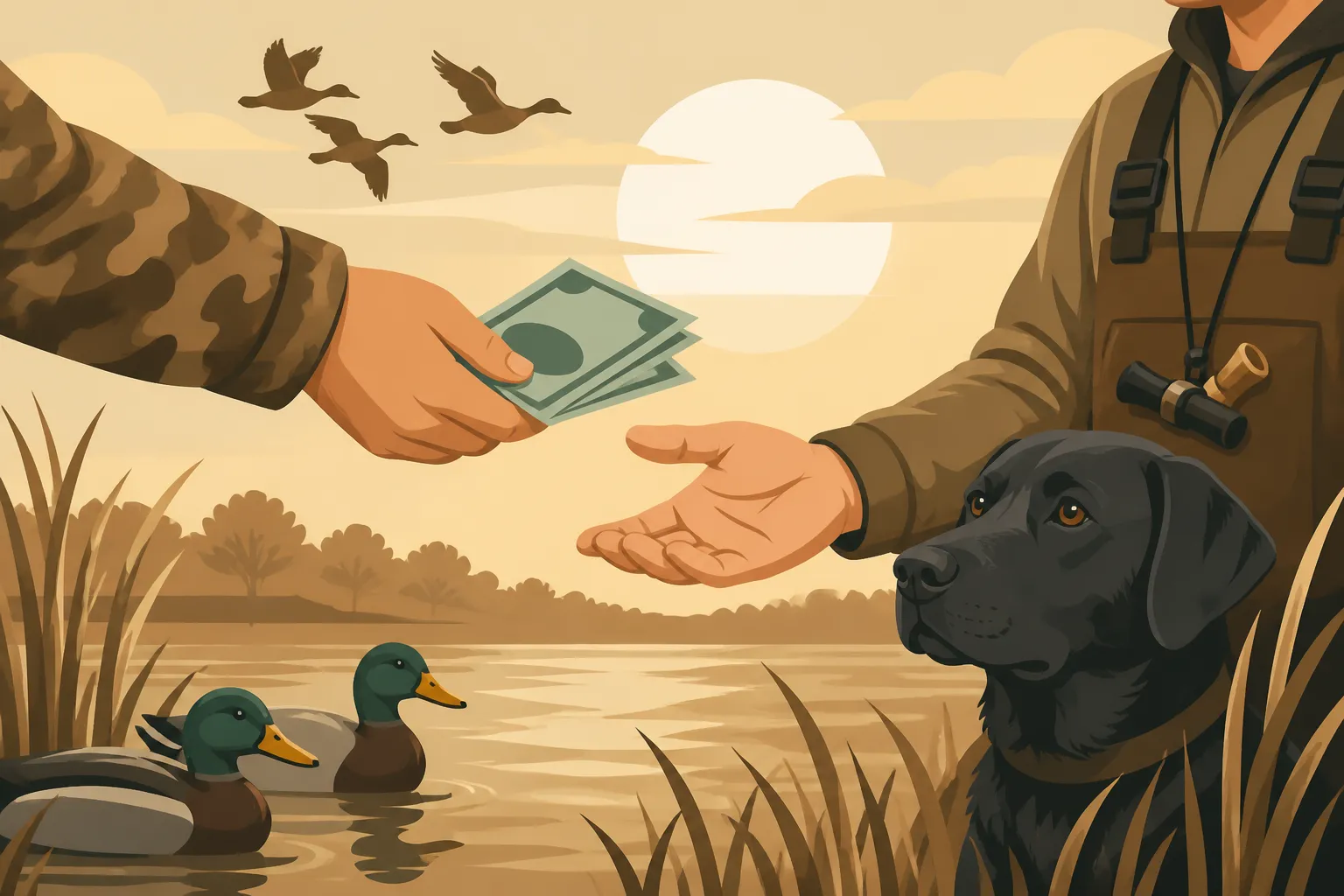
Cash is king when it comes to tipping in the hunting world. It's immediate, doesn't incur processing fees for the guide, and is universally appreciated. Make sure you have smaller denominations on hand, especially for larger groups where you might want to give individual tips.
While some guides might accept digital payments like Venmo or PayPal, it's always best to assume cash is preferred. Venmo transactions can sometimes trigger tax implications or delay access to funds, which guides often use to cover immediate expenses or save up for off-season needs. It's always a good idea to bring enough cash for your entire group's tips, even if you plan to pay for the hunt itself with a card or check. If you forget, it's acceptable to ask the guide if they have a preferred digital method, but try to avoid putting them on the spot. Some larger operations found on platforms like GoHunt or BookYourHunt might have more formalized payment systems, but cash for tips remains the traditional standard.
Tipping the Support Staff Beyond Your Direct Guide
On some larger operations or lodge-based hunts, you might encounter additional support staff beyond your direct guide and retriever handler. This could include lodge staff who prepare meals, clean rooms, or assist with gear. While your primary focus is on the guide, showing appreciation for these individuals is also a kind gesture.
A common practice is to leave a collective tip for the lodge staff. There might be a designated tip jar or a staff member who handles distribution. A general guideline for lodge staff could be around $20-$50 per hunter for a multi-day stay, depending on the level of service provided. Again, cash is preferred. If you are uncertain about whether to tip specific individuals or how much, discreetly asking the head guide or lodge manager at the end of your stay is perfectly acceptable and shows you want to ensure everyone is recognized. It can sometimes feel like a lot to keep track of, but a little thoughtfulness goes a long way in ensuring everyone who contributed to your experience feels valued.
Here's a quick overview of tipping expectations:
| Service Level | Daily Guide Tip (per hunter) | Daily Retriever Handler Tip (per hunter, if separate) | Notes |
|---|---|---|---|
| Good/Standard | 15-18% of hunt cost OR $50-$75 | $25-$40 | Guide was competent, safe, provided a solid effort, and followed through. |
| Excellent | 18-20% of hunt cost OR $75-$100 | $40-$60 | Guide went above and beyond, was extremely knowledgeable, friendly, and significantly enhanced the hunt. |
| Exceptional | 20-25% of hunt cost OR $100+ | $60+ | Guide delivered an unforgettable experience, solved major challenges, or showed extraordinary effort. |
| Lodge Staff | Varies by stay | N/A | Typically $20-$50 per hunter for multi-day stays, often a collective tip. |
Ultimately, tipping your duck guide and retriever handler is a personal decision, but it's a powerful way to show gratitude for their hard work and dedication. A fair tip not only acknowledges their efforts but also contributes to the professionalism and sustainability of the guided hunting industry in Mississippi. By understanding these guidelines, you can ensure your appreciation is conveyed thoughtfully and respectfully, fostering good relationships for future hunts. Perhaps you'll even be inspired to book another trip for Hunting the North Zone Duck Split or Hunting Flooded Timber for Wood Ducks with the same fantastic crew!
Disclaimer
This article is for general informational purposes only and does not constitute professional advice. Laws, prices and regulations vary by location and change over time. Consult a qualified professional for guidance on your specific situation.