Dog-Drive Hog Guide Services
If you've spent any time in Mississippi's beautiful wilderness or even just heard stories from landowners, you know feral hogs are more than just a nuisance – they're an absolute plague. These intelligent, destructive animals tear up crops, root up pristine habitat, and can make deer and turkey hunting a real headache. They're notoriously hard to catch, often vanishing into the thickest cover at the slightest hint of human presence. That's where the heart-pounding, effective world of dog-drive hog guide services comes in, offering an exciting and often necessary approach to managing these persistent pests.
Understanding Dog-Drive Hog Hunts in Mississippi
Dog-driving for hogs isn't just a hunting method; it's a deep-rooted tradition in the South, particularly effective against the cunning and aggressive nature of feral swine. It’s a dynamic, high-energy pursuit that requires specialized dogs, skilled handlers, and hunters who are ready for fast-paced action.
What Exactly is a Dog-Drive?
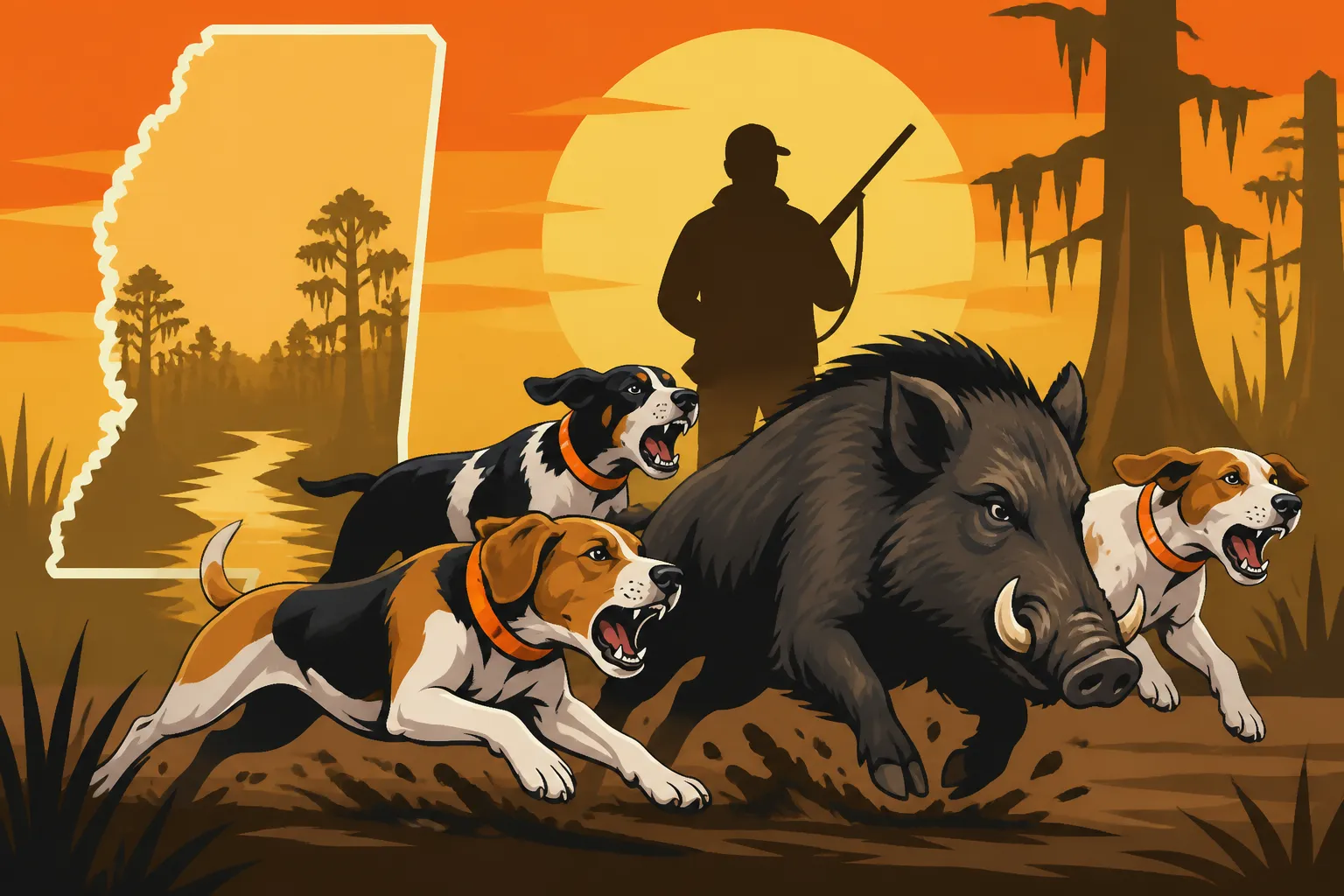
At its core, a dog-drive hog hunt involves a pack of highly trained dogs working together to locate, bay, and sometimes catch feral hogs. It's not a passive sit-and-wait game; this is an active pursuit where hunters are often on the move, responding to the sounds of the dogs. The objective is to push hogs out of dense cover, get them "bayed up" – meaning the dogs hold the hog at bay, barking and circling – or, in some cases, have "catch dogs" physically restrain the hog for a quick, ethical harvest. This method leverages the incredible sense of smell and relentless determination of dogs to track down an animal that might otherwise be impossible to find in Mississippi's vast and often impenetrable swamps, creek bottoms, and pine thickets. It's a primal, intense experience unlike any other form of hunting.
The Role of the Dogs
The success of a dog-drive hunt hinges entirely on the specialized abilities of the dog pack. Typically, two main types of dogs are used, each with a distinct and crucial role.
- Bay Dogs: These are the scouts and the announcers. Their job is to range out, find the hog, and then "bay" it up. This means they will corner the hog and bark continuously, keeping it in one spot until the hunters and catch dogs arrive. Breeds commonly used as bay dogs include Catahoula Leopard Dogs, Black Mouth Curs, and various hound mixes known for their grit, endurance, and loud voices. Their relentless barking acts as a beacon, guiding the hunters to the hog's location. Without effective bay dogs, the hogs would simply vanish into the brush, leaving hunters frustrated and empty-handed.
- Catch Dogs: Once a hog is bayed, catch dogs come in to physically engage and hold the hog. These dogs are typically larger, stronger, and incredibly tough, often wearing protective vests to minimize injury from the hog's tusks. Breeds like American Bulldogs, Pit Bulls, and Dogo Argentinos are often employed as catch dogs. Their role is to safely secure the hog by the ear or neck, allowing the hunter to approach and dispatch the animal quickly and ethically. The bond between the dog handler and their catch dogs is paramount, built on trust and an understanding of highly dangerous situations. These dogs are truly athletes, and their safety is always a top priority for any reputable guide.
Hunter Participation and Safety Considerations
A dog-drive hog hunt is an active adventure, not a spectator sport. Hunters are an integral part of the team, and they need to be prepared for the physical demands and dynamic nature of the hunt. You'll likely be moving through tough terrain, sometimes at a brisk pace, following the sounds of the dogs. This isn't a hunt for those looking for a sedentary experience; you'll earn your hog. Guides will typically brief hunters on positioning, communication, and what to do when a hog is bayed or caught. Safety is paramount, given the unpredictable nature of wild hogs and the presence of working dogs. Hogs, especially boars, can be incredibly aggressive and dangerous when cornered. Hunters must follow all instructions carefully, ensuring they have a clear shot and are aware of the dogs and other hunters at all times. Wearing appropriate safety gear, like blaze orange (even if not always strictly required for hog hunting, it's a good practice when multiple hunters are moving through cover), and having a reliable sidearm or knife for dispatch are crucial. Guides will stress the importance of understanding the situation before approaching a bayed hog, ensuring the safety of both the hunters and the valuable dogs.
Why Choose a Guided Dog-Drive Hunt?
While the idea of running dogs for hogs might sound exciting, attempting it solo or without extensive experience can be dangerous and largely unsuccessful. This is where a professional guide service becomes indispensable. They bring a level of expertise, specialized equipment, and access that most individual hunters simply can't replicate.
Expertise in Hog Behavior and Terrain
Feral hogs are masters of concealment, preferring the thickest, nastiest cover Mississippi has to offer. They'll bed down in dense briar patches along creek bottoms, hide in vast expanses of river cane in the Delta, or disappear into the undergrowth of pine plantations. A skilled dog-drive guide knows these areas intimately. They understand hog movement patterns, preferred bedding sites, and escape routes. They can "read" the terrain – knowing which thicket is likely to hold hogs, how the wind will affect the dogs, and the best way to approach a bayed hog in dense cover. This knowledge comes from years of hands-on experience, often spending countless hours scouting and running dogs in specific areas. Without this deep understanding, you'd spend most of your time chasing ghosts. Guides also often have a strong network within the local farming community, keeping them informed of current hog activity and problem areas.
The Specialized Dog Pack
Perhaps the most significant reason to hire a guide is access to their highly trained dog pack. Developing a successful team of bay and catch dogs is an enormous undertaking. It requires a substantial investment of time, money, and dedication. These dogs aren't just pets; they are working athletes that undergo rigorous training from puppyhood. They need to be physically fit, disciplined, and possess a unique blend of courage and intelligence. A guide's reputation often rides on the quality and effectiveness of their dogs. When you book a guided hunt, you're not just paying for access to land; you're leveraging years of canine breeding, training, and real-world experience. These dogs know their jobs, and they do them with an enthusiasm that’s infectious. Trying to piece together your own pack from scratch would be incredibly expensive and time-consuming, and there's no guarantee of success.
Access to Prime Hog Country
Many of the areas most impacted by feral hogs, and consequently, the best places to hunt them, are private lands. Farmers, timber companies, and private landowners are often desperate to reduce hog populations due to the immense damage they cause to crops and property. Guides frequently cultivate relationships with these landowners, securing exclusive access to properties that are otherwise off-limits to the general public. This means you're not competing with other hunters on crowded public lands. Instead, you're hunting in areas where hogs are abundant and the land is actively managed to mitigate their impact. Hunting Small Private Tracts in Mississippi can be incredibly productive, and guides specializing in dog drives often have the keys to these opportunities. They might have leases on thousands of acres of prime hog habitat, from the rich farmlands of the Delta to the dense forests of central Mississippi. This access is a critical component of a successful dog-drive hunt, putting you right where the hogs are causing the most trouble.
What to Expect on Your Mississippi Dog-Drive Hog Hunt
Stepping into a dog-drive hog hunt is an experience brimming with anticipation and raw excitement. It's an adventure that engages all your senses, from the sounds of the baying dogs to the feel of the dense Mississippi wilderness underfoot.
Typical Hunt Day Logistics
Your day will usually kick off with a briefing from your guide. This is where they’ll outline the plan, discuss the specific terrain you'll be hunting, and cover crucial safety protocols. You'll learn about the dogs you'll be working with, the communication methods used (often a mix of GPS collars on the dogs and radio communication between handlers and hunters), and how to move through the environment safely. Depending on the size of the property and the density of the cover, hunters might travel on foot, by ATV, or in trucks to get into position. Once the dogs are released, the hunt truly begins. The guide will monitor the dogs' movements, listening for that tell-tale chorus of barks that indicates a hog has been found and bayed. This initial phase is often a patient waiting game, but the tension builds with every minute, knowing that the dogs are out there, actively searching.
The Thrill of the Chase
There’s nothing quite like the sound of a pack of bay dogs hitting a hot hog track. The barks change pitch and intensity, signaling to everyone that the game is on. Your heart will likely pound as the baying gets louder and more focused, indicating the dogs have cornered a hog. Then comes the adrenaline-fueled push through the thick cover, trying to reach the dogs and the hog quickly. This could mean busting through briar patches, wading through muddy sloughs, or navigating dense cane thickets. The air is electric with anticipation. When you finally break through the brush and see the snarling hog facing off against the barking, circling dogs, it's an unforgettable moment of raw nature. This is the culmination of the drive, a testament to the dogs' hard work and your own perseverance in keeping up with the action. The guide will carefully assess the situation, ensuring both hunter and dog safety, before directing the next steps for a swift and humane harvest.
Post-Hunt Procedures
Once a hog has been successfully dispatched, the work isn’t quite over. The guide will assist with the ethical handling of the animal. This often involves field dressing the hog to cool the meat down quickly, especially in Mississippi's warm climate. Handling a Hog After the Shot properly ensures the meat is good for the table. Depending on your agreement with the guide, they might also help with transporting the hog out of the woods to a processing station. Some guide services offer basic processing on-site, while others will direct you to local processors who can handle the rest. It's always a good idea to clarify these details when booking your hunt. While feral hogs are not susceptible to Chronic Wasting Disease like deer, understanding safe meat handling practices is always important. This part of the process, though less glamorous than the chase, is critical for making the most of your successful hunt and ensuring the delicious wild pork makes it home.
Finding and Vetting Dog-Drive Hog Guide Services in Mississippi
Choosing the right guide service is crucial for a safe, successful, and memorable dog-drive hog hunt. Not all guides are created equal, and doing your homework beforehand will save you potential headaches and disappointment.
Researching Reputable Outfitters
Start your search online by looking for guides specifically offering dog-drive hog hunts in Mississippi. Look for websites that are transparent about their operations, their dogs, and their hunting areas. Online hunting forums and social media groups dedicated to Mississippi hunting can be excellent resources for recommendations and reviews from other hunters. Don't be shy about asking for honest feedback. When you're starting your search, platforms like BookYourHunt can be incredibly useful. They aggregate many guide services, allowing you to browse options, see photos, and read initial descriptions. Similarly, hunting resource sites like GoHunt might list various outfitters or offer articles on specific types of hunting, which could lead you to potential guides. Always look for consistency in positive reviews and a clear understanding of what the service offers. Beware of anyone making outlandish promises about "guaranteed" trophy hogs, as hunting is never a sure thing.
Key Questions to Ask Before Booking
Once you have a few potential guides in mind, pick up the phone and have a conversation. This is your chance to vet them thoroughly. Here's a table of crucial questions to ask:
| Question Category | Specific Questions to Ask | Why It Matters |
|---|---|---|
| Experience & Dogs | How long have you been guiding dog-drive hunts? | Indicates the guide's level of expertise and consistency. |
| What breeds of dogs do you use, and how many are in your pack? | Shows their commitment to specialized dogs and pack strength. | |
| How old are your dogs, and what's their experience level? | Experienced dogs are key to success; younger dogs might be still learning. | |
| Hunt Logistics | What's a typical day look like on one of your hog drives? | Helps set expectations for physical exertion and hunt flow. |
| What's the average group size for a hunt? | Affects personal attention and safety considerations. | |
| What weapons are allowed/recommended for dispatching hogs? | Ensures you bring appropriate and legal gear. | |
| Land & Success | What kind of land do you hunt (acreage, habitat, public/private)? | Provides insight into the quality of the hunting grounds and hog density. |
| What are your typical success rates for dog-drive hog hunts? | Gives a realistic expectation of harvest opportunities. | |
| Can you provide references from past clients? | Allows you to hear directly from others about their experience. | |
| Inclusions & Safety | What's included in the price (e.g., lodging, meals, processing)? | Avoids hidden costs; ensures you know the full value. |
| What are your safety protocols, especially regarding dogs and hunters? | Critical for a dangerous hunt; demonstrates guide's responsibility. | |
| Do you require a deposit, and what's your cancellation policy? | Important for financial planning and understanding booking terms. |
Understanding Pricing and Inclusions
Pricing for guided dog-drive hog hunts can vary significantly based on factors like the duration of the hunt, the inclusions, and the reputation of the outfitter. Generally, you’ll find options for day rates or multi-day packages. A day rate might cover the guide service, dogs, and access for a single day, while a multi-day package could include lodging, meals, and potentially even some initial processing of your harvested hogs. Always get a clear, written quote that details exactly what is included and what additional costs you might incur. Don't forget to factor in your Mississippi hunting license requirements (though typically not needed for hogs on private land, confirm this with your guide, and see Mississippi Feral Hog Regulations), transportation to and from the lodge, tips for your guide and dog handlers, and any meat processing fees. A good guide will be transparent about all costs upfront. Comparing quotes from several reputable guides, especially through platforms like BookYourHunt or GoHunt, can help you find the best value for your budget without sacrificing quality or safety.
Preparing for Your Dog-Drive Adventure
A dog-drive hog hunt is an experience that demands preparedness, both physically and mentally. It's not a stroll in the park; it's an immersive and challenging pursuit that rewards those who come ready.
Physical Demands and Gear
This type of hunting is physically demanding. You'll need to be in reasonably good shape, capable of walking or running through dense, uneven terrain. Expect to navigate thick brush, climb over downed logs, and potentially cross muddy creeks. Think about the kind of effort you'd put into a strenuous hike, and then add the need to move quickly and quietly when the situation demands it.
Your gear choice is critical:
- Clothing: Durable, briar-resistant pants and long-sleeved shirts are a must. Many hunters opt for "pig proof" chaps or specialized hunting vests designed to withstand thorns and rough use. Layers are always a good idea in Mississippi, as temperatures can change quickly, especially from early morning to midday.
- Footwear: Waterproof, sturdy boots with excellent ankle support and aggressive traction are non-negotiable. You'll be traversing slippery, muddy, and uneven ground.
- Water & Hydration: Carry plenty of water. You'll be exerting yourself, and hydration is key, particularly in the humid Mississippi climate.
- Navigation & Communication: While your guide will lead the way, a GPS device or smartphone with mapping apps like onX Hunt can be helpful for your own situational awareness. A reliable two-way radio might be provided or recommended by your guide for group communication.
- Weapon: Discuss with your guide what they prefer for dispatching hogs. Many hunters carry a pistol or a sturdy knife. Shot placement on a feral hog is critical for a quick, humane harvest, and guides will usually provide clear instructions on this. Ensure your chosen weapon is appropriate for close-quarters use and that you are proficient with it.
Mindset and Ethical Considerations
Approaching a dog-drive hunt with the right mindset is just as important as having the right gear. Understand that this is an intense form of hunting where dogs are actively engaging a dangerous animal. There's an inherent risk for the dogs, and any responsible hunter must respect their role and the potential sacrifices they make. Be prepared for moments of high adrenaline, but also for periods of quiet waiting. Focus on an ethical harvest. Once a hog is caught, the goal is a swift and humane dispatch to minimize stress on the animal and the dogs. Listen to your guide, as they are the experts in managing both the dogs and the dangerous situation. Showing respect for the dogs, the guide, and the wild hogs themselves is paramount. This isn't just about bagging a hog; it's about participating in a unique and challenging tradition.
Mississippi Hog Regulations
One of the reasons dog-drive hog hunting is so popular in Mississippi is the state's very liberal regulations regarding feral hogs. On private land, feral hogs can generally be hunted year-round, day or night, with no bag limits and often without a traditional hunting license for the specific purpose of hog control. This reflects the state's recognition of the severe agricultural and ecological damage these animals inflict. However, it's crucial to always confirm the most current rules with your guide and refer to the Mississippi Department of Wildlife, Fisheries, and Parks (MDWFP) regulations. While general hunting licenses cover many game species, the specific rules for feral hogs, especially on private land, are often geared towards eradication and damage control. Always ensure you are in compliance with Mississippi Feral Hog Regulations before embarking on your hunt.
Disclaimer
This article is for general informational purposes only and does not constitute professional advice. Laws, prices and regulations vary by location and change over time. Consult a qualified professional for guidance on your specific situation.