How Much to Tip a Turkey Guide
The crisp, cool air of a Mississippi spring morning, the anticipation of a gobbler hammering on the roost—there’s nothing quite like it. But as your hunt wraps up, a common question often pops into a hunter's mind: "How much should I tip my turkey guide?" It's a question many of us quietly ponder, feeling a little awkward, but this guide is here to shed light on the etiquette of showing appreciation for the hard work that goes into a successful Mississippi turkey hunt.
Understanding the Role of Your Mississippi Turkey Guide
Let's be honest, hiring a guide for a turkey hunt, especially for those elusive Mississippi gobblers, isn't just about someone taking you to a spot and saying, "Good luck!" It's a deeply personalized service, and the true value often goes far beyond the simple act of calling in a bird. A good guide earns their keep long before you even set foot in the woods, and understanding that effort is key to appreciating their work, and ultimately, to knowing how much to tip.
Think about the sheer amount of groundwork that goes into putting you on a bird. Your guide has likely spent countless hours in the offseason and the weeks leading up to your hunt, scouting prospective areas. They're out there listening for roosting birds, finding fresh tracks, identifying strut zones, and pinpointing potential calling setups. This isn't just a casual stroll; it's dedicated, strategic reconnaissance. They're mapping out travel corridors, analyzing food sources, and understanding how local pressure might affect the birds. For a multi-day hunt, this effort compounds, as they might have several backup plans for different wind conditions or if a particular area goes cold. This pre-hunt scouting is the backbone of their operation, and it's physically demanding and time-consuming work. If you're looking for a guide, platforms like BookYourHunt often detail the services included, which can give you a better idea of this pre-hunt effort.
Beyond scouting, your guide brings a wealth of knowledge and experience. They know the subtle nuances of Calling a Mississippi Gobbler Off the Roost, the best spots for Setting Up Against a Big Oak, or how to apply Turkey Tactics for Delta Field Edges. They understand the rhythm of a gobbler's day, from when they fly down to when they might hit a strut zone. They can read the subtle cues of a wary bird, know when to be aggressive with calls, and when to back off. This isn't something you learn overnight; it's a lifetime of pursuing wild turkeys, honing their craft in all types of Mississippi terrain, from the dense bottomlands to the rolling pine hills. Their ability to adapt on the fly, to make split-second decisions based on a bird's response, is invaluable.
Then there's the day-of service. Your guide is typically up before dawn, often preparing breakfast, coffee, and making sure all the gear is ready. They drive you to the hunting location, help you set up silently in the dark, and then, the real magic begins with their calling expertise. They carry decoys, calls, and perhaps even some of your gear. If you harvest a bird, they're helping you with the recovery, tagging, and often the initial field dressing. They might even drive you to a processor. When it comes to logistical support and overall effort, a turkey guide truly goes the extra mile. They are essentially your hunting mentor, strategist, and outfitter all rolled into one, making sure your experience is as smooth and productive as possible.
Standard Tipping Practices for Mississippi Turkey Hunts
Alright, let's get down to brass tacks: what's the going rate for tipping a turkey guide in Mississippi? Just like tipping in a restaurant or for any other service-based industry, it's a way to express gratitude for good service and hard work. While there isn't a hard and fast rule set in stone by law, common practice among hunters and guides suggests a few clear guidelines.
Generally speaking, a tip for a turkey guide is often calculated as a percentage of the total hunt cost, or sometimes as a flat daily rate, depending on the structure of your trip. Most hunters aim for a tip in the range of 15% to 20% of the hunt's total cost. This percentage reflects a solid tip for good service and effort. If your guide truly went above and beyond, and you had an exceptional experience, you might consider tipping towards the higher end of that scale, or even slightly more if you feel it's warranted.
Let's look at some hypothetical examples to make this clearer. If you booked a single-day guided turkey hunt in Mississippi that cost, say, around $500, a 15% tip would be $75, and a 20% tip would be $100. For a multi-day What a Guided Mississippi Turkey Hunt Costs package, perhaps a three-day hunt costing $1500, a 15% tip would be $225, and a 20% tip would be $300. It's helpful to factor this into your budget before you book the hunt, so you're not caught off guard at the end. Many hunters consult platforms like GoHunt for budget planning, which can help account for these additional expenses.
Some hunters also prefer a flat daily rate, especially for shorter hunts or if the hunt cost is very low. A common range for a daily tip might be $50 to $100 per day, per hunter. This method is often used for hunts where the upfront cost is less structured, or if you're part of a larger group and want to ensure your individual appreciation is clear. If you're on a youth hunt, for instance, where perhaps the cost is reduced or waived, a thoughtful flat-rate tip is still very much appreciated by the guide.
It's also important to remember that a "successful" hunt, in terms of harvesting a bird, isn't always the sole determinant of a good tip. While we all want to tag a gobbler, turkey hunting is inherently challenging. Sometimes the birds just don't cooperate, or the weather turns sour. A truly excellent guide will put in maximum effort regardless of the outcome. If your guide worked tirelessly, called in birds that hung up, or navigated difficult conditions with a positive attitude, their effort still deserves recognition. The experience itself, the teaching moments, and the sheer enjoyment of being in the Mississippi woods with an expert are all part of the value.
Here's a quick reference table for common tipping scenarios:
| Hunt Duration / Cost Example | Suggested Tipping Percentage | Estimated Tip (15%) | Estimated Tip (20%) |
|---|---|---|---|
| Single Day Hunt ($500) | 15% – 20% | $75 | $100 |
| Two-Day Hunt ($1000) | 15% – 20% | $150 | $200 |
| Three-Day Hunt ($1500) | 15% – 20% | $225 | $300 |
| Exceptional Service (Any) | 20% + | Above 20% | Above 20% |
| Flat Daily Rate | N/A | $50 – $100/day | $50 – $100/day |
Keep these figures in mind as a starting point. Your personal experience and gratitude should be the ultimate drivers.
Key Factors Influencing Your Guide's Tip
While the percentage-based or flat-rate guidelines offer a good baseline, the truth is that tipping isn't just about a cold calculation. Your actual tip often reflects the intangible aspects of your hunt—the little things that made a good experience great, or perhaps, areas where improvements could be made. Several factors can and should influence how much you ultimately decide to give your Mississippi turkey guide.
First and foremost is the guide's effort and dedication, regardless of whether you tagged a bird. Turkey hunting can be tough. Sometimes the birds are henned up, sometimes they're call-shy, and sometimes they just plain don't gobble. A guide who wakes up early, stays late, changes locations multiple times, walks you miles through the timber, and remains positive and encouraging even when the odds are stacked against you, deserves a solid tip. They might have tried every trick in the book, from cutting and yelping to subtle clucks and purrs, showing their skill in Mississippi Muzzleloader Tactics for deer, or just their overall woodsmanship for spring gobblers. If they worked hard, taught you new things, and made the hunt enjoyable despite the lack of a kill shot, their effort alone is worth rewarding. Conversely, a guide who seemed disengaged, didn't try different tactics, or gave up easily might warrant a smaller tip.
The guide's personality and communication skills also play a significant role. Did they make you feel comfortable? Were they knowledgeable and willing to share insights about Mississippi Wild Turkey Subspecies or the local habitat? Did they keep you entertained with stories or interesting facts about the woods? A guide who is friendly, patient, and good company can make a hunt memorable, even without a harvest. Think about the conversations you had, the laughs shared, or the lessons learned. That human element is a huge part of the guided hunting experience.
Consider the overall quality of the experience and service. This includes more than just the guide's direct interaction. Was the gear well-maintained? Were the vehicles clean and safe? If food or lodging was part of the package, was it up to par? While these might not be directly controlled by your specific guide, they contribute to your overall satisfaction. If your hunt was part of a larger lodge package, sometimes tips are pooled, or there's a separate system for lodging staff. For a specific turkey guide, however, your tip generally goes directly to them. Some outfitters, which you might find listed on BookYourHunt, will clearly outline their tipping policies.
The difficulty of the hunt and external conditions are also relevant. Did your guide expertly navigate pouring rain, high winds, or unusually hot Mississippi spring weather? Did they have to overcome significant pressure from other hunters on public land, requiring them to constantly adjust plans and find Finding Ground Others Walk Past? Dealing with challenging conditions while maintaining a positive attitude and working hard speaks volumes about a guide's professionalism.
Finally, while not the primary factor, your success in harvesting a bird will naturally influence your feeling of satisfaction and, consequently, your generosity. If your guide called in a gobbler that sealed the deal, especially a challenging one or a bird you've been dreaming of, that’s a highlight. It’s hard not to feel extra grateful when you’re walking out of the woods with a magnificent Mississippi gobbler over your shoulder. But again, remember that a true sportsman recognizes effort over outcome, especially in the unpredictable world of wild turkeys.
Tipping Etiquette and Alternatives to Consider
You've had a great hunt, learned a lot, and maybe even punched your tag on a boss gobbler. Now, it's time to present that tip. How you do it can be just as important as the amount itself. It’s about respect, professionalism, and making sure your gratitude is received in the right spirit.
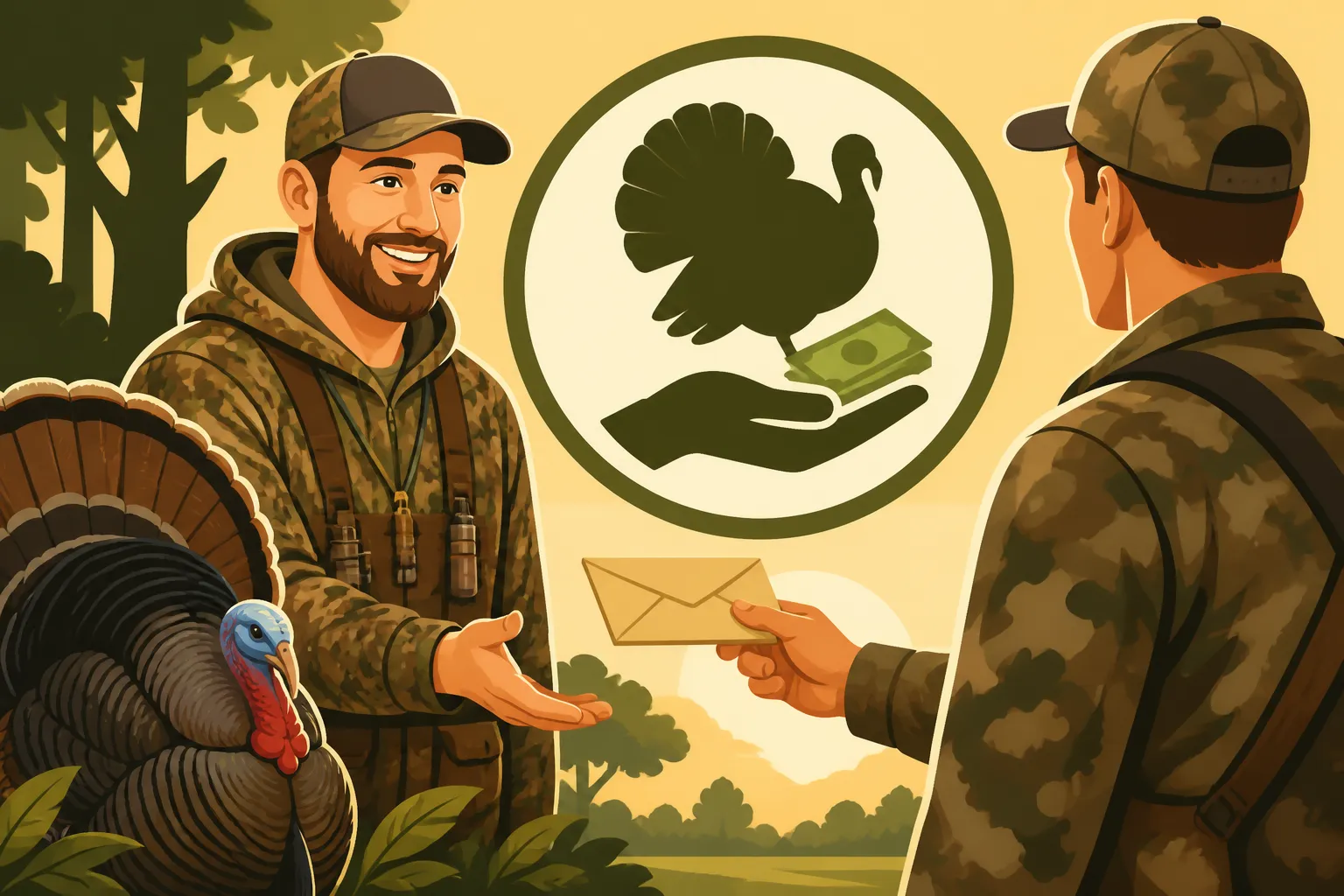
The timing of your tip is usually at the very end of your hunt, often when you're saying your goodbyes. It's best done privately, if possible, rather than in front of a whole group or other staff, though that's not always feasible. Handing it to them directly with a sincere "Thank you for an incredible hunt, I really appreciate your hard work" is the most personal and impactful way. This allows for a brief moment of appreciation and acknowledgement between you and your guide.
When it comes to the method of payment, cash is almost always king. It's discreet, immediately available to the guide, and ensures they receive the full amount without any deductions or processing fees. Many hunters make sure to stop by an ATM before their hunt specifically for this reason. However, if cash isn't an option, or if your hunt was booked through a reputable outfitter, sometimes guides can accept tips via digital payment apps like Venmo or PayPal, or even a personal check. It's always a good idea to discretely ask your outfitter or guide beforehand if they have a preferred method if you're not planning on cash. This preemptive question shows thoughtfulness. Some outfitters allow you to add a tip to your credit card payment, but be aware that the guide might not receive the full amount due to processing fees, and it might take longer for them to get it.
What if you've had a less-than-stellar experience? While the focus here is on showing appreciation, it's a realistic scenario. If a guide was truly unprofessional, unsafe, or lacked effort, withholding a tip is one way to express dissatisfaction. However, it's often more constructive to address serious concerns directly with the outfitter or lodge management, providing specific feedback. Tipping is for service, and if the service wasn't there, then the tip is optional. But for common challenges like a tough bird or bad weather, remember that the guide often works harder in those situations.
Beyond the monetary tip, there are other ways to show your appreciation that can mean a lot to a guide. A personal thank you note expressing specific things you enjoyed or learned from the hunt can be incredibly meaningful and often kept by guides for years. Sharing positive feedback with the outfitter or writing a glowing online review on platforms like GoHunt or BookYourHunt can also directly impact a guide's future bookings and reputation, which is invaluable. A five-star review mentioning their name specifically can be a huge boost.
Finally, consider simple gestures of camaraderie. Offering to help with chores around camp, sharing a meal, or simply engaging in friendly conversation about Mississippi Deer Camp Traditions can build a rapport that extends beyond just the transaction. Many guides love to connect with hunters, sharing their passion for the outdoors and the unique beauty of White-Tailed Deer Across Mississippi or Wild Turkeys in Mississippi. These moments of shared experience often make the hunt memorable for both client and guide, reinforcing the spirit of sportsmanship and mutual respect. Even if you don't bag a bird, the stories and lessons learned from a good Mississippi turkey guide are often worth more than the price of admission.
Disclaimer
This article is for general informational purposes only and does not constitute professional advice. Laws, prices and regulations vary by location and change over time. Consult a qualified professional for guidance on your specific situation.