What a Guided Mississippi Turkey Hunt Costs
If you've ever dreamt of hearing a thunderous gobble echo through the hardwoods of Mississippi, you're not alone. Turkey hunting here is a deeply rooted tradition, but navigating the world of guided hunts can feel a bit like stumbling through thick timber without a compass. Many folks wonder about the real cost, what's truly included, and how to make sure they're getting a genuine, quality experience without breaking the bank. This guide aims to clear up the confusion around the expenses involved in a guided Mississippi turkey hunt, helping you understand the variables and what to expect from your investment.
Understanding the Factors Influencing Guided Turkey Hunt Costs in Mississippi
When you start looking into guided turkey hunts in Mississippi, you'll quickly notice that prices aren't one-size-fits-all. It's not like buying a gallon of milk where the price is pretty standard across the board. Instead, a guided hunt is a service with many moving parts, and each one can nudge the overall cost up or down. Understanding these core factors is key to knowing what you're really paying for and whether the price tag aligns with the experience you're hoping to have.
Duration and Type of Hunt (Half-Day vs. Full-Day vs. Multi-Day)
One of the most immediate influences on the cost of a guided turkey hunt is simply how long you plan to be in the field. Think of it like booking a fishing charter; a half-day trip is almost always less expensive than a full-day excursion, and a multi-day adventure naturally carries a higher price tag. This holds true for turkey hunting too, as the outfitter is committing their time, their land access, and their expertise for a set period.
A half-day hunt might be an option for those on a tighter budget or hunters who are primarily looking for a morning gobble before heading off to other activities. It typically focuses on the prime early morning hours when turkeys are most active on the roost and tend to gobble more readily. These hunts are often more affordable, but they also offer a more condensed experience and less flexibility if the birds aren't cooperating during that specific window. On the other hand, a full-day hunt gives you the morning action, allows for a midday break, and then often sees you back in the woods for the afternoon hunt when gobblers might be roaming for hens again. This extended time provides more opportunities and allows the guide to adapt tactics throughout the day, perhaps moving to different areas if the initial spots are quiet.
Multi-day hunts are where the real deep dive into Mississippi turkey hunting happens. These packages, usually two to three days or even longer, offer the most immersive experience. You're not just trying to connect with a bird on a single outing; you're often getting multiple chances across different properties or varied terrain. This extended time allows for bad weather days, slow mornings, or the chance to pursue a particularly elusive gobbler. Outfitters providing multi-day hunts are also often providing more than just guiding; they're offering an entire experience, which brings us to the next point.
Inclusions and Exclusions (Meals, Lodging, Gear, Processing)
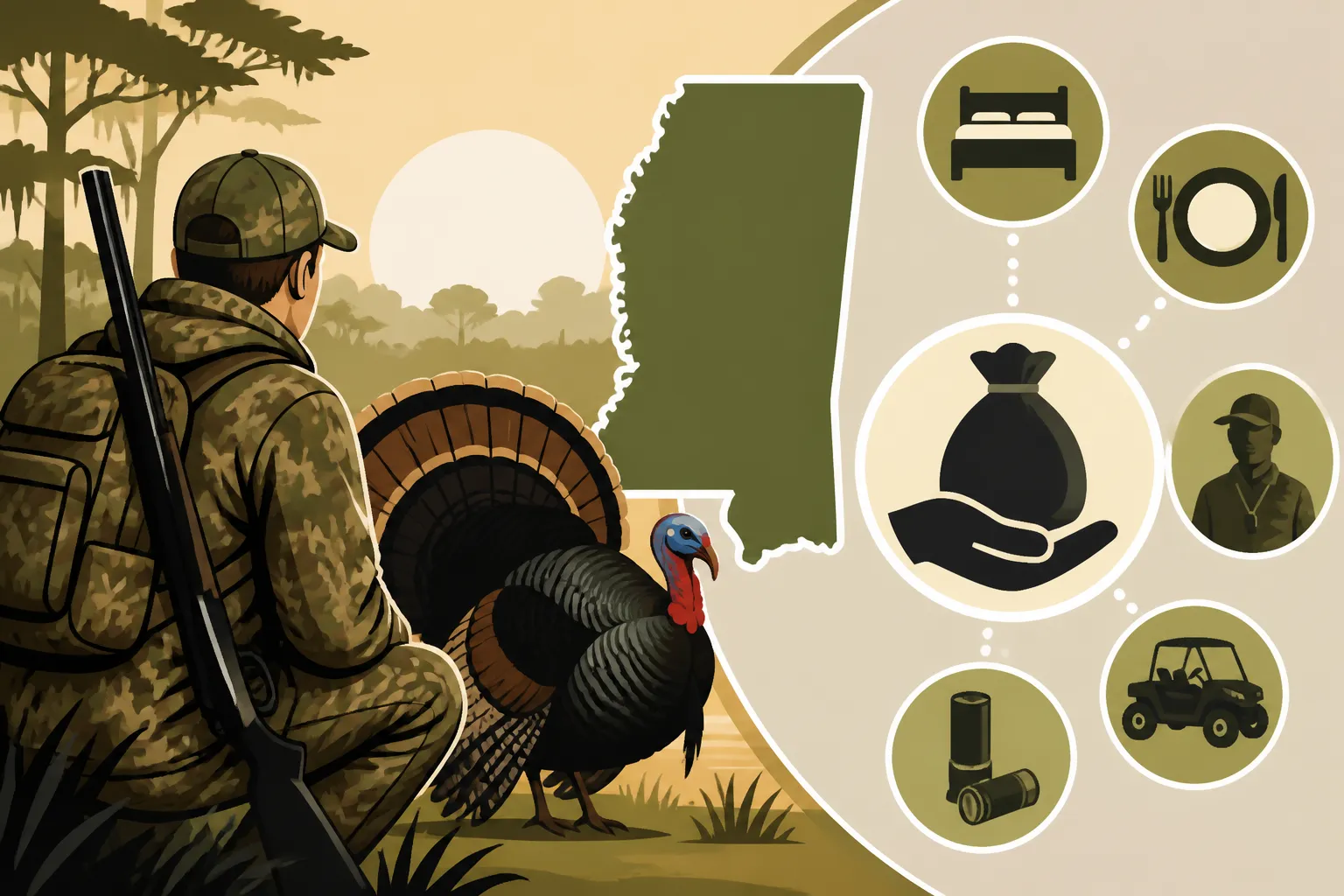
The base "guiding fee" is rarely the entire cost of a guided hunt. Many outfitters, especially those offering multi-day packages, build in additional services to create a comprehensive experience. This is where you need to read the fine print carefully, because what's included can dramatically affect the perceived value and the actual out-of-pocket expenses.
Some high-end outfitters and lodges in Mississippi might offer an "all-inclusive" package. This could mean your meals are prepared and served at the lodge, your overnight accommodations are provided in comfortable cabins, and sometimes even basic gear like calls or blinds are available for use. This can be a huge convenience, especially for out-of-state hunters who don't want to worry about cooking, finding a hotel, or hauling a lot of extra equipment. However, these packages will naturally command a higher price. On the other end of the spectrum, some guides might offer a "guide-only" service. You're paying strictly for their time and expertise in the woods, meaning you're responsible for your own lodging, food, transportation to the meeting spot, and all your hunting gear. This can be a more budget-friendly option, but it requires more planning and self-sufficiency on your part.
Beyond the basics, you might also find variations in what's offered regarding game processing and taxidermy. Some outfitters might offer basic field dressing or caping services as part of their package, while others will expect you to handle it or charge an additional fee. If you're hoping for a full-body mount or a European mount, discussing these arrangements and potential costs before your hunt is crucial. Don't assume anything; always ask for a detailed breakdown of what the listed price covers. You can often find a lot of this detail when searching through platforms like BookYourHunt, which clearly lists inclusions and exclusions for different outfitters.
Guide Experience and Reputation
Just like any skilled professional, a turkey guide's experience and reputation play a significant role in their pricing. A guide who has spent decades learning the nuances of Mississippi's wild turkeys, who consistently puts clients on birds, and who has a sterling safety record can (and should) command a higher fee. Their knowledge isn't just about calling; it's about understanding turkey behavior, habitat, weather patterns, and pressure on specific properties.
Think about a guide who has spent countless hours scouting Mississippi Turkey Roost Tree Preferences or Reading Delta Mud for Fresh Deer Movement, even if it's primarily for deer, that knowledge of the land often translates. They know the subtle clues that indicate where birds are feeding, nesting, or strutting. They know how to react when a gobbler hangs up or if an unforeseen obstacle arises. This level of expertise can be the difference between a frustrating silent morning and a thrilling encounter. Newer guides or those building their client base might offer slightly lower rates to attract business, which isn't necessarily a bad thing, but it's something to be aware of. When considering guides, look for testimonials, check their online presence, and don't hesitate to ask about their specific experience in the area you'll be hunting. This due diligence is a smart way to ensure your investment is worthwhile.
Breaking Down the Typical Cost Ranges for Mississippi Turkey Hunts
Now that we've explored the factors influencing cost, let's get into some actual numbers. It's important to remember that these are general ranges, and prices can fluctuate based on the specific outfitter, the season, and the economic climate. My goal here isn't to give you exact figures (since those change), but rather to paint a realistic picture of what you might encounter financially as you plan your Mississippi turkey adventure.
Day Rates for Standard Guided Hunts
For many hunters, especially those who live within driving distance or prefer to handle their own lodging, a single-day guided hunt is a popular and more accessible option. These "day rates" typically cover the guide's time and expertise for one full day of hunting, often from pre-dawn until late afternoon, or sometimes split into morning and afternoon sessions with a break in between.
In Mississippi, you'll generally find day rates for a guided turkey hunt fall into a certain range, reflecting the guide's investment in private land leases, fuel, vehicle maintenance, and of course, their invaluable knowledge. These rates usually assume you're bringing your own shotgun, ammunition, and other personal gear. They also usually do not include meals or lodging, leaving you responsible for those arrangements. It's a great option for hunters looking to benefit from a guide's local knowledge and calling prowess without committing to a larger, all-inclusive package. It's also an excellent way to get a feel for a particular area or a guide's style before potentially booking a longer trip in the future. Remember that while a single day might be more affordable upfront, you're also putting a lot of pressure on that one day to deliver a bird.
Multi-Day Package Pricing and What to Expect
If you're coming from out of state, or simply want a more immersive and less rushed experience, multi-day guided turkey hunt packages are likely what you'll be considering. These packages bundle the guiding service with other amenities, which significantly impacts the overall price. A typical package might include two or three full days of hunting, often with two to three nights of lodging and meals provided.
The value proposition here is that you're paying for convenience and a higher probability of success. With more days in the field, you have more opportunities to encounter gobblers, and the guide has more flexibility to adjust strategies based on bird movement, weather, and pressure. These packages usually involve staying at a dedicated hunting lodge or comfortable cabins, where you might share common areas with other hunters. Meals are often home-cooked and hearty, providing a true "Mississippi hunting camp" experience. When researching these packages, pay close attention to the number of hunting days versus nights of lodging, as well as the specific meal plan. Some might offer all three meals, while others might just cover breakfast and dinner. Platforms like GoHunt often detail these package inclusions, allowing for easy comparison. Keep in mind that securing a Booking an Early Mississippi Turkey Guide can be competitive, especially for prime dates, so plan well in advance.
Premium and "Trophy" Hunt Add-ons
While most guided turkey hunts focus on a fair chase opportunity at a legal gobbler, some outfitters might offer premium services or "trophy" hunt add-ons. These are less common for turkey hunting compared to deer, but they can exist and push the price higher.
A "premium" hunt might imply exclusive access to a less-pressured property, a higher guide-to-hunter ratio (perhaps one-on-one instead of two hunters with one guide), or specialized equipment like a particular type of blind or scouting camera setup. For turkey hunting, a "trophy" add-on might simply mean the outfitter guarantees a certain level of gobbler activity or offers an extended stay until success is achieved, which typically comes with an increased financial commitment. It's crucial to clarify what "trophy" means to the outfitter. Is it simply a legal bird, or are they implying a certain spur length or beard measurement? Always ensure these expectations are clearly communicated and agreed upon before booking, especially if you're paying extra for such a designation. For most, the thrill is in the hunt itself and the gobble, regardless of a specific "trophy" designation.
What's Included (and Often Not Included) in Your Hunt Package
When you're comparing guided hunt prices, it's easy to focus solely on the bottom line. However, a cheaper price isn't always a better value if it means you're on the hook for a bunch of hidden expenses later. Understanding the common inclusions and exclusions of Mississippi turkey hunt packages is crucial for accurate budgeting and avoiding unpleasant surprises once you arrive at camp.
The Essentials: Guiding, Calling, and Scouting
At the heart of any guided turkey hunt is the guide's expertise in the field. This is the core service you are paying for, and it generally includes several key components that are invaluable to a successful hunt, especially if you're unfamiliar with the local terrain or turkey behavior.
Primarily, this means the guide's time and skill in locating birds, setting up ambushes, and, crucially, calling turkeys. A good Mississippi turkey guide will have spent considerable time scouting their properties before the season to locate active roosts, strutting zones, and feeding areas. This pre-season work is essential to putting you in the best position possible. During the hunt itself, they'll use various calls – diaphragm, pot, box, slate – to mimic hen sounds, entice gobblers, and read their reactions. They'll know Calling a Mississippi Gobbler Off the Roost at first light and how to keep a hung-up bird interested. They'll also know how to Setting Up Against a Big Oak for optimal concealment and shot angles. This intimate knowledge of local turkey vocalizations and habits is truly what makes a guided hunt special. They're not just taking you to a spot; they're actively working to bring a bird within range, adapting to the birds' moods and movements throughout the day.
Lodging and Meal Arrangements
As mentioned earlier, whether lodging and meals are included is one of the biggest differentiators in guided hunt pricing. If you're booking a multi-day package, it's highly probable that some form of accommodation and food will be part of the deal.
Lodging can range from rustic bunkhouses on a large private timber tract to more comfortable, modern lodges with private rooms and en-suite bathrooms. Some outfitters partner with local motels or rental cabins, while others have their own dedicated facilities. Clarify the type of lodging upfront, especially if comfort is a high priority for you. Shared bunk rooms are common, especially in more budget-friendly packages, so don't assume a private room unless explicitly stated. Similarly, meal plans vary. Many full-service lodges pride themselves on home-cooked, Southern-style meals, offering breakfast, lunch, and dinner. Others might provide two meals, leaving lunch as a field-packed snack or a stop in town. If you have dietary restrictions or preferences, it's essential to communicate these well in advance to ensure the outfitter can accommodate you. Remember, even if meals are included, snacks, beverages, and any adult refreshments you might want are typically your responsibility.
The Hidden Costs: Licenses, Tags, and Tips
Beyond the advertised price of the hunt, there are almost always additional costs you need to factor into your total budget. Failing to account for these can lead to a significant dent in your wallet once you're already committed.
First and foremost are licenses and tags. No guided hunt in Mississippi will include the cost of your state hunting license or specific turkey tags. You are responsible for purchasing these yourself, usually online through the Mississippi Department of Wildlife, Fisheries, and Parks (MDWFP) website before your trip. For non-residents, these fees can be substantial, so research the current Mississippi Nonresident License Options and Mississippi Wild Turkey Stamp Cost in Mississippi well in advance. Some outfitters might help you navigate the process or even provide links, but the purchase is entirely on you. Secondly, tipping your guide is customary and expected in the hunting industry, much like tipping a fishing guide or a restaurant server. The amount can vary depending on the quality of the experience, the guide's effort, and whether you harvested a bird. A general rule of thumb is often a percentage of the hunt cost, but a personalized tip based on service is always appreciated. Discussing this discretely with the outfitter or other hunters can give you a better idea of local customs. Finally, consider transportation to and from the hunting area, any personal gear you might need to purchase (specialized calls, camo patterns), and if you plan to get your bird processed or taxidermied, those costs too. For instance, knowing the Mississippi Spring Turkey Bag Limit Rules or Mississippi Youth Turkey Bag Limit Rules can help you determine how many birds you might harvest and therefore, how many you might need to process.
| Cost Category | Typically Included (Often in Multi-Day Packages) | Often Excluded (Your Responsibility) |
|---|---|---|
| Guiding/Calling | Yes | No |
| Pre-Season Scouting | Yes | No |
| Lodging | Often (Multi-day packages) | Yes (Day hunts, unless specified) |
| Meals | Often (Multi-day packages) | Yes (Day hunts, snacks, beverages, special requests) |
| Hunting License | No | Yes (State & federal, turkey tags) |
| Guide Tip | No | Yes (Customary) |
| Transportation | No (To and from hunting area) | Yes (To meeting spot, travel from home) |
| Personal Gear | No (Shotgun, ammo, camo, boots) | Yes (Some outfitters might have calls, blinds) |
| Game Processing | Rarely (Basic field dressing sometimes) | Yes (Butchering, packaging) |
| Taxidermy | No | Yes |
Choosing the Right Outfitter and Getting the Best Value
With the varying costs and inclusions, picking the right outfitter for your Mississippi turkey hunt can feel like a daunting task. You want to make an informed decision that balances your budget with your desire for a high-quality, memorable experience. It's about doing your homework and asking the tough questions upfront.
Researching Outfitters and Reading Reviews
The internet has made researching outfitters easier than ever, but it also means wading through a lot of information. Start by looking for outfitters specifically advertising guided turkey hunts in Mississippi. Many guides specialize in deer or waterfowl, so ensure their turkey program is robust. Focus on their experience, the areas they hunt, and what their past clients say.
Don't just look for five-star reviews; pay attention to the details within those reviews. Do people praise the guide's calling ability? Their patience? The quality of the food and lodging? Conversely, look for recurring complaints. Are hunters consistently struggling to get on birds? Are there issues with communication or promises not kept? Websites like BookYourHunt and GoHunt are excellent resources for finding reputable outfitters and reading verified reviews from past clients. These platforms often provide detailed profiles, photos, and clear breakdowns of what each hunt package offers. A quick search might also lead you to forums or social media groups where hunters openly discuss their experiences with various outfitters. This grassroots information can be incredibly valuable, offering insights that official websites might not.
Asking the Right Questions Before Booking
Once you've narrowed down your choices, it's time to pick up the phone or send an email. This direct communication is vital for clarifying details, understanding expectations, and getting a feel for the outfitter's professionalism. Don't be shy; a reputable outfitter will appreciate your thoroughness.
Start by asking about their success rates. While no hunt is guaranteed, an outfitter should be transparent about their typical client success, especially in terms of opportunities for shots and birds harvested. Inquire about the specific properties you'll be hunting – are they private lands? Are they high-fenced? How much pressure do they see? Ask about the guide's experience specifically with turkeys; how long have they been guiding turkey hunts? What's their preferred method for Hunting the Late-March Turkey Opener? Clarify the maximum number of hunters per guide. A lower ratio, like one-on-one, often leads to a more personalized and effective experience but might cost more. Get a written agreement or confirmation that details what's included, the total cost, deposit requirements, and cancellation policies. Understanding the Deposits and Cancellation Terms in Mississippi is critical. Finally, ask for references from past clients whom you can contact directly. Talking to someone who has already experienced the hunt can provide invaluable, unbiased insights.
Considering Budget-Friendly Alternatives
If the cost of a fully guided hunt is stretching your budget, or if you prefer a more independent experience, Mississippi offers excellent opportunities for self-guided or semi-guided turkey hunting. This can significantly reduce costs while still providing access to quality hunting grounds.
Mississippi boasts a substantial amount of public land, including national forests like Homochitto and Bienville, and numerous Wildlife Management Areas (WMAs). While these areas often require more scouting and legwork on your part, they can offer fantastic turkey hunting at a fraction of the cost of a guided trip. You'll need to research specific WMA regulations, which often include a separate WMA permit on top of your state license. Hunting public land might mean more Run-and-Gun Turkey Tactics on Public Land and navigating Hunting Pressure on Mississippi Public Land, but it's a rewarding experience for those willing to put in the effort. Another alternative is a "semi-guided" hunt. Some outfitters offer a service where they put you on a property, give you some pointers, perhaps show you a map of where birds have been seen, but then leave you to hunt independently. This can be a middle-ground option, providing some initial guidance without the constant presence and higher cost of a fully guided experience. Don't forget that Mississippi Spring Turkey Season Rules are strict, regardless of if you're guided or not, so always stay legal.
Maximizing Your Investment and Preparing for Your Hunt
You've done your research, booked your guide, and now the excitement is building. To truly maximize the value of your guided Mississippi turkey hunt, it's essential to arrive prepared, both physically and mentally. A successful hunt isn't just about the guide; it's also about what you bring to the table as a hunter.
Physical and Mental Preparation
Turkey hunting, especially the kind of active pursuit often employed in Mississippi's varied terrain, can be more physically demanding than some hunters anticipate. You might be walking considerable distances, navigating uneven ground, getting up extremely early, and sitting still for long periods. Being in reasonable physical condition will greatly enhance your enjoyment and ability to participate fully in the hunt.
Think about the long treks through bottomland hardwoods or up and down the Still-Hunting Hills Unit Ridges. The more fit you are, the less fatigued you'll be, and the more capable you'll be of keeping up with your guide or making a quick move when a gobbler is spotted. Beyond physical fitness, mental preparation is just as crucial. Turkey hunting can be a game of patience, frustration, and quick decisions. Turkeys are notorious for being finicky; they might gobble fiercely one minute and then go completely silent the next. They might hang up just out of range, or suddenly appear where you least expect them. Having the mental fortitude to stay positive, remain patient, and follow your guide's instructions is paramount. Trust your guide's judgment, even if it means sitting still for longer than you'd like or moving when you'd rather stay put. That trust is part of what you're paying for.
Gear Essentials and What to Bring
Your guide will typically advise you on specific gear, but there are some universal essentials for a Mississippi turkey hunt. Having the right equipment ensures your comfort, safety, and readiness when an opportunity arises.
First, your shotgun. Ensure it's patterned correctly for your choke and preferred turkey load. Discuss with your guide if there are any Mississippi Minimum Rifle Caliber Rules for certain game that might cross over with safety zones, although shotguns are standard for turkeys. Bring enough ammunition for practice and the hunt itself. Camouflage is crucial, and full concealment from head to toe (including a face mask and gloves) is highly recommended. Pay attention to the local foliage and patterns that will blend in with Mississippi's spring woods. Comfortable, waterproof boots are non-negotiable, as you might be walking through dew-soaked grass, mud, or even shallow water in bottomland areas. A comfortable, supportive vest or small backpack to carry calls, water, snacks, a flashlight, and any other essentials is also key. Don't forget bug spray – Mississippi springs can be prime time for mosquitoes and ticks! While your guide will have calls, bringing one or two of your own that you're proficient with can sometimes be an asset.
Post-Hunt Considerations: Processing and Taxidermy
The shot is made, the gobbler is down – now what? Discussing post-hunt arrangements with your outfitter beforehand will save you a lot of last-minute scrambling and ensure your trophy and meat are handled properly.
Most guides will perform basic field dressing of your bird. This typically involves removing the entrails to help cool the bird quickly. Beyond that, the level of processing offered can vary. Some might provide guidance or facilities for you to skin and breast out your bird, while others might direct you to a local processor. If you're planning on taking your bird home to eat, research local processing options in advance if your guide doesn't offer it. If you're hoping for a taxidermy mount, whether it's a fan, spurs, beard, or a full-body mount, communicate this to your guide immediately after the harvest. They can then advise on the best way to care for the bird (e.g., proper caping) and might even have recommendations for local taxidermists. Keep in mind that Mississippi Turkey Checking Requirements often involve reporting your harvest, so be prepared for that process, usually through the MDWFP app or website. Properly caring for your bird in the field and making arrangements for its subsequent handling is the final step in truly maximizing your hunting investment.
Disclaimer
This article is for general informational purposes only and does not constitute professional advice. Laws, prices and regulations vary by location and change over time. Consult a qualified professional for guidance on your specific situation.