Sitting a Field Edge in Late Season
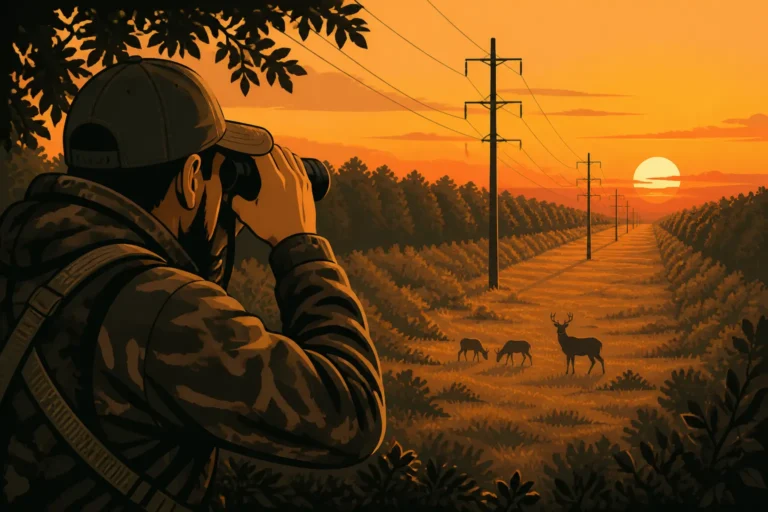
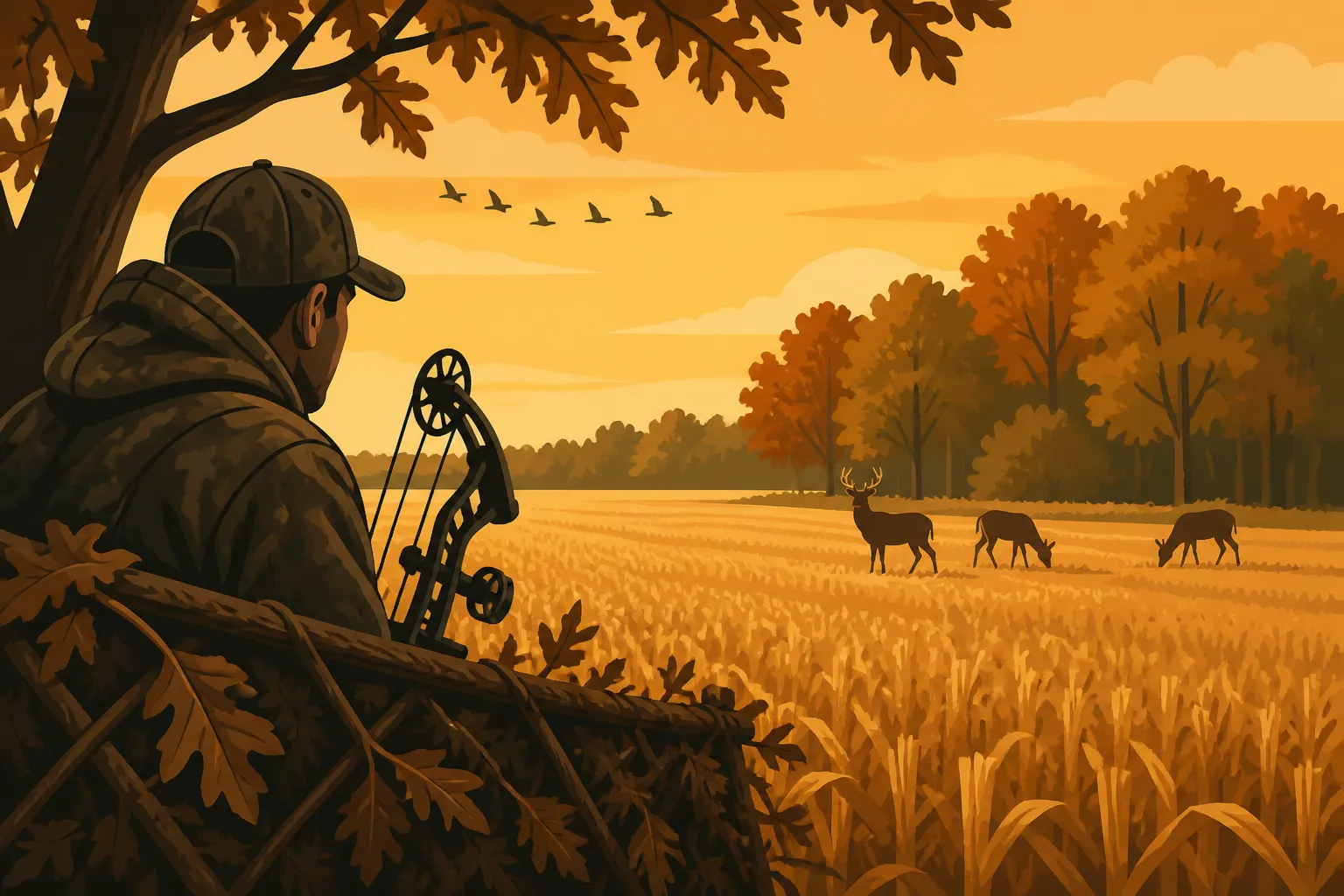
The late season in Mississippi can feel like a whole new ballgame, especially when you're trying to figure out where the deer are. That once-hot field edge you hunted in October now seems completely barren, and the deer patterns you relied on during the rut have vanished. It's frustrating to sit for hours in the cold, questioning if you're even in the right spot. This guide is all about adapting your strategy for sitting a field edge effectively during the late season, helping you understand how deer utilize these areas when food becomes king and cover is crucial, leading to success even when the woods seem quiet.
Understanding Late-Season Deer Behavior on Mississippi Field Edges
Once the frenzy of the rut winds down, deer, especially the mature bucks, are in recovery mode. They’ve expended a tremendous amount of energy chasing does, fighting rivals, and generally running themselves ragged. Now, their primary focus shifts dramatically from breeding to survival: finding abundant food sources to replenish their fat reserves and securing safe cover. This fundamental change in priorities is why a field edge that was once a travel corridor might now be a full-blown dining hall, or conversely, completely ignored.
The Post-Rut Reality and Food Focus
After the exhausting peak of the rut, a Mississippi deer's internal compass points squarely to food. Gone are the days when a buck might carelessly cruise through open areas, scent-checking for does. Now, every calorie counts. This means that field edges bordering standing crops, winter food plots, or even fields with leftover gleanings become absolute magnets. Think about those soybean fields that weren't fully harvested, or the forgotten corners of a cornfield. While much of the main crop might be gone, deer are incredibly efficient at finding what remains.
Winter wheat, clover, and brassica food plots become especially critical. If you have access to land with these planted, you’re often sitting on a goldmine. Deer will gravitate towards these nutrient-rich plots, often hitting them late in the afternoon and staying well into the dark. On public lands, or properties without managed food plots, deer will seek out natural browse and whatever native hard mast (like late-dropping acorns) might still be available, but they will still visit fields if an easy, high-calorie meal can be found. The key is to remember that for a deer in late December or January, food isn't just a convenience; it's a matter of survival, especially as colder temperatures demand more energy. If you're wondering what kinds of plots or natural forage are best, it pays to research Late-Season Food Sources for Mississippi Whitetails.
Impact of Weather and Pressure on Field Use
The late season in Mississippi, while often associated with colder temperatures, can still be quite unpredictable. We can get bitter cold snaps one week and unseasonably warm, rainy days the next. These weather swings profoundly impact how deer use field edges. A significant cold front, especially one following a period of mild weather, can be a hunter's best friend. When temperatures drop and the wind picks up, deer instinctively know they need to fuel up. This often translates to them hitting fields earlier in the afternoon and staying longer, driven by the intense need for calories. They'll brave colder conditions for a vital meal.
Conversely, during warmer spells, deer might not feel the same urgency to feed openly. They may linger in thick cover longer, only venturing into the fields right at last light, or even after dark. Heavy hunting pressure also plays a massive role. During the busy gun season, especially on public lands or smaller private tracts, deer quickly become educated. They learn to associate open field edges with danger. This can push them into more nocturnal patterns or force them to utilize only the most secluded, brushy corners of fields, where they feel safer. Understanding this dance between weather and pressure is crucial. A mature buck isn't going to risk his life for a snack if he feels exposed. That's why your setup needs to be as subtle and strategic as possible.
Scouting and Selecting the Right Late-Season Field Edge in Mississippi
Identifying the right field edge in late season isn't about finding any field. It's about finding the right field, one that offers both sustenance and security. This often requires a more detailed and cautious approach to scouting than you might employ earlier in the season.
Identifying Key Food Sources and Entry/Exit Points
First things first: not all fields are created equal in the late season. Many agricultural fields will be completely barren, especially after harvest. You need to focus on what’s left. Are there standing rows of corn or soybeans that farmers couldn’t get to? Sometimes, even after a combine has passed through, there’s enough spilled grain or overlooked plants to attract deer. Planted winter food plots, whether clover, brassicas, or winter wheat, become incredibly important. These fields offer a consistent, high-energy meal when natural browse is scarce. I've seen deer absolutely hammer a small clover plot tucked away on a logging road, even when larger fields nearby were untouched.
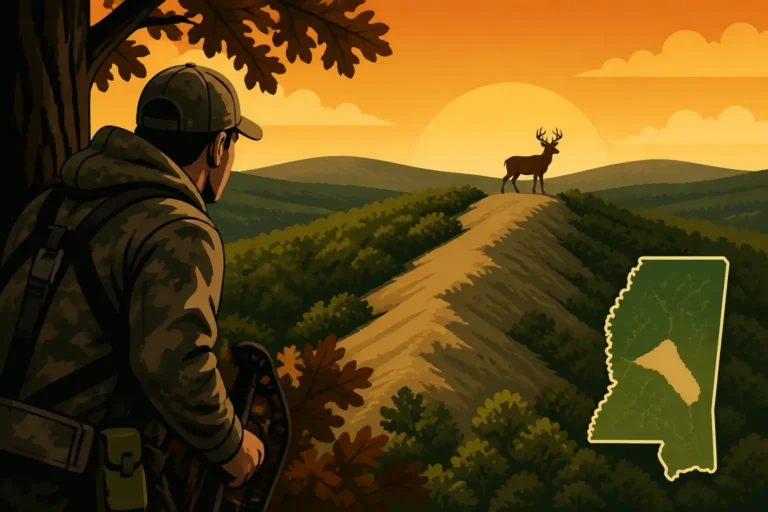
Once you’ve identified a potential food source, the next step is to pinpoint the deer’s preferred entry and exit points. Deer are creatures of habit and efficiency. They’ll take the path of least resistance from their bedding areas to the food. Look for pinch points, natural funnels created by topography, thick fencerows that offer cover, creek crossings, or dense thickets that connect bedding cover to the field. These are the arteries of deer movement. Using aerial maps, like those found on the GoHunt app, is incredibly useful for this initial phase. You can often spot natural funnels and bedding areas from a bird's-eye view, saving you countless hours of tromping through the woods. Then, follow up with on-the-ground scouting, looking for fresh tracks, droppings, and browse lines along these identified routes. Pay close attention to subtle details, as deer trails can sometimes be faint. Learning how to effectively scout public land before the season can give you a significant advantage, even in late season. Another great resource is Reading Aerial Photos for Hills Unit Deer which helps you understand how terrain influences deer movement.
Strategic Stand Placement for Concealment and Wind
This is where many late-season hunts are won or lost. The traditional treestand setup you used in September or October might be completely busted now. With less foliage on the trees, deer are much more likely to spot you silhouetted against the sky. Your priority needs to be maximum concealment. Think about placing your stand (or ground blind) in the thickest cover possible along the field edge. This could be a dense briar patch, a thicket of young pines, or a cluster of hardwoods with persistent leaves that offer natural camouflage. Don't be afraid to brush in your stand or blind extensively. The goal is to become part of the natural landscape, not just an object in it. Using a ground blind on public land can be incredibly effective here, especially if you can get it in place early and let the deer get used to it. I’ve had great success brushing in a blind on a field edge, making it virtually invisible.
The wind remains your absolute enemy or your best friend, especially with wary late-season bucks. You must play the wind flawlessly. A mature buck will circle downwind of a field edge before entering, trying to scent-check for danger. Position your stand so that your scent blows away from known entry points and the field itself. This often means being on the downwind side of the deer’s expected travel path. Don't just check the wind once; monitor it constantly, even considering slight shifts throughout the day. If the wind isn't right for your primary spot, have a secondary option, or simply don't hunt that day. Pushing deer out of a late-season food source can ruin it for weeks. For more on tactical setups, consider reading about Brushing In a Blind on a Field Edge.
Effective Tactics for Hunting Mississippi's Late-Season Field Edges
Once you've done your homework and found that prime late-season spot, it’s time to put those tactics into action. Success in the late season often boils down to patience, discipline, and understanding the subtle nuances of deer movement during this challenging time.
Timing Your Hunts and Maximizing Low-Light Opportunities
In the late season, deer movement often shifts dramatically towards the edges of legal hunting light. You'll find that the peak activity around field edges usually occurs during the last hour or two of daylight and the first hour or two of legal shooting light in the morning. This means you need to be in your stand or blind well before daylight breaks, and you need to be prepared to stay until the last legal minute in the evening. Don’t rush in, making noise and potentially spooking deer already in the field. Similarly, don’t climb down early, because that last 15-30 minutes can often be the most productive, especially for mature bucks.
This extended sitting requires preparation. Dress in layers, use hand warmers and foot warmers, and consider a portable heater if hunting from an enclosed ground blind. Nothing busts a hunt faster than shivering so much you can't hold your bow or rifle steady. The "last light magic" is a real phenomenon in late season, as deer, feeling the safety of impending darkness, will finally commit to moving into the open. So, be patient, stay vigilant, and embrace those low-light opportunities.
Patience, Scent Control, and Minimal Movement
Late-season deer are, generally speaking, the wariest deer of the entire year. They’ve been pressured for months, they've navigated the rut, and they've survived to this point by being incredibly cautious. This means your patience and discipline must be at their absolute peak. Every single detail matters. Rigorous scent control is not negotiable; it’s essential. Use scent-eliminating sprays, wash your clothes in scent-free detergent, shower with scent-free soap, and store your hunting clothes in airtight containers. Even little things, like the scent from your breath or your boots, can be enough to spook a mature buck.
Once you’re in your stand or blind, become a statue. Any unnecessary movement, whether it’s checking your phone, fidgeting, or even reaching for a snack, can be picked up by sharp deer eyes. Move slowly, deliberately, and only when absolutely necessary, preferably when a deer’s head is down feeding or it’s looking in another direction. The mantra "sit still, get still" truly applies here. Avoid standing up, stretching, or making any sudden movements. Those deer have a sixth sense for human presence, and a slight flicker of movement can send them bounding back into the timber. If you've ever struggled with long sits, some of the advice for Warm-Weather Sitting Strategy in Mississippi can actually be adapted for cold weather, focusing on comfort and mental endurance.
Calling and Decoying Considerations
Is calling effective in late season? Sometimes. It's certainly not the primary tactic it might be during the rut, but a soft grunt or a doe bleat can occasionally pique a curious deer's interest. Use it sparingly and subtly. Over-calling will likely do more harm than good with educated, wary deer. A few soft bleats, mimicking a content doe, might encourage another deer to commit to the field.
Decoys are also a nuanced tactic. A single doe decoy placed realistically in a food plot could potentially draw in another doe or even a cruising buck looking for a late-season breeding opportunity (though these are rare post-rut). However, if your area has high hunting pressure, decoys can sometimes scare deer off, as they might associate unusual shapes with danger. If you do use a decoy, ensure it’s visible but not overly exposed, and always be mindful of shooting light and the angle. The GoHunt app can provide real-time weather and solunar data, which might help you decide if a calling or decoying strategy is worth the risk on a given day, suggesting periods of peak movement when such tactics might have a slightly higher chance of success.
Overcoming Late-Season Challenges on Mississippi Field Edges
Hunting late-season field edges comes with its own unique set of frustrations and obstacles. From unpredictable weather to extremely wary deer, you'll need to be prepared to adapt.
Dealing with Changing Weather Patterns
Mississippi weather in late season can be a real rollercoaster. One day you’re dealing with a mild, 60-degree afternoon, and the next a bitter cold front sweeps through, dropping temperatures into the 20s. This variability means you need to be constantly checking the forecast and adjusting your gear and strategy accordingly. Layering is paramount; you can always shed a layer, but you can’t conjure one out of thin air if you’re under-dressed. Quality base layers, insulating mid-layers, and a windproof, waterproof outer shell are essential. Hand warmers and chemical foot warmers become your best friends, keeping your extremities comfortable during long, cold sits.
These weather shifts also directly impact deer. A sudden drop in temperature, especially after a period of mild weather, can trigger intense feeding activity. Deer know they need to pack on calories to stay warm. On the flip side, a warm spell might cause them to hold tight in bedding cover for longer, reducing daytime movement into fields. For a deeper dive into how different weather conditions influence deer, check out Hunting Deer After a Cold Front. Understanding these nuances will help you predict when deer are most likely to show up on those field edges.
Handling Hunting Pressure and Educated Deer
Public land, or even smaller private tracts in Mississippi, can see significant pressure, especially during the general gun season. By late season, many deer have already had close encounters with hunters, making them incredibly wary. If you’re hunting a field edge that’s easily accessible or frequently hunted, chances are the deer are either entirely nocturnal or are using more secluded, overlooked entry points. This is where your scouting and strategy become critical.
You might need to work harder to find ground others walk past. This could mean walking an extra mile, crossing a creek, or navigating a dense thicket to reach a less-pressured corner of a field. Look for areas where the cover is thickest right up to the field edge, offering deer maximum security. Hunting during the mid-week can also be a game-changer compared to battling weekend crowds. Sometimes, the most frustrating thing is knowing the deer are there but being unable to get on them during legal light. Patience and a willingness to explore harder-to-reach spots are key to finding success when deer have become educated.
Recovery Challenges in Cold or Wet Conditions
Let’s be honest: tracking a deer in late season can be a real pain. If the ground is frozen, blood trails can be minimal to non-existent. If it’s been raining, the trail can quickly wash away. And if the deer makes it into thick, thorny cover, you’re in for a grueling recovery. The lack of lush green vegetation means a deer might not leave as much visible blood as it would in early season. This validates a common frustration: sometimes you make a perfect shot, and the blood trail just vanishes into thin air.
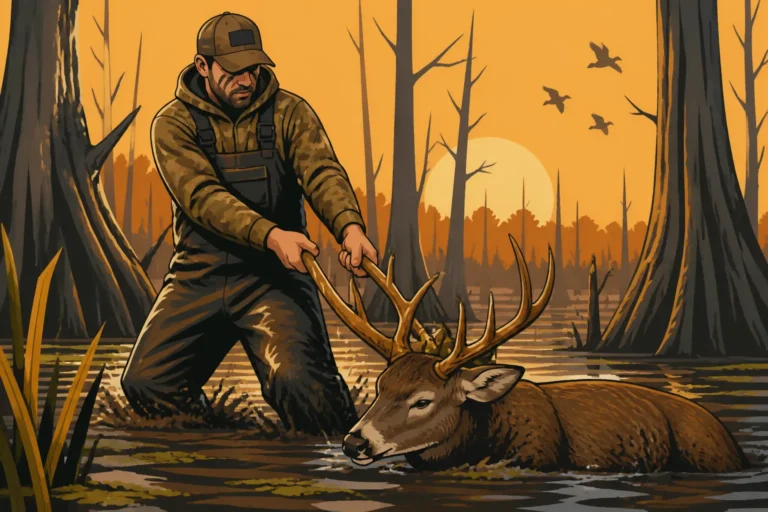
Because of these challenges, it’s even more critical to give a deer ample time before tracking, especially if your shot wasn't absolutely perfect. Waiting two to three hours, or even longer, if you suspect a gut shot, is paramount. Bring a good tracking light, even if you plan to track during daylight hours, as shadows can hide crucial sign. If snow is on the ground (rare in much of Mississippi, but not impossible in the northern parts), it can be a blessing for tracking, but also a race against the clock if more snow is falling. Always have a plan for recovery, especially if you’re near a slough or dense swampy bottomland. Knowing how to efficiently Tracking a Deer Through Mississippi Leaf Litter can save you a lot of headache, and if it comes to it, learning the intricacies of Blood Trailing After Dark in Mississippi is an invaluable skill.
| Strategy Aspect | Early Season Field Edge | Late Season Field Edge |
|---|---|---|
| Deer Focus | Mixed (Food, Rutting) | Heavily Food-Driven |
| Primary Food | Acorns, Lush Browse | Remaining Crops, Food Plots, Natural Browse |
| Movement Peak | Early morning/Late afternoon (rut), Dawn/Dusk (early fall) | Often Last Hour of Light & First Hour of Morning |
| Concealment | Good foliage cover helps | Critical, bare trees require thickest cover |
| Stand Type | Treestand (often higher) | Ground Blind, well-brushed treestand (lower) |
| Wind Importance | Very important | Absolutely critical, no margin for error |
| Hunting Pressure | Moderate to High | Extremely High, deer are highly educated |
| Scouting Focus | Trails, rubs, scrapes | Specific food sources, hidden entry points |
| Calling Efficacy | Moderate to High (rut) | Low to Moderate (subtle only) |
| Patience Level | High | Extremely High |
Disclaimer
Please be aware that hunting regulations and seasons are subject to change. Always consult the latest Mississippi Department of Wildlife, Fisheries, and Parks (MDWFP) regulations before planning any hunting trip. This guide is for informational purposes only and does not supersede official state regulations.