Warm-Weather Sitting Strategy in Mississippi
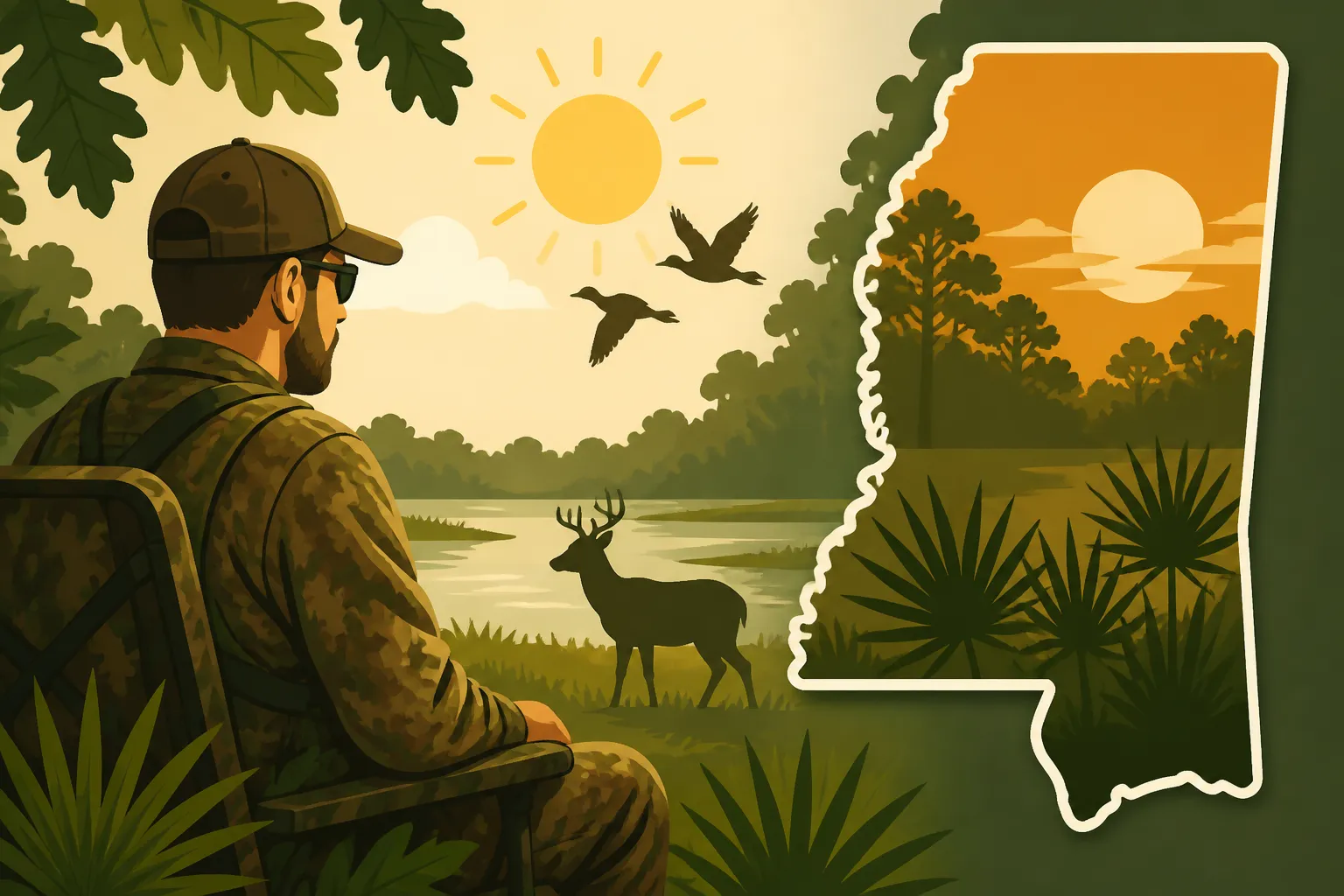
Hunting in Mississippi often means battling some serious heat, especially during those early archery days or even during later gun seasons when an unseasonably warm spell rolls through. Trying to sit still and wait for deer when the air is thick and muggy can feel like a losing battle, but trust me, there are smart strategies to employ. This guide will help you understand how deer adapt to the heat and, more importantly, how you can adjust your sitting strategy to stay effective when the mercury climbs.
Understanding Warm-Weather Deer Behavior in Mississippi
When the Mississippi sun is blazing, deer aren't exactly doing cannonballs into the nearest pond, but they are definitely altering their daily routines. It's crucial for us as hunters to recognize these shifts and adapt our approach. Thinking like a deer in the heat is your first step toward success.
How Heat Impacts Deer Movement
Picture yourself on a sweltering August afternoon – are you running a marathon or lounging in the shade? Deer are no different. High temperatures significantly reduce their activity, especially during daylight hours. They're trying to conserve energy and stay cool. You'll notice a considerable drop in general movement, with deer preferring to stay bedded down in cool, shaded areas for longer periods. This often pushes their primary feeding and breeding movements into the cooler parts of the day, meaning very early morning and late evening, or even deep into the night.
The metabolic demands of staying cool in hot weather also impact their appetite. While they still need to eat, their urgency to hit open food plots might diminish if it means exposing themselves to the sun and heat. Instead, they might opt for more water-rich forage or simply browse closer to their bedding areas. You're less likely to see that big buck parading across an open field at 2 PM when it's 90 degrees and humid.
Preferred Warm-Weather Bedding Areas
When it’s hot, deer prioritize comfort and cooling. This means their bedding choices shift dramatically. They're looking for places where they can escape direct sunlight and catch any stray breeze. Think thick, dense cover, often in low-lying areas or close to water.
In the Mississippi Delta, you might find them tucked deep into a cane brake or a thicket along a slough. These areas offer dense canopy cover, which shades the ground, and the proximity to water can create a slightly cooler microclimate. Similarly, in the Hills Unit, deer will often seek out the north-facing slopes, especially those with heavy timber or thick undergrowth, as these areas receive less direct sunlight throughout the day. They'll also bed down in creek bottoms or ravines where cool air settles. Any spot that acts like a natural air conditioner, protecting them from the sun and offering a bit more moisture, is prime real estate during warm spells. Understanding these specific bedding preferences can give you a significant advantage in your scouting and stand placement.
Key Warm-Weather Food Sources
While deer are certainly driven by food, warm weather makes them picky. During the early archery season, if acorns are starting to drop, they can be a major draw, especially white oak acorns which are less bitter. However, deer won't travel far from cover to get them in the heat of the day. They’ll often browse on lush, green vegetation that's high in moisture, helping them stay hydrated.
You might also find deer hitting small, isolated green plots or tender new growth, but again, typically at first light or last light. The vibrant, well-manicured food plots that shine in cooler weather can be ghost towns during a hot afternoon. Focus on natural browse in shaded areas or smaller, tucked-away plots that offer quick access to dense cover and water. The quality and type of browse can be critical, as deer will instinctively seek out vegetation that provides hydration as much as nutrition.
Strategic Stand Placement for Warm-Weather Success
When it’s hot, where you set up your stand becomes even more critical than usual. You can’t just throw a stand up on a well-used trail from last season and expect deer to walk by if that trail is exposed to the midday sun. You need to think about how deer move in relation to cooling and cover.
Targeting Water and Shade Sources
Deer, just like us, need water to survive, and in hot weather, that need becomes urgent. Setting up near reliable water sources like secluded ponds, creeks, sloughs, or even swampy areas can be incredibly productive. These aren't just drinking spots; they're also places where deer will seek cooler air and refuge. A stand overlooking a hidden slough in the Delta or a cool creek bottom in the Hills can be a goldmine.
Look for areas where deer can get a drink and immediately disappear back into thick, shaded cover. This often means finding those dense pockets of woods, brush, or cane that provide a complete canopy overhead. Consider hanging a stand on the edge of a mature timber block that borders a smaller creek or a secluded pond. The deer will use these areas to travel, bed, and drink. You'll want to study your maps, perhaps with a tool like GoHunt, to identify these isolated water features and thick cover.
Identifying Warm-Weather Travel Corridors
Forget wide-open trails in the sun. In warm weather, deer become ghosts, using the densest, most shaded routes available. Their travel corridors will shift from open lanes to thick, brushy creek bottoms, deep ravines, fencerows with good cover, and the edges of expansive swamps. They’re basically looking for the easiest, most protected path from their bedding area to their food and water, all while avoiding direct sunlight.
Look for funnels created by changes in elevation or cover density that also offer shade. A narrow strip of timber that connects two larger blocks of cover, especially if it runs along a creek or ditch, can be a prime warm-weather travel route. These are often the places where deer feel most secure moving during daylight, even if it's hot. Scouting these specific types of funnels and pinch points where deer are forced to travel through cover, rather than across open ground, is crucial. You might also find them using the shaded sides of logging roads or powerline cuts, but only if there's enough overhead canopy to offer relief. This kind of nuanced scouting and identifying these specific corridors are key to success.
Considerations for Wind and Thermals
Wind and thermals are always important in deer hunting, but in warm, still conditions, thermals become even more pronounced. Warm air rises, and cool air falls, which means your scent can behave unpredictably. In the mornings, as the ground heats up, air will rise, carrying your scent upwards. In the evenings, as the ground cools, air will fall and settle into low-lying areas, carrying your scent downwards into creek bottoms and draws.
When setting up, always be mindful of how these air currents will carry your scent. In warm weather, especially during those low-light hours when deer are most active, you need to be absolutely certain your scent isn't blowing into their sanctuary or travel routes. Use a scent-wick or milkweed to constantly monitor subtle air movements. A common mistake is to hunt a ridge top in the evening expecting your scent to rise, only to have a thermal inversion push it down into a deer's lap. This is where meticulous planning, possibly using the wind data available on a platform like GoHunt, can save your hunt. Remember, the slightest breeze can carry your human odor, and in warm weather, deer are already on high alert for anything out of the ordinary.
Tactics for Effective Warm-Weather Hunting Sessions
It's not just about where you sit; it's also about how you hunt during these challenging conditions. Patience and precision become paramount.
Optimizing Your Hunt Times
Forget all-day sits when it's scorching. Deer movement is compressed into shorter windows. Your best bet is to focus on the first hour or two of daylight and the last hour or two before dark. These are the coolest parts of the day, and when deer are most likely to move from their bedding areas to food and water, or vice-versa.
Mid-day sits are generally unproductive and frankly, pretty uncomfortable. Instead of pushing yourself and risking overheating, use that time to rest, rehydrate, and plan your next move. Short, high-impact hunts during the prime times are far more effective than long, exhausting sessions in the heat. Think about using an app to check the Mississippi Deer Season Structure Explained and plan your hunts around daily forecasts and peak movement times. Some hunters even find success by targeting just the last 30 minutes of shooting light, as deer often wait until the very last moment to step out, especially if they're feeling pressured or the weather is particularly warm.
The Importance of Scent Control
Scent control is always important, but in warm weather, when you're sweating more, it becomes an absolute non-negotiable. Deer have an incredible sense of smell, and human odor is a major deterrent. Shower before you hunt using unscented soap, wash your hunting clothes in scent-free detergent, and store them in airtight bags or containers. Dress in layers of breathable, moisture-wicking fabric to help manage sweat.
Consider using scent-eliminating sprays on your clothes and gear. Even carrying a small bag of fresh earth or pine needles can help mask some of your scent. Pay attention to everything you touch – your truck door, gas pump, breakfast biscuit. Every contact point can transfer human odor. Some hunters even incorporate ozone generators into their gear prep, though opinions vary on their effectiveness. The key is to be as diligent as possible because in warm weather, your body is naturally producing more scent. A tool like GoHunt can help you plan your entry and exit routes, ensuring you minimize scent dispersal on the trail, which is an often-overlooked aspect of scent control.
Minimizing Your Impact and Entrance/Exit Routes
In warm weather, deer are already more sensitive to disturbance. They are conserving energy, and any perceived threat will send them deeper into cover. This means your entrance and exit routes need to be incredibly stealthy and strategic. Avoid walking through areas where deer are likely to be bedding or feeding. Use natural terrain features like ditches, creek beds, or dense brush lines to conceal your approach and departure.
Plan your routes to avoid spooking deer as you come and go. If you bump deer on your way into your stand, you've likely ruined your hunt before it even began. Similarly, if you bust them on your way out, you've educated them for future hunts. Use aerial maps, potentially with a feature like GoHunt's property line overlays, to scout out the quietest, most concealed paths to your stand. Remember, deer are listening as much as they're smelling, so move slowly and deliberately, especially in areas with crunchy leaf litter or dry twigs. Consider waiting a few minutes after shooting light ends before climbing down to allow any deer in the immediate vicinity to move off naturally.
Essential Gear and Personal Preparedness
Warm-weather hunting isn't just about the deer; it's about taking care of yourself. Overheating or getting dehydrated can not only ruin your hunt but can also be dangerous. Being prepared ensures you stay comfortable, focused, and safe.
Staying Hydrated and Comfortable
This cannot be stressed enough: hydrate, hydrate, hydrate. Bring plenty of water, and consider electrolyte-rich drinks. Even if you're only sitting for a couple of hours, the Mississippi humidity can quickly zap your fluids. Lightweight, breathable clothing made from synthetic, moisture-wicking fabrics is a must. Avoid cotton, as it absorbs sweat and stays wet, which can lead to chafing and discomfort.
Wear light colors to reflect sunlight, but make sure they still offer good camouflage. A wide-brimmed hat will help keep the sun off your face and neck. Think about a cooling towel for your neck if you tend to overheat easily. Your comfort directly impacts your ability to stay still and focused, so invest in gear that helps you manage the heat.
Bug Control and Sun Protection
Mississippi is notorious for its bugs, especially during warm spells. Mosquitoes, gnats, and ticks can turn a peaceful sit into an unbearable ordeal. A Thermacell is almost mandatory for many hunters, creating a zone of protection against mosquitoes. Combine that with a good insect repellent containing DEET or picaridin.
Long-sleeved shirts and pants, even in warm weather, can help protect you from both sun exposure and bug bites. Consider a headnet for really buggy conditions. Sunscreen is also essential, particularly for any exposed skin like your face, ears, and neck. Skin cancer is a real concern, and hours spent in the sun add up. Protecting yourself from the elements allows you to stay in the stand longer and remain comfortable, increasing your chances of success.
Tracking and Recovery Challenges in Heat
If you're fortunate enough to make a shot, the real challenge in warm weather begins with tracking and recovery. Heat significantly reduces the amount of time you have to recover your game before the meat begins to spoil. A general rule of thumb is that for every 10 degrees Fahrenheit above freezing, your window for meat preservation shrinks by roughly half.
This means precise shot placement is even more critical. A quick, clean kill is paramount to minimize tracking time. If you make a marginal shot, don't wait as long as you might in cold weather. Give the deer 30-45 minutes if it's a good lung shot, but if you suspect a gut shot, you'll need to be more aggressive in your recovery timeline. Consider having help on standby for tracking, and be prepared to field dress the animal immediately upon recovery. Have a cooler with ice ready at your vehicle, especially if you're far from home or a processor. Getting that animal cooled down quickly is the number one priority for preserving your venison. Remember, you can check your Mississippi Deer Reporting Requirements to ensure you're in compliance after a successful harvest.
Warm-Weather Deer Hunting Strategies
Here's a quick reference for adapting your approach when the mercury is high:
| Strategy Aspect | Warm Weather Adjustment |
|---|---|
| Deer Movement | Primarily nocturnal; limited daytime movement during early/late hours. Seek shade, water. |
| Bedding Areas | Thick, dense cover; low-lying areas, creek bottoms, north-facing slopes, proximity to water. |
| Food Sources | Water-rich browse, early acorns (if available), small secluded green plots near cover. |
| Stand Placement | Near water sources (sloughs, creeks); shaded travel corridors; dense cover transitions; pinch points in low areas. |
| Wind & Thermals | Crucial due to unpredictable scent movement; use milkweed/wind checker constantly; morning air rises, evening air falls. |
| Hunt Times | Focus on first 1-2 hours of daylight and last 1-2 hours before dark; avoid mid-day. |
| Scent Control | Absolute paramount; shower, scent-free clothing/products, meticulous personal hygiene; manage sweat. |
| Entrance/Exit | Stealthy, quiet routes through natural cover; avoid bedding areas; plan with maps (e.g., GoHunt). |
| Hydration/Comfort | Plenty of water/electrolytes; lightweight, moisture-wicking clothing; wide-brimmed hat; cooling towel. |
| Bug/Sun Protection | Thermacell, bug spray, long sleeves/pants, headnet, sunscreen. |
| Tracking/Recovery | Expedited recovery due to meat spoilage risk; precise shot placement vital; field dress immediately; prepare with ice. |
By carefully observing deer behavior, strategically placing your stand, and adjusting your hunting tactics to the prevailing conditions, you can still find success when hunting the Mississippi heat. It demands more effort and more discipline, but those lessons learned in challenging conditions often lead to the most rewarding hunts. If you're looking for more ways to enhance your scouting and planning, consider exploring tools that offer detailed satellite imagery and property line information, like GoHunt. This can be a game-changer for identifying those subtle terrain features that hold deer when the heat is on. Planning your next outing using the MDWFP app can also reveal valuable insights into Scouting Mississippi Public Land Before Season. And don't forget, understanding Mississippi's Chronic Wasting Disease Zones is important for carcass handling, especially in warm weather.
Disclaimer
Hunting is an inherently dangerous activity. Always prioritize safety, adhere to all Mississippi Department of Wildlife, Fisheries, and Parks regulations, and obtain proper licenses and permits before heading afield. The information provided in this guide is for informational purposes only and should not replace professional advice or personal judgment. Be aware of your surroundings, inform others of your hunting plans, and be prepared for emergencies.