Mississippi Hog Hunting Permit Requirements
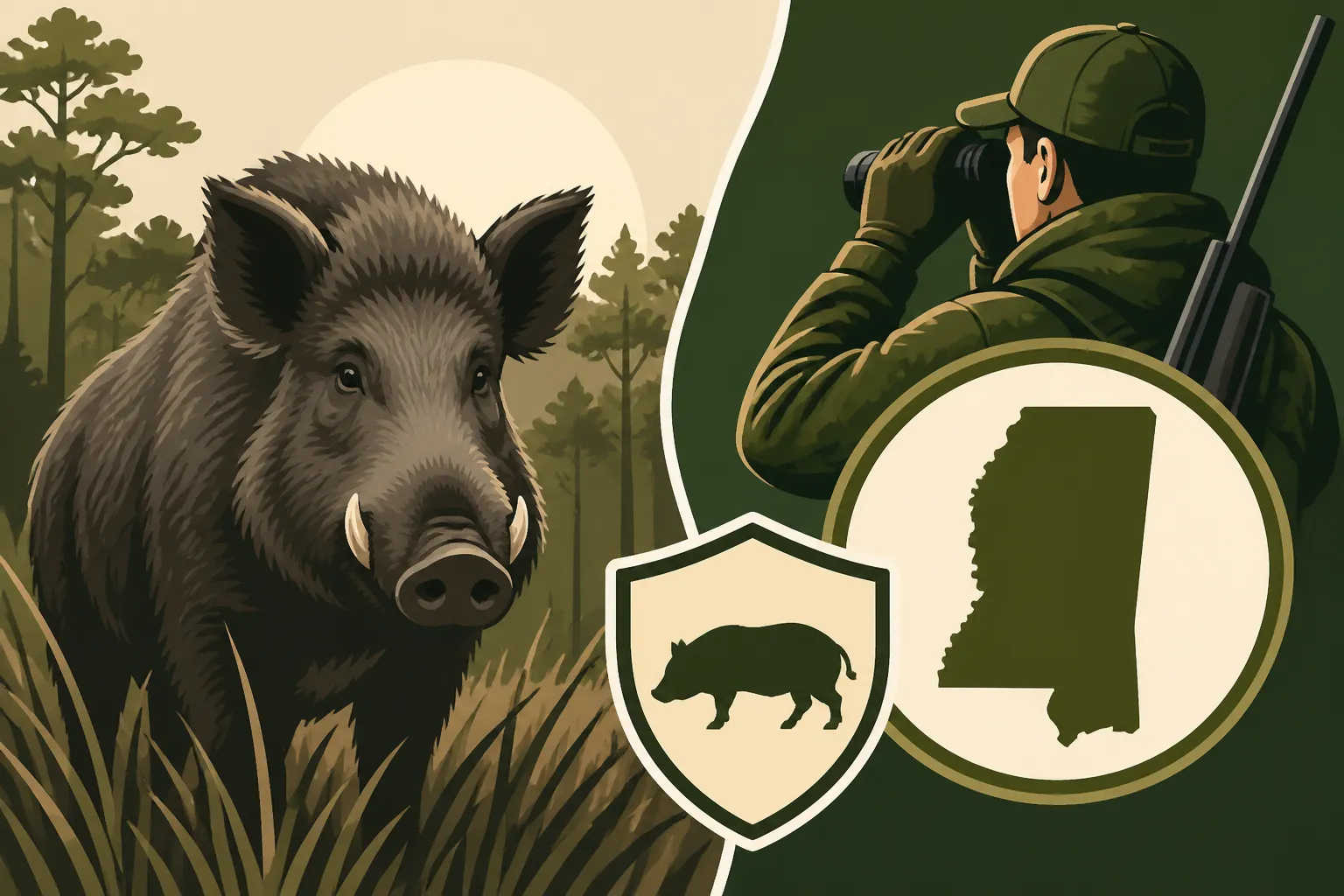
If you've spent any time at all outdoors in Mississippi, especially on agricultural land, you know the headache that feral hogs can be. They're a destructive force, tearing up fields, damaging timber, and wreaking havoc on native wildlife habitats. It’s enough to make any landowner or hunter desperate for a solution. But navigating the rules for hunting these tenacious critters can feel like wading through thick mud – do you need a special permit? What about seasons? This guide aims to clear up all that confusion around Mississippi hog hunting permit requirements so you can get out there and help control the problem.
Understanding Mississippi's Approach to Feral Hogs
Let's be honest, feral hogs aren't exactly charming. They're a true menace, and the Mississippi Department of Wildlife, Fisheries, and Parks (MDWFP) views them much differently than, say, a white-tailed deer or a wild turkey. This fundamental difference is key to understanding why the regulations surrounding them are so distinct from traditional game animals. It’s not about managing a population for sustainable harvest; it’s about control, and ideally, eradication, of an invasive species that causes millions of dollars in damage annually.
Why Feral Hogs Are Different Than Other Game
When you consider deer or turkey, the MDWFP works diligently to set seasons and bag limits that ensure healthy, thriving populations for future generations to enjoy. It's a careful balancing act, and every regulation is designed with conservation in mind. Feral hogs, however, don't play by those rules. They aren't native to Mississippi, and their unchecked proliferation causes profound ecological and economic damage. They root up fields, destroying crops like corn and soybeans, which directly impacts farmers' livelihoods. Beyond agriculture, their rooting disturbs delicate ecosystems, preying on the nests of ground-nesting birds and competing directly with native wildlife for food sources like acorns.
What’s more, feral hogs are known carriers of diseases such as pseudorabies and brucellosis, which can be transmitted to domestic livestock and even humans. This disease vector alone makes them a serious concern for public health and agricultural interests. Because of this destructive nature and their incredible reproductive rates – a sow can have multiple litters of piglets in a single year – the MDWFP has adopted an aggressive approach. They are classified as an invasive, nuisance species, not a game animal. This distinction is crucial because it informs the lack of traditional hunting seasons and bag limits, which would only serve to perpetuate their numbers.
The Year-Round Season and No Bag Limit Policy
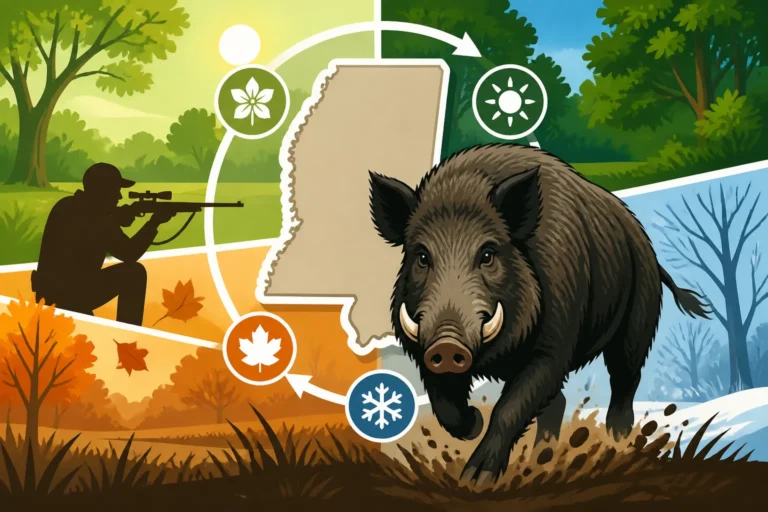
One of the biggest frustrations for hunters new to hog control is the often-conflicting information about seasons and limits. But here's the straightforward truth for Mississippi: when it comes to feral hogs, there is no closed season on private land. You can hunt them 365 days a year. This "year-round" status is a direct reflection of their invasive classification. The state wants them gone, or at the very least, drastically reduced, so there's no incentive to protect them with seasonal restrictions.
Not only is there no closed season, but there are also no daily or seasonal bag limits either. That's right, if you have a productive night or a successful trapping effort, you can take as many hogs as you can legally and ethically harvest. This is a significant departure from deer hunting, where you have specific limits based on sex, antlers, and management units. For hogs, it’s truly a "the more, the merrier" approach from the state's perspective. While there are generally no bag limits, you will still need to adhere to proper game retrieval and disposal methods. Methods like Mississippi Feral Hog Trapping Rules and Night Hunting Hogs With Lights on Private Land often emphasize taking as many as possible to effectively reduce local populations.
General Hunting License Requirements for Feral Hogs
Even though feral hogs aren't considered game animals in the traditional sense, that doesn't mean you can just head out into the woods with a rifle without any paperwork. This is a common misunderstanding that can lead to unnecessary fines. To legally pursue and harvest feral hogs in Mississippi, you absolutely need to possess a valid hunting license. Think of it this way: you're still hunting, and the state wants to ensure that anyone engaged in hunting activities is properly licensed, regardless of the target species. The specific type of license will depend on whether you're a resident or a non-resident.
Resident Hunter License Options
For Mississippi residents, obtaining the necessary license is relatively straightforward. Most hunters who regularly pursue deer, turkey, or small game will already have a license that covers feral hogs. The most comprehensive option is the Mississippi Resident Sportsman's License. This all-in-one license covers all hunting and fishing activities, including big game, small game, archery, primitive weapons, and freshwater fishing. If you hold one of these, you're good to go for hogs.
Alternatively, a Resident All-Game Hunting License would also suffice. This covers all legal game species within the state, and because hogs fall under the umbrella of animals you're legally allowed to hunt, this license works. If you're a resident and only plan to hunt hogs, a basic Resident Hunting License might be enough, but it's always best to check the current MDWFP regulations to ensure you're covered for all potential scenarios, especially if you might accidentally encounter other game. The cost associated with these licenses is typically very reasonable, and you can find specific details on the Mississippi Resident Sportsman's License Cost through the MDWFP website.
Non-Resident Hunter License Considerations
If you're visiting Mississippi from out of state with the sole purpose of putting a dent in the hog population, you'll definitely need to purchase a non-resident hunting license. This is a non-negotiable requirement. Mississippi offers a few options for non-residents, depending on the length of your stay and what other species you might be interested in pursuing.
The most common option for non-residents who plan multiple trips or extended stays is the Non-Resident All-Game Hunting License. This annual license provides full hunting privileges for all legal game, including hogs. However, if your trip is shorter, say a long weekend dedicated to hog hunting, the Non-Resident 7-Day All-Game Hunting License is a popular and more economical choice. This license is valid for seven consecutive days and covers all legal game, making it perfect for those focused hog hunting excursions. You can check out the various Mississippi Nonresident License Options and their respective fees on the MDWFP website, or find details on the Mississippi Seven-Day Nonresident License Cost. When you're planning a trip like this, tools like GoHunt can be invaluable for researching and understanding the various license requirements and even managing your hunting information in one place, ensuring you don't miss any crucial steps before hitting the woods.
Special Scenarios and Exemptions
While the general rule is "everyone needs a license," there are a few important exceptions and special scenarios to be aware of:
- Landowner Exemptions: One of the most common questions revolves around landowners. If you own the land you're hunting on, and it's your primary place of residence, you generally do not need a hunting license to hunt feral hogs on your own property. This exemption is in place to allow landowners to protect their property from the immediate threat of hog damage. However, if you are hunting on someone else's private land, even with permission, you will still need a valid hunting license.
- Youth Hunters: Young hunters in Mississippi are encouraged to participate, and specific regulations apply. Generally, youth under the age of 16 are exempt from license requirements, but they must hunt under the direct supervision of a licensed adult. For more detailed information, parents should review the full Mississippi Hunter Education Requirements and youth hunting guidelines provided by the MDWFP.
- Apprentice Hunters: Mississippi offers an Apprentice Hunter License for those new to hunting, regardless of age, who want to try it out before committing to full hunter education. This license allows an unlicensed individual to hunt while accompanied by a fully licensed and experienced hunter who is at least 21 years old and remains in close proximity. This is a fantastic way for beginners to get into hog hunting under the guidance of a seasoned mentor. You can find more details on the Mississippi Apprentice Hunter License Rules on the MDWFP site.
Specific Permit and Regulation Nuances for Hog Hunting
Beyond just having a general hunting license, the specifics of hog hunting can get a little murky depending on where you're hunting and how you plan to do it. While there isn't a specific "hog hunting permit" you purchase, the rules for public versus private land, and certain hunting methods, carry their own set of considerations that you absolutely need to be aware of to avoid any legal trouble.
Private Land Versus Public Land Rules
This is arguably the most critical distinction when it comes to understanding Mississippi's hog hunting regulations.
-
Private Land: On private land, with explicit landowner permission, hog hunting regulations are incredibly liberal. You have the freedom to hunt them year-round, with no bag limits, using a wide variety of legal methods. This includes:
- Night Hunting with Lights: This is a highly effective method for hogs, as they are often most active after dark. On private land, with landowner consent, you can use artificial lights, including thermal and night vision optics, to locate and harvest hogs. This is a huge advantage for hunters targeting these nocturnal pests. If you're considering this, check out detailed advice on Night Hunting Hogs With Lights on Private Land.
- Trapping: Many landowners and hunters consider trapping to be the most efficient method for reducing large numbers of hogs. On private land, you can set traps year-round, typically without needing additional permits beyond your general hunting license. For a deep dive into this, consult Mississippi Feral Hog Trapping Rules.
- Running Dogs: Using dogs to bay or catch hogs is a long-standing tradition in many parts of the South, and it's perfectly legal on private land with permission. More information can be found under Running Dogs on Mississippi Feral Hogs.
The key here is landowner permission. Without it, you are trespassing, which is a serious offense. Always get permission, and ideally, get it in writing.
-
Public Land (WMAs, National Forests, etc.): This is where hog hunting becomes significantly more restrictive and often confusing. The "year-round, no bag limit" rule that applies to private land generally does not apply to most public hunting areas.
- Opportunistic Harvest: On most Wildlife Management Areas (WMAs) and National Forests, you can generally harvest feral hogs opportunistically while you are legally hunting other game species during their respective open seasons. For example, if you're bowhunting deer during the archery season and a hog walks by, you can usually take it.
- Designated Hog Seasons/Areas: Some WMAs might have specific, limited seasons or designated areas for hog hunting outside of general game seasons. These are much rarer and are often tied to specific management objectives. You might find a WMA that allows hog hunting during certain periods with specific weapon restrictions.
- Checking WMA Regulations: This cannot be stressed enough: ALWAYS check the specific regulations for the WMA or National Forest you plan to hunt. These rules are often unique to each area and can change annually. The MDWFP website or their official app is the best source. Failure to do so can result in citations, even if you have a valid general hunting license. Many hunters find using mapping apps like GoHunt extremely beneficial here, as they often have layers that show WMA boundaries and, in some cases, direct links to the relevant regulations, saving you a lot of guesswork on the ground.
Understanding Equipment and Method Restrictions
While Mississippi is quite liberal with what you can use to hunt hogs on private land, there are still some general guidelines and specific restrictions for public land.
- Firearms and Archery Equipment: For the most part, any legal hunting firearm, archery equipment (including crossbows as per Crossbow Rules During Mississippi Archery Season), or primitive weapon that is legal for deer or other big game is also legal for hog hunting. This means standard rifles, shotguns, muzzleloaders, and bows are all fair game. There aren't specific caliber restrictions for hogs, but choosing an adequate caliber to ensure a clean, ethical kill is always paramount.
- Trapping: As mentioned, trapping is extremely effective. On private land, you'll need to follow general trapping guidelines, but specific "hog trapping permits" are not typically required. However, on public land, trapping is usually highly restricted or completely prohibited unless part of a specific MDWFP management effort, which would be clearly outlined in the WMA regulations.
- Running Dogs: Dog hunting for hogs is popular on private lands. Hunters use specialized hog dogs to track, bay, and sometimes catch hogs. On public lands, however, running dogs for hogs is often restricted to specific WMAs or specific timeframes, often aligning with small game dog seasons to minimize conflicts with deer hunters. Again, consult the specific WMA rules.
- Night Hunting with Lights/Thermal: While celebrated on private land, night hunting for hogs with artificial lights or thermal optics is generally prohibited on public lands in Mississippi, unless expressly permitted by specific WMA regulations for very limited, controlled hunts. This is a critical distinction that hunters moving from private to public land must understand.
Additional Considerations: CWD Zones and Reporting
You might be wondering if the state's efforts to combat Chronic Wasting Disease (CWD) in deer extend to hogs. Currently, CWD is a disease that affects cervids (deer, elk, moose), and there is no evidence that feral hogs are susceptible to or carriers of CWD. Therefore, there are no specific CWD-related regulations or testing requirements for harvested hogs in Mississippi. However, being aware of Mississippi's Chronic Wasting Disease Zones is always a good idea for any hunter, as these zones have specific rules regarding carcass movement that could inadvertently impact other game you harvest.
Unlike deer and turkeys, which require mandatory harvest reporting via the MDWFP app or website, there is no mandatory reporting requirement for feral hogs in Mississippi. You don't need to check them in or log your harvest. However, many hunters choose to voluntarily report significant hog harvests or observations of large hog sounders to the MDWFP. This information, while not mandatory, can be valuable for the department to track population trends and movement, aiding in their overall management efforts. While Mississippi Deer Reporting Requirements are strict, hog reporting is a suggestion rather than a rule.
Best Practices for Ethical and Legal Hog Hunting
Hunting feral hogs in Mississippi can be incredibly rewarding, both for the challenge and for the positive impact you're having on the environment and agricultural community. However, it's paramount to approach it ethically and legally. Cutting corners not only tarnishes the image of hunters but can also land you in serious trouble. Being a responsible hog hunter means staying informed and respecting the land and its rules.
Always Verify Current Regulations
This point cannot be overstressed. Hunting regulations, especially those pertaining to nuisance species or specific public lands, are not set in stone. They can and do change. What was legal last year might not be this year, or what applies to one WMA might be completely different for another. The MDWFP continuously monitors wildlife populations and adjusts rules accordingly.
The most reliable sources for up-to-date information are:
- The Official MDWFP Website: This is your first and best resource. Bookmark it and check it before every season or before visiting a new hunting area. Look for the current hunting digest or specific WMA regulations.
- The MDWFP Mobile App: This app often provides convenient access to regulations, maps, and reporting features.
- Contact Local MDWFP Offices or Game Wardens: If you have specific questions or are unsure about a particular rule, don't guess. Reach out to your local MDWFP office or a game warden. They are there to help and would much rather answer a question than write a citation. Trust me, it's better to ask than to find out you're wrong the hard way.
Securing Landowner Permission
If you're hunting hogs on private property, which is where most of the year-round, liberal hunting takes place, securing explicit landowner permission is not just a best practice; it's a legal requirement. Trespassing is a serious offense in Mississippi, and ignorance of the property lines or lack of permission is no excuse.
Here are a few tips for respectfully gaining and maintaining landowner permission:
- Be Polite and Respectful: Approach landowners with courtesy. Introduce yourself, explain your intentions (e.g., helping control the hog population), and be prepared to discuss your hunting methods and safety practices.
- Get it in Writing: While verbal permission is legal, written permission is always a good idea. It provides clarity for both parties and serves as proof if you're ever questioned. A simple note with dates, property description, and signatures can suffice. The question of Do You Need Written Permission in Mississippi? often arises, and while not always strictly required, it's a powerful tool for clarity.
- Respect Their Property: This goes beyond hunting. Don't litter, avoid damaging fences or gates, drive carefully on their roads, and be mindful of livestock or other activities on their land. Leave the property better than you found it.
- Offer to Share: A simple offer of some processed hog meat can go a long way in building goodwill and ensuring continued access.
- Communicate: Let the landowner know when you plan to be on their property and when you've left. This is a safety measure for everyone involved.
By following these best practices, you not only ensure a legal and ethical hog hunt but also help foster positive relationships between hunters and landowners, which is vital for the future of hunting in Mississippi.
| Feature | Feral Hog Hunting (General) | Deer Hunting (Example) |
|---|---|---|
| Primary Goal | Eradication/Control of Invasive Species | Sustainable Harvest/Management of Game Animal |
| Hunting License | Required (General hunting license) | Required (General hunting license) |
| Specific Hog Permit | No specific statewide hog permit | No specific statewide deer permit |
| Season Length | Year-round on private land (Check public land rules) | Defined seasons (e.g., Archery, Gun, Muzzleloader) |
| Bag Limits | No bag limit (take as many as possible) | Strict bag limits (e.g., 1 antlered, 3 antlerless per unit) |
| Night Hunting | Allowed on private land with landowner permission | Generally prohibited (unless specific exemptions) |
| Reporting Harvest | Not mandatory (encouraged for data) | Mandatory reporting via MDWFP app/website |
| Antler Restrictions | N/A | Yes (e.g., 10-inch spread in Hills Unit) |
Disclaimer
Please remember that hunting regulations, seasons, and requirements can change. While every effort has been made to provide accurate and up-to-date information, it is your responsibility as a hunter to consult the most current official regulations published by the Mississippi Department of Wildlife, Fisheries, and Parks (MDWFP) before engaging in any hunting activities. Always prioritize safety, ethical hunting practices, and legal compliance.