Mississippi Youth Gun Season Rules
Navigating the myriad of regulations and opportunities for young hunters in Mississippi can feel like a puzzle, especially when you're trying to give your child an unforgettable outdoor experience. Many parents and mentors find themselves sifting through rulebooks, worried they might miss a crucial detail that could impact their youth hunter's season. This guide is designed to demystify the Mississippi Youth Gun Season Rules, providing clear, empathetic, and comprehensive information to help you plan a safe, legal, and successful hunt for the next generation of outdoors enthusiasts.
Understanding Mississippi's Youth Gun Season Philosophy
Mississippi recognizes the immense value in fostering a love for hunting among its youth, understanding that today's young hunters are the future of conservation. That's why the state has dedicated special seasons designed to offer young people unique opportunities to harvest deer in a controlled and educational environment. It's not just about getting a deer; it's about building character, understanding wildlife, and passing down traditions.
Why a Dedicated Youth Season Matters
The Mississippi Department of Wildlife, Fisheries, and Parks (MDWFP) has thoughtfully crafted the youth gun season to prioritize young hunters. It's a special window, usually held before the general statewide gun season, allowing kids to experience deer hunting without the intense pressure and competition often found during peak adult hunting dates. This staggered approach provides less crowded woods, increasing the chances for young hunters to see and engage with deer. It creates a more relaxed atmosphere, which is crucial for building confidence and positive associations with hunting, rather than being overwhelmed by crowded public lands or seasoned adult hunters.
Imagine taking your child out during the main gun season, only to find every popular spot already taken, or hearing a constant barrage of shots nearby. It can be intimidating and disheartening for a beginner. The youth season mitigates these issues, giving kids and their mentors a quieter, more focused experience. It's a testament to the state's commitment to nurturing hunting heritage and ensuring that young people have every chance to connect with nature on their own terms, often resulting in their first successful harvest. This early success can ignite a lifelong passion for ethical hunting and wildlife management, laying the groundwork for a responsible conservation ethic.
Balancing Opportunity with Safety and Education
The youth gun season isn't just about opportunity; it's steeped in a philosophy of safety and education. While young hunters are given an exclusive window, they are always under direct supervision, ensuring that every shot is taken responsibly and every decision is made with safety in mind. This mentorship is critical, teaching not just how to hunt, but how to do so ethically, legally, and safely. The MDWFP emphasizes this balance, providing strict guidelines for supervision, hunter education requirements, and proper firearm handling.
The season acts as a practical extension of formal Mississippi Hunter Education Requirements. It’s where theoretical knowledge about shot placement, game recovery, and hunting regulations translates into real-world application. Mentors play a vital role, not just in spotting deer, but in guiding their young charges through every step of the hunt, from quiet movement in the woods to safe firearm manipulation. This direct, hands-on teaching ensures that skills are developed correctly from the start. It’s also an ideal time to instill the importance of game laws, demonstrating how abiding by Mississippi Deer Bag Limit Rules and Mississippi Deer Reporting Requirements contributes to healthy deer populations and sustainable hunting for generations to come. The emphasis is on creating a positive, educational, and safe environment that builds character and respect for the outdoors.
Eligibility and Participation Requirements
Before any young hunter can participate in Mississippi's youth gun season, it's absolutely crucial to understand the specific eligibility and supervision requirements. These rules are in place not to complicate things, but to ensure the safety of the hunter, the public, and to promote responsible hunting practices from a young age. Don't let the details intimidate you; once you know them, planning becomes much smoother.
Age Restrictions and Supervision Guidelines
In Mississippi, hunters aged 15 and under are eligible to participate in the youth gun season. This age bracket is key, as it defines who can legally take advantage of this special opportunity. However, eligibility comes with stringent supervision requirements. Any hunter 15 years of age or younger must be under the direct supervision of a licensed or exempt adult hunter who is 21 years of age or older. This isn't just a suggestion; it's a legal mandate. The adult supervisor must maintain physical control of the firearm or bow and arrow when the youth hunter is not actively hunting. Moreover, the supervisor must be within normal voice contact and at all times in a position to render immediate assistance and direction.
Let's be clear about what "direct supervision" really means. It means the adult isn't just somewhere in the general vicinity. They need to be right there, able to see, hear, and advise the young hunter at a moment's notice. For instance, if your child is in a ground blind, you should be right there beside them. If they're in a ladder stand, you should be in an adjacent stand where you can easily communicate and observe. This rule is designed to ensure that if a question arises about shot opportunity, safety, or identification, an experienced adult can immediately step in. It's also vital for teaching proper firearm handling, especially considering Mississippi Legal Firearms for Deer Hunting and Mississippi Minimum Rifle Caliber Rules which must be adhered to. For those looking for more specific guidance on this, our article on How Close a Mississippi Mentor Must Stay offers detailed insights into these vital supervision rules.
Hunter Education and Apprentice Hunter Options
While direct supervision is paramount, there are also important rules regarding hunter education. All hunters born on or after January 1, 1972, must complete a hunter education course to purchase a hunting license in Mississippi. However, the state offers an excellent "Apprentice Hunter" exception for youth that's incredibly helpful for those just getting started. If a young hunter hasn't completed hunter education yet, they can still hunt under an Apprentice Hunter Exemption, provided they are under the direct supervision of a licensed hunter aged 21 or older who has completed hunter education or is exempt (born before Jan 1, 1972). This allows new hunters to gain practical experience afield before committing to the full hunter education course.
This apprentice program is a fantastic pathway into hunting, removing a potential barrier for eager young outdoors enthusiasts. It allows them to get hands-on experience in the field, learn from a seasoned mentor, and decide if hunting is truly for them before investing the time in a formal course. Details on this can be found in our guide to Mississippi Apprentice Hunter License Rules. Once they decide to pursue hunting seriously, completing the full hunter education course ensures they understand critical aspects like wildlife management, game identification, and firearm safety in a comprehensive setting. Remember, regardless of the apprentice exemption, the supervisor's role in education remains continuous throughout the hunt, emphasizing respect for wildlife and the land, making every outing a valuable learning opportunity.
Key Dates, Locations, and Deer Unit Specifics
Understanding when and where your youth hunter can take to the woods is just as important as knowing the eligibility requirements. Mississippi’s deer season structure, especially for youth gun season, varies slightly depending on the specific deer management unit you plan to hunt. Missing these details can quickly turn an exciting trip into a frustrating one.
Statewide Youth Gun Season Dates
The Mississippi Youth Gun Season typically runs for a specific, shorter period, usually preceding the main gun season. This gives young hunters a head start and a calmer environment. While dates can see minor adjustments year-to-year, the youth gun season for deer generally opens in early November and lasts for a short window, often just a weekend or a few days. For instance, in recent years, you'd usually see it falling around the first weekend of November. It’s always critical to consult the official MDWFP hunting season dates for the current year, as these can be updated annually. A quick check of the MDWFP website or their hunting guide app will give you the most accurate and up-to-date information.
This specific timing is chosen to coincide with cooler weather and potentially increased deer activity as they transition into fall patterns, without overlapping with the heavy pressure of the statewide gun opener. It offers a prime opportunity for success, especially when combined with diligent scouting. Platforms like GoHunt can be invaluable here, allowing you to cross-reference season dates with specific land boundaries and even recent deer activity reports from other users, helping you pinpoint optimal hunting windows. For a broader overview of how this fits into the larger picture, check out our guide on Mississippi Deer Season Structure Explained. Being prepared with these exact dates ensures your youth hunter is in the field during their exclusive window of opportunity.
Navigating Unit-Specific Rules for Youth Hunters
Mississippi is divided into four distinct deer management units: Delta, Hills, Southeast, and North Central. While the youth gun season dates are typically statewide, the antler restrictions and sometimes even the type of deer allowed can differ slightly by unit, even for youth hunters. It's imperative to know which unit you'll be hunting in, as these rules are strictly enforced. For example, the Delta Unit has stricter antler restrictions, requiring bucks to have a minimum 12-inch main beam or an inside spread of at least 15 inches. The Hills and Southeast Units are generally less restrictive, often requiring a 10-inch main beam or 13-inch inside spread, or sometimes even specific numbers of points.
What does this mean for your youth hunter? It means you need to review the specific unit regulations carefully. A buck that is legal in the Hills Unit might not be legal in the Delta. While youth hunters often have slightly more generous antlerless opportunities, knowing the buck rules is still critical if they are targeting a buck. Always review the detailed regulations for Delta Unit Antler Restriction Rules or Hills and Southeast Unit Antler Restriction Rules to ensure compliance. You might also find relevant information in North Central Unit Season Rules. This unit-specific knowledge, easily accessible through resources like the MDWFP hunting guide or detailed mapping apps such as GoHunt, helps prevent accidental violations and ensures your young hunter understands the nuances of responsible deer management in their specific hunting area.
Legal Firearms, Ammunition, and Blaze Orange Requirements
Safety and legality are two sides of the same coin when it comes to hunting, especially with youth. Ensuring your young hunter uses appropriate equipment and adheres to safety regulations, like wearing blaze orange, is non-negotiable. These rules protect not only them but everyone else in the woods.
Permitted Firearms and Caliber Restrictions for Youth
For the Mississippi Youth Gun Season, the general regulations regarding legal firearms for deer hunting apply. This typically includes centerfire rifles, shotguns (20 gauge or larger, firing a single slug), muzzleloaders, and archery equipment. While specific caliber restrictions are rare for youth per se, the general rules for Mississippi Legal Firearms for Deer Hunting must be followed. For centerfire rifles, the MDWFP generally mandates a minimum of .243 caliber. This ensures that the firearm has sufficient energy and ethical stopping power for deer, reducing the chance of wounding an animal.
When choosing a firearm for a youth hunter, while legality is primary, practicality is paramount. A smaller, lighter caliber like a .243, 6.5 Grendel, or .300 Blackout often has less recoil and is easier for smaller frames to handle accurately, which significantly improves the hunting experience and shot placement. You wouldn't want to hand a small child a magnum caliber, even if legal, because the recoil could lead to flinching and a negative experience. It's about matching the tool to the hunter's ability and physical stature. Remember, the goal is a clean, ethical kill, and comfort with the firearm is a big part of achieving that. Double-check the specifics in Mississippi Minimum Rifle Caliber Rules for any updates or clarifications.
Mandatory Blaze Orange for Safety
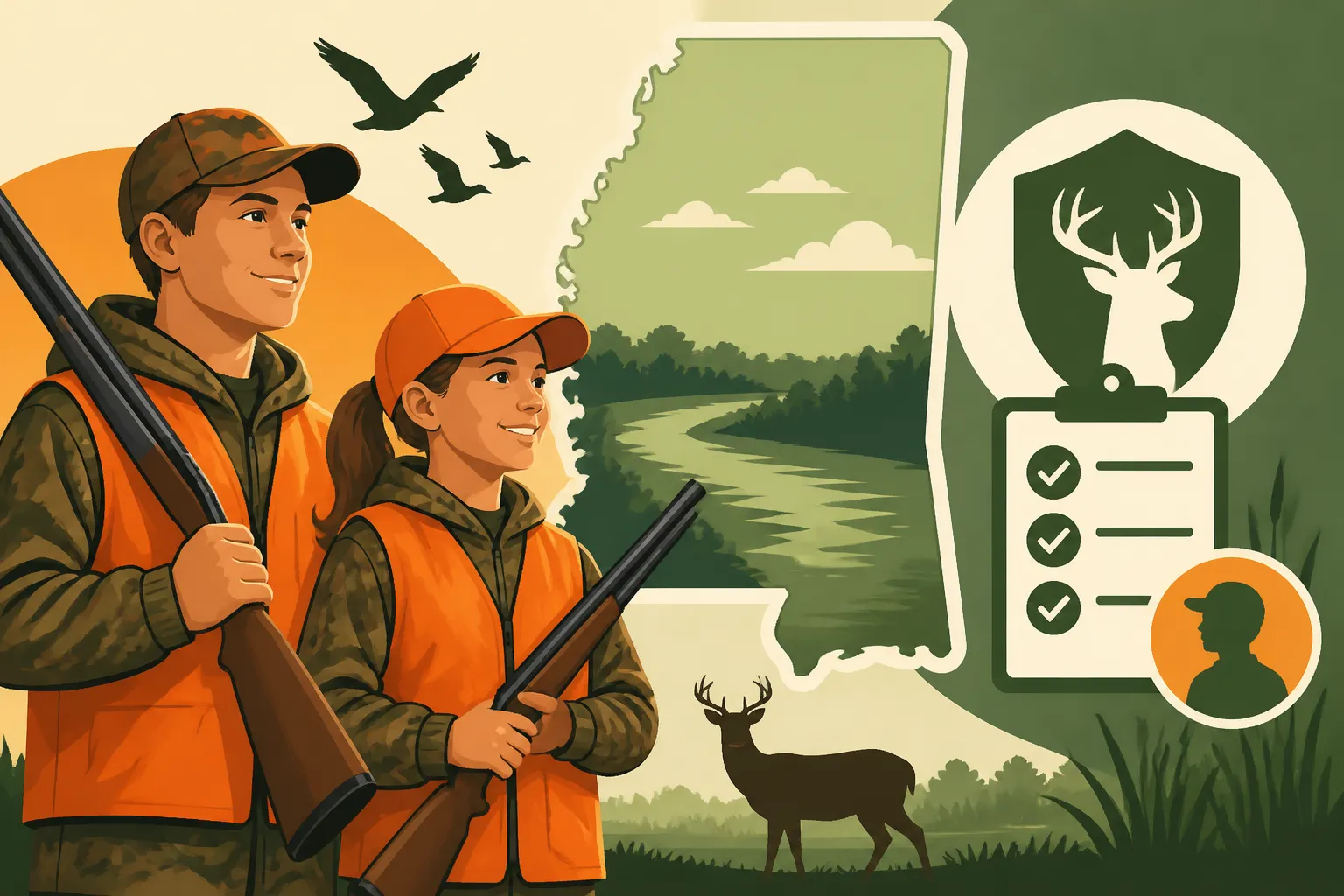
One of the most critical safety requirements for any gun hunter in Mississippi, including youth, is the wearing of blaze orange. This isn't just a recommendation; it's a mandatory legal requirement designed to enhance visibility and prevent accidental shootings. During the gun season, all hunters on public lands or on private lands that are open to the public must wear at least 500 square inches of solid unbroken hunter orange, worn above the waist, and visible from all sides. This often translates to an orange vest and hat.
It's impossible to overstate the importance of blaze orange. It makes hunters highly visible to other hunters, dramatically reducing the risk of being mistaken for game. Even on private land, if there's any chance of other hunters being present (which there usually is), wearing blaze orange is just common sense and good safety practice. Emphasize to your youth hunter that it's not just about compliance, but about their personal safety. Teaching them the why behind the rule instills a deeper understanding of responsible hunting. Our detailed guide on Mississippi Blaze Orange Requirements explains this in much greater detail, including what counts as "solid unbroken" coverage. Never compromise on this vital safety measure; it's one of the easiest ways to ensure everyone returns home safely after a day afield.
Bag Limits, Reporting, and CWD Considerations for Youth
Understanding what your young hunter can legally harvest, how to report it, and any special considerations for Chronic Wasting Disease (CWD) is essential for a compliant and responsible hunting experience. These are not minor details; they are crucial components of Mississippi's wildlife management strategy.
Youth Bag Limits and Statewide Harvest Reporting
Mississippi's youth gun season typically aligns with the statewide bag limits for deer, which can vary by unit. Generally, hunters are allowed to harvest one antlered buck and three antlerless deer per annual season. For youth hunters during their dedicated gun season, they are usually permitted to harvest one antlered deer and one antlerless deer during this specific youth-only window, which counts towards their total annual statewide bag limit. This early harvest opportunity is designed to give them a higher chance of success before adult hunters enter the woods.
Once a deer is harvested, reporting it is not optional; it's a mandatory legal requirement in Mississippi. Every deer harvested, by every hunter, including youth, must be reported to the MDWFP within 24 hours of harvest. This is easily done through the MDWFP's mobile app or their website. This data is incredibly important for wildlife biologists to monitor deer populations, track harvest trends, and make informed management decisions. Teach your child the importance of this step. It's part of being a responsible hunter and contributing to conservation. Our guide on Mississippi Deer Reporting Requirements walks you through the process, and you can also find detailed information on Mississippi Statewide Deer Bag Limit. Make sure your youth hunter understands that the hunt isn't truly over until that deer is officially checked in.
CWD Zone Rules and Youth Hunting
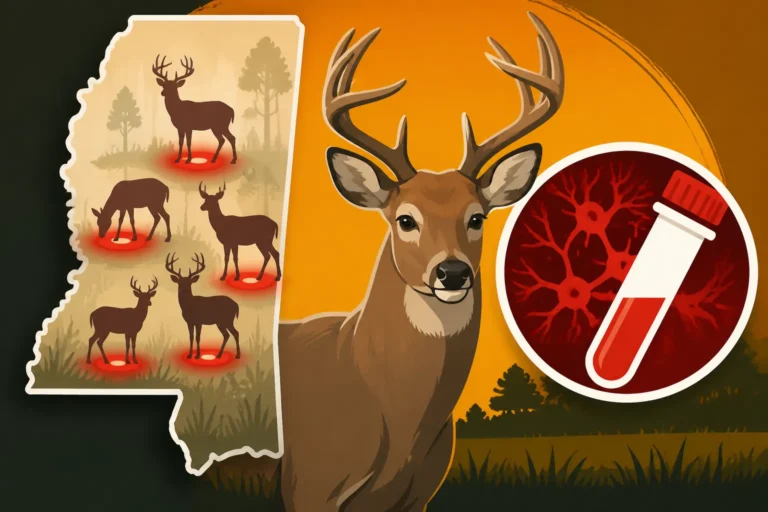
Chronic Wasting Disease (CWD) is a serious concern for Mississippi's deer herd, and the MDWFP has established specific CWD Management Zones in certain counties to monitor and control its spread. If you plan to hunt within one of these zones with your youth hunter, you must be aware of the additional regulations that apply. These can include mandatory CWD testing for harvested deer, restrictions on moving deer carcasses out of the zone, and specific feeding prohibitions.
For example, in counties like Benton, Marshall, or Lafayette, which are part of Mississippi's North Zone CWD Counties, any deer harvested might need to be submitted for CWD testing. This often involves taking the deer to a designated CWD sampling station or a participating taxidermist. It’s a vital step in helping the MDWFP track the disease. Before heading out, especially if you're in a CWD-affected area, always check the latest MDWFP CWD regulations. You can find more information in our comprehensive article on Mississippi's Chronic Wasting Disease Zones. Explaining to your youth hunter why these extra steps are necessary—to protect the health of the deer herd for future generations—instills a deeper understanding of conservation beyond just the harvest. Knowing these rules beforehand will save you a lot of hassle and ensure you're complying with critical wildlife health protocols.
Tips for a Successful and Memorable Youth Hunt
Beyond understanding the rules and regulations, the ultimate goal of the Mississippi Youth Gun Season is to create lasting positive memories and foster a genuine love for the outdoors. Success isn't always measured by the size of the rack or even taking a deer, but by the quality of the experience.
Scouting and Preparation for Young Hunters
Success in hunting, especially with youth, often begins long before opening day. Dedicated scouting is paramount. Take your young hunter out into the woods in the weeks leading up to the season. Teach them how to look for fresh deer sign—tracks, rubs, scrapes, and feeding areas. Show them how to use tools like a GPS or a hunting app like GoHunt to mark potential stand locations, understand terrain, and identify bedding areas or travel corridors. Our guide on Scouting Mississippi Public Land Before Season offers fantastic tips that apply to private land too. This pre-season work builds excitement, teaches valuable woodcraft skills, and significantly increases the chances of encountering deer.
During these scouting trips, it’s also the perfect time to practice quietly moving through the woods, identifying different tree species, and listening for the sounds of nature. Let them choose a few potential spots they’d like to hunt, giving them ownership in the process. This engagement is crucial for keeping their interest high. Discuss shot placement and angles with them, perhaps using a 3D target. This isn’t just about finding deer; it’s about familiarizing them with the hunting environment and building their confidence. A well-scouted area, combined with a comfortable and practiced young hunter, makes for a much more enjoyable and potentially successful experience.
Making the Experience Enjoyable Beyond the Harvest
Let's be realistic: not every hunt ends with a deer on the ground, especially for young hunters. The key to building a lifelong passion isn't just the harvest, but the entire experience. Focus on making the time together in the woods enjoyable, regardless of the outcome. Pack good snacks, bring a thermos of hot cocoa, and take breaks. Point out other wildlife – a hawk circling overhead, a squirrel chattering, or a curious songbird. Teach them about different trees, plant identification, or even just the sounds of the forest.
Consider bringing a camera to capture moments, even if it's just them bundled up in the stand, quietly observing. Discuss the beauty of the sunrise or the tranquility of the woods. Sometimes, the best memories come from unexpected moments, like a curious squirrel trying to raid your snack bag, or the shared whispered conversation. Reinforce patience and perseverance. Remind them that hunting is about appreciating nature, the challenge, and the time spent with family and friends. If a deer is harvested, celebrate the moment, teach them how to respectfully field dress, and emphasize the importance of using the meat. If not, talk about what was learned, what could be done differently next time, and how simply being in the outdoors is a reward in itself. This holistic approach ensures that every youth hunt is a positive and memorable experience, regardless of whether they punch a tag.
Disclaimer
The information provided in this guide is for informational purposes only and is not a substitute for the official Mississippi Department of Wildlife, Fisheries, and Parks (MDWFP) hunting regulations. Hunters are responsible for consulting the current year's official MDWFP hunting guide and all applicable state and federal laws before hunting. Regulations can change annually.