Mississippi Deer Reporting Requirements
There's nothing quite like the rush of a successful deer hunt in Mississippi, whether it's the crisp morning air of opening day or the quiet thrill of a late-season sit. But once the excitement of the harvest settles, many hunters find themselves scratching their heads, wondering exactly what to do next with the paperwork. It can feel like a chore, another hoop to jump through after all your hard work, but understanding and fulfilling Mississippi's deer reporting requirements is crucial for both conservation and staying on the right side of the law. This comprehensive guide will walk you through every step, clarifying the rules, explaining your options, and helping you navigate the process with ease.
Why Reporting Your Deer Harvest Matters for Everyone
You might think reporting your deer is just a bureaucratic formality, another piece of red tape from the Mississippi Department of Wildlife, Fisheries, and Parks (MDWFP). But in reality, it's one of the most vital actions you take as a hunter, contributing directly to the health and future of Mississippi's deer herd. Every single deer reported provides a piece of the puzzle that wildlife biologists use to manage the resource effectively.
The Foundation of Wildlife Management
Think of deer reporting as a continuous census. Without accurate data on how many deer are harvested, how many bucks versus does, and where these harvests are occurring, the MDWFP would be flying blind. They wouldn't know if a particular county's deer population is thriving or declining, if antler restrictions are having their intended effect, or if disease outbreaks are impacting harvest rates.
For instance, if harvest numbers suddenly dip in a specific area, biologists can investigate whether it's due to habitat loss, disease, or perhaps overharvest in previous seasons. Conversely, if numbers are consistently high, it might indicate a healthy, robust population that can sustain current hunting pressure, or even suggest the need for increased antlerless harvest to maintain balance. This data is critical for setting future bag limits, adjusting season lengths, and making other science-backed decisions that ensure sustainable hunting for generations to come. It’s not just about today’s hunt; it’s about tomorrow’s deer.
Hunter Responsibility and Conservation Ethic
Beyond the scientific aspect, reporting your deer is a fundamental part of the hunter's conservation ethic. We, as hunters, are the primary stewards of wildlife. By participating in this data collection, we demonstrate our commitment to responsible hunting and sound wildlife management. It's a way of giving back to the resource that provides us with so much enjoyment and sustenance.
When you report a deer, you're not just checking a box; you're actively contributing to the overall health of the herd. It’s part of that unspoken agreement we have with nature and with future hunters. It shows that we care deeply about preserving these traditions and ensuring there's always a healthy population of white-tailed deer roaming the woods of Mississippi. Plus, let's be honest, avoiding penalties for non-compliance is a pretty good motivator too!
Navigating Mississippi's Deer Reporting Process
So, you’ve tagged your deer. What’s next? Mississippi offers a couple of straightforward ways to report your harvest, designed to be as convenient as possible for hunters out in the field. The key is to understand your options and pick the one that works best for you right then and there.
Reporting via the MDWFP Mobile App
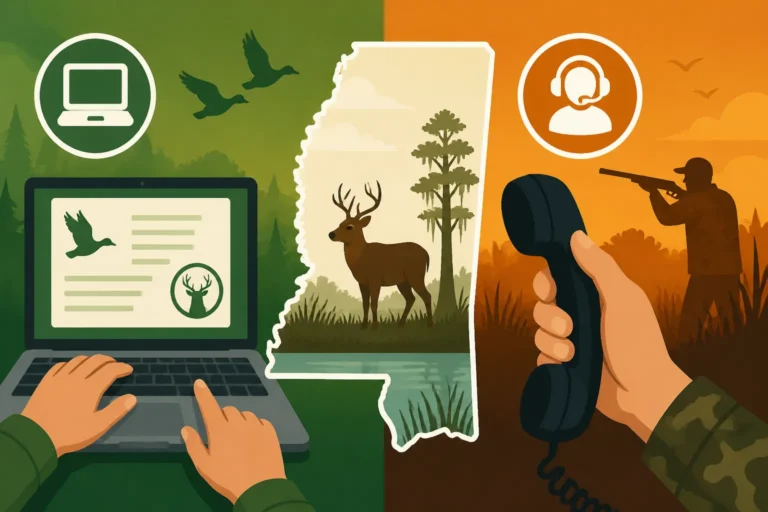
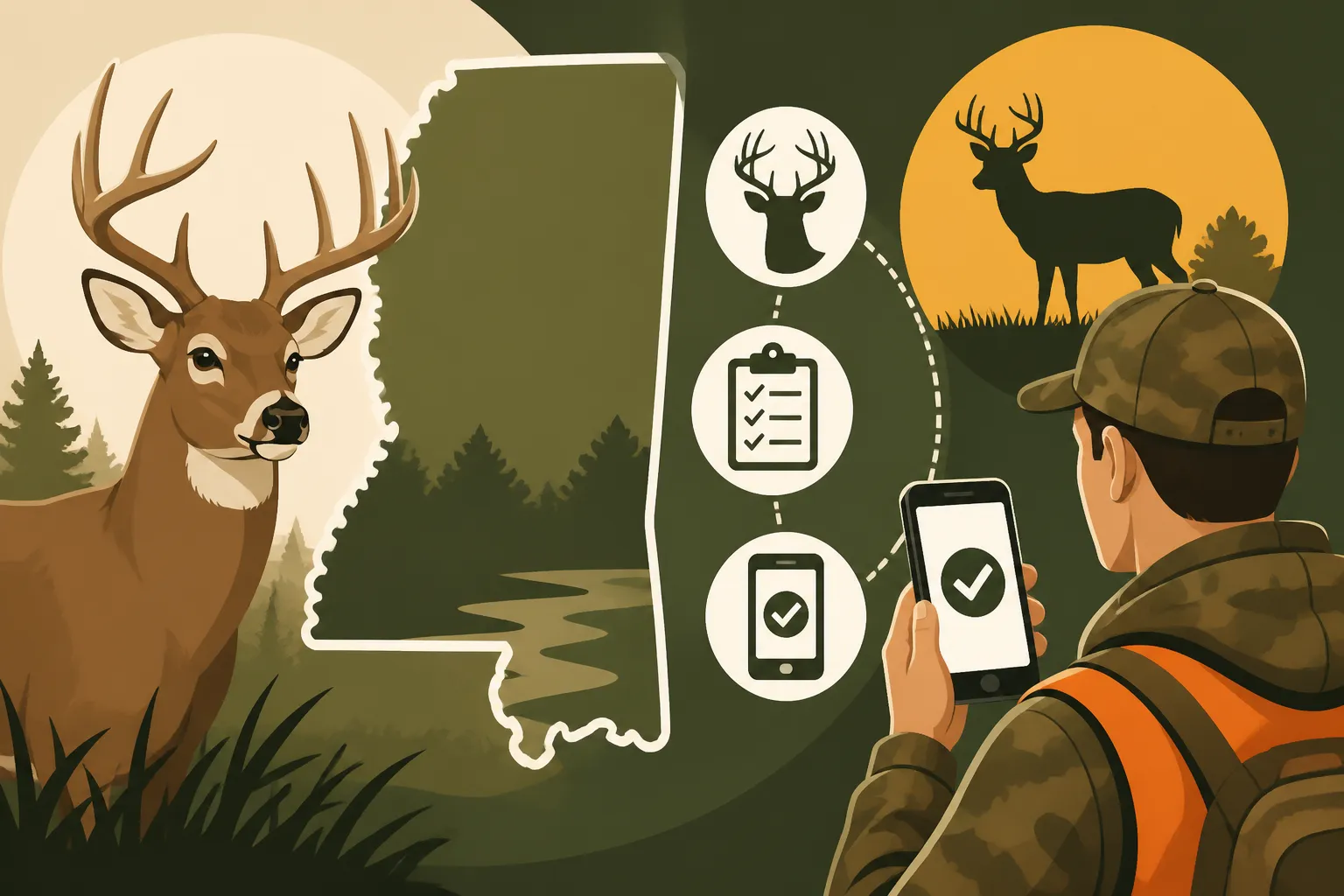
For many modern hunters, the MDWFP's official mobile app, "MDWFP Hunting and Fishing," has become the go-to method for reporting. It's incredibly convenient, especially when you're still out in the field or at camp. This app is available for both iOS and Android devices and truly streamlines the process. After you've had a successful hunt, you simply open the app, log in, and select the "Report a Harvest" option.
The app will then guide you through a series of prompts. You'll need to enter information about the date and time of harvest, the county where the deer was taken, the weapon used, and details about the deer itself (e.g., sex, whether it was antlered or antlerless, and if antlered, the number of points and inside spread). It also usually asks about the specific deer management unit you were in. Make sure you have good cell service, or at least a plan to get to an area with service, as you'll need connectivity to submit the report. Many hunters find it useful to check out the "Scouting With the MDWFP App" resources beforehand to get familiar with its features. It’s often the quickest way to get it done and get back to processing your animal.
The Online Reporting Portal
If you prefer using a computer or don't have the app installed, the MDWFP's online harvest reporting portal is an excellent alternative. You can access it directly through the MDWFP website. The online portal offers the same fields and prompts as the mobile app, ensuring you provide all the necessary data.
This method is particularly useful if you're back home, or perhaps sharing a hunting camp with limited cellular signal but good Wi-Fi. It’s also a solid backup if you experience technical difficulties with the app. Just like with the app, you'll need your hunting license number handy to log in and ensure your report is correctly associated with your profile. This flexibility means there’s rarely a good excuse for not reporting your deer in a timely fashion.
What if You Have No Cell Service or Internet?
This is a common frustration, especially if you're deep in the woods of the Delta National Forest or a remote WMA. What happens if you've harvested a deer and can't get a signal to use the app or access the online portal? The MDWFP understands this challenge. While the app and online portal are the preferred and most efficient methods, they also acknowledge that sometimes technology fails us in the backcountry.
In these situations, the critical thing is to record all the necessary information as accurately as possible immediately after the harvest. Write down the date, time, county, sex, antler points, and weapon used. As soon as you get to an area with cell service or internet access – whether that’s a nearby gas station, a friend’s house, or back home – you must complete the report using one of the primary methods. The law stipulates reporting must happen before the deer is processed for consumption or leaves the state. So, while an immediate digital report is ideal, the intent is that you complete it as soon as feasible after establishing connectivity.
Essential Information for Your Deer Harvest Report
When you're reporting your deer, the MDWFP needs specific details to make that data valuable. It’s not just about saying you killed a deer; it’s about providing enough context for their biologists to properly analyze trends and manage the population. Having these details ready will make your reporting process much smoother.
Key Data Points Required
Every time you report a deer, you'll be asked for a consistent set of information. It’s good practice to get into the habit of noting these details as soon as you recover your animal, perhaps even before you start field dressing.
Here’s a breakdown of what you’ll typically need:
- Date and Time of Harvest: This helps track hunting pressure and deer movement patterns throughout the season.
- County of Harvest: Crucial for localized population management, especially given the varying dynamics between, say, a Delta county and a Hills Unit county.
- Weapon Used: Rifle, shotgun, muzzleloader, archery equipment – this data helps understand the impact of different hunting methods.
- Sex of the Deer: Buck or doe. This is fundamental for tracking population sex ratios.
- Antler Points (for bucks): For bucks, you’ll report the number of points on each antler. This is especially important for areas with antler restrictions. For example, in the Delta Unit, bucks must have an inside spread of at least 12 inches or one main beam length of at least 15 inches. Understanding these specific requirements, as detailed in "Delta Unit Antler Restriction Rules" or "Hills and Southeast Unit Antler Restriction Rules," is key.
- Inside Antler Spread (for bucks): While not always a direct input field, this helps verify antler restriction compliance.
- Harvest Type (Public/Private): Knowing whether the deer was taken on private land or public land, like a WMA or national forest, helps manage specific areas.
Knowing your "Mississippi Deer Bag Limit Rules" is also indirectly tied to reporting, as your harvest contributes to your seasonal total. This information helps the MDWFP understand how different units and regions are contributing to the statewide harvest.
The Role of Your MDWFP Account
Your MDWFP account is the central hub for all your hunting and fishing activities in Mississippi. When you purchase a license, it's linked to this account. Therefore, when you report a deer, that harvest is automatically recorded under your specific hunter profile.
This system ensures accuracy and allows MDWFP to track individual harvest limits, which is vital for managing species like deer and turkey. It's why logging in with your license number is always the first step in the reporting process. It ties your actions directly to your identity as a licensed hunter. This data then feeds into the larger picture, helping to compile the "Mississippi Deer Harvest Records" that biologists rely on. Using a comprehensive mapping tool like GoHunt can also aid in recording precise harvest locations and understanding the local regulations before you even pull the trigger.
Deadlines, Penalties, and Compliance
Understanding the requirements is one thing, but knowing the deadlines and the consequences of not meeting them is just as important. Mississippi takes its wildlife management seriously, and harvest reporting is a non-negotiable part of that commitment.
The Critical Reporting Deadline
The Mississippi deer reporting deadline is pretty straightforward: You must report your harvested deer before it is processed for consumption or leaves the state of Mississippi, whichever comes first. This means if you’re field dressing your deer in the woods and plan to take it straight to a processor or drive it home to Louisiana, you need to report it before those actions occur.
This isn't just a suggestion; it's a legal requirement. The intent is to capture the data as close to the point of harvest as possible, maintaining data integrity. Imagine if hunters waited weeks to report; the accuracy would drop, and the MDWFP wouldn't have real-time information to react to any sudden population shifts or disease concerns, such as those in "Mississippi's Chronic Wasting Disease Zones." This immediacy ensures the data is current and actionable for wildlife managers.
Penalties for Non-Compliance
Failing to report your deer harvest is considered a violation of Mississippi's hunting regulations, and it can carry some real consequences. While the exact penalties can vary depending on the discretion of the wildlife officer and the specific circumstances, you can expect potential fines and even the suspension of your hunting privileges.
For instance, a first offense might result in a citation and a fine, but repeated offenses could lead to more severe penalties, including the loss of your ability to hunt in Mississippi for a period. Wildlife officers conduct checks, both in the field and at processing facilities, to ensure compliance. If you're stopped and found with an unreported deer carcass, you'll be facing a problem. The state invests significant resources into managing its deer herd, and harvest reporting is a cornerstone of that effort. Non-compliance undermines these efforts and reflects poorly on the hunting community as a whole.
Staying Compliant with Ease
To avoid any headaches, make reporting a routine part of your post-harvest activities. When you finish your hunt, after you've tagged your deer and taken your photos, make a quick stop at an area with signal or internet access, or use the MDWFP app if you have service. It only takes a few minutes. Many seasoned hunters even keep a small laminated card in their pack with all the required reporting information listed, just as a quick reference. This simple step protects you from penalties and, more importantly, ensures you're doing your part for Mississippi's deer management. You can always confirm the latest details by consulting the official MDWFP website or their hunting guide.
How Your Harvest Data Shapes Mississippi Deer Management
Every single deer you report contributes to a much larger picture, one that helps shape the future of deer hunting in Mississippi. This isn't just about counting numbers; it's about understanding trends, anticipating challenges, and making informed decisions that benefit both the deer and the hunting community.
Informing Season Structures and Bag Limits
The MDWFP uses the collected harvest data to analyze population trends across different deer management units. For example, data indicating a healthy, growing deer population in a specific area might support maintaining or even increasing bag limits, particularly for antlerless deer, to keep the herd in balance with its habitat. Conversely, if harvest numbers consistently decline, it could trigger a re-evaluation of season lengths or bag limits to protect the population and allow it to recover.
This is why understanding "Mississippi Deer Season Structure Explained" is so important, as these structures are a direct result of the data hunters like you provide. If hunters consistently report fewer older-age-class bucks in a particular unit, it might prompt a review of antler restrictions or hunting pressure in that area. This scientific approach, driven by hunter participation, is what ensures sustainable hunting opportunities year after year.
Disease Monitoring and Management
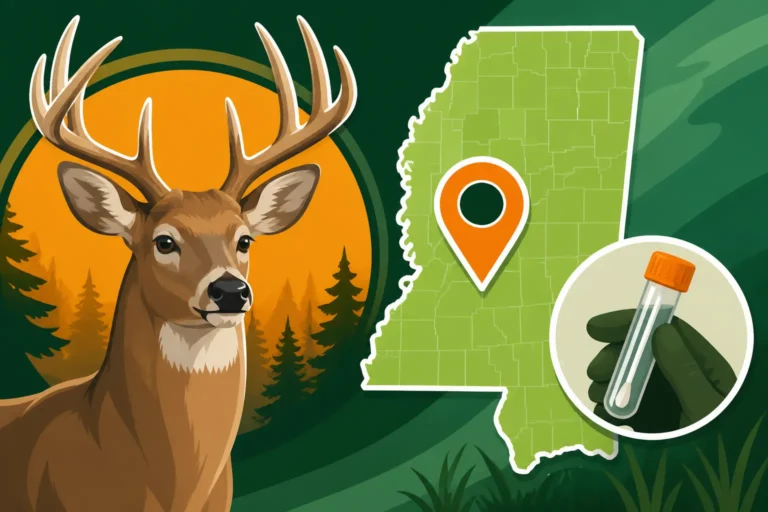
Deer harvest data is also incredibly important for monitoring wildlife diseases, particularly Chronic Wasting Disease (CWD). When you report a deer, especially if you're hunting in or near one of "Mississippi's Chronic Wasting Disease Zones," your report can be linked to any CWD testing efforts in that area.
Biologists use harvest data to identify hotspots, track the spread of diseases, and implement management strategies to mitigate their impact. For instance, if CWD prevalence increases in an area, the MDWFP might implement special regulations or encourage increased testing of harvested deer. Your reporting, combined with testing, provides critical intelligence in the ongoing battle against diseases that threaten Mississippi's deer herd. This is a real-time challenge, and hunter reports are on the front lines of defense.
Research and Habitat Enhancement Projects
Beyond immediate management decisions, long-term harvest data also fuels research projects and helps guide habitat enhancement efforts. When researchers look at "How MDWFP Counts the Mississippi Deer Herd," your individual harvest report contributes to that overall understanding. Consistent reporting helps identify areas where deer populations might be struggling due to habitat quality or other environmental factors.
This data can then inform MDWFP's habitat management plans on public lands, such as thinning timber to promote browse, planting specific food plots, or conducting prescribed burns. On private lands, it can provide valuable insights for landowners and hunting clubs looking to improve their property for deer. Tools like GoHunt also offer mapping features that can help hunters understand terrain and potential habitat, further connecting individual efforts to broader land management. It all circles back to providing a healthier environment for the deer and more robust hunting experiences for us.
Troubleshooting Common Reporting Issues
Even with the best intentions, technology can sometimes throw a wrench in the works. From forgotten passwords to spotty service, encountering an issue while trying to report your deer isn't uncommon. But don't let a small hiccup turn into a compliance problem. There are usually straightforward solutions.
Password Resets and Account Access
One of the most frequent problems hunters face is forgetting their MDWFP account password or having trouble logging in. This is especially true if you only access the system once or twice a year during hunting season.
If you find yourself locked out, don't panic. Both the MDWFP app and the online portal have a "Forgot Password" or "Forgot Account" recovery option. You'll typically need to enter your email address or some other identifying information associated with your account, and a reset link or instructions will be sent to you. It's always a good idea to ensure the email address on your MDWFP account is current. If you're still having trouble after attempting a password reset, your best bet is to contact MDWFP customer service directly. They can help you regain access to your account and ensure you can complete your harvest report.
Dealing with Connectivity Problems
As we discussed, getting a good cell signal in some of Mississippi's wilder areas can be a challenge. If you're attempting to report via the app and continuously get an error message about connection, it's a clear sign you need to move.
First, try to find a spot with a stronger signal. Sometimes just driving a mile or two down a forest road can make all the difference. If that's not possible immediately, ensure you've written down all the required harvest information. As soon as you are in an area with reliable service – whether it's a gas station, a local diner, or back home – prioritize submitting that report. Remember, the rule is before processing or leaving the state. So, if you're taking your deer straight to a processor in a town with good service, you can report it there before dropping it off. You can also utilize the "Checking a Mississippi Deer Harvest Online" method via a computer once you reach a place with internet access. The key is not to delay once connectivity is available.
Correcting Mistakes in a Submitted Report
What if you accidentally entered the wrong county or miscounted antler points? Mistakes happen, especially in the excitement of the moment. While the MDWFP system is designed for final submission, if you realize you've made a significant error that impacts the data (e.g., reporting a buck as a doe, or wrong county), it's important to try and correct it.
Your first step should be to contact the MDWFP directly. Explain the situation clearly, providing your license number and the details of the incorrect report. They have the ability to review and potentially amend records. Do not try to submit a duplicate report, as this can further complicate things. Be proactive and honest, and the MDWFP staff will usually work with you to ensure the accurate data is recorded. This is another reason why detailed and accurate "Mississippi Deer Harvest Records" are maintained—so that corrections can be made if necessary.
The Future of Deer Reporting and Technology
The world of hunting and wildlife management is constantly evolving, and technology plays a huge role in that. Mississippi's deer reporting requirements, while well-established, also adapt to new tools and insights. Staying current with these changes can make your hunting experience even more rewarding.
Integration with Modern Hunting Tools
As technology advances, we can expect to see even greater integration between official reporting systems and third-party hunting tools. Imagine a future where your smart hunting watch automatically logs GPS coordinates and time of harvest, seamlessly linking with your MDWFP app for a one-click report. Apps like GoHunt already provide incredible mapping capabilities, showing land ownership, public land boundaries, and even habitat types, which can assist in accurately identifying harvest locations.
This integration could make the reporting process even more efficient and less prone to manual errors. For example, if you’re using an app that records your movements while "Still-Hunting Hills Unit Ridges," that data could potentially pre-fill parts of your harvest report, reducing the time and effort required from you. The goal for wildlife agencies is to gather the most accurate data with the least burden on the hunter, and technology is key to bridging that gap.
The Role of Citizen Science and Advanced Analytics
Every deer reported is a piece of citizen science, contributing to a massive dataset. With advancements in data analytics and artificial intelligence, the MDWFP can extract even deeper insights from the harvest reports. They can identify subtle shifts in deer populations, predict disease outbreaks more accurately, and model the impact of different hunting regulations with greater precision.
For instance, by analyzing reports over decades, biologists can understand long-term trends in "Mississippi Deer Population Estimate" or "Deer Density by Mississippi Unit." This goes beyond just counting deer; it helps in understanding population dynamics, genetic health, and environmental factors impacting the herd. Your small act of reporting each deer contributes to this grand scientific endeavor, helping ensure that Mississippi continues to be a fantastic place to hunt deer for generations to come. It’s a powerful example of how individual actions aggregate into a collective benefit.
Disclaimer
The information provided in this guide is for general informational purposes only and is not intended as legal advice. Hunting regulations, license requirements, and reporting procedures can change. It is the hunter's sole responsibility to consult the most current Mississippi Department of Wildlife, Fisheries, and Parks (MDWFP) official regulations and statutes before engaging in any hunting activities. Always verify all rules and dates with the MDWFP directly.