Delta Unit Versus Hills Unit Deer
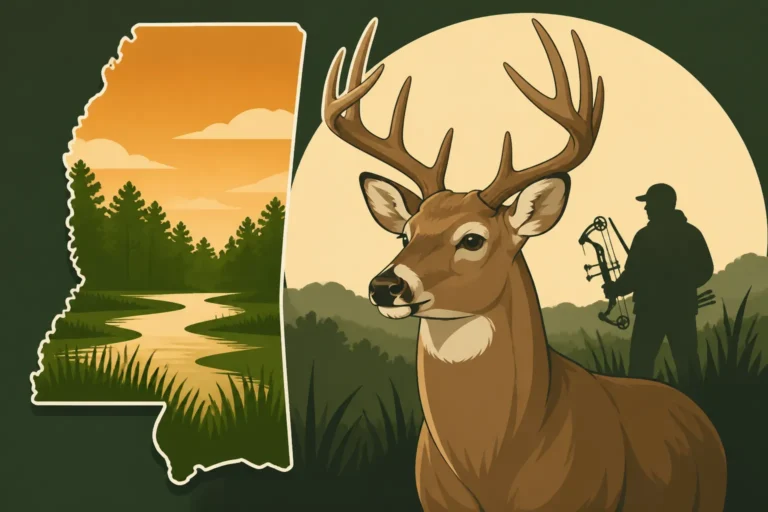
Many hunters, whether they're seasoned Mississippi natives or folks coming in from out of state, often find themselves scratching their heads when trying to understand the nuances of deer hunting across Mississippi's incredibly diverse landscape. It's not just "deer hunting" here; the experience can be vastly different depending on whether you're chasing bucks in the fertile Delta or navigating the rolling terrain of the Hills. This guide aims to clear up that confusion, offering a deep dive into the unique characteristics, habitat, deer management strategies, and ultimately, what you can realistically expect when hunting deer in either of these distinct units.
Understanding Mississippi's Deer Management Units
The Mississippi Department of Wildlife, Fisheries, and Parks (MDWFP) didn't just draw lines on a map arbitrarily. These deer management units, specifically the Delta and Hills units, were established with specific ecological factors and deer population dynamics in mind. Over years of study and observation, it became clear that a one-size-fits-all approach to deer management simply wasn't effective across the state's varied environments.
The Rationale Behind Unit Divisions
The core reason for dividing the state into units like the Delta and Hills is to implement targeted management strategies that reflect the local habitat, deer density, and hunter pressure. Think about it: a flat, agricultural landscape with rich alluvial soil is going to support deer differently than an area dominated by pine forests and rolling hardwood ridges. The MDWFP uses these divisions to set specific season dates, bag limits, and antler restrictions that are tailored to help each regional deer herd thrive, while also providing quality hunting opportunities. Without these distinctions, we'd either be overharvesting in some areas or letting the population get out of hand in others, neither of which is good for the deer or the hunting community.
Geographic and Ecological Distinctions
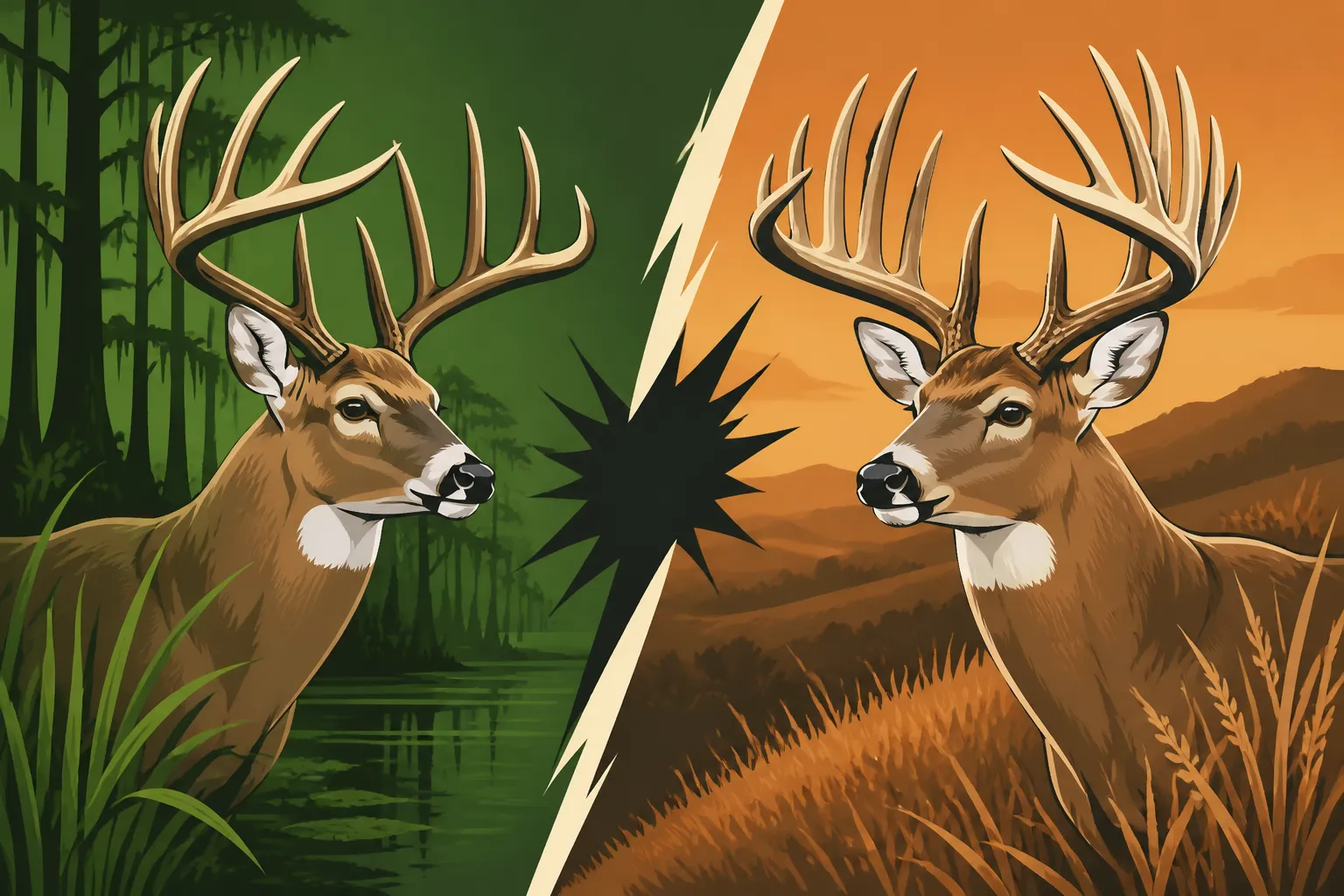
Geographically, the differences are stark. The Delta Unit, primarily located in the northwestern part of the state, is characterized by its incredibly flat, low-lying terrain. This region is part of the vast Mississippi Alluvial Plain, meaning it's composed of rich, fertile soils deposited by centuries of river flooding. It's an agricultural powerhouse, dominated by huge fields of soybeans, corn, and cotton, interspersed with bottomland hardwood forests, sloughs, and cypress breaks. The water table is high, and the land often floods.
In contrast, the Hills Unit covers the majority of the rest of the state, encompassing a much more diverse topography. Here, you'll find rolling hills, steep ravines, winding creeks, and a mix of timber types, from dense pine plantations to mature oak-hickory hardwoods. The soils are generally less fertile than the Delta, but still support a robust array of natural browse and mast crops. These ecological differences profoundly influence everything from deer body size to antler development and even their behavior, making the hunting experience truly distinct in each unit.
The Alluvial Allure of the Delta Unit
When hunters talk about trophy potential in Mississippi, the conversation almost always turns to the Delta. This unit is legendary for a reason, and it all boils down to the incredible resources it offers to its deer herd. It's a land of plenty, which translates directly into bigger, healthier animals.
Rich Habitat and Food Sources
The Delta Unit is a biological anomaly, truly one of the most productive landscapes in North America. Its flat, dark, alluvial soils are unmatched in fertility, making it ideal for large-scale agriculture. Picture endless fields of soybeans, corn, and rice that provide an almost year-round buffet for deer. After the harvest, waste grain offers crucial winter sustenance. Beyond the agricultural bounty, the Delta is also home to extensive tracts of bottomland hardwood forests. These forests are rich with mast crops like acorns from various oak species, pecans, and soft mast like persimmons and wild plums. The high water table and frequent flooding also create diverse wetland habitats, supporting a wide array of succulent forage plants. All this contributes to a protein-rich diet for the deer, which is the foundational ingredient for growing impressive body size and substantial antlers. If you want to understand more about this, delve into Why the Delta Grows Big Bucks.
Deer Characteristics and Antler Potential in the Delta
Given this unparalleled nutritional foundation, Delta deer tend to exhibit larger body sizes and heavier antler mass compared to deer in other units. It's not uncommon to see mature Delta bucks tipping the scales well over 200 pounds live weight, and sometimes even over 250 pounds. Their antlers often show incredible tine length and mass. A significant factor contributing to this trophy potential is the specific management strategy employed by the MDWFP: the Delta Unit has stringent antler restrictions. To be a legal buck, typically, it must have an outside spread of at least 12 inches or a main beam length of at least 15 inches. This rule is designed to protect younger bucks and allow them to mature, passing on their superior genetics and growing larger racks. For specifics, you'll want to review the Delta Unit Antler Restriction Rules closely before heading out. Getting a feel for how to quickly assess these antler requirements in the field is key; you can learn more about Measuring a Twelve-Inch Delta Spread by Eye.
Hunting Challenges and Strategies in the Delta
Hunting the Delta Unit certainly comes with its own set of unique challenges. The flat terrain, while rich, often means dense, impenetrable cover in the bottomland hardwoods and thickets between agricultural fields. Visibility can be extremely limited, making long-range glassing a rarity. Furthermore, a significant portion of the Delta is private land, often owned by large farming operations or exclusive hunting clubs, which can make public access a bit of a puzzle. However, there are incredible public land opportunities, notably the Delta National Forest and several Wildlife Management Areas (WMAs) like Mahannah, which offer prime bottomland habitat.
Strategies here often involve careful scouting of agricultural field edges, identifying pinch points and funnels between thick cover and food sources, and understanding deer movement patterns in relation to water and timber stands. Setting up treestands in key travel corridors, especially where deer transition from bedding areas to feeding grounds, is a common tactic. You might find a lot of success by focusing on areas like Hanging a Stand on a Delta Bottomland Funnel. Hunters also need to be prepared for potentially muddy conditions, especially after heavy rains or during periods of river flooding. Overall, successfully hunting the Delta requires patience, meticulous scouting, and often a willingness to penetrate dense cover. For more specific tactics, check out Hunting Delta Unit Bottomland Deer.
The Diverse Landscape of the Hills Unit
Stepping away from the Delta's flat, alluvial plains, the Hills Unit presents a dramatically different picture. This expansive region, covering most of Mississippi, offers a more varied and challenging landscape that rewards different hunting strategies. It's a unit where understanding topography and timber management becomes paramount.
Varied Terrain and Forest Types
The Hills Unit is a tapestry of diverse terrain, characterized by its rolling hills, steep ravines, creek bottoms, and upland ridges. You'll encounter everything from dense pine plantations—often managed for timber production—to mature mixed hardwood forests dominated by oaks, hickories, and sweetgums. Interspersed throughout are small agricultural fields, old clear-cuts, and regenerating timber stands that provide excellent bedding and browse. While the soils aren't as uniformly fertile as the Delta, they still support a robust natural forage base. Acorn crops, muscadines, and various woody browse species are abundant, providing ample nutrition for the deer herd. The variety of cover and food sources means deer are often well-distributed across the landscape, but their movements are heavily influenced by the topography and specific timber management practices in a given area.
Deer Characteristics and Antler Potential in the Hills
Deer in the Hills Unit, while perhaps not reaching the absolute top-end body weights or antler dimensions of Delta giants on average, are still excellent animals. A mature Hills buck is a formidable trophy, often displaying impressive antler mass and good tine length. Body weights for mature bucks typically range from 150 to 200 pounds, with occasional heavier specimens. The antler restrictions in the Hills Unit are designed to encourage buck maturity and improve the herd's overall age structure. Generally, a legal buck must have at least a 10-inch main beam spread or a minimum of 4 points on one side. These rules ensure that younger bucks have a chance to grow, leading to a healthier population with a good number of older, more developed deer. Knowing these specific rules is crucial, so be sure to review the Hills Unit antler restriction rules. Like the Delta, being able to quickly estimate antler dimensions in the field is a valuable skill; information on Measuring a Ten-Inch Hills Spread by Eye can help you practice.
Hunting Challenges and Strategies in the Hills
Hunting the Hills Unit often involves more physical exertion due to the undulating terrain. Navigating steep slopes, crossing creeks, and traversing dense undergrowth are common. However, the reward is often a more solitary hunting experience compared to some of the crowded Delta public lands. Public hunting opportunities are generally more abundant and widespread in the Hills, with several National Forests (like Homochitto National Forest and Bienville National Forest) and numerous WMAs providing vast tracts of huntable land.
Strategies here often revolve around understanding topography and how deer use it. Key areas include ridge-top saddles, benches along hillsides, creek bottoms that act as travel corridors, and the edges of clear-cuts or pine plantations. Still-hunting along ridges and through draws can be very effective, allowing hunters to cover ground slowly and methodically, picking apart the terrain. Many hunters find success by identifying natural funnels and setting up treestands or ground blinds overlooking these areas. Learning to read the terrain for subtle deer sign, like rubs and scrapes along a logging road or distinct travel paths, is essential. Detailed information on Still-Hunting Hills Unit Ridgess can provide excellent insights into these tactics. The varied cover also makes using a good mapping app and understanding the lay of the land critical for success.
Key Differences and Hunter Expectations
Beyond the obvious geographical distinctions, the Delta and Hills units present hunters with significantly different experiences in terms of deer numbers, hunting pressure, and even when the rut truly kicks off. Understanding these factors can make or break a hunt plan.
Population Dynamics and Hunter Pressure
The deer population dynamics vary considerably between the two units. The Hills Unit generally boasts a higher overall deer density, meaning you're likely to see more deer, even if they aren't always the biggest bucks on the landscape. This is due to the vast acreage of diverse habitat that supports a robust and widespread population. While still a challenge, finding deer sign and fresh activity can feel more consistently achievable. For more details on this, you can check out Hills Unit Deer Density. Conversely, while the Delta is known for its larger deer, the sheer numbers per acre can sometimes be lower than in certain parts of the Hills, especially away from prime agricultural areas.
Hunter pressure also tells a different story. On public lands, the Hills Unit offers more opportunities to spread out due to its greater acreage and diverse access points. However, popular WMAs and National Forest blocks can still see significant traffic, particularly during opening weekends. In the Delta, the limited public land access means that areas like Delta National Forest can become quite crowded, especially on the Why Mississippi's Gun Opener Draws the Biggest Crowds. This concentrated pressure can make deer more nocturnal and wary, requiring even more stealth and careful planning.
Rut Timing and Behavior Across Units
One of the most fascinating and often frustrating differences between the Delta and Hills units is the timing of the deer rut. Mississippi is known for having one of the most protracted and varied ruts in the entire country, and this is heavily influenced by regional factors that led to the unit divisions.
Generally, the rut in the Delta Unit tends to occur later in the season, often peaking in late December and extending into January. This later rut is thought to be an adaptation to the region's historical flooding patterns and agricultural cycles. Bucks are often running hard after does when temperatures can be quite chilly, making for some intense, late-season hunting opportunities. For those targeting this specific timeframe, insights from Hunting the Rut in the Delta Unit will be invaluable.
In contrast, the rut in the Hills Unit typically peaks earlier, often in mid to late November, though it can vary by a week or two depending on the specific region within the Hills and annual weather patterns. This means that hunters in the Hills might experience intense pre-rut and rut activity during the traditional Thanksgiving hunting week. Understanding these variations is critical for planning your hunt to coincide with the most active periods. More specific details on this can be found in Hunting the Rut in the Hills Unit.
Gear and Tactics Adaptations
The distinct environments of the Delta and Hills naturally call for different gear and tactical approaches. In the flat, dense Delta, visibility is often limited to a few dozen yards in thick timber, favoring stands that offer quick shots. Ground blinds can be highly effective in bottleneck areas or on field edges, offering excellent concealment. Because of the often swampy conditions, waterproof boots, and even waders, are frequently necessary. When it comes to scouting and understanding deer movement through thick cover, mapping tools become incredibly valuable. Many hunters rely on platforms like GoHunt for detailed satellite imagery and property line overlays to identify subtle terrain features or access points.
In the rolling Hills, hunters might find themselves covering more ground, necessitating comfortable, sturdy hiking boots. Treestands placed high to survey draws and ridges are common, but portable ground blinds can also be effective in areas of less dense cover or on managed food plots. Understanding how wind and thermals interact with the varied topography is absolutely crucial. A thermal rising or falling with the sun can dramatically affect deer movement and your scent dispersion; learning about Wind and Thermals in Delta Bottomland offers great principles that apply across varied terrain. Regardless of the unit, reliable optics, quality scent control, and a deep understanding of your chosen firearm or bow are constants. GoHunt also offers fantastic layering options to help you pinpoint topography changes, timber stand ages, and potential pinch points in the Hills, helping you scout smarter before you even set foot in the woods.
| Feature | Delta Unit | Hills Unit |
|---|---|---|
| Primary Habitat | Bottomland hardwoods, agricultural fields | Rolling hills, mixed hardwoods, pine plantations |
| Soil Fertility | Very High (Alluvial) | Moderate (Varied) |
| Primary Food | Agricultural crops, mast crops | Mast crops, natural browse, limited agriculture |
| Avg. Deer Size | Larger body, heavier antlers | Good body size, solid antlers |
| Antler Restriction | 12-inch outside spread or 15-inch main beam | 10-inch outside spread or 4 points on one side |
| Rut Peak | Late December – January | Mid-November – Early December |
| Public Land Access | Limited but high quality (e.g., Delta NF) | More widespread (e.g., Homochitto, Bienville NF, many WMAs) |
| Hunting Style | Stand hunting funnels, field edges, thickets | Still-hunting ridges, stand hunting creek bottoms, draws |
| Trophy Potential | Higher potential for exceptional trophies | Good potential for mature, solid bucks |
Making Your Choice: Delta or Hills?
Deciding where to hunt in Mississippi often comes down to personal preference, the type of experience you're seeking, and your definition of a "trophy." Both units offer fantastic opportunities, but they cater to different aspirations and hunting styles.
Weighing Trophy Potential vs. Opportunity
If your ultimate goal is to tag a truly massive, older-aged buck with an incredible rack, and you're willing to put in the immense effort, potentially navigate crowded public lands, or gain access to exclusive private ground, then the Delta Unit might be calling your name. The unparalleled nutrition and strict antler regulations here stack the odds in favor of those truly exceptional deer. You might not see as many deer overall, but the bucks you do encounter have a higher probability of being mature, heavy-racked specimens. It's a quality over quantity scenario when it comes to the top-tier bucks.
However, if you're looking for a more consistent opportunity to see deer, enjoy diverse hunting scenarios across more accessible public lands, and are satisfied with a solid, mature whitetail buck (which is still a fantastic trophy!), then the Hills Unit offers a phenomenal experience. Here, you'll likely encounter more deer throughout your hunt, giving you more encounters and shot opportunities. The deer herd is healthy, and while not all bucks will be 170-inch monsters, there are plenty of excellent, mature animals to pursue.
Public Land Access and Experience
For hunters who rely on public land, the Hills Unit often presents a wider array of choices. The National Forests and numerous WMAs scattered across this region offer vast tracts of huntable acreage, allowing hunters to spread out and find more secluded spots. This means you might find less direct competition and a more immersive wilderness experience, especially if you're willing to walk a little further off the beaten path. Using detailed mapping apps like GoHunt can be incredibly helpful for identifying these lesser-known access points and remote honey holes on public ground.
The Delta Unit, while famous for its deer, has significantly less public land, which means the available spots tend to draw more hunters. Delta National Forest and some of the larger WMAs are prime examples. While these areas hold fantastic deer, you'll need to be prepared for company, especially during peak season. Securing private land access in the Delta is a golden ticket, often requiring connections or membership in a hunting club. However, the experience of hunting ancient bottomland hardwoods or vast agricultural edges in the Delta is truly unique and unforgettable, even with the added challenge of access.
Planning Your Hunt: Logistics and Permits
Regardless of which unit you choose, proper planning is non-negotiable. First and foremost, you'll need to ensure you have all the necessary licenses and permits. Mississippi offers various options for residents and non-residents alike, so be sure to investigate Mississippi Hunting Licenses and What They Cost well in advance. Remember, a Mississippi hunting license year typically runs from July 1st to June 30th.
Next, familiarize yourself intimately with the specific regulations for your chosen unit. This includes season dates (which can vary!), bag limits, and, most importantly, the antler restrictions we discussed earlier. The Mississippi Deer Season Structure Explained is an essential resource for this. Using the MDWFP website or their mobile app is highly recommended for the most current information. Always cross-reference your plans with the specific rules for the county or WMA you intend to hunt, as local regulations can sometimes add another layer of detail. Finally, consider using advanced mapping and scouting tools like GoHunt to understand the terrain, property lines, and potential pinch points before you ever leave home. This preparation can save you valuable time in the field and significantly increase your chances of success, whether you're navigating the Delta's cypress breaks or the Hills' rolling ridges.
Disclaimer
Please remember that hunting regulations, seasons, and wildlife populations can change. Always consult the most current Mississippi Department of Wildlife, Fisheries, and Parks (MDWFP) official regulations guide before planning or engaging in any hunting activities. This information is for general guidance and educational purposes only.