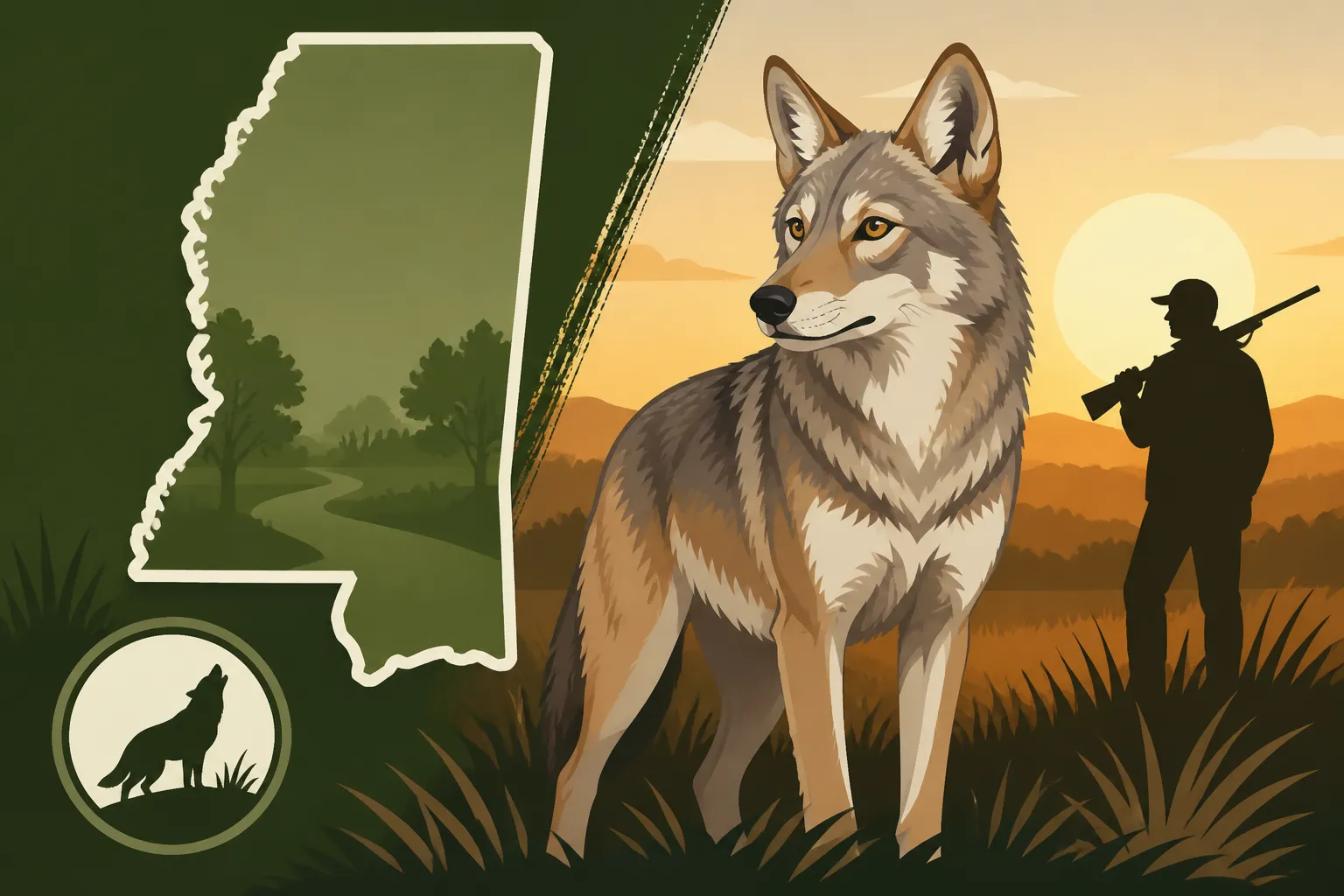
How Many Coyotes Mississippi Has
If you've spent any time in the woods or fields of Mississippi, you've likely seen or at least heard a coyote. These highly adaptable canids are everywhere, and for many hunters and landowners, the question isn't if they're around, but how many there are, and what impact such a seemingly large population has on our cherished deer and small game. Getting an exact, real-time count of coyotes across a diverse state like ours is virtually impossible, but this guide will dive deep into understanding their prevalence, why they thrive here, and what it all means for Mississippi hunters.
The Ubiquitous Presence of Coyotes in Mississippi
You can drive from the Delta to the Piney Woods, or from the Bluff Hills to the Coast, and almost guarantee you're passing through prime coyote habitat. They are a fixture of the Mississippi landscape now, and their widespread presence is something every hunter and landowner has to contend with, whether directly or indirectly. The idea of truly eradicating them is, frankly, a pipe dream, given how deeply entrenched they are in our ecosystems.
Historical Arrival and Spread
It might surprise some, but coyotes aren't native to Mississippi in the same historical sense as, say, white-tailed deer or wild turkeys. They are, in fact, relatively recent arrivals, having expanded their range eastward from their traditional strongholds in the Great Plains. This natural migration was greatly aided by human activity—specifically, the clearing of vast forests for agriculture and development, which created more open habitat they preferred, and the unfortunate elimination of larger predators like wolves, which were their natural competitors and population controllers.
This slow but steady eastward expansion meant that by the mid-20th century, coyotes had firmly established themselves across the Magnolia State. What started as sporadic sightings gradually evolved into a consistent presence, first in the more open agricultural regions, then spreading into the varied forested and transitional habitats that characterize much of Mississippi. You might have initially only heard whispers of them out in the wide-open Delta farmlands, but quickly, they adapted to the diverse habitats Mississippi offers.
Their establishment wasn't just a slow, natural creep; it was undoubtedly accelerated by their incredible intelligence and uncanny ability to exploit new food sources and quickly adapt to changing landscapes. They are truly masters of survival, turning almost any environment, from the sprawling fields of the Delta to the dense thickets found along the Mississippi River Batture Public Access, into viable coyote territory. Understanding When Mississippi Coyotes First Arrived helps us grasp why their numbers seem so high today and why they are so hard to pin down.
Adaptability and Population Boom
What makes coyotes so incredibly successful and seemingly ubiquitous in Mississippi? It boils down to their unparalleled adaptability. These aren't creatures with a highly specialized diet; quite the opposite, in fact. They are the ultimate opportunistic feeders, consuming virtually anything they can catch or scavenge. Their diet includes everything from rodents, rabbits, and deer fawns to insects, berries, and even carrion. This flexible diet means they can thrive even when specific prey populations fluctuate, allowing them to maintain robust numbers year-round.
Another critical factor contributing to their strong presence is their remarkable breeding success. Coyotes exhibit what's known as "compensatory reproduction." This means that in areas where their population is heavily hunted, trapped, or otherwise controlled, they often respond by having larger litter sizes and higher pup survival rates. This biological mechanism acts as a built-in safety net, making traditional "eradication" efforts largely ineffective at reducing overall numbers in the long term; you might knock them down locally, but they'll often bounce back with impressive speed.
You'll find coyotes just as comfortable slinking through a suburban greenbelt near a city like Jackson as you would deep within the vast tracts of the Delta National Forest Hunting. This wide distribution and their ability to exist in close proximity to human activity, often without being easily detected, contributes significantly to the perception that their numbers are vast. And by all accounts and observations from those of us who spend time afield, they are certainly widespread and plentiful throughout the state. Their ability to blend into almost any environment makes them a constant, often unseen, presence.
Estimating Coyote Populations: Why It's Tricky
If you ask any ten hunters how many coyotes they think are in Mississippi, you'd likely get ten wildly different, and often frustrated, answers. The reality is, getting a precise figure is incredibly difficult, which is part of what makes the conversation around their numbers so challenging. It's not like counting deer that stand out against a field, or ducks that flock in the sky.
Direct Counting Limitations
Unlike larger game animals such as deer, which wildlife agencies can estimate through methods like spotlight surveys, aerial counts, or analyzing extensive harvest data, directly counting coyotes is virtually impossible across an entire state as diverse and large as Mississippi. They are inherently elusive, predominantly nocturnal, and possess an innate wariness of humans. Their home ranges can be quite extensive, meaning an individual animal might cover a large area, further complicating any attempt at a direct headcount. You just aren't going to see a group of coyotes standing out in the open like you might a small herd of deer or a gaggle of geese.
Because of these inherent difficulties, wildlife agencies don't provide a precise "number" of coyotes in Mississippi. Instead, they rely on various methods to estimate population densities or track population trends. These methods can include scent station surveys, where researchers look for coyote activity at baited sites; analysis of incidental trail camera data collected by hunters and researchers; and reviewing harvest reports from licensed trappers and hunters. But even these sophisticated methods only provide indices—indicators of abundance or changes over time—rather than definitive, census-level numbers.
The sheer scale and ecological diversity of Mississippi, from the vast agricultural lands of the Delta to the dense, hilly forests of the north and central regions, further exacerbates the challenge. A uniform, direct counting method simply isn't feasible across such varied terrain and cover types. So, when people ask, "How Many Coyotes Mississippi Has," the most honest answer we can give as hunters and conservationists is that they are extremely numerous and widely distributed, and any specific numerical figure would always be an educated extrapolation, not a precise count.
Indirect Indicators and Trends
Even without a definitive headcount, we can absolutely observe and track clear population trends for coyotes in Mississippi. The anecdotes from hunters, the increasing number of direct encounters in the field, and the consistent volume of calls from landowners reporting livestock depredation all strongly point to a robust, widespread, and seemingly stable coyote presence across the state. The Mississippi Department of Wildlife, Fisheries, and Parks (MDWFP) and other wildlife researchers monitor these numerous indirect indicators closely to understand the overall health, distribution, and general abundance of the Mississippi Coyote Range and Density.
Harvest data, compiled from both trapping efforts and hunting success, provides another valuable piece of this puzzle. While it's true that not every harvested coyote is officially reported, the sheer volume and consistency of reported takes year after year strongly suggest a healthy, if not expanding, population. When you're using modern scouting and mapping tools like GoHunt to analyze property specifics or broader game movement data, you might also notice an uptick in coyote sign, sightings, or even reports from fellow users, further supporting these statewide trends. These digital tools are becoming increasingly helpful for understanding local predator pressure.
Furthermore, academic and state-sponsored studies on white-tailed deer fawn recruitment rates often provide crucial indirect evidence regarding coyote numbers. A persistent decline in fawn survival, particularly in localized areas, can frequently be linked to increased predator pressure, with coyotes being a primary driver. This helps fill in another piece of the puzzle regarding the pervasive nature of coyotes in our state, underscoring their significant ecological role and their impact on other game species. The cumulative evidence, while not a census, paints a very clear picture of a thriving predator population.
The Impact of a High Coyote Population
For many hunters and landowners in Mississippi, the presence of coyotes isn't just an interesting wildlife fact; it's a very real source of frustration and concern. The impact of such a widespread and adaptable predator can be felt across various facets of our state's ecosystems, particularly when it comes to other game animals and agricultural interests. It’s a classic example of wildlife management being a complex balancing act.
Deer Fawn Predation Concerns
This particular concern often sits at the forefront for Mississippi deer hunters and wildlife managers alike. Coyotes are incredibly efficient predators, especially when it comes to deer fawns, particularly during those vulnerable first few weeks of a fawn's life. While it's generally accepted that healthy, adult deer are too quick and powerful for a lone coyote to take down routinely, a newborn fawn is an entirely different story – an easy and plentiful meal. The timing of coyote whelping often coincides perfectly with the peak fawning season, further intensifying this predatory pressure.
Numerous studies, both locally and regionally, have repeatedly demonstrated that Mississippi Predator Impact on Fawn Recruitment can be substantial, especially in areas where coyote densities are particularly high. This can directly translate to lower fawn survival rates, which, over time, can inevitably impact the overall health, age structure, and size of the local deer herd. It's a genuinely frustrating cycle for those of us who dedicate so much time and effort to fostering robust populations of White-Tailed Deer Across Mississippi and seeing healthy buck and doe populations on our lands.
However, it's crucial to acknowledge that coyotes are just one component in a complex web of factors influencing fawn survival. Habitat quality, for instance, plays an immense role; dense, healthy cover provides fawns with more places to hide and increases their chances of evading predators. Other factors like disease outbreaks, vehicle collisions, and even other predators such as bobcats or, increasingly, feral hogs, also contribute to fawn mortality. Still, the sheer numbers and widespread distribution of coyotes ensure they remain a constant and significant pressure on our young deer, making it a challenge to consistently grow and maintain deer numbers.
Impact on Small Game and Livestock
The influence of coyotes extends far beyond just deer. These opportunistic predators also exert significant pressure on various Mississippi Small Game and Furbearers. Species like cottontail rabbits, squirrels, and bobwhite quail, already facing habitat challenges, can find it even tougher to thrive when high coyote densities are present. Even wild turkeys, particularly nesting hens and young poults, can fall victim to hungry coyotes. While a healthy small game population can naturally withstand a certain level of predation, localized areas with exceptionally high coyote numbers can certainly hinder the recovery or growth of these cherished species.
For farmers and other rural landowners across Mississippi, the impact of a prevalent coyote population can be far more direct and, unfortunately, financially painful. Mississippi Coyote Attacks on Livestock are a very real and devastating reality. Young calves, vulnerable lambs, and various types of poultry are easy and appealing targets, leading to significant economic losses for producers already operating on tight margins. This is where the frustration from coyotes really mounts, as their presence directly impacts livelihoods and creates constant stress for those managing agricultural operations.
Managing this human-wildlife conflict often necessitates a multi-pronged approach. This can range from implementing preventative measures like secure fencing and employing livestock guardian animals (such as dogs or donkeys) to direct predator removal efforts. It's an ongoing, often exhausting, battle that highlights why understanding and responsibly managing coyote populations, even without a precise statewide count, is absolutely crucial for the well-being of both Mississippi's wildlife and its vital agricultural interests.
Management and Hunting Strategies
Given the pervasive nature and significant impact of coyotes in Mississippi, it's no surprise that many hunters and landowners are eager to learn how to manage their populations. While complete eradication is neither feasible nor necessarily desirable, strategic hunting and trapping can play a vital role in mitigating their impact, particularly on local game populations and livestock.
Year-Round Hunting Opportunities
One of the few advantages, if you can call it that, to Mississippi's undeniably abundant coyote population is that they present fantastic year-round hunting opportunities. Unlike most game species that have specific, limited seasons, there are generally no closed seasons or bag limits for coyotes on private land in Mississippi. This makes them an excellent target for predator hunters who are looking to hone their skills, stay active outside of traditional hunting seasons, or, more importantly, actively help manage local populations and reduce predator pressure. This year-round flexibility often extends to many public lands as well, though it is always critically important to double-check the specific regulations for any Wildlife Management Area (WMA) or National Forest property you plan to hunt.
This continuous open season allows hunters to remain engaged and in the woods even during the summer months when deer and turkey seasons are closed. Whether your primary goal is to reduce predation pressure on fawns during their vulnerable spring and early summer period, or you simply relish the challenge of outsmarting such a cunning and wary predator, coyotes provide that consistent opportunity. It’s an engaging way to keep your hunting skills sharp, practice woodsmanship, and contribute meaningfully to the overall health of local game populations by balancing predator-prey dynamics.
The freedom to pursue them almost constantly throughout the year is a clear testament to their widespread and robust nature. Many landowners, acutely aware of the damage coyotes can inflict on deer numbers or livestock, actively encourage and welcome coyote hunting on their property as a critical component of their land management strategy. It fosters a cooperative spirit between hunters and landowners, all working towards a healthier ecosystem.
Effective Predator Calling Techniques
Successfully hunting coyotes in Mississippi often hinges on mastering the nuanced art of predator calling. These animals are incredibly intelligent, possess keen senses, and are inherently wary of humans, making them a true test of a hunter's patience, concealment skills, and strategic thinking. Hunters employ a variety of calls, including electronic callers that can emit a wide range of realistic sounds, traditional mouth calls that require skill to master, and distress calls that mimic injured prey animals or even the plaintive bleating of a struggling fawn. When used effectively and thoughtfully, these calls can be incredibly successful at drawing in curious or hungry coyotes.
The absolute key to consistent success lies in understanding the local coyotes' behavior patterns and adapting your calling strategy accordingly. For instance, in the vast agricultural expanse of the Delta, Coyote Calling in Mississippi Farm Country might involve different setup locations, calling sequences, and volume levels compared to hunting in the dense, often loud, pine plantations found in the southern regions of the state. Regardless of the terrain, fundamental predator hunting principles remain paramount: always pay meticulous attention to wind direction, utilize the best available natural cover for concealment, and make every effort to minimize human scent. A coyote's nose is its primary defense.
For those dedicated hunters looking to push their limits and maximize their success, especially when targeting these largely nocturnal predators, Mississippi's regulations offer additional avenues. Night Hunting Rules for Mississippi Coyotes allow for the use of advanced thermal and night vision equipment on private land, which can be extraordinarily effective given coyotes' natural tendency to be most active after dark. This added dimension provides another layer of challenge and opportunity for hunters committed to managing these widespread and impactful predators. It's an engaging pursuit that provides valuable experience and significantly contributes to a more balanced ecosystem for all.
| Factor | Description | Impact on Population |
|---|---|---|
| Dietary Flexibility | Opportunistic feeders; consume rodents, rabbits, deer fawns, insects, fruit, carrion. | Ensures survival across varied food availability and seasons. Increases overall numbers. |
| Rapid Reproduction | Can have larger litter sizes (up to 12+ pups), especially under high pressure. | Allows for quick population rebound from localized control efforts. Maintains high population. |
| Habitat Adaptability | Thrive in diverse environments: dense forests, swamps, farmlands, suburban areas, even urban fringes. | Enables widespread distribution across the entire state. Allows for high density in many locales. |
| Elusiveness/Intelligence | Largely nocturnal, incredibly wary of humans, difficult to spot and count directly. | Makes accurate statewide population estimates challenging. Helps them evade extensive hunting pressure. |
| Lack of Natural Predators | Few natural predators in Mississippi large enough or numerous enough to keep their numbers in check. | Allows populations to grow unchecked over time, leading to higher densities. |
Disclaimer
This article is for general informational purposes only and does not constitute professional advice. Laws, prices and regulations vary by location and change over time. Consult a qualified professional for guidance on your specific situation.