Bears Moving Into Central Mississippi
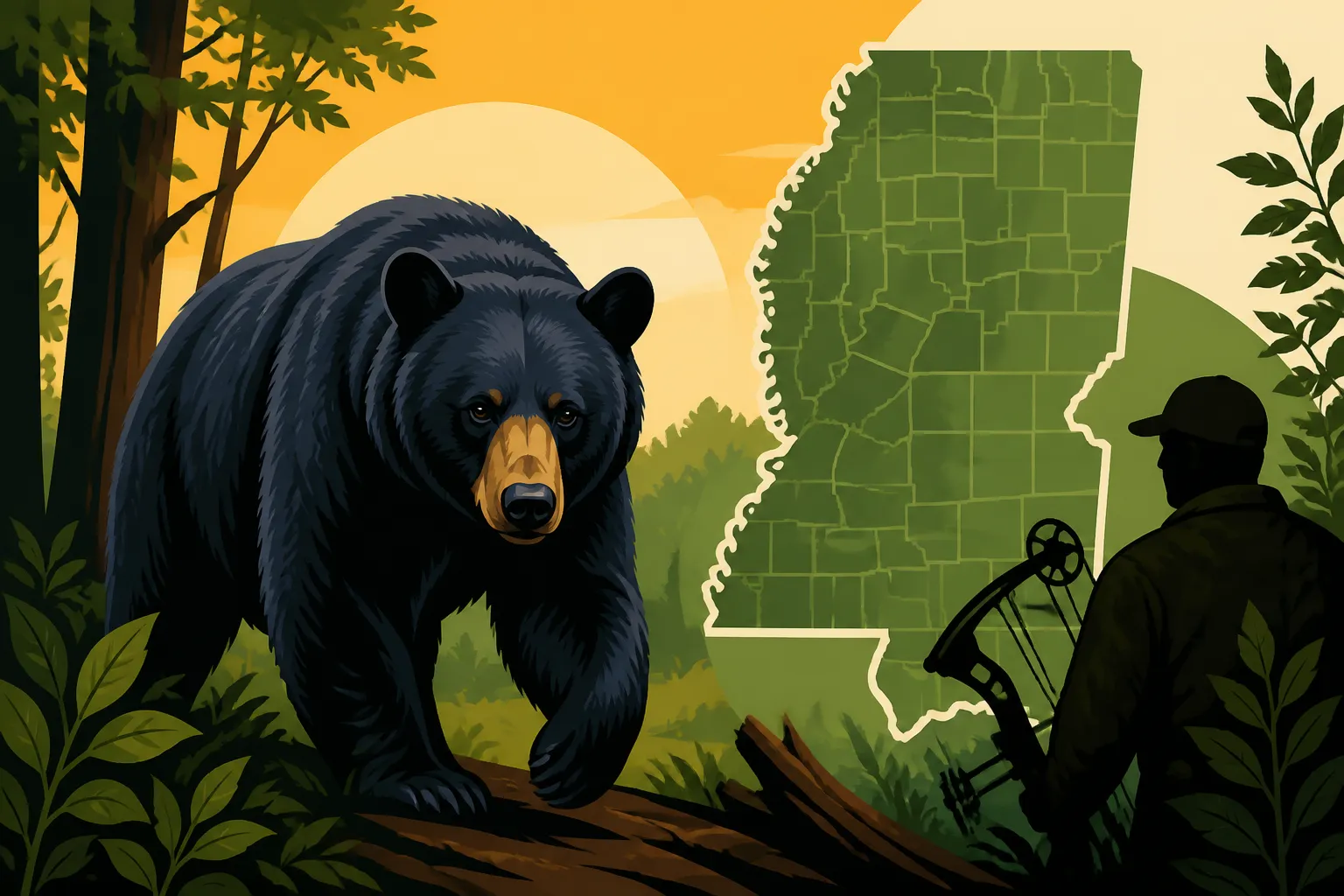
It can be quite a shock, and even a little unsettling, to hear about black bears showing up in places across Central Mississippi where they haven't been seen in generations. For many folks who grew up here, the idea of a bear being outside of the Delta or down in the deep swamps near the coast feels almost foreign, leading to questions and sometimes a bit of anxiety about what to do if you encounter one. This guide will walk you through why these magnificent creatures are expanding their range, what to expect, and how we can all learn to coexist safely as they reclaim more of their historic territory.
The Shifting Landscape: Why Bears Are Moving Into Central Mississippi
For decades, the idea of black bears roaming across much of Mississippi was a distant memory, a story told by grandparents. But things are changing, and quite rapidly in some areas. What we’re seeing now in Central Mississippi isn't a fluke; it's a natural, albeit slow, expansion of a recovering population. Understanding this journey is key to appreciating and preparing for their presence.
A Brief History of Mississippi's Black Bear Population
Back in the day, before extensive logging and agricultural expansion, black bears were common throughout Mississippi. They thrived in our dense forests and river bottoms. However, by the early to mid-20th century, habitat destruction and unregulated hunting pushed them to the brink of extirpation. For a long time, the only viable populations we had were tucked away in the deep, remote bottomland hardwoods of the Mississippi Delta, primarily around the Delta National Forest Hunting area, and in the extensive swamps and pine forests of South Mississippi. These resilient pockets, though small, held on.
Through dedicated conservation efforts by the Mississippi Department of Wildlife, Fisheries, and Parks (MDWFP) and collaborative work with federal agencies and private landowners, habitat began to recover in these strongholds. Bears were given legal protection, their numbers slowly started to climb, and they began to do what healthy wildlife populations do: expand into available, suitable habitat. Mississippi's Recovering Black Bear Population is a real success story, and their movement into Central Mississippi is a testament to that recovery.
Habitat Connectivity and Expansion Corridors
Bears don't just pop up out of nowhere; they follow paths. In Mississippi, major river systems, like the Big Black River and its tributaries, act as natural highways for dispersing bears. These river corridors often retain more contiguous patches of forest, offering cover, water, and food sources that allow a bear to travel long distances without crossing too much open or heavily developed land. Think of them as greenways for wildlife.
Young male bears, in particular, are the pioneers. As they reach maturity, they often disperse from their birth territories, traveling significant distances – sometimes hundreds of miles – in search of new homes, new food sources, and eventually, mates. These journeys lead them through areas like the Loess Bluff Hills and even into the edges of the Piney Woods region, pushing the boundaries of what we've traditionally considered "bear country." You might use a mapping tool like GoHunt to visualize these river systems and undeveloped tracts, understanding how they connect different regions.
Factors Contributing to Range Expansion
Several intertwined factors are fueling this expansion. Firstly, the established bear populations in the Delta and Southern Mississippi have simply grown. With more bears needing territory, younger animals are pushed to seek out new areas. Secondly, there's been an increased awareness and effort around habitat restoration and conservation. Even small patches of reforested land or protected creek bottoms can offer crucial stopovers for a traveling bear.
Finally, the protected status of black bears in Mississippi Why Mississippi Bears Stay Fully Protected has allowed their numbers to rebound without the pressure of legal hunting. While unfortunate instances of illegal killing still occur, the overall protection has been vital. It’s important for all Mississippians to recognize that these animals are still a recovering species, and their continued expansion hinges on our understanding and respect for their journey.
Understanding Bear Behavior and Coexistence
The thought of a bear in your backyard might conjure up images from a nature documentary, but the reality in Mississippi is usually much less dramatic. Black bears are generally shy and reclusive. However, as they move into more populated areas, understanding their behavior and what attracts them becomes crucial for peaceful coexistence.
What Attracts Bears to New Areas?
Like all wildlife, bears are driven by basic needs: food, water, and shelter. When a bear wanders into a new area, it's typically because it has found or is seeking these essentials. Our diverse Mississippi landscape offers a bounty of natural foods, from acorns and pecans to berries and wild grapes. These natural food sources are often the primary draw.
However, human-provided food sources can become irresistible. Garbage left uncovered, pet food bowls left outside, bird feeders, and even barbecue grills with lingering grease are powerful attractants. Agricultural crops, especially cornfields or pecan orchards, can also be tempting targets. Bears are incredibly smart and have an excellent sense of smell. Once they associate humans with an easy meal, they can become habituated, leading to more frequent and potentially problematic encounters.
Distinguishing Between Transient and Resident Bears
It's common for initial sightings in a new area to be of a transient bear. These are often young males striking out on their own, moving through a new landscape, and usually not sticking around for very long. They're just passing through, following those natural corridors or checking out new territory. Their goal is to find unoccupied habitat.
More concerning, and indicative of a potential resident population, are repeated sightings of the same bear over several weeks or months, or especially the presence of a sow (female) with cubs. This suggests the bear has found adequate resources to establish a home range and potentially den. If you see signs like consistently broken branches, scat, or tracks in the same general area, or particularly if you see a female with young, it's a strong indicator that bears might be settling in. Using a reliable mapping application like GoHunt to mark and track these sightings can be incredibly helpful for MDWFP in monitoring their expansion.
Minimizing Human-Bear Encounters in Central Mississippi
The best way to coexist with bears is to avoid giving them a reason to stick around your immediate vicinity. This means becoming "bear-smart" in your daily habits. Start by securing your trash in bear-resistant containers or keeping it in a garage or shed until collection day. Never leave pet food out overnight, and bring bird feeders in at dusk, or consider removing them entirely if bear activity increases. If you have fruit trees or berry bushes, harvest the produce promptly to avoid attracting bears.
For rural residents, electric fencing can be an effective deterrent for gardens, beehives, or chicken coops. It doesn't take much, just enough of a jolt to teach them that those areas aren't worth the trouble. When you're camping or hunting in areas where bears are known to be, whether it's Homochitto National Forest Hunting or elsewhere, always store food in bear-resistant containers, suspended from a tree, or in a locked vehicle. These proactive steps are crucial to minimizing conflicts and ensuring that bears remain wild and wary of humans.
Safety and Reporting: What to Do If You See a Bear
While most bear encounters are fleeting glimpses of a disappearing animal, it's important to know how to react if a bear doesn't immediately bolt. Being prepared can make all the difference, both for your safety and for the bear's well-being. The MDWFP relies on public reporting to track these animals and manage their growing populations responsibly.
Encountering a Bear in the Wild
If you're out in the woods, scouting for deer, or simply enjoying a hike, and you encounter a black bear, remember these key steps. First and foremost, remain calm. Do not run. Running can trigger a chase response, and bears are surprisingly fast. Instead, make yourself look as large as possible by waving your arms slowly and speaking in a calm, assertive voice. Make noise, but don't yell aggressively. The goal is to let the bear know you're human and you're not a threat, but also not prey.
Slowly back away, giving the bear plenty of space to retreat. If the bear stands up, it's usually just trying to get a better look or smell you, not preparing to attack. If a bear approaches, continue to stand your ground, make noise, and be prepared to fight back if it makes contact, especially if it's acting defensively (like a mother with cubs) or if it appears predatory. For detailed guidance, consult the MDWFP's official advice on What to Do If You See a Mississippi Black Bear. Remember, these are rare occurrences, but preparedness is essential.
Reporting Bear Sightings to MDWFP
Every bear sighting is a valuable piece of data for wildlife biologists. Reporting these encounters helps the MDWFP understand the true extent of the bears' expansion, identify new population centers, and develop appropriate management strategies. You can typically report sightings through the MDWFP website or by contacting your local game warden. Try to note the location (as precisely as possible, perhaps using coordinates from a GPS or a mapping app like GoHunt), the date and time, the size of the bear, and any distinctive markings or behaviors.
Don't wait until a bear becomes a nuisance; early reporting helps biologists confirm a bear's presence and offer advice to residents on preventative measures. This proactive approach ensures that the MDWFP can respond effectively and continue to protect these animals while minimizing potential human-wildlife conflicts. Whether it's a quick glimpse from your truck or a more prolonged encounter while Scouting Mississippi Public Land Before Season, every bit of information helps the state's conservation efforts.
Bear-Smart Practices for Hunters and Outdoor Enthusiasts
For those of us who spend a lot of time in the Mississippi woods, becoming bear-aware is an important part of our routine. When camping, never leave food or scented items (like toothpaste or deodorant) in your tent. Use bear-resistant food containers or hang your food bag from a tree limb, at least 10 feet off the ground and 4 feet from the trunk. This is especially vital when exploring areas such as Mississippi Wildlife Management Areas where bears are known to travel.
When field dressing game, especially deer or hogs, try to do it away from your camp or established trails. Pack out all entrails if possible, or spread them widely away from areas where people might travel, covering them with leaves and dirt. Be extra vigilant during hunting season, particularly if you're tracking a downed animal after dark. A bear might also be attracted to the scent of a carcass. Having a light, making noise, and being aware of your surroundings are good general practices anyway, but even more so where bears might be present. Educational programs like those covered under Mississippi Hunter Education Requirements often include segments on wildlife encounters, which is always worth reviewing.
The Future of Bears in Central Mississippi
The presence of black bears moving into Central Mississippi signifies a remarkable ecological comeback. However, it also brings with it new challenges and opportunities for conservation and coexistence in a rapidly changing landscape.
Conservation Challenges and Opportunities
One of the biggest challenges is simply public perception and education. Many Mississippians have no prior experience with bears, and misinformation or fear can quickly spread. It's an opportunity to educate our communities about black bear biology, their generally docile nature, and the simple steps everyone can take to prevent conflicts. Balancing human development with bear habitat is another ongoing concern. As our towns and cities expand, it's vital to maintain and enhance those natural corridors and large tracts of undeveloped land that allow bears to move freely.
Furthermore, integrating bear management into existing wildlife strategies, alongside species like white-tailed deer and Mississippi Feral Hog Regulations, requires careful planning. For example, considering bear activity when planning hunting camp setups or agricultural practices. The more we learn about Mississippi Black Bear DNA Tracking Study and other scientific efforts, the better equipped we are to make informed decisions that benefit both bears and people.
MDWFP's Role in Monitoring and Management
The Mississippi Department of Wildlife, Fisheries, and Parks is at the forefront of monitoring and managing this expansion. Their biologists are tracking sightings, studying movement patterns, and assessing habitat suitability. This data is critical for understanding how rapidly the population is growing and spreading, and where future efforts need to be focused. They work tirelessly to ensure that Mississippi's Recovering Black Bear Population continues to thrive while also providing guidance and assistance to landowners and residents experiencing bear activity.
Currently, black bears remain a fully protected species in Mississippi, meaning there is no legal hunting season for them. The focus is entirely on population recovery and management. This is why reporting sightings and following bear-smart guidelines are so important – it helps the MDWFP continue their vital work of conservation and education, fostering a landscape where both humans and bears can safely share the land.
| Bear Attractant Category | Specific Examples | Prevention Strategy |
|---|---|---|
| Garbage | Household trash, food scraps | Use bear-resistant cans, store in garage/shed until pickup, secure lids. |
| Pet Food | Dog food, cat food left outdoors, bowls | Feed pets indoors, or remove bowls immediately after feeding. |
| Bird Feeders | Seeds, suet, nectar | Bring in at night, clean up spilled seed, consider removing during peak bear activity. |
| Grills/Smokers | Leftover food residue, grease | Clean thoroughly after each use, burn off residue, store in secure location. |
| Fruit Trees/Gardens | Ripe fruit, berries, corn, vegetables | Harvest produce promptly, electric fence vulnerable areas. |
| Compost Piles | Food scraps, fruit peels | Avoid meat/dairy/sweet items, use enclosed composters, turn regularly. |
| Beehives | Honey, larvae | Install electric fencing around hives. |
| Hunting Camp Scraps | Field-dressed game remains, food waste | Pack out entrails or spread far from camp, secure all food. |
Disclaimer
This article is for general informational purposes only and does not constitute professional advice. Laws, prices and regulations vary by location and change over time. Consult a qualified professional for guidance on your specific situation.