Mississippi Cottontail Population Trend
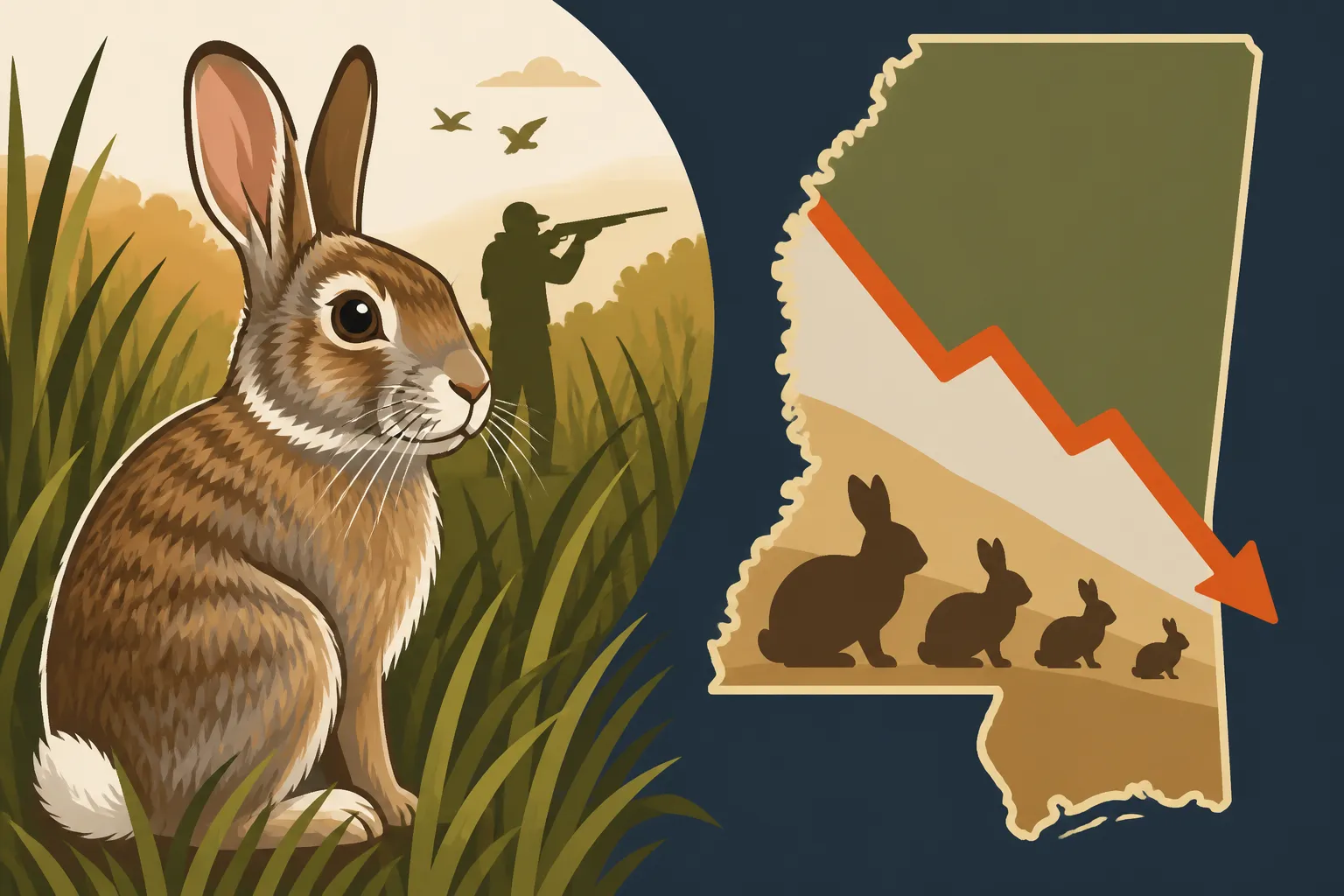
As a hunter in Mississippi, it's easy to feel like you're playing a guessing game when it comes to cottontail rabbits. One year, your favorite briar thicket seems to be teeming with them, and the next, you might only jump a handful all season. This roller-coaster ride of rabbit numbers can be incredibly frustrating, leaving you wondering if it's just bad luck or if something bigger is at play. This guide will dive deep into the real trends affecting Mississippi's cottontail population, explore the underlying causes of those frustrating ups and downs, and arm you with the knowledge to adapt your hunting strategies, hopefully putting more cottontails in your vest.
Understanding the Dynamics of Mississippi Cottontail Populations
It's a common observation among seasoned Mississippi hunters that cottontail rabbit numbers can fluctuate wildly from year to year. One season you might see an abundance of bunnies scurrying through the brush, and the next, your beagle might struggle to find a fresh track. This isn't just your imagination; rabbit populations are inherently dynamic, influenced by a complex web of environmental factors. Understanding these natural cycles and the pressures rabbits face is key to making sense of what you're seeing in the field.
The Natural Boom and Bust Cycle of Rabbits
Cottontail rabbits are incredibly prolific breeders, a trait that makes them resilient but also prone to dramatic population swings. A healthy doe can produce multiple litters a year, with each litter potentially having several young. In ideal conditions, with plenty of food and cover, these populations can explode, leading to those "boom" years where rabbits seem to be everywhere. It's a testament to their reproductive capacity that they can bounce back quickly after tough times.
However, this rapid reproduction also means they are highly susceptible to sudden downturns, or "busts." A particularly harsh winter, an extended period of heavy rain, or a widespread disease outbreak can decimate populations just as quickly as they grew. Think about a farmer who sees a bumper crop one year, only for a late freeze or a pest infestation to wipe out a significant portion the next. Rabbits operate on a similar principle, but on a biological scale. This natural rhythm is a constant factor that hunters in Mississippi have learned to live with, even if it means adjusting expectations from one season to the next. It’s part of the wild drama of Mississippi Small Game and Furbearers.
Habitat Loss and Fragmentation as Key Challenges
While natural cycles play a huge role, the long-term trends for cottontails in many parts of Mississippi, like much of the country, point to a struggle against habitat loss and fragmentation. Historically, Mississippi's landscape was a mosaic of small farms, hedgerows, old fields, and diverse forests, which provided ample edge habitat perfect for rabbits. These edges offered dense cover for escape and bedding, alongside open areas for foraging.
Today, however, the landscape has changed dramatically. Large-scale agriculture often means bigger fields and fewer fencerows or brushy ditches – the very lifelines for rabbits. When a farmer converts a brushy field edge into another row of soybeans, or when a dense thicket is cleared for a new development, prime rabbit habitat vanishes. Even in timber country, clear-cuts that were once fantastic early successional habitat might now be replanted in dense, monoculture pines that quickly "close in," shading out the understory and offering little food or cover for rabbits once they reach a certain height. This loss isn't always immediately obvious, but over decades, it significantly reduces the carrying capacity of the land for cottontails. It makes finding those productive pockets, and understanding Rabbit Hunting Thick Mississippi Brush, even more crucial for hunters.
Factors Influencing Cottontail Numbers in Mississippi
When you're out hunting rabbits in Mississippi, it's not just about finding the right cover; it's also about understanding the forces that shape their numbers on a broader scale. These factors are constantly at play, silently determining how many rabbits are out there before you even step foot in the woods.
The Role of Weather and Disease
Weather, as any Mississippi outdoors person knows, can be fickle and extreme, and it profoundly impacts cottontail populations. A prolonged period of heavy, cold rain, especially during the spring nesting season, can be devastating for young rabbits. Kits born into a soaked nest might succumb to hypothermia or disease before they even have a chance to leave the burrow. Conversely, a severe drought can dry up vital succulent vegetation and reduce the quality of available forage, making rabbits weaker and more susceptible to other threats. The summer months can be particularly challenging for rabbits if rainfall is either too much or too little, impacting their ability to thrive before hunting season begins.
Disease also plays a significant, if often unseen, role in population dynamics. Rabbits are susceptible to several illnesses, such as tularemia, often called "rabbit fever," and fibromatosis, which causes unsightly tumors. While these diseases are natural parts of the ecosystem, they can become more prevalent and cause localized die-offs, especially in dense populations or during stressful environmental conditions. If you've ever found a rabbit that seemed unusually sluggish or had visible lesions, you might have witnessed the impact of one of these diseases firsthand. Their cyclical nature can contribute to the "bust" part of the boom-and-bust cycle.
Predation Pressure and Its Impact
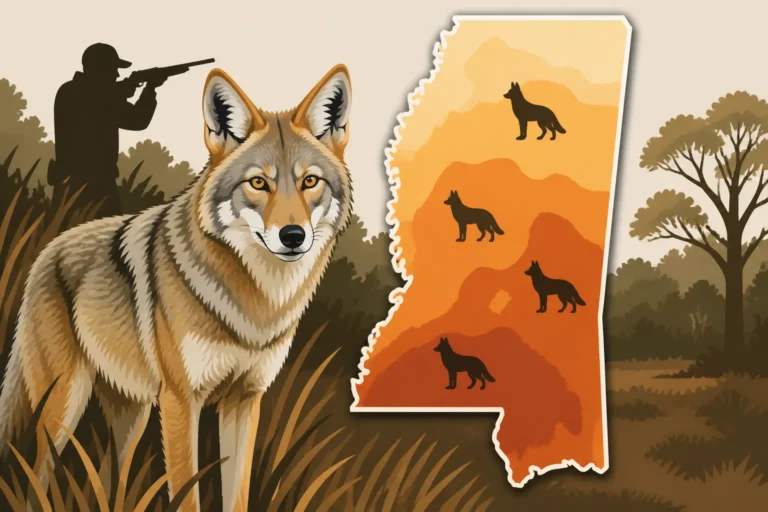
Mississippi's diverse ecosystem is home to a wide array of predators, all of whom consider a cottontail rabbit a tasty meal. From the stealthy bobcat and opportunistic fox to coyotes that seem to be everywhere these days, and even avian predators like hawks and owls, rabbits face constant threats. Coyotes and Predators in Mississippi are particularly abundant and exert significant pressure on prey species like rabbits. Feral cats and dogs, unfortunately, also contribute to predation, especially near rural residential areas.
While predation is a natural and necessary part of keeping ecosystems balanced, an imbalance can suppress rabbit numbers, particularly when other prey sources are scarce or during periods when rabbit populations are already low due to other factors like habitat loss or disease. For instance, if a local deer population declines, coyotes might turn more attention to smaller game like rabbits, intensifying the pressure. It's a delicate balance; too many predators can make it tough for rabbit numbers to rebound quickly, but completely removing predators isn't feasible or desirable for a healthy ecosystem.
Shifting Agricultural Practices and Land Use
We touched on habitat loss earlier, but it's worth digging a little deeper into how specific agricultural shifts impact rabbits. The trend towards larger, more efficient farming operations has often meant the consolidation of land and the removal of "waste" areas. Those brushy fencerows, small odd corners of fields, and unmowed ditches that used to be prevalent – these were rabbit havens. They provided travel corridors, escape cover, and foraging opportunities all in one.
Today, you're more likely to see vast, clean fields stretching for acres, often bordered by roads rather than dense cover. While this is efficient for farming, it creates a sterile landscape for wildlife. Rabbits are left without adequate refuge from predators or harsh weather, and their food sources become limited to crop edges or nearby woodlots, which might be too far or too dangerous to reach. The decline of small, diversified farms that once dotted the Mississippi landscape, with their patchwork of crops, pastures, and unkempt edges, has been a significant blow to cottontail habitat.
However, there's a glimmer of hope. Programs like the Conservation Reserve Program (CRP) sometimes pay landowners to take marginal land out of production and plant it with native grasses and wildflowers, creating excellent, if sometimes isolated, pockets of rabbit habitat. It's not a widespread solution for all areas, but where these programs are implemented, you can often find surprising numbers of rabbits. The challenge is that these areas are often not consistently distributed, making Scouting Mississippi Public Land Before Season with tools like the GoHunt app even more valuable for identifying these pockets.
What Current Trends Mean for Mississippi Rabbit Hunters
Given the natural cycles, habitat changes, and pressures from predators and disease, what does this all mean for you, the Mississippi rabbit hunter? It means a little more thought, a little more strategy, and a bit more adaptability are required to find consistent success. The days of simply walking any old field edge and expecting to jump a dozen rabbits might be fading in some areas, but opportunities certainly still abound if you know where to look and how to hunt.
Identifying Productive Rabbit Hunting Habitat
Because habitat is often fragmented, identifying the prime real estate for rabbits becomes paramount. You need to think like a rabbit: where can I find dense cover to hide from predators, a steady food source, and protection from the elements?
In Mississippi, this translates to specific types of areas:
- Briar Patches and Thickets: These are classic rabbit strongholds. Dense thorns provide impenetrable cover against predators and a safe place to rest. Look for these alongside fields, in old clear-cuts that have regrown into a tangled mess, or along creek bottoms.
- Unmaintained Field Edges: Where a crop field meets a hedgerow, a strip of native grasses, or a brushy ditch, you'll often find rabbits. These "transition zones" offer the best of both worlds: food in the field and cover nearby.
- Early Successional Growth: Recently logged areas (if they've had a few years to grow up into brush, not just pines), abandoned pastures, or areas that have been left fallow for a few years will often develop into excellent rabbit habitat. This low, dense growth is exactly what rabbits need.
- Logging Debris and Brush Piles: Anywhere you find a significant pile of brush, whether natural or man-made from logging operations, you're likely to find a rabbit. These offer fantastic escape cover.
When scouting, don't just drive by; get out and walk these areas. Look for droppings, clipped vegetation, and small runways through the dense cover. This ground-level intel, combined with satellite imagery from mapping tools, can really narrow down your search. Focusing on these specific features is key to Rabbit Hunting Thick Mississippi Brush.
Adapting Hunting Strategies to Population Shifts
When rabbit numbers are down, simply walking endless acres might lead to frustration. Instead, adapting your strategy can make a huge difference.
- Hunt Smaller Areas More Intensely: Rather than covering vast ground thinly, focus your efforts on smaller, high-percentage areas. Work every briar patch, every brush pile, and every dense fencerow thoroughly. This might mean making multiple passes through a prime spot.
- Utilize Good Dogs: A well-trained beagle is invaluable, especially when rabbits are sparse. Their keen noses can find rabbits that a human hunter would walk right past, and their persistence in running a rabbit often provides the only shot opportunity. For many, Running Beagles on Mississippi Cottontails is the quintessential rabbit hunting experience, and it becomes even more critical when numbers are lower.
- Focus on Cover First: Instead of just walking, actively hunt the cover. Push through it, stomp on it, and make noise to flush rabbits that might be holding tight. Remember, a rabbit's first defense is often to sit still and hope you pass by.
- Understand Seasonal Movement: Rabbits might use different cover types depending on the time of year. In early season, they might be found closer to food sources. As winter sets in, they'll often gravitate towards the densest, warmest cover available. This is covered in more detail under Mississippi Squirrel and Rabbit Season Rules.
Mapping apps, like those offered by GoHunt, can be a game-changer here. By pre-scouting an area, you can identify those key habitat features and plan a more efficient route, maximizing your time in the most productive spots, even if rabbit numbers are generally lower in the surrounding region.
Conservation Efforts and the Future of Rabbit Hunting
While it's easy to lament the changes, there are ongoing efforts and actions that can positively impact cottontail populations in Mississippi. Habitat management is the most critical component.
- Landowner Initiatives: Private landowners play a massive role. Simple acts like maintaining brushy fencerows, leaving unmowed strips around fields, creating small brush piles, or allowing old fields to revert to early successional growth can create fantastic localized habitat. Participating in cost-share programs for habitat improvement can also make a difference.
- Public Land Management: State and federal agencies managing public lands in Mississippi are increasingly aware of the need for diverse habitat. Prescribed burns, timber thinning, and planting native warm-season grasses can create and maintain the mosaic of cover and food that rabbits thrive in. While these are often done for deer or turkey, rabbits often benefit tremendously. Understanding how these areas are managed can help you predict where the rabbits might be, linking back to Scouting Mississippi Public Land Before Season.
- Hunter Support: Your participation in hunting directly supports wildlife management through license fees. Advocating for habitat preservation and diverse land use practices can also help. After all, healthy rabbit populations indicate a healthy, diverse ecosystem for a wide range of Mississippi Small Game and Furbearers.
Tools and Resources for Tracking Rabbit Activity
In today's world, hunters have more resources at their fingertips than ever before. While there's no substitute for time in the field, leveraging technology and community knowledge can significantly enhance your understanding of local rabbit populations and increase your hunting success.
Leveraging Technology for Scouting
Modern technology has revolutionized how we scout and approach hunting, and rabbit hunting is no exception. Gone are the days of relying solely on paper maps and vague directions.
- Mapping Apps: Tools like the GoHunt app are invaluable for armchair scouting. You can use satellite imagery to zoom in on potential rabbit habitat right from your couch. Look for the telltale signs: dense green thickets, distinct fencerows, clear-cut edges that are growing up, and the transition lines between different types of cover. Identifying these areas beforehand saves you countless hours of walking unproductive ground. You can even layer public land boundaries and topography to plan efficient routes. GoHunt offers various features that allow you to mark waypoints, measure distances, and understand the lay of the land before you ever lace up your boots.
- Historical Data: Some apps or state wildlife agency websites might offer historical satellite imagery, allowing you to see how an area has changed over time. Has a once-brushy area been cleared? Or has a new clear-cut matured into prime rabbit habitat? This can give you insights into longer-term trends.
- Weather Forecasting: Keeping a close eye on weather patterns isn't just for planning your hunt, but also for understanding potential impacts on rabbit numbers and their behavior. Knowing if a cold front is coming or if a warm spell is settling in can influence where rabbits are likely to be holed up.
These digital tools don't replace boots on the ground, but they make those boots much more efficient in finding areas with good potential.
Field Observation and Local Knowledge
While technology is powerful, nothing beats real-time, boots-on-the-ground observation and tapping into the wisdom of local hunters.
- Active Scouting: Before the season, or even during early squirrel season, take walks through potential rabbit areas. Look for fresh droppings (small, round pellets), clipped vegetation (rabbits often nip off twigs and stems at a neat angle), and distinct runways through dense grass and brush. The more sign you see, the better your chances. Pay attention to how rabbits are using the cover at different times of the day or in varying weather conditions.
- Talk to Locals: The old-timers and local landowners are often a treasure trove of information. They've seen the land change over decades and can tell you which thickets consistently hold rabbits or which fields always seem to produce a few. Respectful conversations can open doors to new hunting spots or insights. They might even have advice on Mississippi Cottontail Population Trend from their own experience.
- Understand Seasonal Shifts: As the seasons progress from early fall into winter, rabbit behavior and preferred habitat can shift. In early fall, they might be more dispersed and closer to abundant forage. As cold weather and hunting pressure increase, they'll often retreat to the densest, most protective cover they can find. Understanding these shifts is crucial for success, something often discussed by those who regularly chase Rabbit and Upland Hunting in Mississippi.
MDWFP Data and Hunter Reports
The Mississippi Department of Wildlife, Fisheries, and Parks (MDWFP) is the primary agency responsible for managing game populations. While they might not provide specific "rabbit counts" for every county, they do collect data that informs their season setting and overall management strategies.
- Harvest Reports: While not always broken down by small game species in granular detail for public consumption, annual harvest reports and surveys gathered by the MDWFP can offer general insights into small game populations. These reports help wildlife managers gauge trends and assess the health of game populations.
- Hunter Surveys: Sometimes, wildlife agencies conduct voluntary hunter surveys, asking about the number of rabbits seen or harvested. Participating in these surveys, if available, is a great way to contribute to scientific management and ensure your observations are part of the bigger picture.
- General Habitat Information: The MDWFP provides a wealth of information on various game species, habitat management, and public hunting opportunities. While specific rabbit population numbers might be elusive, understanding the broader context of Mississippi Small Game Season Rules and habitat initiatives can still be very helpful for hunters trying to connect the dots.
By combining the power of digital scouting tools, vigilant field observation, local knowledge, and an understanding of state wildlife initiatives, you can build a more complete picture of Mississippi's cottontail population trends and significantly improve your chances of a successful hunt.
| Habitat Feature | Rabbit Attractiveness | Description | Best Season for Finding Rabbits |
|---|---|---|---|
| Briar Patches | High | Dense, thorny thickets providing excellent cover from predators and harsh weather. Often found on field edges or disturbed ground. | All seasons, especially winter |
| Old Clear-cuts | Medium to High | Areas logged a few years prior, growing back with dense saplings, brush, and weeds. Provides food and cover, but can get too thick over time. | Early fall to mid-winter |
| Fencerows & Ditches | Medium | Linear strips of overgrown brush and weeds, often bordering agricultural fields. Crucial travel corridors and refuge. | All seasons |
| Native Grass Stands | Medium | Fields or strips planted with dense native grasses. Offers good nesting and escape cover, especially if interspersed with brush. | Spring/Summer for nesting, Fall |
| Brush Piles | High | Intentional or unintentional piles of branches and logs. Provides immediate, dense overhead and ground cover for escape. | All seasons |
| Pine Plantations | Low (Mature) to High (Young) | Young plantations (2-5 years post-planting) can be excellent if understory is allowed to grow. Mature, closed-canopy pines offer very little. | Young stands in early fall |
| Creek/River Bottoms | Medium to High | Often contain dense undergrowth, briars, and mixed hardwoods. Provides consistent cover and diverse food sources, especially in drier areas. | All seasons |
Disclaimer
This article is for general informational purposes only and does not constitute professional advice. Laws, prices and regulations vary by location and change over time. Consult a qualified professional for guidance on your specific situation.