Avian Influenza in Mississippi Birds
It's always a punch to the gut when something threatens the wild birds we cherish, especially our migratory waterfowl and even those gobblers we chase in spring. The news of avian influenza, or bird flu, can certainly raise concerns, bringing questions about what it means for our feathered friends and, frankly, for us hunters. This guide is here to help you understand avian influenza in Mississippi birds, what to watch for, and how you can help keep our wildlife populations healthy.
Understanding Avian Influenza: The Basics of Bird Flu
Avian influenza, commonly known as bird flu, is a highly contagious viral disease that primarily affects birds. While it might sound like a new threat, different strains of avian influenza viruses have been circulating in wild bird populations for centuries. Most of these strains cause no symptoms or only mild illness in wild birds, but some can be particularly virulent, leading to severe disease and even mass die-offs. It's a complex topic, and understanding the basics is the first step to being informed.
There are various types of avian influenza viruses, classified based on two proteins on their surface: hemagglutinin (H) and neuraminidase (N). You might hear terms like H5N1 or H7N9, which refer to specific combinations of these proteins. The most concerning strains for both wildlife and domestic poultry are typically those classified as Highly Pathogenic Avian Influenza (HPAI). These HPAI strains can cause severe illness and high mortality rates in infected birds, contrasting sharply with Low Pathogenic Avian Influenza (LPAI) strains, which usually result in mild or no clinical signs. The key difference lies in their ability to spread rapidly and cause severe disease.
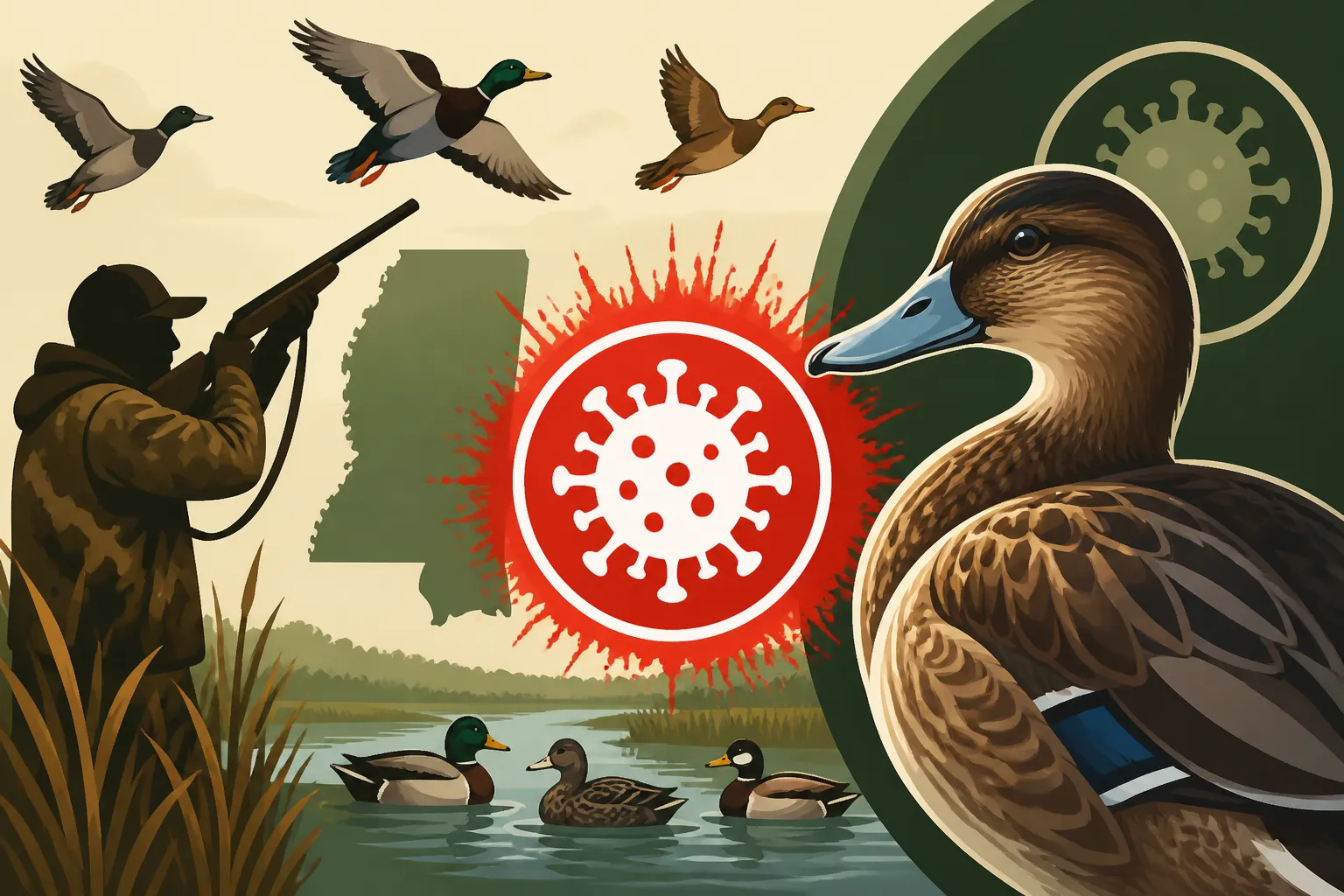
The virus primarily spreads through direct contact between infected birds, but it can also be transmitted through contaminated environments. This means things like fecal matter, nasal secretions, and even contaminated water can carry the virus. Migratory waterfowl, like ducks and geese, are often considered natural reservoirs for these viruses. They can carry the virus without showing obvious signs of illness, flying long distances and potentially introducing it to new areas and other bird populations, including domestic poultry farms. It’s this migratory pattern that makes monitoring and understanding its spread so crucial for states like Mississippi, which sits right in the heart of the Mississippi Flyway.
Avian Influenza's Footprint in Mississippi
Mississippi, with its rich tapestry of wetlands, rivers, and agricultural lands, is a vital stopover for countless migratory birds, especially waterfowl making their journey along the Mississippi Flyway. This makes our state particularly susceptible to the introduction and spread of avian influenza. When outbreaks occur, it's not just a concern for the birds themselves, but also for our valuable poultry industry and, naturally, for the hunters who spend so much time in close proximity to these wild populations.
Historically, Mississippi has seen its share of avian influenza cases, usually mirroring national trends in migratory bird movements. The virus can manifest differently across species. For instance, while ducks might carry the virus with no visible signs, a bald eagle or a great horned owl that preys on infected waterfowl might show severe neurological symptoms, leading to illness or death. This cross-species impact is a significant concern, as it affects the overall health of our ecosystems. It’s heartbreaking to find a majestic raptor struggling, knowing it could be due to something carried unknowingly by a duck.
The Mississippi Department of Wildlife, Fisheries, and Parks (MDWFP) is on the front lines, closely monitoring wild bird populations for signs of the virus. This involves surveillance efforts, particularly in areas with high concentrations of waterfowl, such as the Delta region and our numerous wildlife management areas. They work in conjunction with federal agencies and local veterinarians to track cases and understand the spread. Understanding Mississippi Wildlife Disease Monitoring is key to staying informed, and their efforts are critical to identifying outbreaks early and implementing necessary precautions to protect both wild and domestic birds in our state.
Staying Safe and Responsible: Hunter's Guide to Bird Flu
For us hunters, spending countless hours in swamps, fields, and forests, the presence of avian influenza means we need to be extra vigilant and practice smart hygiene. It’s not about fear, but about respect for the game we pursue and the environment we cherish. Our role as ethical hunters extends beyond the harvest; it includes being responsible stewards of wildlife health. When you're out there using tools like GoHunt to scout new areas or mark your favorite duck blind, keep an eye out for anything unusual.
Identifying Sick Birds in the Field
Knowing what to look for is your first line of defense. Birds infected with HPAI may exhibit a range of symptoms, though sometimes they show none at all, particularly in waterfowl. However, if you see birds acting strangely, it’s a red flag. Look for signs like lethargy, tremors, uncoordinated movements, swelling around the head, eyes, and neck, or respiratory distress like coughing and sneezing. You might also notice birds struggling to fly, swimming in circles, or showing unusual aggression or lack of fear. A bird that seems simply "off" should be noted. Don't touch it.
What's really important here is observation without direct contact. If you encounter multiple dead or visibly sick birds in one area, especially waterfowl or raptors, this is a significant indicator. Hunters are often the first to notice these things because we're out there, deep in the habitat, seeing things the average person doesn't. Your keen eye and quick reporting can make a real difference in controlling potential outbreaks. Always remember, if something doesn't look right, it probably isn't.
Safe Handling Practices for Harvested Game
When you’ve had a successful hunt, whether it's ducks, geese, or even small game birds, safe handling is paramount. While the risk of humans contracting avian influenza from properly handled and cooked game birds is considered very low, it’s not zero, and preventing spread to other animals is crucial. Always wear gloves when handling any harvested birds, especially during field dressing. This isn't just for bird flu; it's good practice for general sanitation and to prevent exposure to other potential pathogens. Waterfowl Hunting the Mississippi Delta or Squirrel and Small Game Hunting in Mississippi are beloved traditions, and we want to keep them safe.
After field dressing, clean your tools thoroughly with soap and water, followed by a disinfectant. This includes knives, game shears, and any surfaces the bird came into contact with. Bag the guts and dispose of them properly, preferably not leaving them in the field where other scavengers might encounter them. Make sure to cook all game meat to an internal temperature of at least 165°F (74°C) to kill any potential viruses or bacteria. When you’re back home, wash your hands thoroughly with soap and water for at least 20 seconds. It’s a simple routine, but it's incredibly effective.
Reporting and What to Do
Your observations in the field are incredibly valuable. If you find multiple sick or dead wild birds, especially waterfowl, raptors, or other large birds, it’s vital to report it to the MDWFP. Do not collect or transport the birds yourself. The MDWFP has specific protocols for investigating and collecting samples. You can find contact information for reporting sick animals on their official website or through their wildlife disease monitoring programs. When you report, try to be as specific as possible about the location, the number of birds, and the symptoms you observed. Logging your observations, perhaps even with an app like GoHunt, can be a small but mighty contribution to the bigger picture.
| Observation Type | What to Look For | What to Do |
|---|---|---|
| Sick Birds | Lethargy, tremors, uncoordinated movement, swollen head, discharge, difficulty breathing, unusual behavior. | Do NOT approach or touch. Note location, species, and symptoms. Report immediately to MDWFP. |
| Multiple Dead Birds | Several dead birds in one concentrated area, especially waterfowl or raptors, without obvious signs of trauma. | Do NOT touch. Note location, species, and estimated number. Report immediately to MDWFP. |
| Single Dead Bird | While less concerning, if it's a large bird or found in unusual circumstances. | If concerned, report to MDWFP. Avoid direct contact. |
| Harvested Bird | No symptoms observed, but practice safe handling as a precaution. | Wear gloves, clean tools, cook thoroughly (165°F). |
Remember, your cooperation helps protect not only our wildlife but also our agricultural resources. The MDWFP relies on responsible hunters to be extra eyes and ears in the field, making sure that when something seems amiss, it gets noticed.
Protecting Our Feathers: Long-Term Outlook and Prevention
Avian influenza isn't going away, but understanding it and adopting best practices can significantly reduce its impact on Mississippi's bird populations. It's a continuous challenge, requiring ongoing surveillance, research, and a commitment from everyone who values our natural heritage. The collective effort of hunters, landowners, and state agencies is what truly makes a difference in mitigating the risks associated with this and other wildlife diseases.
Collaborative Conservation Efforts
The MDWFP, along with federal partners and conservation organizations, plays a crucial role in managing wildlife health. This involves extensive surveillance programs for Mississippi Waterfowl Migration Timing and other bird populations, looking for early indicators of disease. Research into avian influenza strains and their patterns helps scientists understand how the virus evolves and spreads, leading to better management strategies. These efforts often involve sampling wild birds, especially waterfowl, to track the prevalence and types of viruses circulating.
Beyond direct monitoring, habitat management also plays an indirect role. Healthy, resilient bird populations are often better equipped to withstand disease challenges. Protecting and restoring wetlands, managing forests for diverse wildlife, and creating quality habitat for species like Wild Turkeys in Mississippi and Mississippi Small Game and Furbearers all contribute to a stronger ecosystem. When birds have access to abundant food and clean water, they are generally healthier and less stressed, which can improve their ability to fight off infections.
Your Role as a Hunter and Conservationist
As hunters, we are critical partners in this ongoing effort. Your responsible actions in the field, from diligent observation to proper hygiene, are vital. Consider your impact beyond your immediate hunt. Educating fellow hunters about safe practices and the importance of reporting sick animals helps create a broader network of informed conservationists. By staying updated on MDWFP advisories, you can adapt your practices as needed, ensuring you're always operating with the most current information. Using mapping tools on your GoHunt app can also help you mark areas where you've observed anything concerning, creating a personal record that could prove useful.
Moreover, supporting organizations that fund wildlife disease research and habitat conservation indirectly contributes to a healthier environment for all birds. Your license fees and stamp purchases directly support these vital programs. The future of Mississippi Waterfowl on the Mississippi Flyway and all our wild birds depends on a proactive, informed, and collaborative approach. Let's keep our eyes open, our hands clean, and our commitment to Mississippi's incredible wildlife strong.
Disclaimer
This article is for general informational purposes only and does not constitute professional advice. Laws, prices and regulations vary by location and change over time. Consult a qualified professional for guidance on your specific situation.