Mississippi Feral Swine Genetics and Origin
The problem of feral hogs across Mississippi isn't just an annoyance; it's a deeply entrenched ecological and agricultural crisis that affects everyone from large-scale row crop farmers in the Delta to small landowners in the Piney Woods. These prolific pests cause immense damage, spread disease, and disrupt native wildlife, leaving many wondering how we got to this point and what we're truly up against. This guide aims to shed light on the complex genetic makeup and historical origins of Mississippi's feral swine, offering a deeper understanding of these formidable adversaries and why they are such a persistent challenge to manage.
The Deep Roots: Historical Arrival and Spread of Feral Swine in Mississippi
When you look across the torn-up fields and rooted-up woods, it’s easy to feel like feral hogs just appeared out of nowhere, multiplying faster than you can blink. But the truth is, their story in Mississippi is a long and complicated one, stretching back centuries and shaped by human decisions, both intentional and accidental. Understanding this history is crucial to grasping why they are such a challenge today.
Early European Introductions
Long before modern hunting regulations or even the idea of wildlife management existed, the first pigs arrived on North American shores with European explorers. Spanish conquistadors, like Hernando de Soto, brought swine to the Southeast in the 16th century, not just as a food source for their expeditions, but often as a living larder. These animals were durable, prolific, and able to forage for themselves, making them perfect for sustaining long journeys. Many of these early pigs inevitably escaped, establishing free-ranging populations that became the progenitors of what we now recognize as feral hogs. These weren't your modern domestic farm pigs; they were hardy, often dark-colored, and adapted quickly to the wild landscapes of places like Mississippi, developing traits that allowed them to survive without human intervention.
These early introductions weren't widespread across the entire state immediately, but they laid the groundwork, particularly in areas near early settlements and exploration routes. Over generations, these escapees interbred and solidified their place in the wild. Think of them as the original pioneers of the feral hog problem, silently setting up shop in the dense forests and river bottoms long before anyone understood the long-term consequences.
Later Introductions and Escaped Domestic Swine
The story doesn't end with the Spanish. Throughout the centuries, and especially during the expansion of American agriculture, domestic hogs continued to escape or were intentionally released. For a long time, it was common practice in rural areas for farmers to allow their pigs to free-range, especially in timberland or open woods, for them to forage and fatten up. Fences weren't always robust, and the lines between "domestic" and "wild" were often blurred. A stray pig from a farm could easily join a small sounder of existing feral hogs, adding new genetic material to the burgeoning wild population.
As agricultural practices changed and more intensive farming became the norm, these free-ranging practices waned, but by then, the damage was already done. Each escapee or release acted like a genetic booster shot for the wild population, contributing to their numbers and their genetic diversity. This constant influx meant that the feral hog population wasn't a static entity; it was continually evolving and expanding, making it even more resilient and widespread across the state. This blending of bloodlines is a significant part of what makes today's feral swine so successful and difficult to contain.
The Hybridization Factor
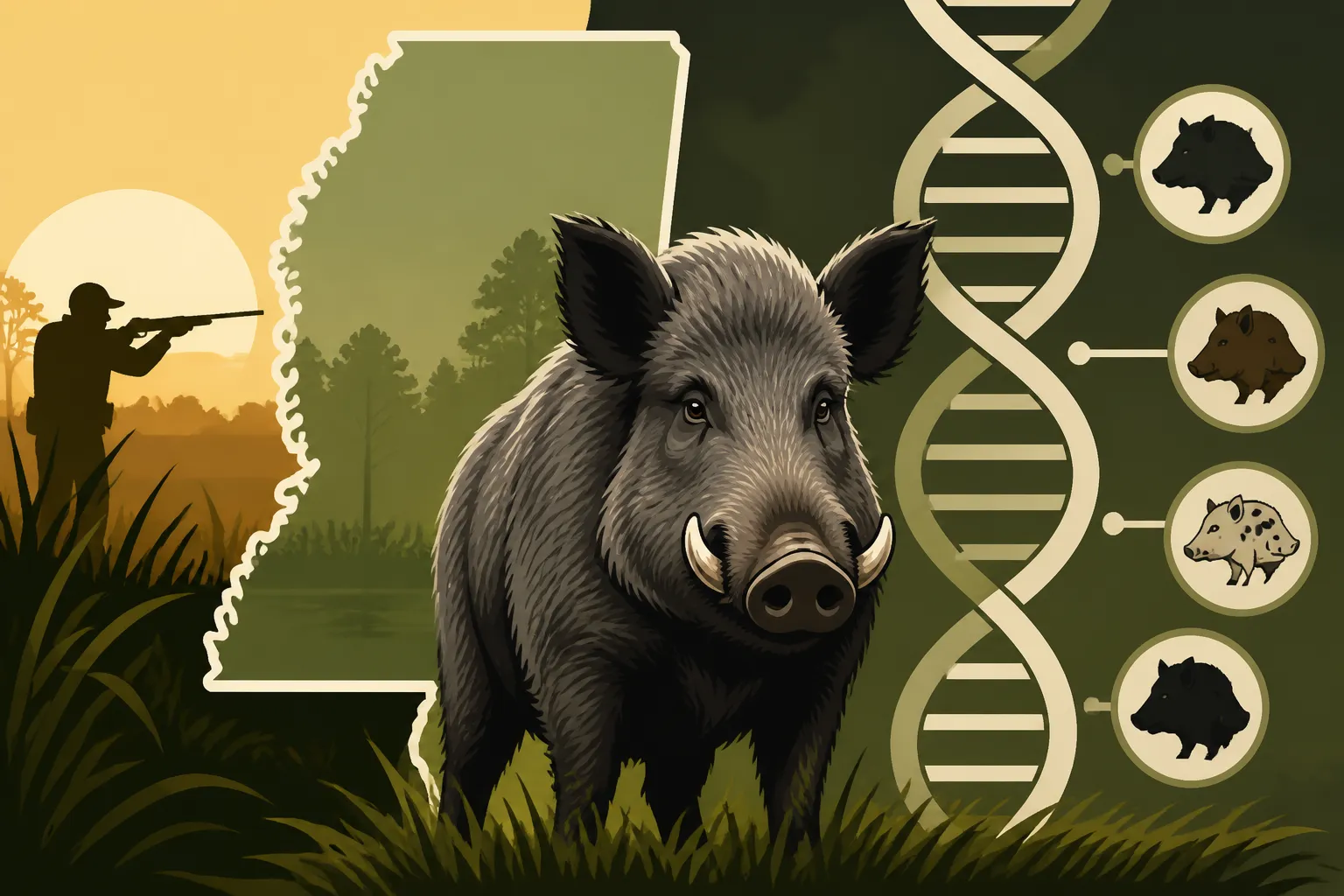
Perhaps the most critical piece of the puzzle regarding origin and genetics is the widespread hybridization that has occurred over centuries. It's not just "wild pigs" or "escaped farm pigs"; it's a complex mix of both, often with contributions from true European wild boar ancestry introduced decades ago for hunting purposes, typically on private game ranches. These various strains interbred, creating a highly adaptable and robust animal.
The result is an animal that often displays the best—or worst, depending on your perspective—traits of all its ancestors. They might have the tusks, dark hair, and elongated snouts of their wild boar forebears, combined with the faster growth rates and larger litter sizes common in modern domestic breeds. This genetic mashup has resulted in a creature perfectly engineered for survival and reproduction in diverse environments, from the dense bottomlands of the Delta to the pine forests of the south. This ongoing hybridization means that a "pure" strain of either wild boar or domestic hog is rare in the feral populations we see tearing up landscapes across Mississippi today.
A Mixed Bag: Understanding Mississippi's Feral Hog Genetics
When we talk about "feral hogs" in Mississippi, we're not talking about a single, uniform animal. We're discussing a dynamic blend of genetic influences that contribute to their incredible resilience and destructive power. It's like a genetic stew that makes them particularly formidable.
Wild Boar Ancestry
Many of Mississippi's feral hog populations, especially those with more "old world" features like heavily bristled coats, longer snouts, and prominent tusks, carry significant genetic markers from European wild boar. These animals were originally introduced into parts of the United States, often for hunting on private lands, starting in the early 20th century. While not native, these "pure" wild boars were incredibly tough, wary, and well-adapted to surviving in diverse forest environments.
Inevitably, some of these wild boars escaped their enclosures and began interbreeding with existing feral populations that already had domestic hog ancestry. The introduction of these wild boar genes often enhanced traits beneficial for survival in the wild, such as increased wariness, a stronger rooting instinct, and a more aggressive disposition when threatened. This infusion of wild boar blood is a key reason why many feral hogs exhibit such formidable characteristics, often leading hunters to mistakenly believe they are dealing with "true" wild boars when in reality they are hunting a hybrid.
Domestic Hog Influence
On the other end of the spectrum, the genetic makeup of Mississippi's feral swine is heavily influenced by domestic hog breeds. From the lean, agile "pineywoods rooter" types of yesteryear to more modern commercial breeds like Durocs or Yorkshires, countless domestic pigs have either escaped or been released over the centuries. These domestic contributions often bring traits that, paradoxically, enhance the feral hog's destructive potential.
Domestic breeds are typically selected for traits like rapid growth, larger body size, and crucially, larger litter sizes and shorter farrowing intervals. When these genes enter the wild population through interbreeding, they contribute to the feral hog's astounding reproductive capabilities. A wild boar might have a smaller litter once a year, but a feral sow with significant domestic influence might have two or three litters annually, each with more piglets. This domestic genetic contribution turbocharges their population growth, making control efforts feel like an uphill battle.
The Hybrid Vigor Advantage
The real magic, or rather, the real headache, lies in what geneticists call "hybrid vigor" or heterosis. This is the phenomenon where hybrid offspring show superior qualities compared to both parent lines. In the case of Mississippi's feral swine, this means you often get an animal that combines the best survival traits of wild boars (toughness, wariness, disease resistance, foraging efficiency) with the rapid growth and prolific reproduction of domestic hogs.
This hybrid advantage makes them incredibly adaptable. They can thrive in the dense cover of river bottoms, navigate the open fields of the Delta, and survive in the diverse habitats of the Hills Unit. Their mixed genetics allow them to exploit a wider range of food sources and adapt to various environmental conditions, from droughts to floods. This genetic cocktail ensures that feral hogs are not just survivors, but thrivers, making them an incredibly difficult species to eradicate or even effectively control across the state. It’s this combination of genes that truly defines the Mississippi feral hog.
The Proliferation Problem: Why Feral Swine Numbers Explode
You don't have to look hard to see the signs of feral hogs in Mississippi. Torn-up fields, rooted-up food plots, and damaged stream banks are everywhere. What often leaves hunters and landowners scratching their heads is just how quickly these animals multiply and spread. It feels like every time you get a handle on them, ten more appear. There's a biological explanation for this relentless surge.
Incredible Reproductive Capacity
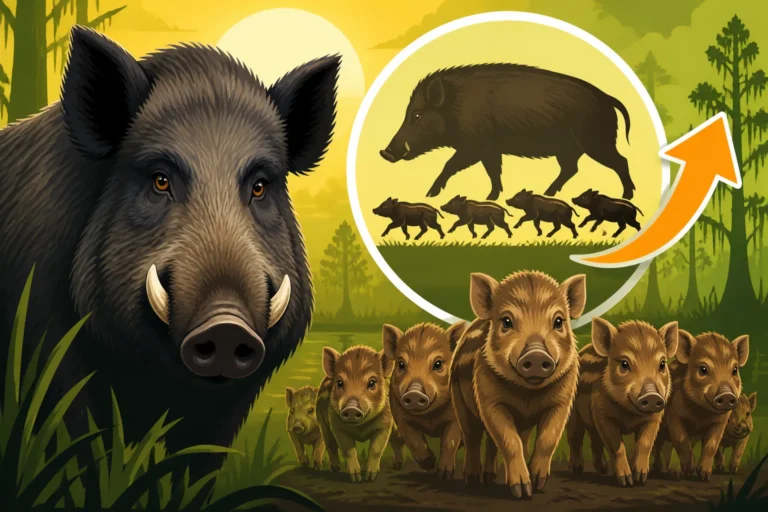
One of the primary drivers behind the explosion of feral hog populations is their unparalleled reproductive capacity. These aren't like deer, which typically have one or two fawns once a year. Feral sows can start breeding as young as six months old, and they don't stop. They can produce litters two to three times a year, with each litter averaging four to eight piglets, though larger litters are not uncommon.
Think about that: a single sow, given ideal conditions, can potentially contribute anywhere from 8 to 24 new piglets to the population each year. And those piglets, both male and female, can begin reproducing themselves within their first year. This exponential growth rate means that even if you remove a significant number of hogs from a property, the remaining population can rebound incredibly quickly if even a few productive sows survive. It's a biological treadmill that can feel impossible to get off of. This is part of the frustrating reality when you're trying to thin them out, whether you're using methods like Trapping Mississippi Feral Hogs or conducting large-scale night hunting operations.
Adaptability and Resourcefulness
Beyond just their ability to reproduce, Mississippi's feral hogs are incredibly adaptable and resourceful. They are opportunistic omnivores, meaning they'll eat just about anything they can find. This includes acorns, roots, tubers, agricultural crops (corn, soybeans, peanuts are favorites), insects, snakes, bird eggs, fawns, and even carrion. This diverse diet allows them to thrive in virtually any habitat Mississippi offers, from the river bottoms and swamps to pine plantations and agricultural fields.
They are also masters of evasion. Their intelligence, combined with their dense hair and thick skin, makes them incredibly tough. They learn quickly from pressure, becoming largely nocturnal in heavily hunted areas. They can utilize dense cover to hide during the day and travel long distances at night to feed. Their ability to adapt their behavior to human pressure is a significant factor in their success. Even with advanced scouting tools like GoHunt, locating these elusive animals requires persistent effort and understanding of their movement patterns.
Lack of Natural Predators
In their native European ranges, wild boars face natural predators like wolves and bears, which help keep their numbers in check. In Mississippi, and indeed across much of the United States, adult feral hogs have virtually no natural predators. While coyotes, bobcats, or even large raptors might take a young piglet, a mature sow or boar is rarely threatened by anything other than humans.
This absence of a natural check on their population is a huge part of why their numbers can swell so dramatically. There's nothing to cull the weak or the old, or to significantly reduce the reproductive stock. This allows every generation to grow larger, with higher survival rates for piglets. It underscores why human intervention, through hunting, trapping, and other control methods, is absolutely essential if we hope to mitigate the damage caused by these animals. Without predation pressure, they simply outgrow any attempts to contain them through traditional hunting methods alone, making strategies like Night Hunting Hogs With Lights on Private Land increasingly popular and effective.
Impact Across the Landscape: Ecological and Agricultural Consequences
The presence of feral hogs isn't just an inconvenience; it's a profound threat to Mississippi's natural ecosystems and agricultural economy. The sheer scale of their impact is often hard to grasp until you've seen the damage firsthand. It's not just a few torn-up patches; it's widespread degradation that affects everything from the soil to the survival of native species.
Habitat Destruction and Soil Erosion
Feral hogs are notorious for their rooting behavior, which involves digging up soil with their powerful snouts in search of roots, tubers, insects, and other food sources. This rooting can transform lush fields, forests, and wetlands into churned-up wastelands overnight. This isn't just an aesthetic problem; it leads to severe habitat destruction. Native plant communities are uprooted and destroyed, altering the ecological balance. Delicate wetland habitats, crucial for many waterfowl and amphibians, can be completely ruined.
Beyond vegetation, this rooting has a devastating impact on soil health. It loosens the soil, making it highly susceptible to erosion, especially during Mississippi's heavy rainfall. Sediment washes into streams and rivers, degrading water quality, harming aquatic life, and increasing flooding risks. This erosion can be particularly severe on slopes and near waterways, where the damage exacerbates natural processes, leading to long-term environmental degradation. This kind of widespread damage means understanding How Many Feral Hogs Mississippi Has is critical for broader ecological assessments.
Competition with Native Wildlife
Feral hogs are direct competitors with native wildlife for critical food resources. When hogs consume massive quantities of acorns, nuts, and other mast crops, there's less left for deer, squirrels, turkeys, and bears. This competition can impact the health, reproduction, and survival rates of these native game and non-game species. Imagine a prime oak flat after a good acorn crop: if hogs get there first, they can consume the majority of the acorns, leaving precious little for a deer herd or a flock of turkeys trying to build reserves for winter.
Furthermore, feral hogs are known predators of native wildlife. They readily consume the eggs of ground-nesting birds, like wild turkeys and quail, and have been documented preying on fawns. This predation pressure, combined with habitat destruction and food competition, can severely impact the reproductive success and population stability of vulnerable native species. The ripple effect through the food web can be significant, altering the delicate balance of Mississippi's rich biodiversity.
Disease Transmission Concerns
One of the most insidious threats posed by feral swine is their potential role in disease transmission. These animals can carry and transmit a host of diseases to domestic livestock, wildlife, and even humans. While some diseases are more prevalent in other regions, the risk is ever-present. Some of the concerns include:
- Brucellosis: A bacterial disease that can cause abortions in cattle and swine, and can also infect humans (known as undulant fever).
- Pseudorabies: A viral disease that is often fatal to most mammals (including dogs, cats, and cattle), though adult hogs are often carriers without showing symptoms. It poses a significant threat to domestic swine operations.
- Leptospirosis: Another bacterial disease affecting a wide range of mammals, including humans, causing kidney damage and other severe symptoms.
Beyond these, hogs can also carry parasites and other pathogens. Their widespread movement and rooting behavior facilitate the spread of these diseases across vast areas, making disease management incredibly challenging. For landowners, hunters, and agricultural producers, this health risk adds another layer of complexity to the already difficult task of managing feral hog populations. It's a silent threat that can have severe economic and public health consequences. For more details on this, you might look into resources about Mississippi Wildlife Disease Monitoring.
The Management Challenge: Tailoring Strategies to Swine Biology
Given their complex genetics, incredible reproductive rates, and widespread impact, managing Mississippi's feral hog problem is an enormous, ongoing challenge. It’s not just about going out and shooting a few pigs; it requires a strategic, multifaceted approach that acknowledges their biology and adaptation.
Genetic Markers for Management
While direct genetic manipulation isn't a practical field management tool for widespread feral hog control, understanding their genetic makeup does offer insights into their behavior and resilience. For example, knowing that many populations carry strong domestic hog genes helps explain their high reproductive rates, reinforcing the need for intensive and consistent removal efforts. The presence of wild boar genes explains their wariness and physical toughness.
Researchers can use genetic markers to trace population movements and identify source populations, which can inform targeted control efforts in new areas. By understanding the relative contributions of domestic versus wild genetics in a given area, wildlife managers can better anticipate behavior patterns – for instance, a population with more wild boar influence might be warier and harder to trap, while a more domestic-influenced group might be easier to lure to bait. This scientific understanding, though not always directly visible to the hunter, underpins many of the large-scale strategies employed by wildlife agencies.
Integrated Control Approaches
Because of their unique biology and prolific nature, no single method will effectively control feral hog populations. Instead, an integrated approach combining multiple strategies is essential. This often includes:
- Trapping: This is arguably the most effective method for removing large numbers of hogs, especially entire sounders at once. Modern traps, often "smart traps" that can be monitored remotely, allow for efficient removal. Setting up effective traps requires knowledge of hog behavior and consistent baiting, as outlined in articles like What Hog Trappers Use in Mississippi and Building and Freshening a Hog Bait Site.
- Shooting/Hunting: While recreational hunting helps remove individual animals and provides sport, it typically doesn't significantly reduce population numbers on its own due to their high reproductive rate. However, targeted shooting, especially at night with thermal or night vision optics, can be very effective for specific areas, particularly for removing wary animals that avoid traps.
- Snaring: In some contexts, snares can be an effective tool, though they require careful placement and monitoring to be humane and target specific animals.
- Exclusion Fencing: For high-value agricultural crops or sensitive ecological areas, hog-proof fencing can be a localized solution, though it is often very expensive to implement on a large scale.
The key is to apply these methods consistently and intensively, aiming for removal rates significantly higher than their birth rates. It's an ongoing battle, not a one-time fix.
The Role of Hunter Participation
Hunters play an absolutely critical role in feral hog management across Mississippi. While recreational hunting alone may not eradicate populations, every hog removed helps. Furthermore, hunters are often the first line of defense, identifying new infestations and providing valuable intelligence to landowners and wildlife agencies. Many hunters engage in proactive control efforts, combining hunting with trapping on private lands, sometimes year-round. For general guidance, remember that Hunting Mississippi's Year-Round Feral Hogs is a continuous effort.
For those interested in contributing more effectively, learning about hog behavior, using scouting tools like GoHunt to identify travel corridors and feeding areas, and investing in effective trapping equipment can make a huge difference. Even simply being diligent in reporting sightings or damage to landowners and local authorities can contribute to broader management efforts. It's a team effort, and every Mississippian who spends time in the outdoors has a part to play in mitigating the devastating impact of these invasive animals.
Here's a quick comparison of the genetic influences at play in Mississippi's feral swine:
| Genetic Influence | Key Traits Contributed | Impact on Feral Hog Population | Management Implications |
|---|---|---|---|
| European Wild Boar | Toughness, wariness, prominent tusks, dense bristles | Increased survival in wild, enhanced predator evasion | Hogs can be more elusive, harder to trap, require advanced hunting tactics like Running Dogs on Mississippi Feral Hogs. |
| Domestic Hog Breeds | Rapid growth, larger litter sizes, shorter gestation | Explosive population growth, less wary behavior (initially) | High reproductive rates necessitate intensive, continuous removal; easier to bait and lure in some contexts. |
| Hybrid Vigor | Adaptability, resilience, blend of "best" traits | Thrive in diverse habitats, resistant to disease, highly destructive | Requires integrated, multi-pronged approach; animals are uniquely suited for survival and rapid recovery from culling. |
The story of Mississippi's feral swine is a testament to resilience, adaptability, and the long-term consequences of human actions. By understanding their genetic roots and biological advantages, we can better appreciate the scope of the challenge and develop more effective, persistent strategies to protect our state's natural resources and agricultural heritage.
Disclaimer
This article is for general informational purposes only and does not constitute professional advice. Laws, prices and regulations vary by location and change over time. Consult a qualified professional for guidance on your specific situation.