Mississippi Hog Trapping Success Rates
If you've spent any time hunting or managing land in Mississippi, you know the frustration that comes with feral hogs. These incredibly intelligent and destructive animals seem to multiply overnight, tearing up fields, destroying food plots, and competing with native wildlife. When you decide to tackle the problem with trapping, it's easy to get disheartened by initial failures or simply wonder if you're even doing it right. This guide is here to walk you through the nuances of Mississippi hog trapping, helping you understand what truly impacts your success rates and how you can maximize your efforts to get these pests under control.
Understanding Feral Hogs in Mississippi and Their Impact
Before we dive into trapping techniques, it’s crucial to understand the adversary. Feral hogs are not just a nuisance; they're an ecological and agricultural disaster in Mississippi. They're smart, resilient, and reproduce at an alarming rate, making effective management a constant battle.
Why Feral Hogs Are Such a Problem
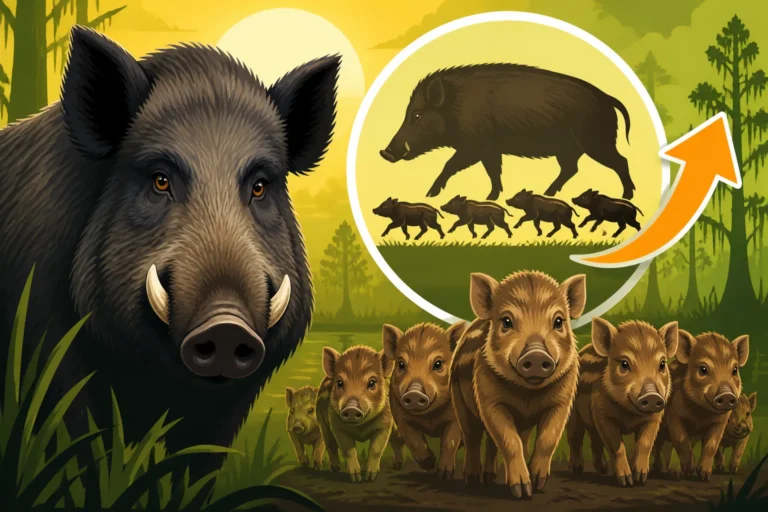
Imagine a species that can start breeding as young as six months old, producing litters of four to twelve piglets multiple times a year. That’s the feral hog, and it's why they are such a relentless problem. Their population explodes quickly, making it feel like you can't get ahead, no matter how many you remove. What makes it worse is that Why Mississippi Hogs Have No Natural Predator Check – there's nothing in our ecosystem to naturally keep their numbers down. This means their populations grow unchecked, pushing them further into new territories and increasing their impact on everything from crops to deer habitat.
They are incredibly adaptable, thriving in nearly every habitat type Mississippi offers, from the dense bottomland hardwoods of the Delta to the pine plantations of the southern counties. Their intelligence also plays a role; they learn quickly from negative experiences, making them wary of traditional hunting methods and poorly set traps. This combination of high reproduction, adaptability, and intelligence creates a formidable challenge for anyone trying to manage them.
The Landscape of Hog Damage in Mississippi
The damage caused by feral hogs is widespread and incredibly costly. Farmers bear a huge brunt of this, with significant losses to crops. If you've ever driven through the Delta, you've seen the devastation they can wreak on a freshly planted soybean or cornfield, often within a single night. Crop Damage Hogs Cause in the Delta can be absolutely heartbreaking for a farmer who has invested so much time and money.
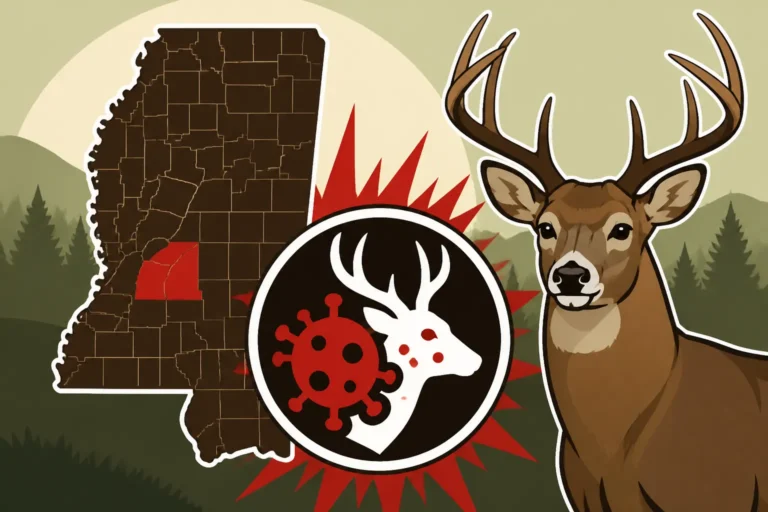
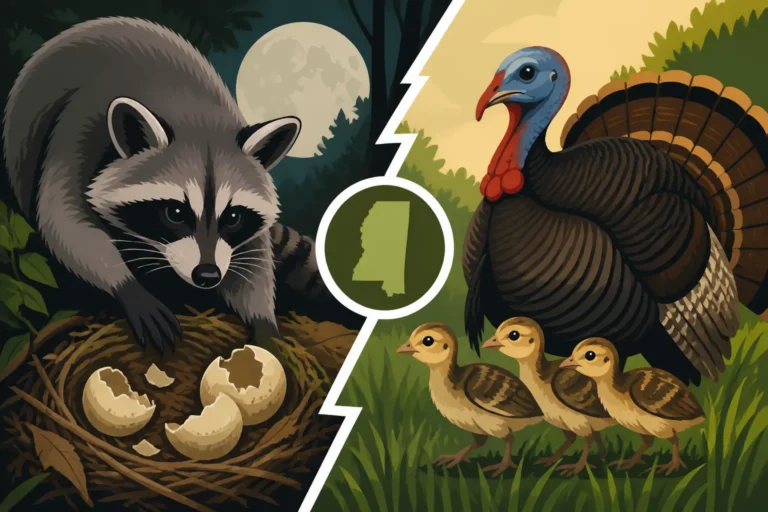
Beyond agriculture, their rooting behavior destroys natural habitats, disrupts sensitive ecosystems, and degrades water quality. They'll root up native plant species, consume turkey and quail eggs, and even prey on fawns, directly impacting our cherished game populations. Plus, feral hogs are carriers of numerous diseases that can affect livestock, wildlife, and even humans, adding another layer of concern for public health and economic well-being. Understanding this profound impact reinforces why effective trapping and population control are so vital.
Key Factors Influencing Trapping Success Rates
Trapping feral hogs isn't as simple as throwing out some bait and setting a snare. True success comes from understanding the nuances of hog behavior, selecting the right equipment, and meticulous planning. It's a game of chess, and the hogs are surprisingly good players.
Trap Placement and Pre-Baiting Strategies
The location of your trap is paramount. You can have the best trap in the world, but if it's not where the hogs are consistently moving and feeding, it's essentially useless. Start by scouting for fresh sign: tracks, rooting, rubs on trees, and wallows. Look for travel corridors between bedding areas and food sources, especially near water. Many hunters also rely on advanced mapping tools, including platforms like GoHunt, to analyze topography, understand property lines, and mark potential hog travel corridors, making their scouting more efficient. This insight helps you identify choke points where hogs are funneled, increasing the likelihood of them encountering your trap.
Once you’ve identified a promising location, the next critical step is pre-baiting. This means conditioning the hogs to regularly visit the site and associate it with a safe, abundant food source before you ever introduce the trap. Start by broadcasting bait directly on the ground. Once they are consistently cleaning up the bait, move it inside your trap's footprint (but don't set the trigger). Continue this for several nights, allowing them to enter and exit freely, building confidence in the area. This can sometimes take a week or more, but patience here is key to catching an entire sounder rather than just a few wary individuals. GoHunt's scouting features can help mark these pre-baiting locations and track activity over time.
Trap Design and Size for Mississippi Hogs
The kind of trap you use significantly impacts your success, especially when targeting entire sounders. Small, single-catch traps might snag one or two hogs, but they often educate the rest of the group, making future trapping attempts much harder. For Mississippi’s prolific hog populations, large, multi-catch traps are generally far more effective.
Common designs include:
- Panel Traps: These are typically circular or rectangular enclosures made of heavy-duty hog panels, often 16 to 20 feet in diameter. They offer a large entry point and enough space to comfortably hold an entire sounder, which can sometimes be 20 or more pigs. The robust construction is essential, as even smaller hogs are incredibly strong and determined to escape.
- Cellular Traps: These advanced systems often feature multiple interconnected compartments, allowing hogs to enter one section and then move into another, reducing the chance of them escaping once the door drops.
- Drop Traps: These are large, suspended nets or panels that literally drop over a bait site when triggered, capturing all hogs underneath. They require careful setup and a secure way to hold the trap after the drop.
Regardless of the design, the trap needs to be sturdy enough to withstand powerful hogs. Think thick gauge wire panels, reinforced gates, and heavy-duty T-posts driven deep into the ground. A trap that fails to hold a sounder can quickly lead to trap-shy hogs, creating a much bigger problem. Consider What Hog Trappers Use in Mississippi regarding materials and construction to ensure your trap is up to the task.
Effective Baiting Techniques and Scents
Bait is your primary attractant, and choosing the right one can make all the difference. While hogs aren't particularly picky eaters, some baits are more effective and economical than others. Corn is almost universally effective and affordable. However, merely tossing out dry corn isn't always enough to draw them in consistently, especially if they've had other negative experiences.
Fermenting your corn, or "souring" it, creates a strong, distinct odor that hogs find irresistible. You can achieve this by soaking corn in water for several days, letting it sit in the sun, or even adding a packet of yeast and sugar. This strong aroma travels further, drawing in hogs from a wider area. Additionally, specialty attractants like commercial hog lures, often based on strong sweet or sour smells, can be painted on trees or sprinkled around the trap area to enhance appeal. These are particularly useful when trying to draw in new sounders or overcome a hog's initial wariness.
Regularly refreshing your bait site, especially during the pre-baiting phase, is also important. Hogs are creatures of habit, and if they find a reliable food source, they'll keep coming back. Be generous with your bait, making it abundant enough to feed an entire sounder without depleting too quickly, but also not so much that it spoils before they get to it. For more detailed information, checking out guides on Building and Freshening a Hog Bait Site can provide additional strategies for maximizing your bait's effectiveness.
Maximizing Your Trapping Success: Advanced Techniques and Considerations
Once you've got your trap in place and the hogs are hitting your bait, it's time to refine your approach. Success in hog trapping often hinges on patience, strategic timing, and a willingness to adapt.
Timing Your Traps and Monitoring
Timing is everything in hog trapping. The best time to set your trap is when you are confident an entire sounder is consistently entering the trap area to feed. This is where diligent monitoring during the pre-baiting phase pays off immensely. Trail cameras are an absolute game-changer here; they allow you to observe hog activity without disturbing the site, confirming numbers, movement patterns, and whether all individuals in a sounder are comfortable entering the trap. GoHunt's mapping and data tracking can help you log these observations for better decision-making.
While hogs can be trapped year-round in Mississippi, success rates can often be higher during periods of drought or when natural food sources are scarce. In the dry summer months or after a hard freeze in winter, a reliable bait source becomes even more attractive. Many trappers also prefer to set traps in the late afternoon and check them first thing in the morning to minimize the time captured hogs spend in the trap, reducing stress and potential damage to the trap.
Dealing with Trap-Shy Hogs and Educated Sounders
Feral hogs are incredibly intelligent, and unfortunately, they learn from negative experiences. If a hog escapes a trap, sees other hogs caught, or even associates a human scent with a trap, it can become "trap-shy" – incredibly difficult to catch. This is a common frustration, but it's not insurmountable.
One strategy for trap-shy hogs is to change up your bait. If they’ve become wary of corn, try something else like stale pastries, overripe fruit, or even commercial hog feed pellets. You might also need to leave the trap door wired open for an extended period, allowing them to enter and exit freely again to regain confidence. Sometimes, moving the trap to an entirely new location can also reset their wariness. Additionally, ensuring you remove human scent from the trap (by letting it sit for a while or even spraying it down) can make a difference. Patience and persistence are key; sometimes it takes weeks to re-habituate an educated sounder. Remember, removing individual hogs helps, but trapping the entire sounder at once is the most effective way to prevent them from educating future generations of pigs.
Regulatory Compliance and Ethical Considerations
While feral hogs are a nuisance and can be hunted year-round on private land in Mississippi, there are still important regulations and ethical considerations to keep in mind. Always be aware of Mississippi Feral Hog Regulations, especially concerning public lands, methods of take, and carcass disposal. For private land, you generally have a lot of flexibility, but it's always wise to be informed.
Once hogs are caught in a trap, humane dispatch is crucial. This typically involves a quick, clean shot to the head. It's not only the ethical thing to do but also helps ensure the hogs don't suffer or damage your trap attempting to escape. After dispatch, proper carcass disposal is important to prevent the spread of disease and avoid attracting other scavengers. You can bury the carcasses deeply on your property or take them to an approved disposal site. Knowing Shot Placement on a Feral Hog is essential for a quick and humane dispatch.
Analyzing Success: What High Success Rates Look Like
When you're dealing with a relentless adversary like feral hogs, it's easy to get caught up in the numbers. But what does "success" really mean in the context of hog trapping, and how do you truly measure it?
Defining "Success" in Hog Trapping
For many, success isn't just about catching a single hog; it's about removing an entire sounder and, ultimately, significantly reducing their impact on your land. A high success rate in Mississippi hog trapping means consistently capturing multiple hogs, ideally entire family groups, over time. It's about taking out the matriarch sow and her piglets, thereby halting their incredible reproductive cycle at the source.
Consider the cumulative impact. Catching one or two hogs a month might feel like a win, but if the remaining sounder is still breeding freely, you're not making a significant dent in the overall population. The goal is to create sustained pressure, removing enough hogs that you start to see a noticeable reduction in rooting damage, fewer tracks, and less competition for your deer and turkeys. This long-term perspective is vital because the problem will never truly go away with just a few sporadic captures. Understanding How Many Feral Hogs Mississippi Has can help put your individual efforts into context.
Common Pitfalls and How to Avoid Them
Even experienced trappers run into challenges. One of the most common pitfalls is impatience. Setting a trap too soon, before hogs are fully comfortable entering, often results in only catching a few younger, less wary hogs, while the older, smarter ones escape and become educated. Another issue is using traps that are too small or not sturdy enough, leading to escapes and more trap-shy animals. Skimping on the pre-baiting phase or not using trail cameras to monitor activity are also frequent mistakes.
To avoid these, commit to thorough scouting and pre-baiting. Invest in a large, robust trap that can hold an entire sounder. Be patient and willing to leave your trap unset for several days or even a week until you confirm consistent activity inside. Learn from every capture and every escape. If you catch only a few hogs, analyze why the others didn't enter or why some escaped. Adjust your strategy based on these observations. Remember that Mississippi hog trapping rules might vary, so stay informed to avoid any issues.
Tools and Technology for Improving Your Odds
In today's world, technology can significantly boost your hog trapping success. As mentioned earlier, trail cameras are indispensable. They allow you to observe hog behavior discreetly, confirming consistent visits, sounder size, and even identifying individual hogs. Pairing these cameras with cellular capabilities means you can receive real-time alerts and images directly to your phone, letting you know when to go set your trap or when hogs are actively feeding.
Remote trigger systems are another revolutionary tool. These systems allow you to wirelessly drop a trap door from a distance, often via a smartphone app. This means you can wait until the entire sounder is inside the trap, maximizing your capture efficiency and preventing the escape of wary hogs. Mapping applications, such as GoHunt, help you meticulously plan trap locations, mark bait sites, and track hog movement patterns across your property. These digital tools provide an unprecedented level of insight and control, turning what was once a guessing game into a far more calculated and successful endeavor. With these advancements, Mississippi hunters are better equipped than ever to combat the persistent problem of Feral Hogs Across Mississippi.
| Factor | Impact on Success Rate | Key Considerations |
|---|---|---|
| Pre-baiting Duration | Directly proportional | Start weeks before setting the trap; ensure hogs are comfortable entering and exiting the trap area consistently. Use trail cameras. |
| Trap Size and Design | High impact on sounder capture | Large, multi-catch designs (panel, cellular, drop) are crucial. Must be strong enough to hold entire sounder. |
| Bait Type and Preparation | Moderate to high | Fermented corn is highly effective. Regular replenishment is key. Experiment with attractants. |
| Trap Placement | Critical | Locate in known travel corridors or feeding areas with fresh sign. Use mapping tools like GoHunt for scouting. |
| Monitoring Technology | High | Trail cameras (especially cellular) provide real-time intelligence. Remote trigger systems allow for precise timing. |
| Patience and Persistence | Essential for long-term success | Hogs are smart; be prepared for setbacks and adapt your strategy. Don't give up on trap-shy hogs. |
| Minimizing Human Scent | Moderate | Clean traps, avoid walking directly into the trap area after setting bait. |
| Weather and Food Availability | Moderate | Trapping often more successful during dry periods or when natural food is scarce. |
Disclaimer
This article is for general informational purposes only and does not constitute professional advice. Laws, prices and regulations vary by location and change over time. Consult a qualified professional for guidance on your specific situation.