Which County Found Mississippi’s First CWD Case
The discovery of Chronic Wasting Disease (CWD) can shake an entire hunting community, leaving hunters with understandable concerns about their deer herd, hunting traditions, and the future of wildlife. Understanding where and how this disease first emerged in Mississippi is crucial for grasping the broader management efforts, and this guide aims to meticulously lay out the details of the initial CWD detection in our beloved state.
The First Alarm: Pinpointing Mississippi's CWD Patient Zero County
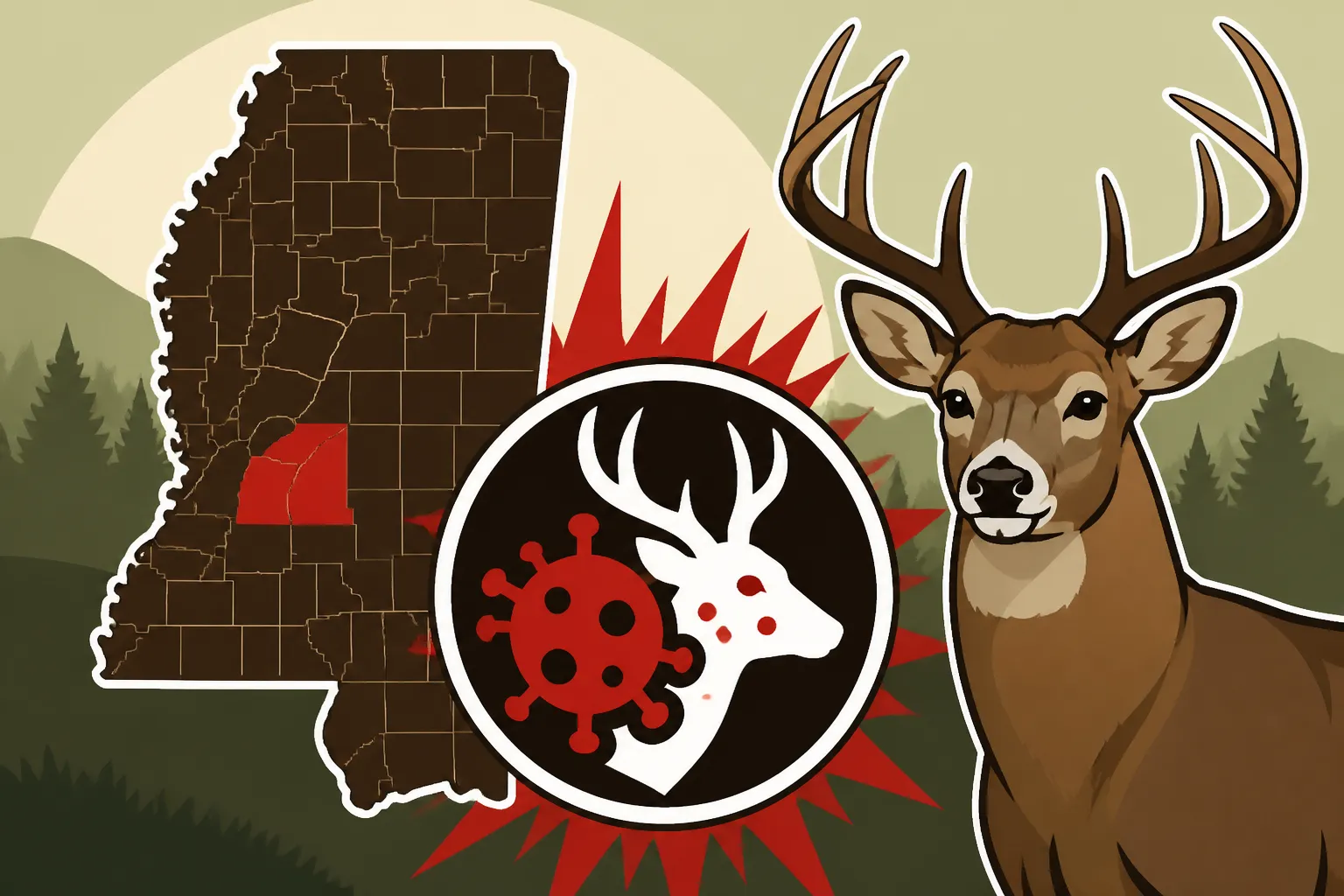
When you hear about CWD, it's natural to wonder about its origins, especially in your home state. For us here in Mississippi, that alarm bell first rang loudly in the northern part of the state. The very first confirmed case of Chronic Wasting Disease in a wild deer in Mississippi was found in Issaquena County. This was a truly significant and somber moment for Mississippi wildlife management, marking the official arrival of a disease that had already plagued deer populations in other states for years.
The discovery wasn't just a random stroke of luck; it was the result of diligent monitoring and surveillance efforts by the Mississippi Department of Wildlife, Fisheries, and Parks (MDWFP). They had been actively testing deer, especially those exhibiting neurological symptoms or found dead under unusual circumstances, precisely to catch CWD if it ever crossed into our borders. When that first positive sample came back from a buck harvested in Issaquena County, it immediately triggered a cascade of responses, putting the state's wildlife agencies into high gear to assess the extent of the spread and implement a management strategy. It was a stark reminder that even with proactive measures, this persistent disease could eventually find its way in.
The Significance of the First Discovery
Finding that first CWD-positive deer in Issaquena County wasn't just a geographical pinpoint; it was a wake-up call that fundamentally changed deer management in Mississippi. Before this, CWD was something we read about happening in Wisconsin, Arkansas, or other distant states. Now, it was on our doorstep, threatening our own whitetail deer population. The significance goes beyond just one animal; it meant that the disease had established a foothold, and the fight to contain or manage it would be a long and challenging one.
This initial discovery immediately put Issaquena County, and its surrounding areas, under intense scrutiny. Biologists and wildlife officials began mapping out an immediate response plan, knowing that early detection and aggressive management were the best tools in their arsenal. Hunters in the area quickly became crucial partners in this effort, as their vigilance and cooperation would be vital for collecting more samples and providing real-time observations from the field. It underscored the importance of every hunter playing a role in the health of our deer herds.
Initial Response and Surveillance Expansion
Following the confirmation of CWD in Issaquena County, the MDWFP didn't waste any time. Their immediate response involved establishing a CWD Management Zone, with Issaquena County at its core. This zone was designed to concentrate surveillance efforts and implement specific regulations aimed at containing the spread. This wasn't a decision made lightly, as it directly impacted local hunters and landowners, but it was a necessary step.
The surveillance effort was dramatically ramped up. More sampling stations were established, and hunters were strongly encouraged, and in some cases mandated, to submit deer heads for testing. This expanded effort included both voluntarily submitted deer and those harvested during special CWD surveillance hunts. The goal was to understand the prevalence and distribution of the disease as quickly as possible, to help guide future management actions. This initial period was critical in shaping the state's long-term strategy for dealing with CWD, ensuring that every piece of information collected contributed to a clearer picture of the challenge ahead. Hunters should definitely check out the latest information on Mississippi's Chronic Wasting Disease Zones to understand how these areas are delineated and what that means for their hunting plans.
Understanding Chronic Wasting Disease: The Basics Every Hunter Needs to Know
Chronic Wasting Disease is one of those terms that can immediately bring a sense of dread to any deer hunter. It's a serious, always fatal neurological disease affecting cervids, which include deer, elk, and moose. It's not caused by a virus or bacteria, but by abnormal proteins called prions. These prions essentially cause normal proteins in the brain to misfold, leading to degeneration of the brain and ultimately, death. This isn't just a concern for the deer; it's a concern for the entire ecosystem and hunting heritage.
The insidious nature of CWD lies in its slow progression and the fact that it's highly contagious within cervid populations. An infected animal can carry the disease for months or even years before showing any outward symptoms, all the while potentially spreading the prions through saliva, urine, and feces. It’s truly a silent killer, slowly working its way through a herd, and that’s what makes it such a formidable challenge for wildlife managers and hunters alike. You can find more specific details on How Many Deer Have Tested CWD-Positive Since 2018 to see the ongoing impact.
How CWD Spreads and Its Symptoms
CWD spreads primarily through direct contact between animals, but also indirectly through environmental contamination. Infected animals shed prions into the soil, water, and vegetation, which can then be ingested by other deer. These prions are incredibly resilient and can remain infectious in the environment for years, even decades. This environmental persistence is why CWD is so difficult to eradicate once it's established in an area. It's not just about managing the animals; it's about managing the landscape they inhabit.
Recognizing the symptoms of CWD in a live deer is challenging, especially in the early stages. However, as the disease progresses, infected deer often display a range of neurological symptoms. These can include drastic weight loss (hence "wasting"), stumbling, tremors, listlessness, excessive drooling, difficulty swallowing, and an overall blank stare. They may also exhibit abnormal behavior such as loss of fear of humans. If you ever encounter a deer showing these signs, it's crucial to report it to the MDWFP immediately. This helps with Reporting a Sick Animal in Mississippi and aids in monitoring efforts.
Why CWD is a Concern for Deer Populations and Hunters
The primary concern for deer populations is the inevitable fatality of CWD. There is no cure, and every infected animal will eventually succumb to the disease. Over time, in areas with high prevalence, CWD can lead to significant declines in deer numbers, alter age structures, and impact breeding success. This directly threatens the health and sustainability of our whitetail herds, which are a vital part of Mississippi's natural heritage.
For hunters, the concerns are multi-faceted. First, there's the ethical responsibility to ensure the health of the game they pursue. Knowing that a disease like CWD is present can weigh heavily. Second, there are practical implications: CWD can lead to restrictions on hunting seasons, bag limits, and carcass movement. No hunter wants to see their favorite hunting grounds impacted by a disease that reduces deer numbers or changes hunting regulations. Finally, while there's no conclusive evidence of CWD transmitting to humans, health organizations advise against consuming meat from CWD-positive animals. This adds another layer of caution for hunters processing their harvest, reinforcing the importance of testing. Hunters often use tools like GoHunt to stay updated on these crucial regulations and ensure they're compliant.
The Ripple Effect: CWD Management Zones and Hunter Responsibilities
The discovery of CWD in Issaquena County had an immediate and lasting ripple effect across the state, leading to the establishment of specific CWD Management Zones. These zones are designated areas where stricter rules and regulations are put in place to monitor, contain, and hopefully slow the spread of the disease. It's a dynamic situation, and these zones can expand as new cases are confirmed, necessitating constant vigilance from hunters. Understanding these zones and the rules within them is paramount for ethical and legal hunting.
The MDWFP regularly updates its CWD Management Zone map, which outlines primary and secondary zones. These zones typically come with their own set of guidelines concerning everything from carcass transport to mandatory testing. It’s not just about knowing where the first case was, but knowing how that first case has influenced the management of entire regions. For instance, you can learn more about Why North Mississippi Drives the CWD Count and how those specific zones are managed.
Regulations and Restrictions Within CWD Management Zones
Within a designated CWD Management Zone, hunters will encounter specific regulations designed to minimize the risk of spreading CWD. These often include:
- Mandatory Testing: In primary CWD zones, hunters are often required to submit their harvested deer for CWD testing. This is a critical component of surveillance, allowing biologists to track the disease's prevalence and geographic spread. Failure to comply can result in penalties, so it's vital to be aware of the requirements. The process for Mandatory Testing Inside a Mississippi CWD Zone is usually well-communicated by the MDWFP.
- Carcass Movement Restrictions: To prevent the accidental transport of prions to uninfected areas, strict rules apply to moving deer carcasses out of a CWD Management Zone. Generally, only deboned meat, clean antlers, hides, and taxidermy-ready heads are permitted to leave the zone. This means planning your field dressing and processing carefully if you harvest a deer in one of these areas. These Mississippi Carcass Movement Restrictions are non-negotiable for good reason.
- Special Bag Limits or Season Changes: While not always implemented immediately, CWD management may lead to adjustments in bag limits (sometimes increasing antlerless harvest to reduce deer density) or even changes in season dates in an attempt to manage herd dynamics and disease transmission. Hunters need to stay informed through official MDWFP channels or reliable hunting resources like GoHunt.
It's absolutely critical for every hunter to check the current regulations for the specific county or WMA they plan to hunt, as these rules can change based on ongoing CWD surveillance results. This information is readily available on the MDWFP website and through platforms like GoHunt, which helps compile such vital data.
How Hunters Can Actively Help with CWD Monitoring
Hunters are the frontline conservationists, and their active participation is perhaps the most important tool in the fight against CWD. Here’s how you can make a real difference:
- Submit Samples: If you hunt in a CWD-affected county or are asked to submit a sample, do it. This data is invaluable for tracking the disease. Even if it's voluntary, consider submitting a sample, especially if you harvest an older buck, which are more likely to test positive. You can learn more about where and how to participate in Mississippi CWD Testing for Hunters.
- Report Sick Deer: As mentioned, if you see a deer exhibiting symptoms of CWD, report it immediately to the MDWFP. Your observations in the field are crucial.
- Follow Carcass Movement Rules: Strictly adhere to all carcass movement regulations. It's a small inconvenience that can have a huge impact on preventing further spread.
- Clean Equipment: Thoroughly clean all equipment that comes into contact with deer (knives, saws, ATVs, boots) after hunting, especially if moving between different counties or states.
- Stay Informed: Keep yourself updated on the latest CWD news, regulations, and research. Resources like the MDWFP website and hunting information platforms like GoHunt are excellent for this. Understanding the broader context of Mississippi Wildlife Disease Monitoring helps underscore the importance of your role.
| Key CWD Facts for Mississippi Hunters | Description | Hunter Action Required |
|---|---|---|
| First Detected County | Issaquena County was where Mississippi's first wild CWD-positive deer was found. | Be aware of the history and ongoing status of this area. |
| CWD Agent | Abnormal prions, not bacteria or viruses, causing neurological degeneration. | Understand the unique nature of the disease and why conventional treatments/vaccines aren't applicable. |
| Transmission | Direct animal-to-animal contact and environmental contamination (soil, water, vegetation). Prions are highly resilient. | Practice good field hygiene, clean equipment, and avoid concentrated baiting that might increase deer contact. |
| Symptoms | Drastic weight loss, stumbling, drooling, listlessness, abnormal behavior. Symptoms appear late in the disease. | Report any deer exhibiting these symptoms to MDWFP immediately. Do NOT harvest or consume. |
| Fatality | Always fatal for infected cervids. No known cure or vaccine currently exists. | Emphasizes the importance of prevention, early detection, and management strategies to protect the herd. |
| Human Health Risk | No known cases of CWD in humans, but health agencies advise against consuming meat from CWD-positive animals. | Get deer tested if required or recommended. Avoid consuming meat from sick-looking animals. |
| Management Zones | Designated areas with specific rules (e.g., mandatory testing, carcass restrictions) to control CWD spread. | ALWAYS check current MDWFP regulations for your specific hunting area before, during, and after your hunt. Use resources like GoHunt to stay current. |
Looking Ahead: The Future of CWD in Mississippi and Hunter Adaptation
The challenge of Chronic Wasting Disease is not going away overnight. It's a long-term issue that requires ongoing commitment from wildlife agencies, landowners, and, most importantly, hunters. The future of Mississippi's deer herd, and the hunting opportunities we cherish, will largely depend on how effectively we can adapt to this new reality and work together to manage CWD. It's about preserving our hunting heritage for generations to come.
While the presence of CWD is certainly concerning, it doesn't mean the end of deer hunting in Mississippi. Instead, it signals a shift towards more informed and proactive management. It means embracing new responsibilities and understanding that our actions in the field have a direct impact on the health of the herd. Staying knowledgeable about initiatives like Mississippi Deer Season Structure Explained and Mississippi's Four Deer Management Units can give you a better grasp of how hunting regulations are continually adapting.
Ongoing Monitoring, Research, and Management Efforts
The MDWFP, in collaboration with other state and federal agencies, continues to conduct extensive monitoring and research on CWD in Mississippi. This includes detailed surveillance programs to detect new cases, study disease prevalence, and understand how CWD is spreading through different habitats and deer populations across the state. They are constantly looking for the most effective management techniques, often drawing on lessons learned from other states that have been dealing with CWD for longer.
Research is also focused on understanding prion behavior in the environment, genetic resistance in deer, and potential new detection methods. It's a complex scientific challenge, and new insights are constantly emerging. These efforts are crucial for developing strategies that are both scientifically sound and practically implementable for hunters and landowners. Information shared through platforms like GoHunt often highlights these research advancements and how they might affect hunting strategies.
Adapting Hunting Practices in a CWD-Present Landscape
For hunters, adapting to CWD means becoming more deliberate and responsible stewards of the resource. This isn't just about following rules; it's about internalizing the "why" behind them. Here are some ways hunters can adapt:
- Target Management: In some CWD zones, hunters may be encouraged to harvest more deer, particularly antlerless deer, to help reduce overall population densities. This can help slow the spread of the disease by reducing contact rates among animals.
- Smart Carcass Handling: Get accustomed to quartering deer in the field and leaving high-risk materials (like the brain and spinal cord) at the harvest site, especially if you hunt in a CWD zone. This minimizes the risk of transporting prions.
- Utilize Testing: Make testing your harvested deer a routine part of your hunt, even if it's not strictly mandatory in your specific area. This personal contribution to surveillance data is invaluable.
- Educate Others: Share accurate information about CWD with fellow hunters and new generations. Dispelling myths and promoting responsible practices is key to a unified front against the disease.
- Consider Meat Safety: If you do get a positive CWD test back on a deer you harvested, understand the recommendations from health organizations regarding the consumption of that meat. It’s always better to err on the side of caution. This is part of the broader discussion around Handling Venison From a CWD Management Zone.
The fight against CWD is a marathon, not a sprint. It requires patience, adaptability, and a collective commitment from everyone who cares about Mississippi's deer. By staying informed, following regulations, and actively participating in monitoring efforts, we can all contribute to safeguarding our deer herds and ensuring a vibrant hunting future. It's about more than just bagging a buck; it's about preserving an entire way of life.
Disclaimer
This article is for general informational purposes only and does not constitute professional advice. Laws, prices and regulations vary by location and change over time. Consult a qualified professional for guidance on your specific situation.