Asking a Mississippi Farmer for Permission
It's a familiar feeling for many Mississippi hunters: you've scouted the public land, put in the miles, and come opening morning, you're elbow-to-elbow with a dozen other trucks. The dream of undisturbed land, where you can implement your strategies without constant pressure, often feels out of reach. But what if I told you that some of the best hunting opportunities in our state lie on private agricultural land, and that access isn't as impossible as it seems? This guide is all about giving you the tools and confidence to approach Mississippi farmers and landowners, asking for permission to hunt their property in a respectful and effective way. It's about opening doors to incredible experiences you might have thought were reserved for a lucky few.
Understanding the Farmer's World: Perspective and Mutual Benefits
Before you even think about knocking on a door, it's crucial to put yourself in the shoes of a Mississippi farmer or landowner. Their land isn't just a place; it's their livelihood, their home, and often, their family legacy. It's a place where they've invested countless hours, sweat, and money. When a stranger comes asking for access, they're naturally going to be wary. They've heard the stories, or perhaps even experienced firsthand, hunters who don't respect boundaries, leave gates open, litter, or damage property. Your primary goal, from the very first interaction, is to demonstrate that you are not that hunter.
Why Farmers Might Hesitate or Say No
Farmers face real challenges when it comes to granting hunting permission. Liability is often a big concern; they worry about accidents on their property. Then there's the fear of property damage – ruts in fields, broken fences, or gates left ajar that allow livestock to escape. Beyond that, many simply value their privacy and the peace of mind that comes with knowing who is on their land. Some might already have family or friends who hunt, or they might even lease their land to a hunting club, which can be a significant source of income. It’s important to respect a "no" and not take it personally. A polite refusal means they have their reasons, and pressing them further will only sour potential future interactions.
Consider the ongoing tasks of farming, whether it's planting, spraying, harvesting, or tending to livestock. Their schedule is often demanding and unpredictable. An unexpected knock on the door, especially during peak season, can be an unwelcome interruption. They might be dealing with equipment breakdowns, market fluctuations, or weather woes. Timing your approach strategically (which we'll cover soon!) can make a huge difference in their willingness to even hear you out. They also might be worried about the sheer number of hunters they could attract if they say yes to one, leading to an overwhelming situation.
Highlighting the Mutual Benefits for Landowners
While the challenges are real, there are also significant benefits for a farmer to grant hunting access, and understanding these is key to your pitch. Many Mississippi farmers contend with significant wildlife damage to their crops. Deer can decimate young soybean or corn fields, and Feral Hogs Across Mississippi are a constant menace, rooting up pastures, tearing through planted rows, and contaminating water sources. Coyotes and other predators can also prey on livestock. Offering to help mitigate these issues can be a huge selling point.
For instance, if you're primarily interested in Hunting Mississippi's Year-Round Feral Hogs, you're offering a direct service. You're helping protect their livelihood. Even for deer, responsible hunting helps manage herd numbers, which can reduce crop damage and help prevent the spread of diseases like Mississippi's Chronic Wasting Disease Zones. By presenting yourself as a problem-solver, not just someone looking for a place to hunt, you change the dynamic of the conversation. Emphasize that you're willing to be selective, target specific problem animals, and are acutely aware of their property and operations. This isn't just about bagging a buck; it's about being a good steward of their land.
The Art of the Ask: Preparing, Approaching, and Pitching
Asking a farmer for permission is a delicate dance. It's less about a quick transaction and more about beginning a potential long-term relationship built on trust and mutual respect. How you prepare, how you approach, and what you say will determine your success.
Researching the Property and Landowner
The internet has made this step infinitely easier. Before you drive up, do your homework. Use tools like onX Hunt or even county tax assessor websites to identify the landowner's name and address. Knowing their name when you introduce yourself immediately shows you've done your due diligence and aren't just randomly knocking. These mapping apps can also show you property boundaries, satellite imagery, and even topographical maps, giving you valuable insights into potential hunting spots and access points. You might notice thickets perfect for bedding deer, old logging roads, or creek bottoms that act as natural funnels. This preparation allows you to speak intelligently about their property and show you're serious.
Look for signs of what they farm or raise. Are there cattle? Row crops? Timberland? This information helps you tailor your request. For example, if they have cattle, you'll want to reassure them about closed gates and safety around livestock. If they grow corn, you can speak to potential deer damage. Observing the property from public roads (without trespassing, of course!) can also give you clues about potential access roads or areas where deer might be feeding or bedding. This level of informed interest sets you apart from a casual request.
Timing Your Approach for Best Results
Timing is absolutely everything. Imagine a farmer in the middle of a late-season harvest, dealing with breakdowns and working until dark. That's probably not the best time to ask for permission. Aim for times when they are less stressed and busy.
- Off-Season: Late winter or early spring, after the last crop is in and before planting truly ramps up, can be ideal. Farmers might have more free time to chat.
- Mid-Day: Avoid early mornings when chores are underway, or late evenings when they're winding down or eating dinner. Mid-morning or mid-afternoon on a weekday is often a good window.
- After Harvest: Once the crops are out of the field, the pressure is off, and they might be more receptive, especially if they've seen deer or hog damage throughout the growing season.
Always start with a simple, polite "Excuse me, I know you're busy, but I was wondering if I could just take a moment of your time?" This acknowledges their schedule and respects their work. Be prepared for them to be busy or in a hurry, and offer to come back at a more convenient time if they seem rushed. Sometimes, leaving a polite note with your contact information, briefly stating your request, and offering to call back, can be a good alternative if you can't catch them at a good moment.
Crafting Your Pitch: What to Say and How to Present Yourself
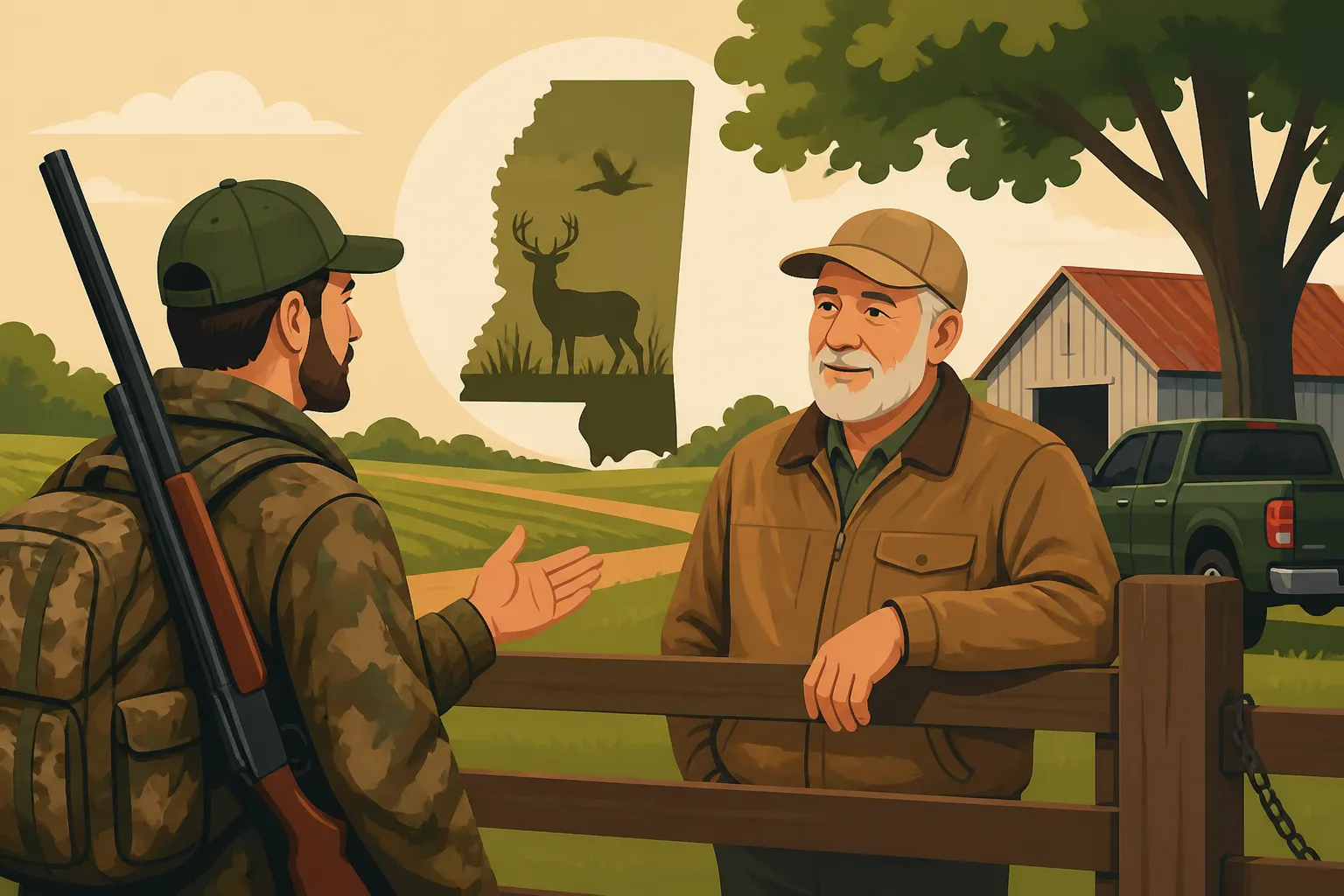
When you get the chance to speak, your presentation is key. Dress neatly, but not formally – clean jeans and a collared shirt are usually appropriate. Avoid camo unless you’re hunting that day, as it can sometimes convey the wrong impression. A friendly, open demeanor goes a long way.
Here's a breakdown of a good pitch:
- Introduction: "Hello, Mr./Ms. [Landowner's Last Name], my name is [Your Name]. I live nearby in [Your Town/Area]." (This establishes you as a local, not just a random stranger).
- State Your Purpose Clearly and Concisely: "I was wondering if you ever allow anyone to hunt deer/hogs on your property here. I've noticed quite a bit of deer/hog activity around your fields, and I'm a very responsible hunter."
- Address Their Concerns Proactively:
- Respect & Safety: "I always park off the road, close all gates, stay away from any livestock or buildings, and respect property lines. Safety is my top priority."
- Specific Game: "I'm particularly interested in helping manage the hog population, as I know they can cause a lot of damage to crops." (Or deer, if that's your focus, and you've seen evidence of damage).
- Flexibility: "I'm completely flexible with my schedule and would only hunt when it's convenient for you, and I would always check in before coming out."
- Leaving it Better: "I leave no trash, and I treat any land I'm on as if it were my own."
- Offer Something in Return (if appropriate): While not always necessary, you could offer to share some venison, help with a chore, or simply state your willingness to remove nuisance animals.
- Provide Contact Information: Have a business card or a small piece of paper with your name, phone number, and email. This makes it easy for them to contact you later if they decide to say yes.
- Respect Their Decision: Whether it's a yes, a no, or "let me think about it," thank them for their time. If it's a "no," ask if you could leave your contact information in case their situation changes down the road. Never push.
Remember, you're building rapport. Be genuine, honest, and humble. Even if they say no, a positive interaction might open doors for you or someone else in the future.
Cultivating Trust: Maintaining Access and Good Relationships
Getting permission is a fantastic first step, but keeping it is where the real work—and reward—comes in. You want to be the kind of hunter a landowner is happy to have back year after year, and perhaps even recommend to others. This means acting like a true steward of their land and property.
Adhering to All Rules and Boundaries
This is non-negotiable. If the farmer says "don't hunt past this fence line," you don't hunt past that fence line, no matter how tempting it looks. If they say "no hunting within 500 yards of the house," you comply. Any specific instructions they give regarding parking, gate closures, or areas to avoid are ironclad. Carry your onX Layers for Mississippi Land Status app to ensure you're always aware of property boundaries, even if you think you know them. It's easy to get disoriented in the woods, and having that clear visual on your phone can prevent accidental trespass.
It’s also crucial to understand and adhere to all relevant Mississippi Trespass and Permission Law. Don't assume anything. If they tell you to only use certain roads, stick to those roads. If they ask you to only hunt certain species, or during certain hours, those become your rules on their land. Remember, you are a guest, and their rules supersede your preferences. Showing this level of respect demonstrates that you are a responsible individual they can trust.
Communication is Key
Always communicate your plans. Before each hunt, send a quick text or make a brief call: "Hey Mr. Smith, planning to head out to the south eighty tomorrow morning for hogs if that works for you." This simple act confirms you're coming, allows them to raise any concerns (e.g., "We're spraying that field tomorrow"), and shows respect for their schedule and operations. It also prevents any surprises, like them seeing a truck on their property and wondering who it is.
After your hunt, a quick follow-up is also appreciated. "Just finished up, saw a few deer but no shot opportunities. All gates are closed, and everything looks good." If you harvest an animal, let them know! "Got a nice buck out of the back forty, just letting you know I'm headed out. Thanks again!" Offering to share some of the meat is often a wonderful gesture, especially if you know they enjoy venison. This consistent communication builds immense trust over time and reinforces that you are a considerate and responsible guest.
Offering Assistance and Sharing the Bounty
Going above and beyond makes you an invaluable guest. If you see a gate post that needs fixing, a piece of equipment that looks out of place, or anything that seems amiss, let them know. Offer to help with small chores if you have the time and skill. Maybe they need a hand moving some lumber, or perhaps some Building and Freshening a Hog Bait Site work done. These small gestures don't cost you much but can build significant goodwill.
If you are successful, especially with deer or hogs, always offer to share some of the meat. A package of venison sausage or a cleaned pork loin can be a tangible thank you. This not only provides them with fresh, wild meat but also subtly reinforces the "mutual benefit" aspect of your arrangement – you helped manage their wildlife, and they get to enjoy the fruits of that effort. It turns a permission slip into a shared experience.
Essential Etiquette and Safety: Rules for Respectful Hunting on Private Land
Hunting on someone else's property comes with a heightened sense of responsibility. You're not just representing yourself; you're representing all hunters, and your actions reflect directly on the landowner's decision to grant access. This isn't just about avoiding trouble; it's about being a good human being.
Safety First and Always
This should go without saying, but it's paramount on private land. Always know what's beyond your target. Are there homes, roads, or livestock in the distance? Use binoculars to identify your target and background. Be extra cautious if you're Hunting Hogs Without Bait or Dogs and they might be moving unpredictably. Understand Mississippi Legal Firearms for Deer Hunting and adhere to all laws. The landowner has placed immense trust in you; don't jeopardize it by being careless.
If you bring a guest, ensure they are also aware of all the landowner's rules and boundaries, not just the general hunting laws. You are responsible for their conduct. Make sure anyone with you understands the importance of staying off limits, being quiet, and following instructions. Safety meetings before each hunt, especially if you have guests, can prevent misunderstandings. Discuss things like safe shooting lanes, emergency procedures, and where not to walk.
Respecting Property and Privacy
Imagine the farmer's family out riding ATVs or taking a stroll. Your presence should never be intrusive. Keep a respectful distance from homes, barns, and any areas of active work. If you encounter family members or workers, offer a friendly wave and keep moving unless they initiate conversation. This is their home, their workplace, their sanctuary. Your hunt should be as invisible as possible to their daily lives.
Leave no trace. Pack out everything you pack in, and if you see any trash that isn't yours, consider taking it with you. Close all gates, every single time, even if you think you’ll be right back. A lost cow can be a financial disaster for a farmer, and an open gate is often the culprit. Avoid driving vehicles off established roads, especially in wet conditions, to prevent creating ruts in fields or pastures. If the ground is soft, walk in. If you harvest an animal, make sure your Field Dressing a Deer in Warm Weather or other processing is done respectfully and discreetly.
Preparing for a Positive Outcome (and a Graceful Exit if Not)
Have all your licenses and permits in order, including your Mississippi Resident Sportsman's License or appropriate nonresident permits. If you're a nonresident, make sure you understand the Mississippi Nonresident Deer Permit Rules or other specific requirements. Be ready to show proof if asked. This preparedness demonstrates professionalism.
If, despite your best efforts, the answer is still no, accept it gracefully. Thank them for their time and leave your contact information anyway. Sometimes circumstances change, or they might mention you to a neighbor who is looking for a responsible hunter. A positive attitude, even in the face of rejection, reinforces your good character.
By approaching farmers with respect, understanding their perspective, offering clear benefits, and consistently demonstrating responsible behavior, you're not just asking for a place to hunt—you're offering a valuable service and building a reputation that can lead to incredible, long-term hunting opportunities in the rich landscapes of Mississippi.
Here’s a quick preparedness checklist for approaching landowners:
| Item | Purpose |
|---|---|
| Clean Appearance | Shows respect and professionalism |
| Contact Information | Easy for landowner to reach you |
| Mapping App (onX Hunt, GoHunt) | Research property, identify boundaries, plan access routes |
| Relevant Licenses | Proof of legal hunting status |
| Specific Request | Be clear about what you want to hunt (deer, hogs, etc.) |
| Planned Approach Time | Avoid busy farm hours; show you value their time |
| Reassurance Points | Address concerns about safety, gates, property lines, trash |
| Willingness to Help | Offer services (hog control, small chores) or share venison |
| Respectful Demeanor | Polite, patient, humble |
| Understanding of Laws | Familiarity with Mississippi Trespass and Permission Law |
Disclaimer
This article is for general informational purposes only and does not constitute professional advice. Laws, prices and regulations vary by location and change over time. Consult a qualified professional for guidance on your specific situation.