Tombigbee Forest Squirrel Hunting Access
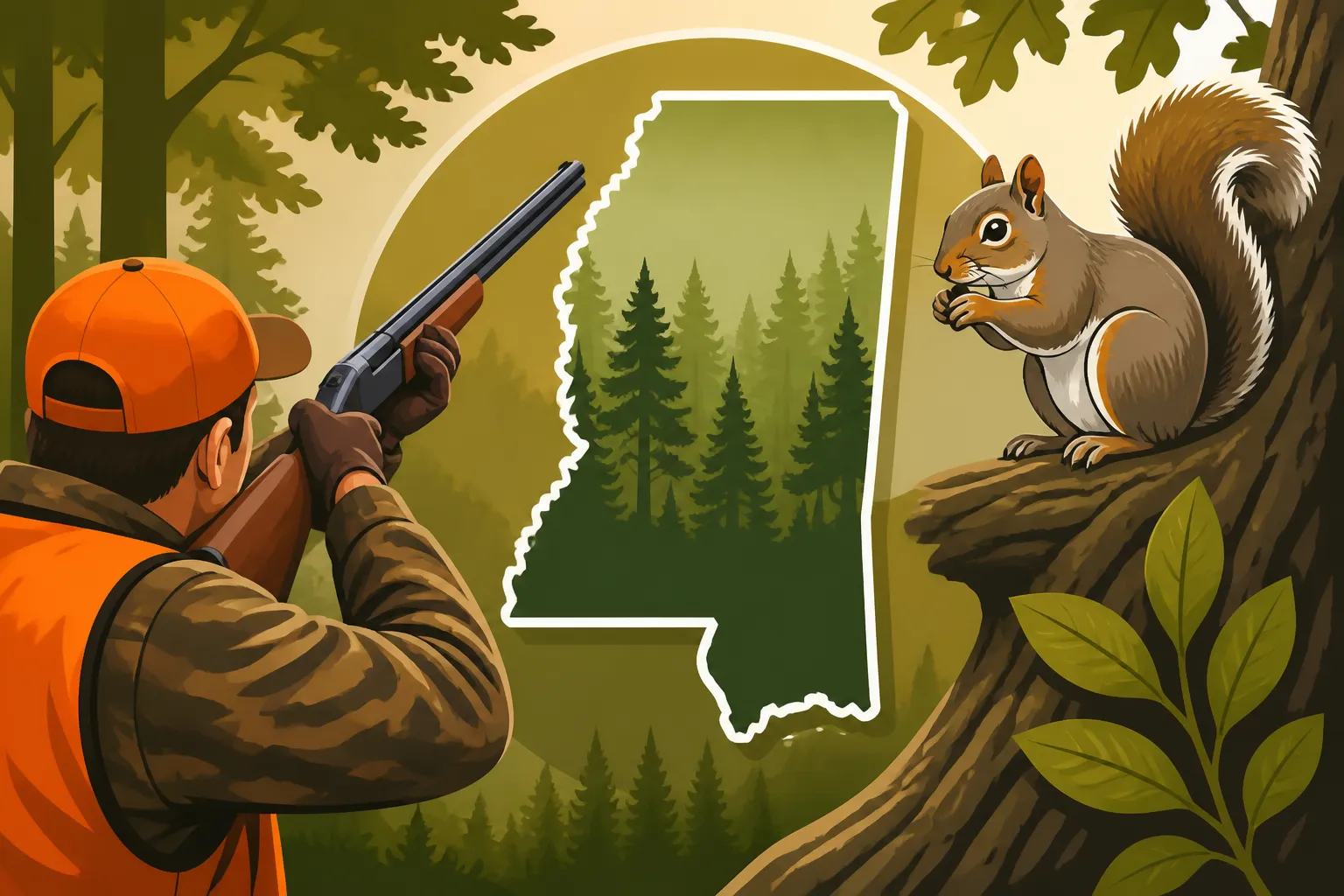
Finding good squirrel hunting spots on public land can feel like searching for a needle in a haystack, especially when you're venturing into a vast area like Tombigbee National Forest. Many hunters get frustrated trying to figure out where the squirrels are truly concentrated, how to access those areas, and what specific rules apply. This guide is here to cut through that confusion, offering practical advice and detailing how you can effectively access and hunt squirrels in Tombigbee National Forest, ensuring a more successful and enjoyable experience.
Understanding Tombigbee National Forest for Squirrels
Tombigbee National Forest, nestled in northeastern Mississippi, offers a diverse landscape that can be incredibly productive for squirrel hunting if you know where to look. Unlike some of the bottomland hardwoods of the Delta, Tombigbee tends to feature more mixed pine and hardwood forests, rolling hills, and a network of creeks and drainages. This varied terrain means squirrel populations can be spread out, but also that there are prime pockets of habitat just waiting to be discovered.
Where to Find the Best Habitat for Squirrels
When you're chasing squirrels in Tombigbee, you need to think like a squirrel. Their survival hinges on two main things: food and cover. Focus your efforts on areas with abundant mast-producing trees, primarily oaks and hickories. These trees provide the critical food source that squirrels rely on, especially from late summer through winter. Look for stands of mature hardwoods along creek bottoms, on north-facing slopes, and in draws where moisture is more plentiful, allowing these trees to thrive. While pines are common, they don't offer the same consistent food source for squirrels as hardwoods do, though squirrels will sometimes feed on pine cones.
Areas where pine stands transition into hardwood pockets are often squirrel magnets, offering both food and escape cover. Don't overlook smaller, isolated clumps of hardwoods within larger pine plantations; these can act as natural food plots for squirrels. The presence of dense understory or thickets adjacent to mature trees also provides crucial cover from predators and harsh weather, making these spots ideal for resident squirrel populations. You might also find good activity around the edges of any small clearings or food plots that have mature trees nearby, as squirrels will venture out to feed if cover is close.
Navigating Access Points and Forest Roads
Tombigbee National Forest is interlaced with a fairly extensive network of forest roads, ranging from well-maintained gravel paths to lesser-used, sometimes overgrown two-tracks. Many of these roads offer excellent access deep into the forest, getting you away from the more heavily trafficked areas. Before you head out, it's incredibly helpful to consult a detailed map, either paper or digital. This will show you the main thoroughfares and the smaller forest service roads that lead into potential hunting grounds. Remember that some roads might be gated or seasonally closed, so always check with the national forest office beforehand if you're planning on using a specific access point.
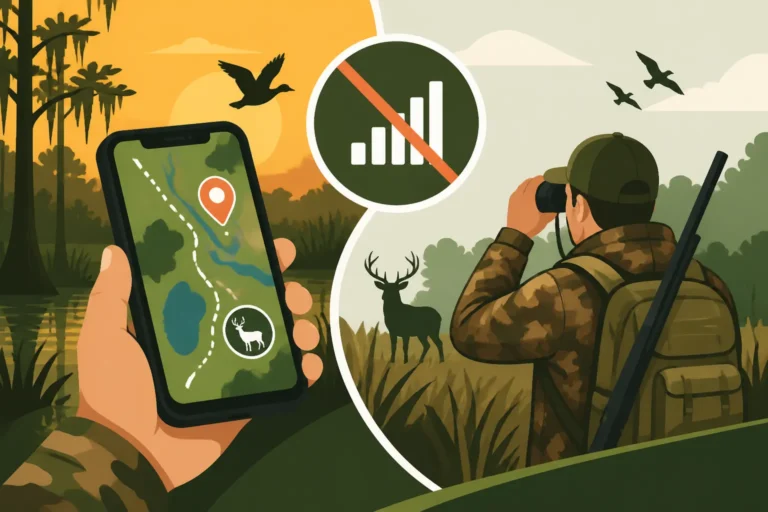
Parking is generally allowed along forest roads as long as you're not blocking traffic or access points. Always pull well off the road to avoid creating a hazard. From these access points, you'll often need to be prepared to walk a good distance to reach prime squirrel habitat. Consider how far you're willing to hike and plan your route accordingly. Using a mapping application like onX Hunt can be a game-changer here, as it allows you to mark your vehicle, plot a walking course, and identify property boundaries so you know you're staying on public land. Even without cell service, many of these apps allow you to download maps for offline use, which is invaluable in remote areas.
Essential Gear and Tactics for Tombigbee Squirrel Hunters
Successful squirrel hunting in Tombigbee involves more than just stumbling into a woodlot; it requires thoughtful gear selection and proven tactics to maximize your chances. Whether you're a seasoned woodsman or just starting out, having the right tools and a solid plan makes all the difference.
Recommended Firearms and Ammunition
For squirrel hunting, simplicity and accuracy are key. A .22 caliber rifle is often considered the quintessential squirrel gun. Its low recoil, quiet report, and pinpoint accuracy make it perfect for headshots, which is crucial for preserving meat and preventing unnecessary damage to your quarry. Paired with standard .22LR ammunition, it's an economical and highly effective choice. Another popular option is a shotgun, particularly a .410 or a 20-gauge, especially if you prefer to take squirrels on the run or in dense canopy where precise rifle shots are difficult. Small game loads with shot sizes like 6 or 7.5 are usually ideal.
When selecting your firearm, consider the terrain and your preferred hunting style. If you plan to still-hunt quietly through the woods, a lightweight .22 rifle is excellent. If you anticipate more active hunting, like jump-shooting squirrels out of trees or during drives, a quick-swinging shotgun might be more advantageous. Whatever your choice, practice extensively at the range to ensure you're proficient. Ethical hunting demands clean kills, and that starts with knowing your firearm's capabilities and your own accuracy.
Scouting and Locating Hotspots
Scouting is paramount for squirrel hunting, perhaps even more so than for larger game, as squirrel populations can be incredibly localized. Before the season even opens, take some time to walk through potential areas in Tombigbee National Forest. Look for obvious signs: cut nuts (especially hickory nuts, acorns, and pecans), chewed corn cobs, or even old squirrel nests (dreys) high in the trees. These indicate current or past squirrel activity. Scouting Mississippi Public Land Before Season is a great resource for general scouting techniques that apply here.
Pay close attention to recent mast crop production. A good acorn or hickory crop in one area means squirrels will flock there. If the mast crop is spotty, squirrels will be concentrated in the few areas where food is abundant. Using binoculars to scan tree tops for feeding squirrels or their bushy tails can also reveal hidden hotspots. Don't be afraid to sit quietly for 15-20 minutes in a promising area to observe. Often, if you're patient, squirrels will start moving and chattering, giving away their presence. Understanding How Early Season Squirrels Give Themselves Away can help you interpret their movements and calls.
Rules, Regulations, and Safety in the National Forest
Hunting in any national forest, including Tombigbee, means adhering to specific rules and regulations set forth by both the state of Mississippi and the U.S. Forest Service. Being informed not only keeps you legal but also safe and respectful of the environment and other users.
Key Mississippi Squirrel Season Rules
Mississippi has established clear seasons and bag limits for small game, including squirrels. It's crucial to consult the latest Mississippi Department of Wildlife, Fisheries, and Parks (MDWFP) hunting guide each year, as dates and regulations can sometimes shift. Generally, the season is quite generous, often starting in the fall and extending through winter. For instance, you'll find information on Mississippi Squirrel Season Opening Day and the Mississippi Squirrel Daily Bag Limit in these annual publications. Always carry your valid Mississippi hunting license, and if you're a non-resident, ensure you have the appropriate non-resident license.
When hunting in Tombigbee National Forest specifically, you'll also need to be aware of any supplemental rules posted by the national forest service. While general state regulations apply, national forests sometimes have specific restrictions on things like vehicle access, camping in certain areas, or the use of specific types of ammunition. Always check the forest's official website or stop by a ranger station for the most current local regulations before your hunt. It’s better to be safe than sorry and ensure your trip goes off without a hitch.
Navigating Other Hunters and Safety Considerations
Tombigbee National Forest is public land, meaning you'll likely encounter other users – not just hunters, but hikers, campers, and even horseback riders. This necessitates a heightened awareness of safety. Always wear blaze orange or pink, even when not legally required for small game, especially during deer season when other hunters might be in the woods. This makes you highly visible and significantly reduces the risk of accidents. For deer hunters, understanding How Much Blaze Orange Mississippi Requires is essential, and wearing it during small game season is a smart extra precaution.
Beyond visibility, practice strict firearm safety. Be sure of your target and what's beyond it. Avoid shooting at game on skylines or in areas where you can't clearly identify your backdrop. Communicating with your hunting partners, if you're hunting in a group, is also vital to ensure everyone knows each other's positions. If you encounter other hunters, give them plenty of space and a friendly nod. Courtesy in the woods goes a long way. Also, be prepared for basic first aid, carry a compass or GPS, and let someone know your hunting plan, including where you're going and when you expect to return.
Leveraging Technology for Better Access and Success
In today's hunting world, technology can be a powerful ally, especially when navigating vast public lands like Tombigbee National Forest. From pinpointing your location to identifying prime habitat, digital tools can dramatically enhance your hunting experience.
Using Mapping Apps for Tombigbee
Modern hunting apps are indispensable for public land hunters. Tools like onX Hunt or GoHunt (which also offers mapping features) allow you to view detailed satellite imagery, topographic maps, and crucial land ownership boundaries directly on your phone or tablet. This means you can confidently identify public land access points, track your movements, and mark promising squirrel sign like cut nuts or den trees. The ability to download maps for offline use is a lifesaaving feature in areas of Tombigbee where cell service is unreliable or nonexistent. Using the MDWFP App Without Cell Service discusses similar benefits.
When planning your hunt, use these apps to study the terrain from home. Look for those hardwood bottoms, creek drainages, and transitions from pine to oak that squirrels favor. Mark potential hot spots, entry and exit routes, and even parking locations. While in the field, these apps help you confirm you're on public land, navigate dense timber, and even track how far you've walked. This foresight and real-time navigation can save you hours of aimless wandering and put you directly into productive squirrel country.
Online Resources and Community Wisdom
Beyond mapping apps, a wealth of online resources can further refine your Tombigbee squirrel hunting strategy. The official MDWFP website is your primary source for current regulations, season dates, and information specific to national forest hunting. You can also find general information about Squirrel and Small Game Hunting in Mississippi there. Many national forest websites provide maps, road closure updates, and contact information for local ranger districts, which are excellent resources for asking specific questions about access or current conditions.
Hunting forums and social media groups dedicated to Mississippi hunting can also be valuable. While specific "secret spots" are rarely shared, you can often glean insights into general areas, mast crop conditions, or successful tactics that other hunters are using in similar habitats within the state. Remember to always cross-reference any advice with official regulations. Combining your own scouting, modern mapping technology, and community knowledge will give you the best possible chance for a successful squirrel hunt in Tombigbee National Forest.
Here’s a quick overview of key squirrel foraging activities throughout the hunting season:
| Season Phase | Primary Food Sources | Typical Squirrel Behavior | Best Hunting Approach |
|---|---|---|---|
| Early Fall | Green acorns, hickory nuts, pine nuts | Active feeding, cutting nuts, visible in canopy | Still-hunting, ambushing |
| Mid-Fall | Ripe acorns, pecans, hard mast | Intense feeding, caching, very active on ground and trees | Still-hunting, dog hunting |
| Late Fall/Early Winter | Stored nuts, leftover mast, pine cones | Less visible, feeding on ground, seeking dens | Bushy-tail hunting, tracking |
| Mid-Winter | Buds, bark, limited stored mast | Slow activity, often in dens, brief feeding periods | Patience, targeting sunny days |
This article is for general informational purposes only and does not constitute professional advice. Laws, prices and regulations vary by location and change over time. Consult a qualified professional for guidance on your specific situation.