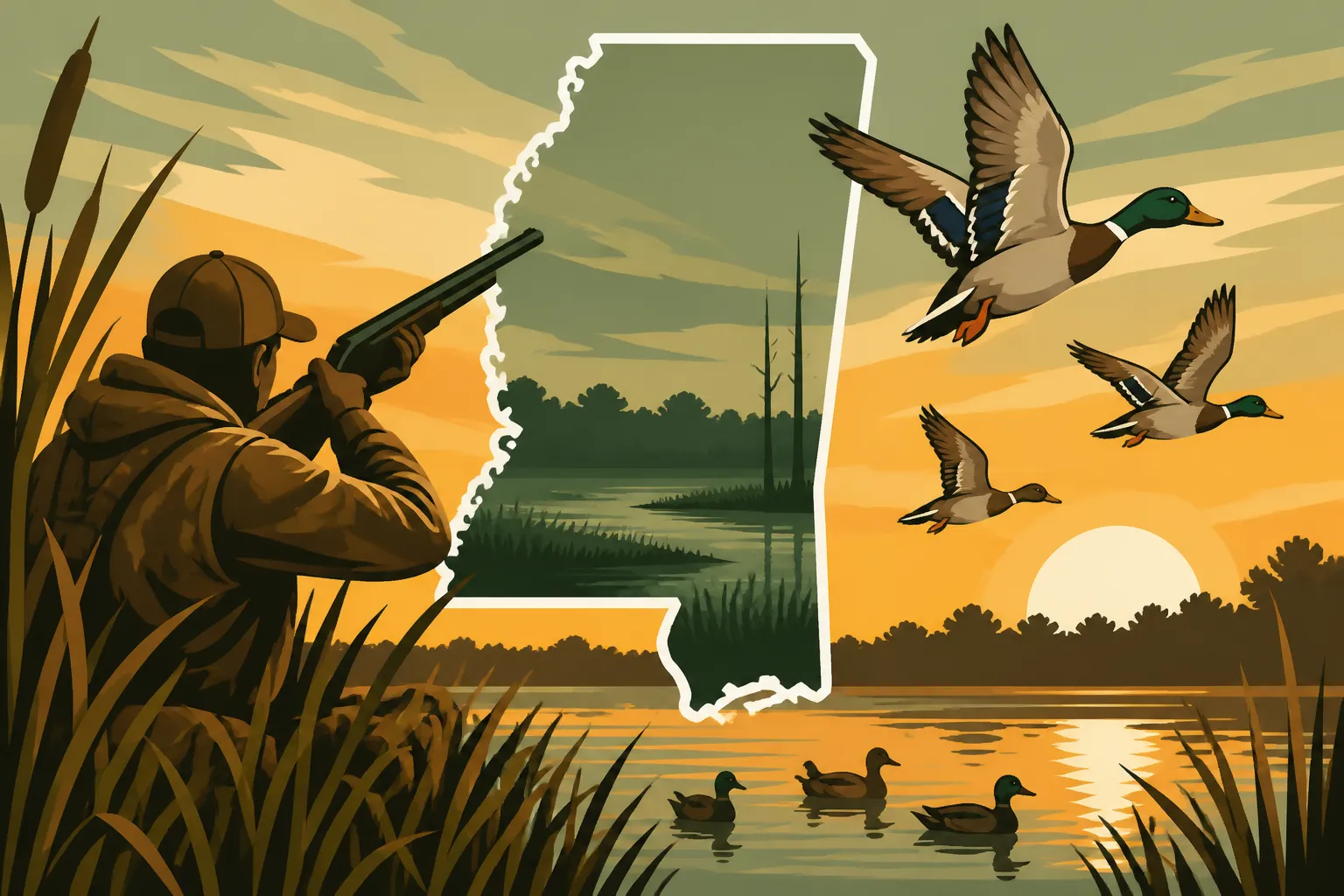
Best Mississippi Ground for Public Land Waterfowl
Finding prime public land for waterfowl hunting in Mississippi can feel like searching for a needle in a haystack, especially when you're up against crowded boat ramps and limited access points. It’s tough to know where to start, what to look for, and how to effectively hunt without private leases. This guide is here to cut through that frustration, offering a detailed look at some of the best public waterfowl grounds our state has to offer and how to approach them effectively.
The Mighty Mississippi Delta and its Waterfowl Havens
When most folks think about duck hunting in Mississippi, their minds immediately drift to the Delta. And for good reason! The Mississippi Delta sits squarely in the heart of the Mississippi Flyway, serving as a critical wintering ground for millions of migrating waterfowl. The sheer volume of agricultural fields, sloughs, and cypress swamps creates an irresistible buffet for ducks and geese. While much of the Delta is private land, there are crucial public areas that offer fantastic opportunities if you know where to look and how to hunt them.
One of the crown jewels for public waterfowl hunting in the Delta is undoubtedly the Sunflower WMA, which is nestled right within the larger Delta National Forest Hunting. This area is a true gem, renowned for its incredible bottomland hardwood forests, which, when flooded, become what we lovingly call "greentree reservoirs." These areas are magnets for mallards and wood ducks, offering them food and shelter. Hunting flooded timber is a unique experience, demanding specific tactics, but the rewards can be incredible. Imagine standing in hip boots, surrounded by towering oaks and pecans, listening to the whistle of wings as ducks drop through the canopy at first light. It's a memory-maker.
However, hunting Sunflower WMA, like many public spots, comes with its challenges. Pressure can be intense, especially on weekends and during the early parts of the season. You'll need to be willing to scout hard, often venturing deeper than others, and be prepared for company. Water levels are also a critical factor; the success of a greentree reservoir hunt hinges entirely on whether the area is adequately flooded, which can vary from year to year. Make sure you're checking water levels and scouting consistently. Using mapping tools like onX Hunt can be invaluable here, helping you identify flooded timber pockets, access points, and potential refuges that other hunters might overlook. It's not just about showing up; it's about putting in the work before the season even starts.
River Batture Lands and Backwater Gems
Beyond the managed WMAs, the vast and often wild Mississippi River batture lands offer an entirely different, but equally rewarding, public waterfowl experience. The batture is the land between the main Mississippi River channel and the levee system, a dynamic landscape constantly reshaped by the river's ebb and flow. This area provides incredible habitat: oxbow lakes, sloughs, sandbars, and dense willow and cottonwood stands. Ducks and geese utilize these areas heavily, especially during periods of high water that create new sheet water feeding opportunities.
Hunting the batture is often an adventure. Access can be challenging, requiring boats, ATVs, or long hikes, and it demands a keen understanding of river levels and ever-changing conditions. This isn't a place for the faint of heart, but for those willing to embrace the wilderness, it can yield unforgettable hunts. You might find yourself jump-shooting wood ducks out of a secluded slough one day, and setting up on a sandbar for mallards or gadwall the next. Scouting is paramount here, perhaps even more so than in other areas, because what was a prime spot last week might be bone dry or completely underwater this week. Aerial photos, current satellite imagery, and onX Hunt can give you an edge in identifying potential hideouts and access routes, but boots-on-the-ground scouting is irreplaceable. You'll want to pay close attention to historical water lines and look for areas that consistently hold water or are prone to flooding with rain.
The beauty of the batture is its sheer scale and wildness. While you'll still encounter other hunters, the vastness often allows for more solitude than some of the more well-known WMAs. Species diversity can also be high, with everything from mallards and wood ducks to divers like scaup and ringnecks using the deeper waters of the oxbows and larger sloughs. Understanding Mississippi River Batture Public Access regulations is vital, as some areas may have specific rules or restricted zones. Always check with the local authorities or the MDWFP website for the most current information before planning your trip.
Key Wildlife Management Areas Across the State
While the Delta gets much of the waterfowl glory, Mississippi boasts several other Wildlife Management Areas (WMAs) across the state that provide excellent public hunting opportunities for ducks and geese. These areas are typically managed specifically for wildlife, often including moist-soil units, agricultural fields, and flooded timber designed to attract and hold waterfowl.
One such area is Mahannah Wildlife Management Area, another Delta-area powerhouse located near Vicksburg. Mahannah is famous for its large areas of managed moist-soil wetlands and agricultural fields, which are intentionally flooded to create prime feeding and resting habitat for ducks. It's a place where you might expect to see large numbers of pintails, gadwall, wigeon, and, of course, mallards. Like Sunflower, Mahannah can draw a crowd, so early arrival and thorough scouting are key to securing a good spot. You'll need to be aware of specific WMA rules, including hunting hours and boat restrictions, which can be found Using the MDWFP Map Tool.
Moving out of the deepest Delta, the Pascagoula River Wildlife Management Area in the southeastern part of the state offers a completely different, but equally exciting, experience. This WMA encompasses a vast flood plain and cypress-tupelo swamps along the Pascagoula River. While perhaps not hosting the sheer numbers of mallards found in the Delta, it's a phenomenal spot for wood ducks and often sees good numbers of other puddle ducks. The hunting here is more about navigating dense swamps and smaller sloughs, often by canoe or kayak, and jump-shooting or setting up small, stealthy spreads. It offers a truly immersive, wild swamp hunting experience that's a stark contrast to big field spreads.
Further north, Sardis Waterfowl Refuge Public Access and Trim Cane Wildlife Management Area (near Starkville) also provide excellent waterfowl opportunities, often focusing on managed impoundments and agricultural fields. Sardis, in particular, can hold enormous numbers of ducks and geese in its vast shallow water areas. Each of these WMAs has its own unique character, habitat types, and regulations. It’s important to research each one thoroughly before you go. Remember to secure your Mississippi WMA Permit Requirement and check for any quota hunt application windows or sign-in processes that might apply to your chosen WMA.
Strategic Scouting and Preparation for Public Land Waterfowl
Success on public land waterfowl hunts in Mississippi rarely comes by accident. It’s the result of diligent scouting, meticulous preparation, and a willingness to adapt. This is where tools and tactics truly make a difference, leveling the playing field against those with exclusive private access.
First and foremost, invest time in scouting, and not just the day before the season. Ducks are creatures of habit but also opportunistic, constantly adjusting to food sources, water levels, and hunting pressure. Use aerial maps from services like onX Hunt or GoHunt to identify potential flight corridors, roosting ponds, and feeding areas before you even set foot on the ground. Look for subtle changes in vegetation, water depth indicators, and proximity to major food sources like rice, corn, or flooded timber. These map layers can highlight public land boundaries clearly, helping you stay legal and find overlooked pockets. Scouting Mississippi Public Land Before Season is not just a suggestion; it's a necessity.
When scouting, don't just look for ducks. Look for duck sign. Fresh tracks in the mud, droppings, "churned up" water from feeding, and shed feathers are all indicators that birds are using an area. Pay attention to water levels and how they might fluctuate with rainfall or river stages. A spot that's too shallow one week might be perfect the next. Many WMAs have specific rules about boat motors, ATV use, and even where you can set up a blind. Knowing these regulations ahead of time can save you a lot of grief.
Essential Gear and Tactics
Public land hunting often means adapting to pressure. This might involve setting up earlier, walking further, or trying different decoy spreads. Consider these tactical elements:
- Decoy Spreads: On pressured public land, sometimes less is more. A small, realistic spread with good motion can be more effective than a huge, static spread. Also consider species-specific decoys; if the area is full of gadwall, a spread of gadwall decoys might be more inviting than an all-mallard spread.
- Concealment: Ducks see everything. Whether you're in a fixed blind, a layout blind (especially useful in open fields like those described in Layout Blind Hunting a Cut Cornfield), or just hiding in natural cover, ensure your concealment is top-notch. Camouflage patterns appropriate for the specific habitat you're hunting are crucial.
- Calling: Learn to call effectively, but also learn when not to call. Overcalling on public land can often spook weary birds. Subtle feeding chuckles and soft quacks can be more effective than aggressive hail calls.
- Willingness to Move: Don't be afraid to relocate if a spot isn't producing. Ducks move, and so should you. Sometimes just a few hundred yards can make all the difference in getting into birds.
- Check Regulations: Always, always double-check the specific WMA regulations for the area you plan to hunt. Rules can vary greatly, from shot restrictions to legal shooting hours. Mississippi Public Land Hunting Hours are statewide, but individual WMAs may have further restrictions.
| Public Waterfowl Area | Primary Habitat Type | Key Species | Challenges | Best For |
|---|---|---|---|---|
| Sunflower WMA | Flooded Timber, Moist Soil | Mallard, Wood Duck | High Pressure, Water Levels | Classic Greentree Hunting |
| Mississippi River Batture | Oxbows, Sloughs, Sandbars | Mallard, Gadwall, Wood Duck, Divers | Access, Variable Water Levels, Wildness | Adventurous, Diverse Species |
| Mahannah WMA | Moist Soil, Flooded Ag Fields | Mallard, Pintail, Gadwall | High Pressure, Competition for Spots | High Volume, Field/Impoundment Hunting |
| Pascagoula River WMA | Cypress-Tupelo Swamps, Riverine | Wood Duck, Mallard | Navigation, Remote Access | Swamp/Riverine Experience, Jump Shooting |
| Sardis Waterfowl Refuge | Large Shallow Impoundment | Mallard, Gadwall, Geese | Weather Dependent, Crowds | Open Water Hunting, Mixed Bag Potential |
| Trim Cane WMA | Managed Ponds, Fields | Mallard, Teal, Gadwall | Smaller Scale, Local Pressure | Convenient Access, Shorter Hunts |
Mississippi offers a diverse array of public lands for waterfowl hunting, from the storied greentree reservoirs of the Delta to the wild reaches of the Mississippi River batture and numerous managed WMAs. While these areas often present challenges like hunting pressure and variable conditions, they consistently reward the prepared and persistent hunter. By leveraging modern scouting tools, understanding specific area regulations, and honing your tactics, you can absolutely enjoy some incredible public land waterfowl hunting experiences across our beautiful state.
Disclaimer
This article is for general informational purposes only and does not constitute professional advice. Laws, prices and regulations vary by location and change over time. Consult a qualified professional for guidance on your specific situation.