Yazoo National Wildlife Refuge Hunting Rules
It can feel overwhelming, trying to wrap your head around all the different rules and regulations that govern hunting, especially when you step onto federal lands like National Wildlife Refuges. Many hunters get frustrated by the seemingly endless layers of permits, specific dates, and equipment restrictions that differ from the statewide norms. This guide aims to pull back the curtain on the Yazoo National Wildlife Refuge, offering a clear, empathetic look at what you need to know to pursue your passion within its unique boundaries.
Understanding Yazoo NWR's Mission and General Regulations
Yazoo National Wildlife Refuge, nestled in the heart of the Mississippi Delta, is a truly special place. Unlike many state-managed lands, NWRs operate under a primary mission of wildlife conservation, which means public use activities like hunting and fishing are permitted only if they are compatible with that overarching goal. This compatibility is why the rules here can sometimes feel a bit stricter or more specialized than what you might encounter on a general public land tract or a private lease. It’s not about making things hard for hunters; it’s about balancing recreational opportunity with the critical needs of the wildlife that call the refuge home, especially migratory birds.
The refuge is a mosaic of habitats, from bottomland hardwood forests to agricultural fields and cypress swamps, all managed to provide crucial wintering grounds for waterfowl and habitat for resident wildlife. Because of this, the hunting seasons and methods often reflect the specific management goals for those species. For instance, areas managed heavily for waterfowl might have very strict access rules during duck season to minimize disturbance. Hunters who take the time to understand this foundational mission will find themselves better prepared and more respectful of the unique environment they are entering.
Navigating Refuge Access and Boundaries
One of the first hurdles any hunter faces on public land is simply knowing where you can and cannot go. Yazoo NWR is no exception. While it's a large area, not every acre is open to every type of hunting, and access points can be limited. You’ll find that certain sections might be designated as "no entry" zones or have restricted access during specific times of the year, particularly during peak waterfowl migration. These rules are in place to create sanctuaries for wildlife, allowing them to rest and feed undisturbed.
Before you even load up your truck, it's absolutely critical to consult the most current refuge-specific hunting regulations, which are usually available on the U.S. Fish and Wildlife Service website or at the refuge headquarters. Many seasoned hunters rely on mapping apps like onX Hunt to overlay refuge boundaries, identify designated hunting areas, and pinpoint specific access roads or parking areas. This digital scouting can save you a lot of time and frustration, preventing accidental trespass or entering a closed section. Always double-check your location, especially in areas with dense cover, because boundary markers can sometimes be subtle or obscured. Understanding where public hunting land begins and ends is paramount.
General Equipment and Ethical Guidelines
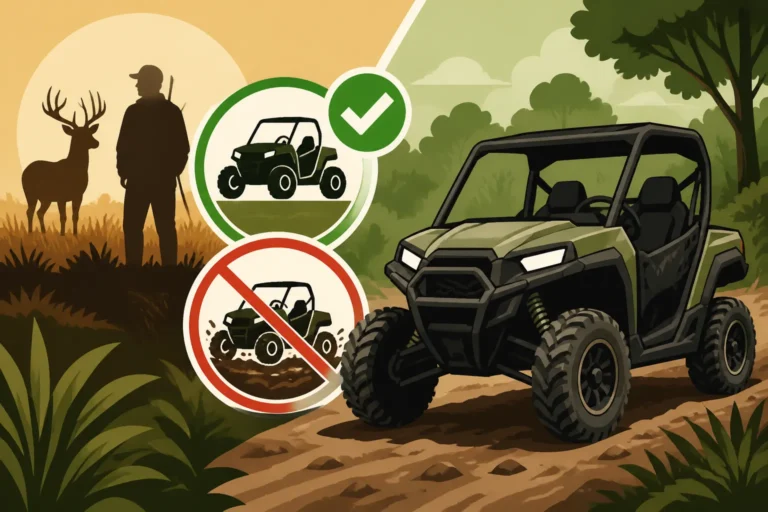
Just like any hunting endeavor, there are certain universal rules of safety and ethics that apply on Yazoo NWR, but sometimes with added layers. For example, while blaze orange is often required for deer hunting statewide in Mississippi, the refuge might have specific requirements for other species or during certain concurrent seasons. Understanding Mississippi Blaze Orange Requirements is a good start, but always look for refuge-specific additions. Vehicle access is typically restricted to designated roads, and off-road travel is almost universally prohibited to prevent habitat damage.
When it comes to ethical guidelines, the refuge emphasizes respectful conduct. This means packing out everything you pack in, being mindful of other users (whether they are hunters, birdwatchers, or photographers), and absolutely respecting quiet hours or areas where specific activities are curtailed. Littering, damaging vegetation, or disturbing wildlife unnecessarily are not only against the rules but go against the spirit of conservation that NWRs embody. Adherence to these guidelines helps ensure hunting remains a compatible and valued use of the refuge for years to come.
Deer Hunting at Yazoo NWR: Specific Rules and Requirements
Deer hunting is a popular activity on Yazoo National Wildlife Refuge, attracting hunters hoping to tag a Delta whitetail. However, it's crucial to understand that the refuge doesn't simply adopt all of Mississippi's statewide deer regulations. Instead, it has its own set of rules, often geared towards managing the deer population to prevent overbrowsing and to promote a healthy age structure within the herd. This usually involves specific antler restrictions and strict bag limits, which might differ significantly from the general Mississippi Deer Season Structure Explained in other parts of the state or even the Delta Unit Antler Restriction Rules found on adjacent state lands.
The specific hunting zones for deer might also change from year to year, depending on habitat conditions and population surveys. It’s not uncommon for refuge deer seasons to be shorter or to occur during different windows than state seasons, often focusing on archery or muzzleloader hunts to reduce pressure or manage harvest more precisely. Hunters often voice frustration at the complexity, but these variations are intentional, designed to meet specific biological objectives for the refuge's deer herd.
Antler Restrictions and Bag Limits
One of the most common areas of confusion for deer hunters entering Yazoo NWR centers on antler restrictions and bag limits. While the state has general guidelines like the Delta Unit Twelve-Inch Spread Rule Explained, the refuge might have its own specific criteria for what constitutes a legal buck. This could mean a minimum number of points, a certain main beam length, or a combination. The goal is often to protect younger bucks and allow them to mature, leading to a healthier, more robust deer population over time.
Similarly, bag limits for does and bucks can be very specific, sometimes limited to one animal per hunter per season, or even requiring an antlerless deer to be harvested before a buck. These limits are not arbitrary; they are carefully determined by refuge biologists based on herd health, forage availability, and management objectives. Always consult the current Yazoo NWR hunting brochure or website for the precise, up-to-date antler criteria and bag limits before you hunt. A legal buck on state land might not be a legal buck on the refuge, and ignorance is no excuse when it comes to wildlife law.
Mandatory Check-In and Reporting
Another significant difference when hunting deer on Yazoo NWR, and indeed many NWRs, is the requirement for mandatory check-in and check-out procedures. You can't just show up, hunt, and leave. Hunters are typically required to obtain a specific refuge permit, often issued through a drawing or a sign-in process at a designated station. This allows the refuge staff to track hunter numbers, assess hunting pressure, and collect valuable harvest data.
Once a deer is harvested, there's usually a mandatory reporting process, which might involve taking the animal to a physical check station or reporting it online through a system specific to the refuge. This is separate from the general Mississippi Deer Reporting Requirements that apply statewide. The data collected from these reports is vital for refuge biologists to monitor population trends, gauge hunter success, and make informed decisions for future seasons. Failing to follow these check-in and reporting rules can result in penalties and jeopardize your future hunting privileges on the refuge, so it's critical to take them seriously.
Waterfowl and Small Game Opportunities at Yazoo
Beyond deer, Yazoo National Wildlife Refuge truly shines as a destination for waterfowl and small game hunters. Given its location in the Mississippi Delta, it's a critical stopover and wintering ground for countless migratory birds along the Mississippi Waterfowl Zones and Seasons of the Mississippi Flyway. For small game enthusiasts, the diverse habitat provides ample opportunities for squirrel and rabbit hunting, offering a different pace and challenge compared to deer season. Each of these pursuits comes with its own set of refuge-specific rules designed to manage harvest and protect critical resources.
Waterfowl hunting, in particular, is often managed through a system of designated hunting areas, blinds, and sometimes even a lottery draw for specific dates or locations. This ensures an equitable distribution of hunting pressure and prevents overcrowding in prime spots. Small game seasons, while typically more open, still adhere to strict bag limits and often have specific areas where they can be pursued to minimize conflict with other refuge activities.
Waterfowl Hunting Regulations
If you're dreaming of mallards cupped over flooded timber or geese setting their wings over a cut field, Yazoo NWR offers some fantastic opportunities, but with a unique twist on the usual Waterfowl Hunting the Mississippi Delta experience. Due to its status as a critical waterfowl sanctuary, hunting is highly regulated. You'll likely encounter designated hunting units, specific entry and exit times, and regulations on blind placement or construction. Many areas might be "walk-in" only, requiring you to transport decoys and gear by hand, canoe, or kayak – no ATVs or motorized boats in many spots.
Furthermore, hunters often need to apply for a special refuge permit, potentially through a lottery system for specific hunt dates or areas. Daily bag limits, shooting hours, and even the types of decoys or calls allowed might have refuge-specific modifications. While you'll still need your federal duck stamp as per the Mississippi Federal Duck Stamp Requirement, the refuge will have its own additional layer of local requirements. It's not uncommon for certain areas to be closed entirely during parts of the season to provide undisturbed roosting or feeding habitat. Always study the waterfowl-specific regulations for Yazoo NWR meticulously before planning your hunt.
Small Game Hunting Rules
For those who enjoy the fast-paced action of chasing squirrels or rabbits, Yazoo NWR also provides ample opportunities. The refuge's bottomland hardwoods are ideal for squirrels, and its edges and thickets hold plenty of rabbits. However, just like with deer and waterfowl, these seasons aren't just a free-for-all. While they generally align more closely with Mississippi Small Game Season Rules, there can be subtle but important differences.
For instance, certain units within the refuge might be designated for small game only, or small game hunting might be restricted to specific days of the week to avoid conflicts with deer or waterfowl hunters. Limits on ammunition type, firearm caliber, or even the use of hunting dogs can also be in place. Always verify the current refuge regulations for squirrel and rabbit hunting, paying close attention to legal methods of take and any area restrictions. It’s also wise to consider the pressure from other hunters, as popular public lands can get quite busy during these seasons.
Permits, Access, and Important Considerations for Hunters
Hunting on Yazoo National Wildlife Refuge isn't as simple as just showing up with your state hunting license. There's an additional layer of administrative requirements that can trip up even experienced hunters. Understanding the permit system, special access rules, and where to find authoritative information is crucial for a successful and legal hunt. Don't let the paperwork deter you; it's all part of the process of managing these invaluable public resources.
The key takeaway here is preparation. Assuming that statewide rules automatically apply will almost certainly lead to frustration or, worse, a citation. This means doing your homework well in advance of the season, securing the right permits, and understanding the nuances of how the refuge operates. Many experienced hunters make a point to contact the refuge office directly or visit their website for the most up-to-date information before planning their trips.
Obtaining Required Refuge Permits and Stamps
To hunt on Yazoo NWR, you will almost certainly need more than just your standard Mississippi hunting license. Many NWRs require a special refuge-specific permit, often issued for a nominal fee or through a quota hunt drawing system. This permit grants you permission to hunt within the refuge boundaries for specified game species during designated seasons. Think of it as an additional entry ticket on top of your state license. For waterfowl, you'll also need your valid federal duck stamp, as is customary for all migratory bird hunting.
The process for obtaining these permits can vary. Some might be available over the counter at the refuge office, while others are distributed through an online application and lottery system, sometimes months in advance of the season. Platforms like GoHunt might offer resources for understanding permit systems, but always check directly with the refuge. Missing a deadline for a quota hunt application or failing to secure the proper refuge permit is one of the quickest ways to ruin a planned hunt. Always confirm what specific permits are needed for the species you intend to pursue and how to acquire them.
Youth and Apprentice Hunter Rules
Yazoo NWR, like many hunting areas, often has provisions for youth hunters, recognizing the importance of introducing the next generation to conservation and outdoor recreation. However, these opportunities also come with their own set of specific rules and requirements, which can sometimes differ from general Mississippi Youth Gun Season Rules or state-level apprentice hunter guidelines. For example, specific youth-only hunt days or areas might be designated, or there could be different bag limits or mentor requirements for younger hunters.
It is absolutely essential for parents or mentors planning to take a youth hunter to Yazoo NWR to review the specific youth hunting regulations outlined by the refuge. This includes understanding supervision requirements, any age restrictions, and ensuring the youth has completed all necessary hunter education requirements or is hunting under a valid apprentice license. Ensuring a safe, educational, and compliant experience for young hunters is a top priority, and knowing the rules beforehand is the best way to guarantee that.
Navigating the Unique Challenges of NWR Hunting
Hunting on a National Wildlife Refuge like Yazoo presents its own distinct set of challenges that can surprise hunters accustomed to private land or even state WMAs. These aren't necessarily obstacles, but rather unique characteristics that require a different approach and mindset. From managing expectations about crowds to understanding the nuanced impact of habitat management, a prepared hunter is a successful hunter.
One of the biggest differences is the sheer number of different user groups you might encounter. NWRs are often popular destinations for birdwatchers, photographers, hikers, and anglers, all sharing the same space. This means hunters need to be extra vigilant about safety, conscious of noise, and respectful of others' experiences. It's a shared resource, and successful navigation involves more than just knowing where the deer are.
Dealing with Crowds and Shared Use
Public land, by its nature, attracts a crowd, and Yazoo NWR is no exception, especially during peak seasons like opening day of deer or duck season. Hunters sometimes express frustration over competing for prime spots or encountering other groups. The key to mitigating this is often simple: go where others aren't willing to go. This might mean walking an extra mile, getting into areas that require a canoe or kayak, or simply scouting thoroughly to find less obvious spots.
Beyond other hunters, remember that NWRs are multi-use areas. You might encounter hikers, birdwatchers, or photographers enjoying the refuge. This calls for an elevated level of courtesy and safety. Always identify your target and what is beyond it before taking a shot, and be aware of potential non-hunting users in the vicinity. Being a good steward of the land also means being a good neighbor to other users, which helps maintain a positive perception of hunting on public lands. Hunting Pressure on Mississippi Public Land is a real factor, and being adaptable is a huge advantage.
Understanding Habitat Management and Closures
The wildlife on Yazoo NWR are the primary focus, and refuge staff actively manage the habitat to benefit a wide array of species. This can sometimes lead to temporary closures of certain areas or specific management activities that impact hunting. For example, prescribed burns are a common tool for habitat improvement, and an area might be temporarily closed after a burn. Water levels in greentree reservoirs might be manipulated to attract waterfowl, which can change access or hunting conditions.
These management activities are crucial for the long-term health of the ecosystem and the wildlife populations, even if they occasionally cause a temporary inconvenience for hunters. Staying informed about current refuge conditions and planned management activities is part of responsible hunting on an NWR. The refuge headquarters or their official website will typically post notices about such activities. Understanding why these actions are taken can help hunters appreciate the bigger picture of conservation that Yazoo NWR represents.
| Game Species | Typical Season Timing (Check Refuge for Specifics) | Common Permit Requirements | Special Considerations |
|---|---|---|---|
| White-tailed Deer | Archery (Fall), Muzzleloader (Late Fall), Gun (Winter) | Refuge Hunt Permit (often by drawing) | Antler Restrictions, Mandatory Check-In/Out |
| Waterfowl | Fall/Winter (multiple splits) | Refuge Hunt Permit, Federal Duck Stamp | Designated Hunt Zones, Walk-In/Boating Access Only, Blind Rules |
| Squirrel & Rabbit | Fall/Winter (often concurrent with deer) | Refuge Hunt Permit | Specific Areas May Be Designated, Dog Rules |
| Feral Hog | Year-round opportunities (incidental harvest) | Often allowed during other hunts | Specific regulations on methods and removal |
Disclaimer
This article is for general informational purposes only and does not constitute professional advice. Laws, prices and regulations vary by location and change over time. Consult a qualified professional for guidance on your specific situation.