Mississippi Buck Age Structure
Mississippi buck age structure determines antler size, breeding cycles, and overall herd health across diverse local landscapes.
Know what you’re after.
Big game, small game, upland birds, and waterfowl — identification, behavior, rut and migration timing, and how each species moves through the season.

Mississippi buck age structure determines antler size, breeding cycles, and overall herd health across diverse local landscapes.
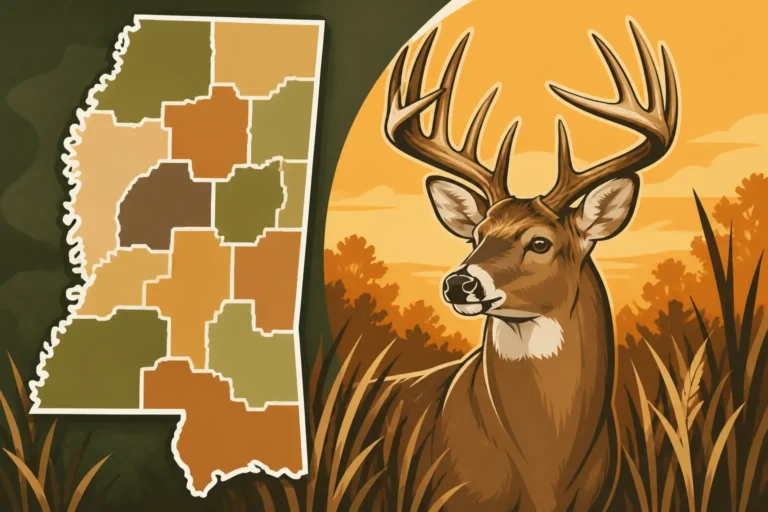
The Mississippi whitetail rut peak dates for each state management unit help hunters pinpoint when deer are most active.

The Mississippi Deer Record Book tracks exceptional whitetail deer harvests ranked by antler score for hunters and biologists.

Mississippi Boone and Crockett whitetails require fertile soil, excellent nutrition, mature age structures, and careful deer management strategies.
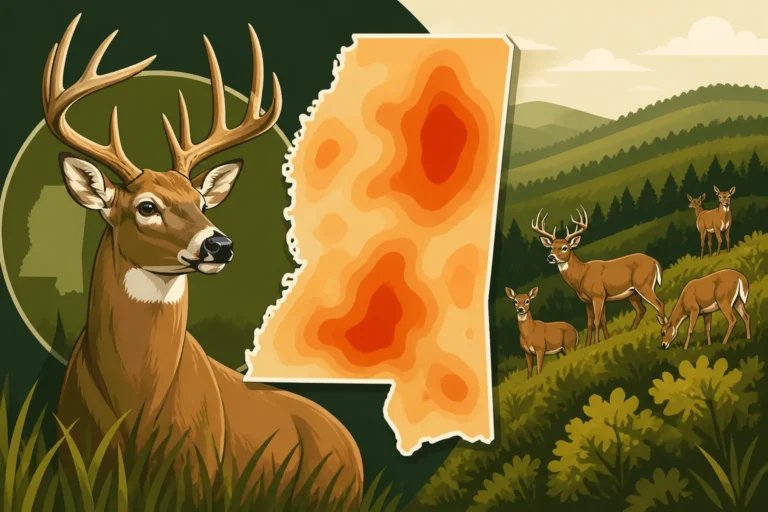
Mississippi Hills Unit deer density statistics, habitat characteristics, and wildlife management survey methods explained clearly for hunters.

Mississippi Delta whitetail deer grow older and larger because rich alluvial soils and expansive bottomland hardwoods provide abundant nutrition.
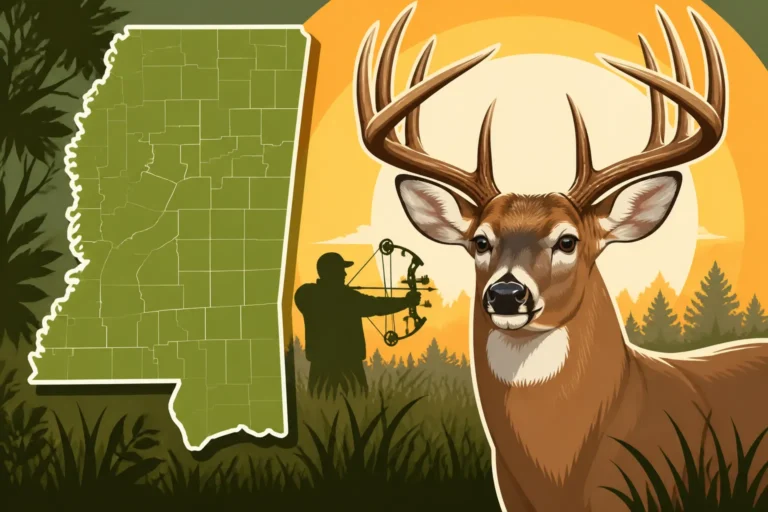
Mississippi counties producing big bucks feature key factors like genetics, nutrition, age structure, and lower hunting pressure.
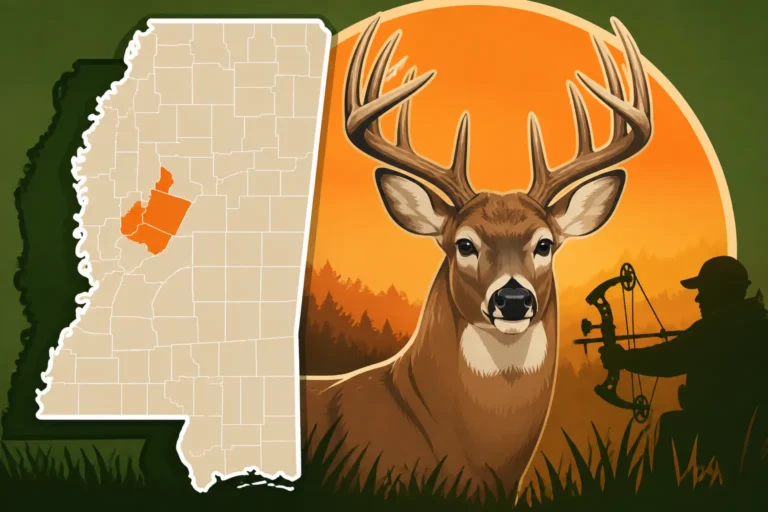
Mississippi deer harvest data explains why certain counties like Bolivar and Washington produce the highest numbers of animals.

Mississippi annual deer harvest data reveals population health, management strategies, county totals, and local hunter success rates.

Mississippi white-tailed deer population estimates require scientific sampling methods because exact numbers are statistically impossible to achieve.